
Best Time to Hike Preikestolen — Pulpit Rock
The best time to hike Preikestolen is April to October, which is the window the official season guidance gives, with winter needing extra care. Within that, May to August pairs the longest daylight with the warmest months of the year, while the cliff edge demands caution in any wet or windy weather.
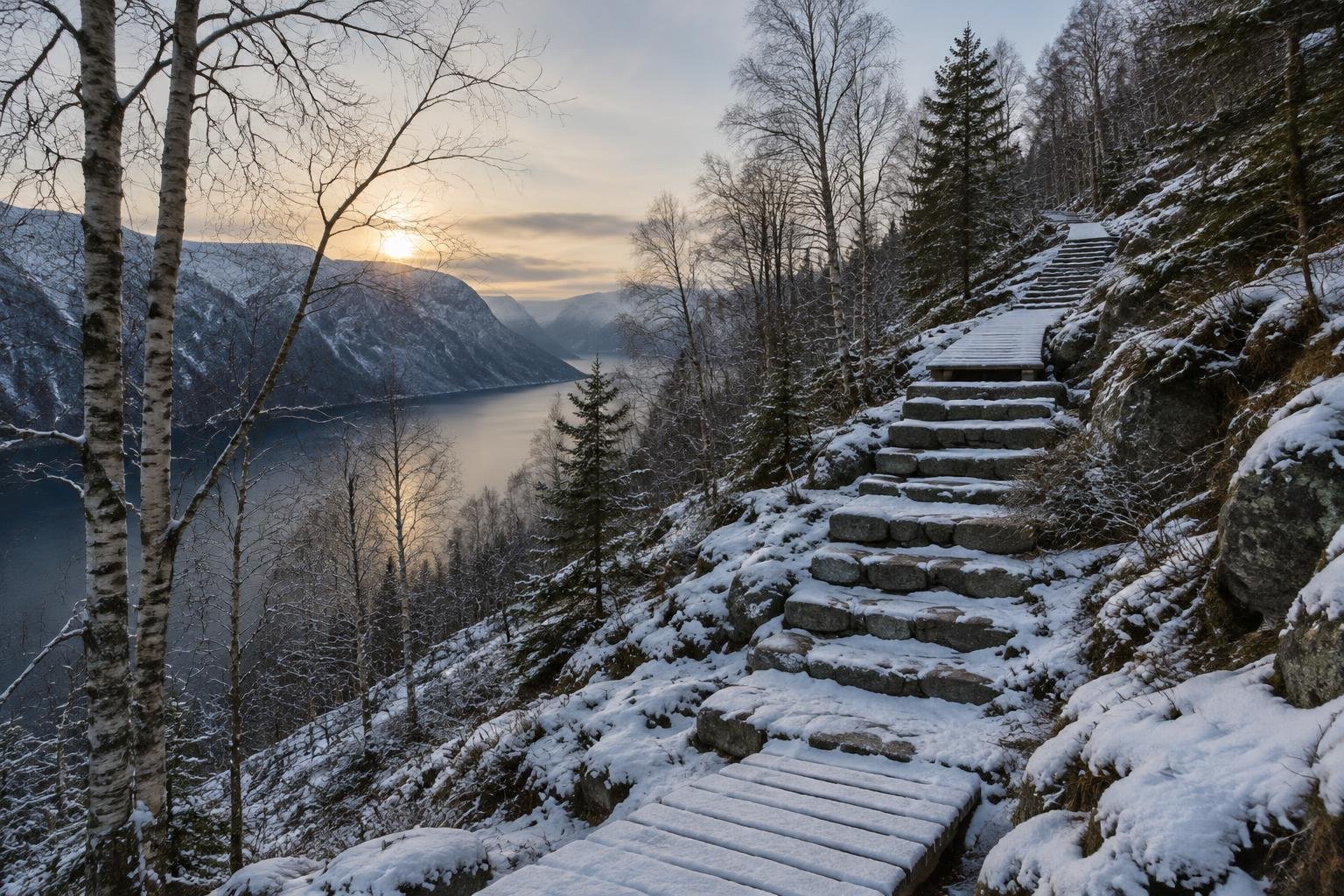
Month-by-month climate for Preikestolen — Pulpit Rock
| Month | Relative warmth | Rain | Daylight |
|---|---|---|---|
| Jan | Coldest | 254 mm | 6.6 h |
| Feb | Coldest | 217 mm | 8.9 h |
| Mar | Coldest | 170 mm | 11.4 h |
| Apr | Cool | 116 mm | 14.1 h |
| May | Warm | 130 mm | 16.6 h |
| Jun | Warmest | 129 mm | 18.1 h |
| Jul | Warmest | 164 mm | 17.5 h |
| Aug | Warmest | 187 mm | 15.2 h |
| Sep | Warmest | 215 mm | 12.5 h |
| Oct | Mild | 249 mm | 9.8 h |
| Nov | Cool | 225 mm | 7.3 h |
| Dec | Coldest | 313 mm | 5.9 h |
Modelled regional averages for 2010–2023 (rainfall) and calculated daylight hours; they describe the wider area, not a reading taken on the trail. “Relative warmth” compares each month with the warmest and coldest months of this place’s own year. It is not a temperature, and the high parts of a route are colder than the region around them.
The modelled numbers show a wet place all year. December is the wettest month at about 313 mm, while April is the driest at roughly 116 mm, with May and June close behind at around 130 mm. Daylight swings enormously, from about 5.9 hours in December to 18.1 hours in June. Relative to this place's own year, June through September are the warmest months and January through March the coldest. These are regional averages, so treat them as typical patterns rather than trail readings.
Preikestolen — Pulpit Rock season by season
Winter · December to March
These are the coldest months of the year here and also the darkest, with daylight running from roughly 5.9 hours in December to about 11.4 hours by March. Rainfall is heavy, typically between 170 mm and 313 mm a month. The official season guidance says winter needs care, and the cliff edge has no railings, so wet or icy ground raises the stakes. Short days leave little margin, so confirm current conditions with the managing authority before committing.
Spring · April to May
April is typically the driest month in the modelled data at about 116 mm, and daylight stretches from roughly 14 hours to over 16 hours by May. Relative to this place's own year, April is cool and May is warm. This is the start of the official season window, so it can be an appealing time to go, though conditions on the path still deserve checking. Wet ground near the cliff edge calls for extra distance from the drop.
Summer · June to August
June to August includes the warmest months of the year and the longest days, with daylight peaking near 18.1 hours in June. Rainfall averages about 129 mm in June, rising to roughly 164 mm in July and 187 mm in August, so rain cover still belongs in the pack. The long evenings give flexibility to start early, which helps avoid the busiest hours on the narrow path. Keep well back from the edge, particularly in wind or wet.
Autumn · September to November
September still counts among the warmest months relative to this place's own year, with about 12.5 hours of daylight, and it falls inside the official season window through October. Rainfall climbs steadily, from around 215 mm in September to about 249 mm in October and 225 mm in November. Daylight shrinks to roughly 7.3 hours by November, and November sits outside the season window, so winter-style care applies. Plan to finish well before dusk.
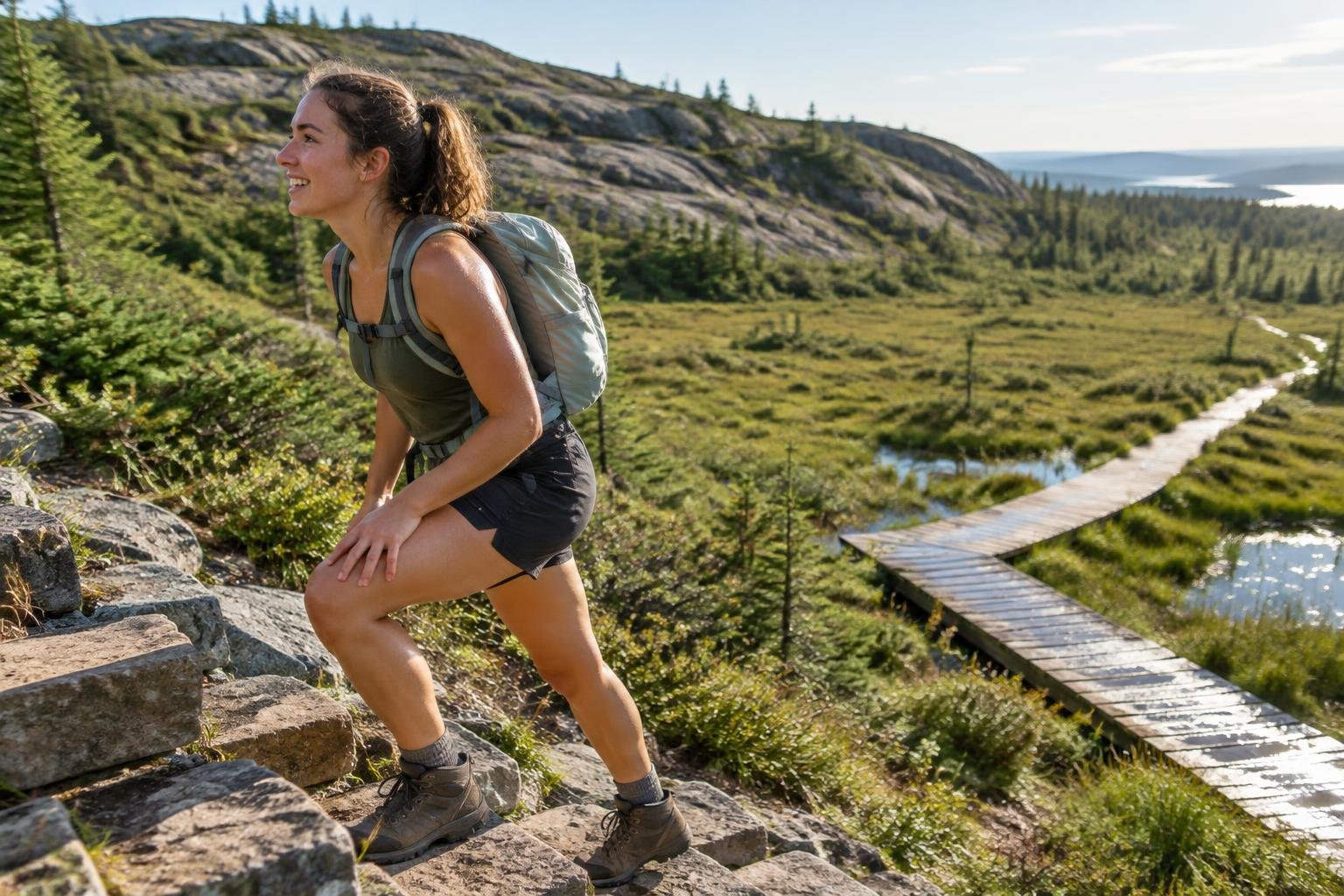
Official season guidance
Regional tourism & landowners: April to October; winter needs care
No permit is needed. The cliff edge has no railings and a huge drop — keep well back, especially in wind or wet, and start early to avoid the busiest hours on the narrow path.
Check current dates on visitnorway.com (Visit Norway, national tourist board)What to pack for the season
Packing here follows rain and daylight more than heat. Bring a waterproof shell and a warm layer in every season, since rainfall stays high year-round. Add sun protection for the long summer days, and carry a headlamp when daylight is short in autumn, winter and early spring. Sturdy footwear with good grip suits wet ground near the cliff edge.
For layering, rain cover and weather planning, see hiking in rain, heat and cold.
Timing mistakes to avoid
A common mistake is picking a single month and ignoring the wider pattern: rain is heavy through most of the year, so a clear forecast on the day matters more than the calendar. Another is going in winter without the extra care the official season guidance calls for. Starting late is also a problem, because the narrow path gets busiest at midday and short days leave little margin. Finally, do not trust modelled averages over current conditions; check with the managing authority.
Common questions
Can you hike Preikestolen in winter?
The official season guidance gives April to October as the main window and says winter needs care. December to March are the coldest and darkest months here, with heavy modelled rainfall and under about 11.4 hours of daylight. Conditions change, so check with the managing authority before planning a winter attempt.
Which month is driest for the Preikestolen hike?
In the modelled regional data, April is the driest month at roughly 116 mm, followed by May and June at around 130 mm. Rain is still typical in every month, so waterproofs belong in the pack regardless. These are regional averages, not trail measurements, and weather on the day can differ.
How much daylight is there for the hike?
Daylight varies widely across the year, from about 5.9 hours in December to roughly 18.1 hours in June. Summer gives generous margins for an early start and a relaxed return, while autumn and winter require careful timing and a headlamp. Plan to be off the path well before dusk in the darker months.
When is Preikestolen least crowded?
The supplied facts do not include visitor numbers by month, so no month can be named as quietest. The official guidance does advise starting early to avoid the busiest hours on the narrow path. Beginning your hike early in the day is a practical way to reduce crowding in any season.
Sources
- Regional tourism & landowners — visitnorway.com (Visit Norway, national tourist board): official season and permit guidance.
- NASA POWER (Prediction Of Worldwide Energy Resources): monthly temperature and rainfall averages, 2010–2023, from MERRA-2 reanalysis. Daylight hours are calculated from latitude.
Conditions, closures and permit rules change without notice — confirm current information with the managing authority before you go. See our editorial policy and affiliate disclosure.