
Affiliate disclosure: this page contains affiliate links. Purchases made through them may earn us a commission at no extra cost to you. See our affiliate disclosure.
In plain English
Preikestolen is a hike you do in a single day, so you do not sleep on the trail. Your real choice is where to sleep the night before. You can stay close to where the walk begins, or you can stay in the big city nearby and travel out in the morning.
The difference is like living next to a school versus across town. Living close means a short trip and an easy early start. Living farther away means you spend part of your morning on ferries and buses, so you need to check the schedule the night before and leave earlier to get the same time on the trail.
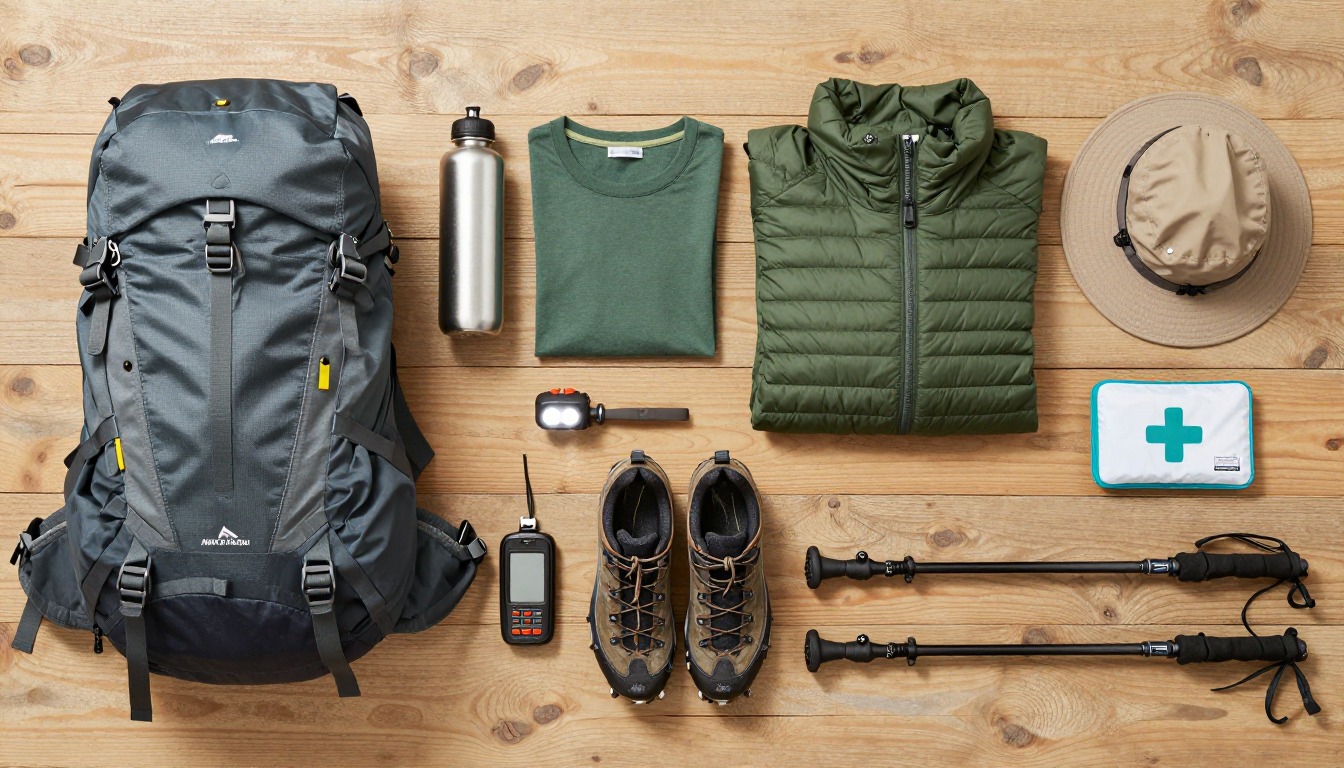
Where you sleep does not change what you carry on the mountain. You still need a small pack, warm and waterproof layers, food, water and a way to tell someone your plan. The big suitcase stays behind at the place you are sleeping.
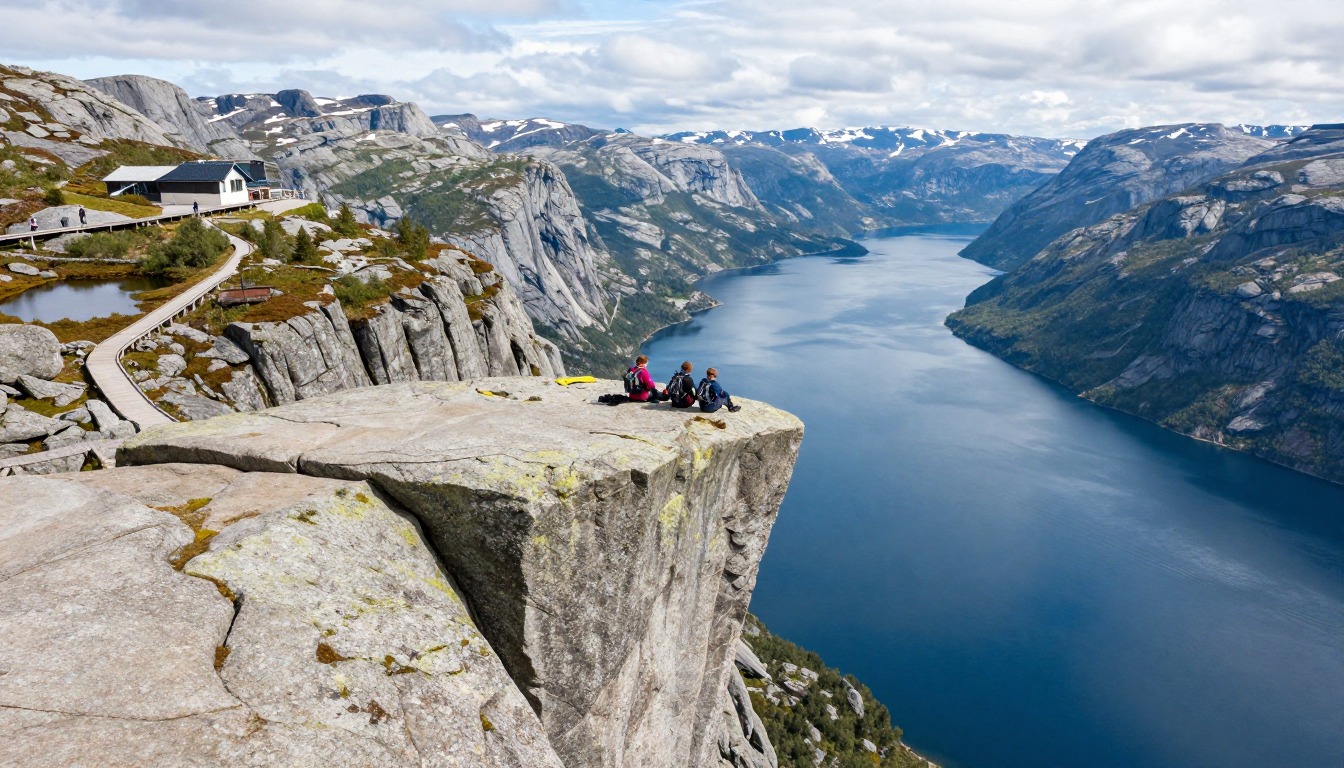
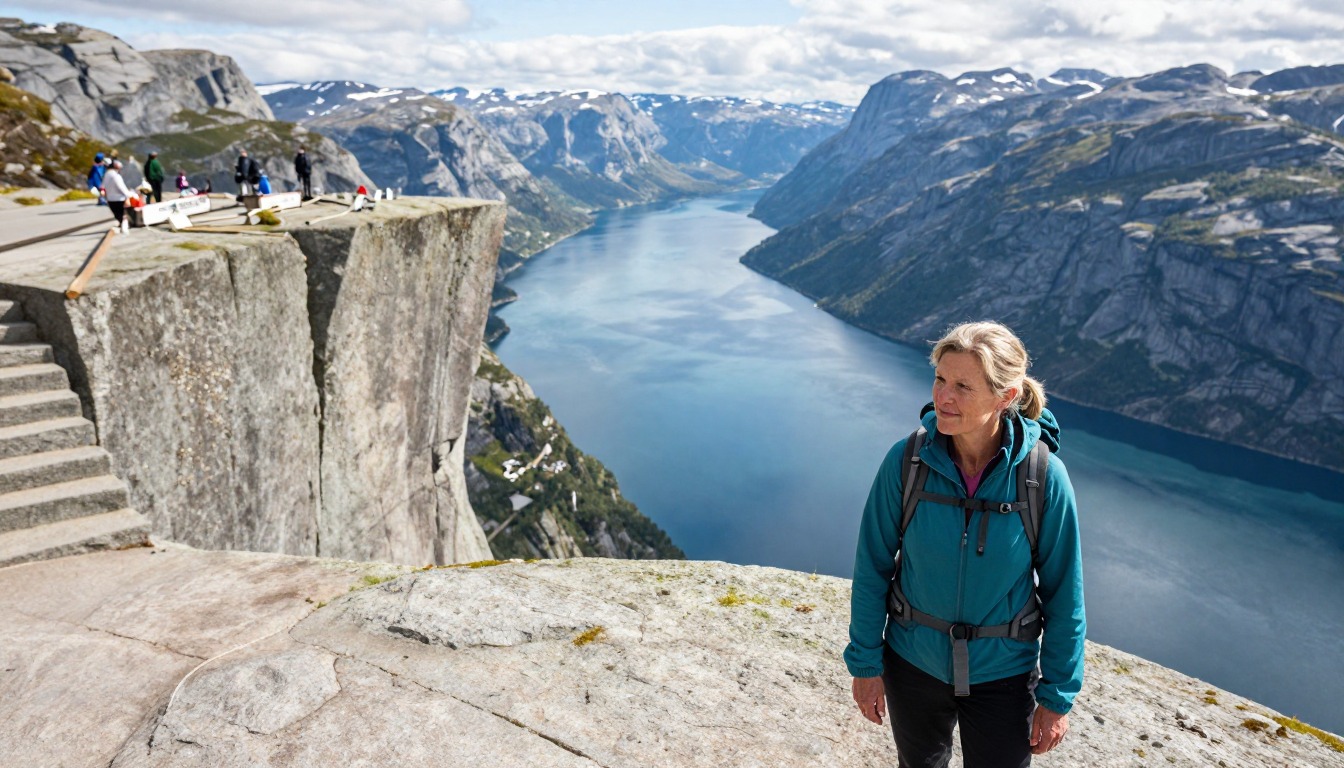
Preikestolen, or Pulpit Rock, is a flat slab of granite that juts out high above the Lysefjord in Norway's Ryfylke region, and it's one of the country's most-hiked day trips. Because most visitors do it in a single day from a base nearby, the real planning question isn't the trail itself — it's whether you sleep close to the trailhead or in the city of Stavanger and travel out each morning.
Why hike here
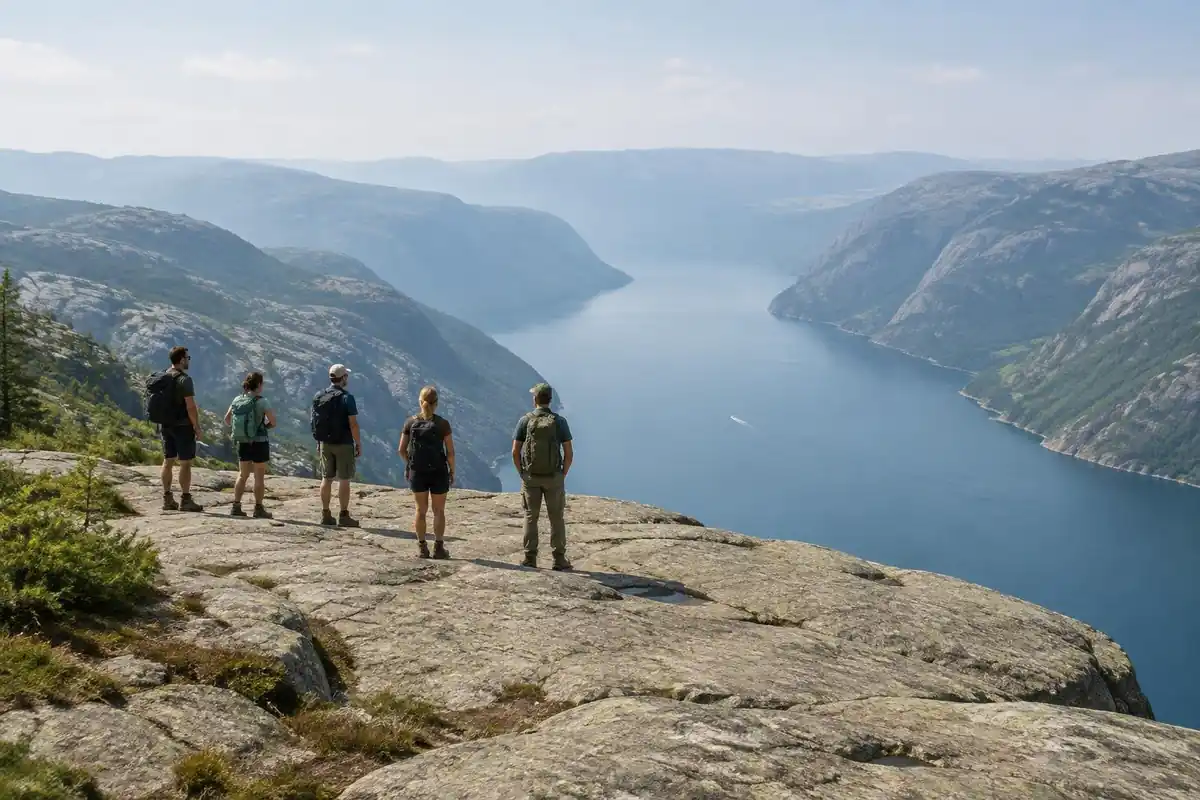
The appeal is simple: a wide, level rock platform with nothing but air and fjord on three sides, and a view down the Lysefjord that changes by the hour as cloud and light move through the valley. The trail climbs steadily through birch woods and open rock slabs, with the fjord dropping further below at each rise, so the payoff builds gradually instead of arriving all at once. Reach the platform early and you can have a stretch of that edge to yourself before the midday crowds arrive; reach it at the end of the day and the low sun turns the water below gold. It's not a technical climb, just a sustained, well-marked ascent that rewards an early start and a clear day.
Getting there
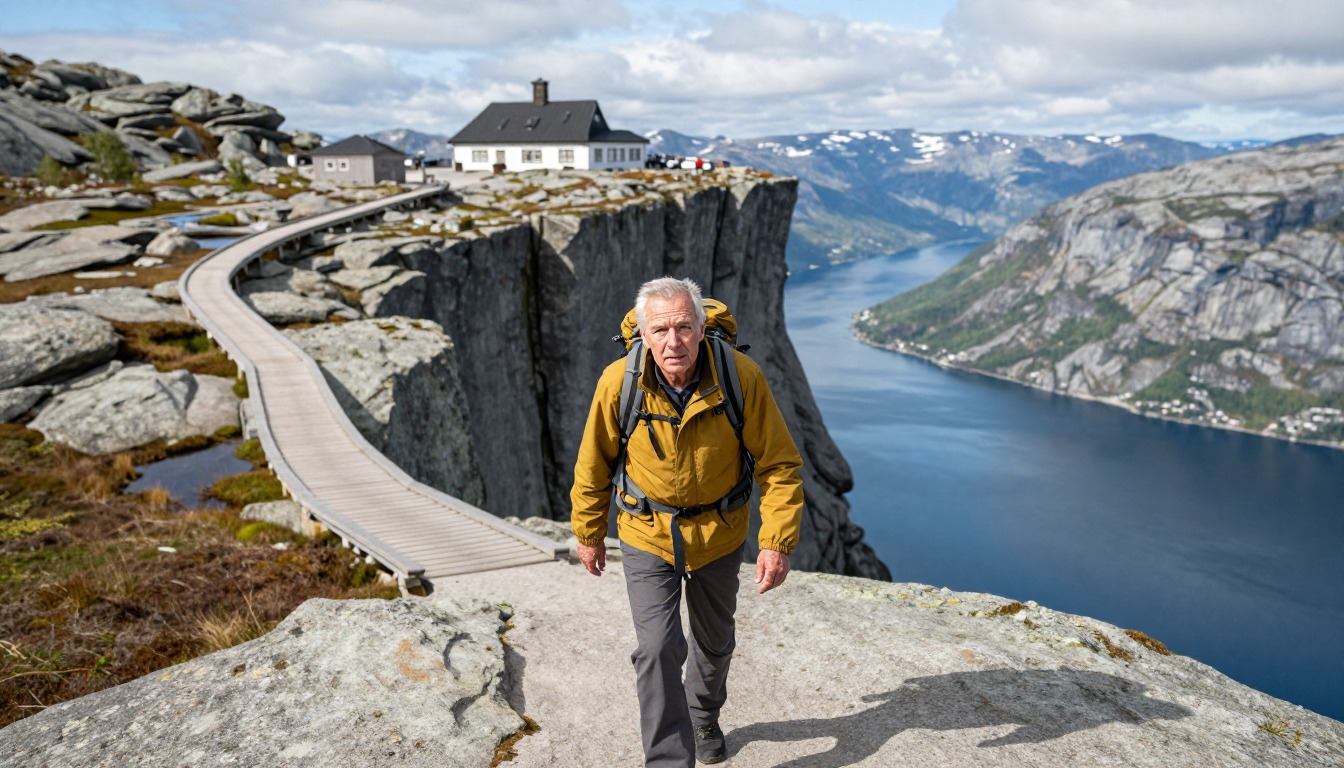
Most hikers fly into Stavanger, the regional hub for this part of Norway's western coast, then connect onward by ferry and bus to reach the trailhead. From Stavanger, a ferry crossing links you to the Ryfylke side of the fjord, where a local bus continues to the parking area and trailhead base — the same spot where the mountain lodge and cabins sit, which makes an early start easier if you stay there the night before. Staying in Stavanger instead means building the ferry-and-bus transfer time into your morning, so check the connection schedule the day before you hike.
Where to stay
The realistic options, closest-to-the-trail first. Book through the official links — we don't list prices or availability because they change all the time.
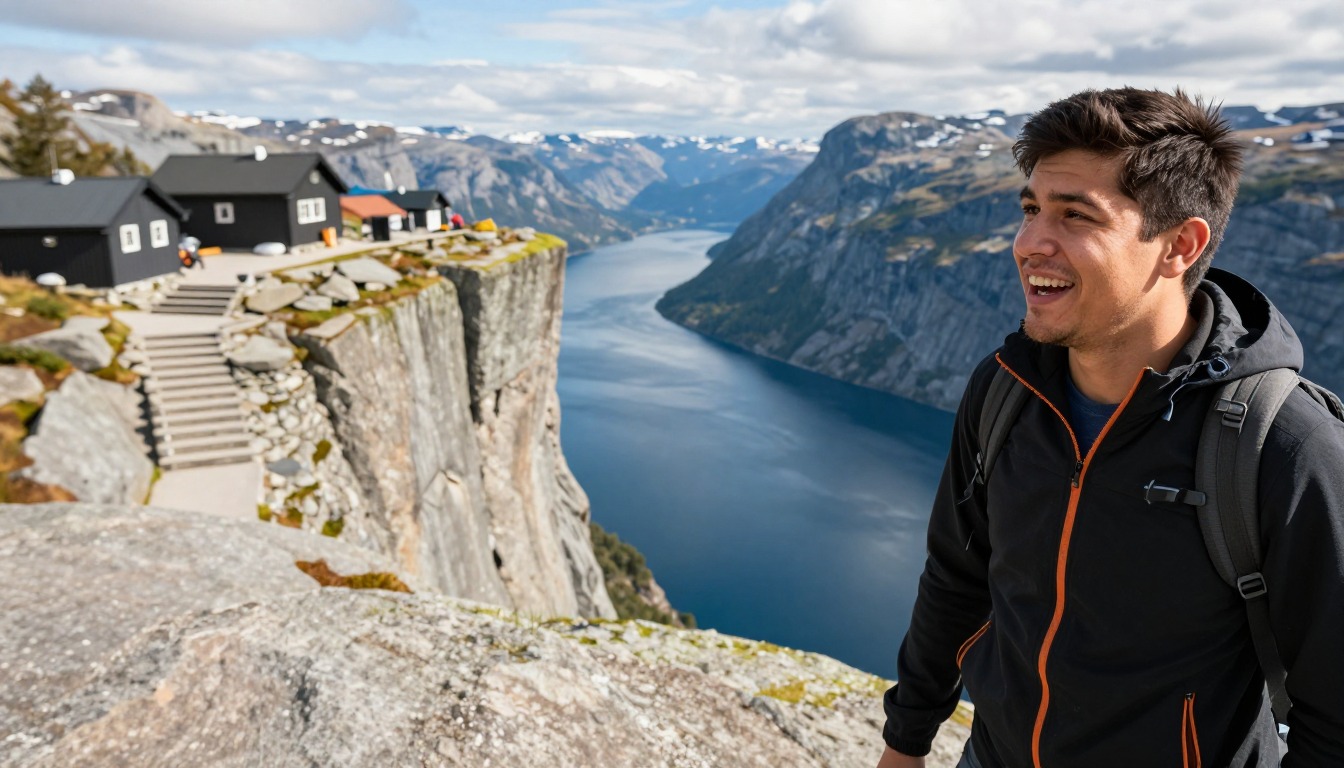
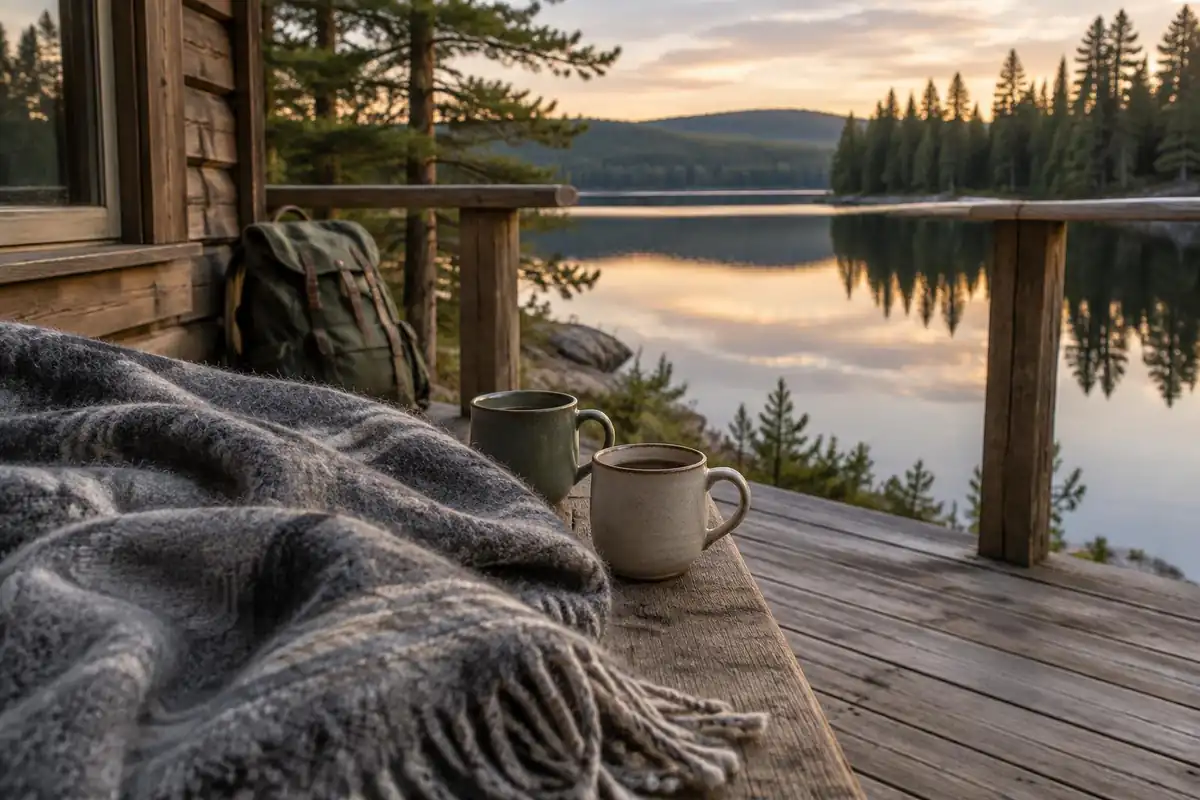
For example: A lodge and cabins at the trailhead base near the parking area
Hikers wanting an early start before the crowds arrive.
Staying at the base lets you beat the mid-day rush to the rock.
Trailhead lodging (official info)For example: Hotels, hostels and rentals in and around Stavanger
Most visitors — reached by ferry and bus to the trailhead.
Stavanger is the regional base; the trailhead is a ferry-plus-bus trip away.
Nearby-city lodging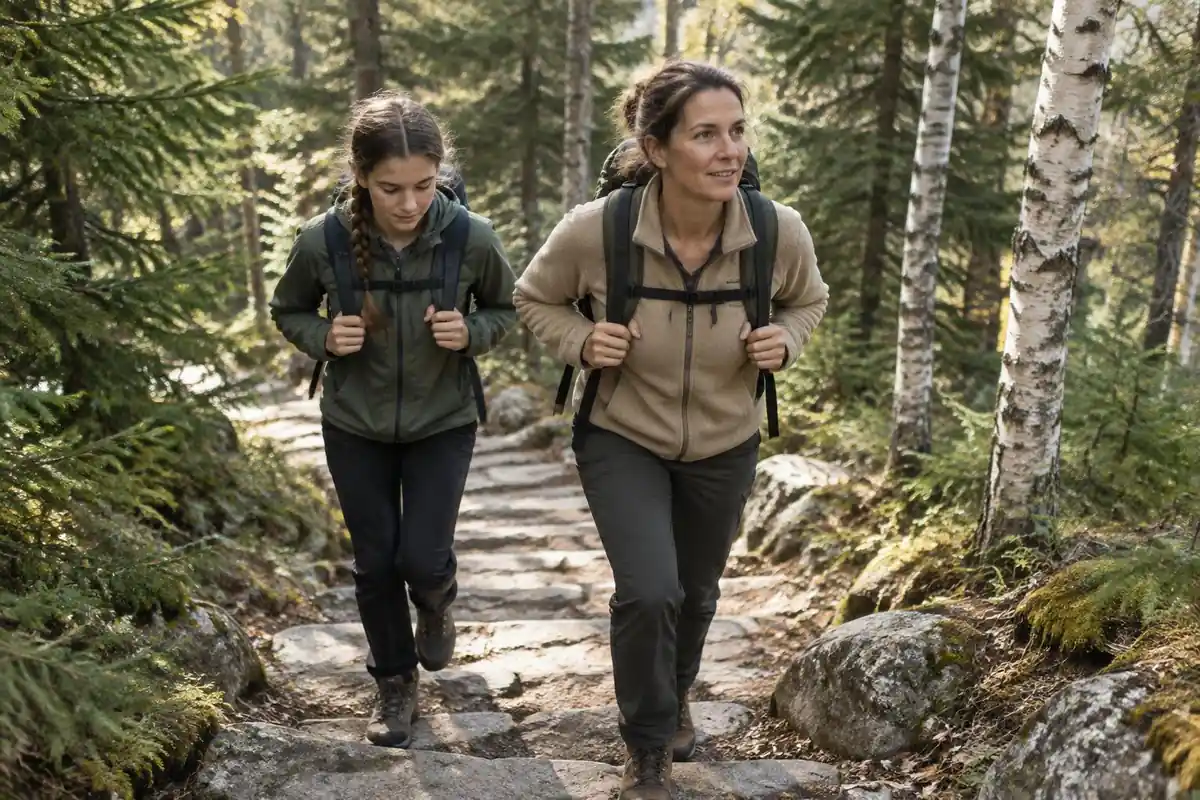
Permits & rules
No permit is needed. The cliff edge has no railings and a huge drop — keep well back, especially in wind or wet, and start early to avoid the busiest hours on the narrow path.
Gear you'll want for this trip
Matched to the terrain and conditions here. Real products — check current price on Amazon.


Trailhead lodging versus the city: a question of hours
This page describes two bases: a lodge and cabins at the trailhead parking area, and hotels, hostels and rentals in Stavanger reached by ferry and bus. Beds, timetables and booking rules change, so confirm them with the lodge and the transport operators before you commit.
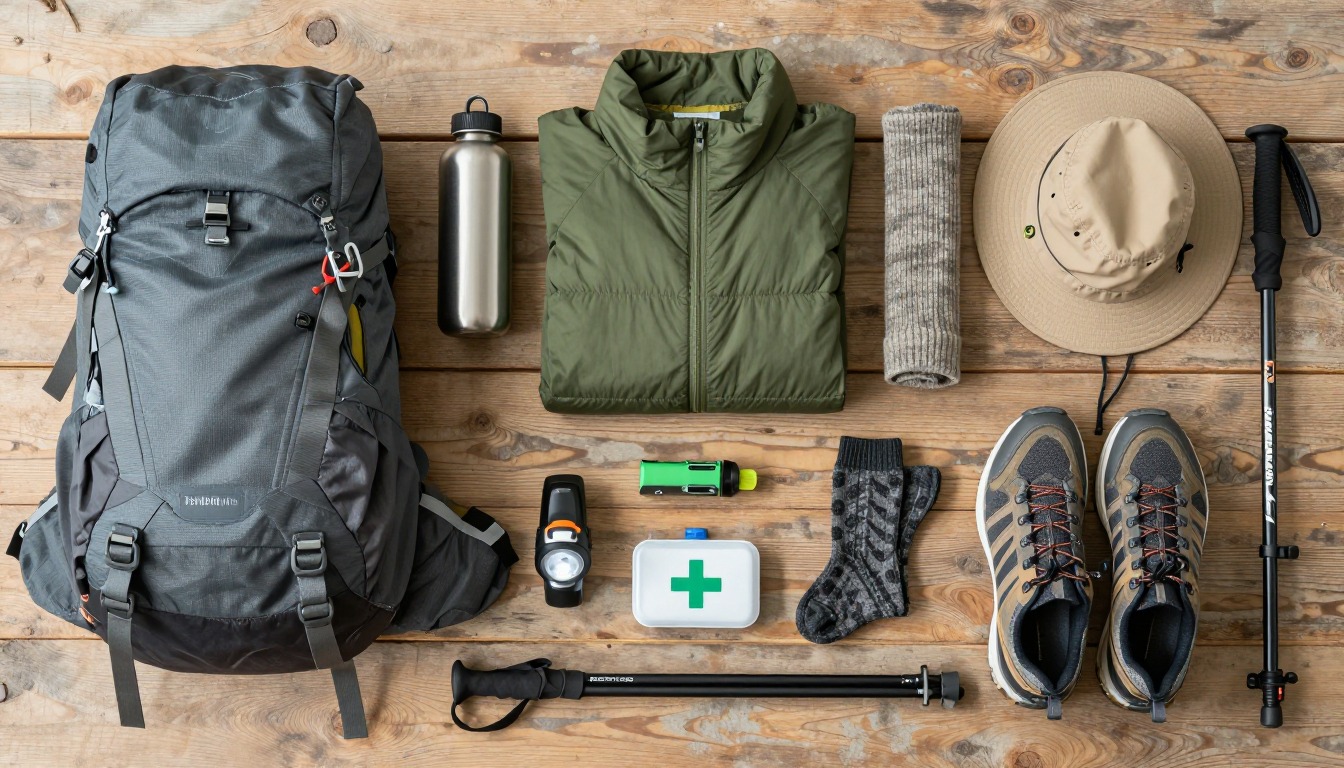
What the choice does is predictable, whatever the timetable. Staying at the trailhead gives you the most walking hours in a day. Staying in the city trades some of those hours for choice and comfort. The US National Park Service advises setting a turnaround time and sticking to it, and planning for uphill sections to take at least double the downhill time.1 A later start pushes the whole hike toward late afternoon, so a headlamp is worth carrying; the National Park Service recommends headlamps because they are hands-free.4
Booking without a permit system
Some guides say no permit or timed entry is needed, so the scarce resources are beds near the start and seats on transport. That is a different problem from a permit lottery. There is no fixed date on which slots open, so the sensible habit is to book lodging first, then plan each transfer around the times you can confirm.
Leaving a plan with someone is part of this. The National Park Service advises leaving a trip plan with a trusted person who is not on the trip, and warns against relying on a cell phone for emergencies.1 Search and rescue can take hours or days depending on weather and resources, and a whistle helps rescuers find you.5 If you sleep in a city and commute to the trailhead, tell someone at your lodging when you expect to be back.
Packing for a day, not for a stay
Washington Trails Association puts a full-day hike at 25 to 30 liters and a one- or two-night trip at 45 to 50 liters.2 Because this is a day trip from a bed, the smaller pack is the right one, and heavy items such as water and food belong close to your back, about two-thirds of the way up.6
Weather can turn a warm start cold and wet, and the Centers for Disease Control and Prevention notes that hypothermia can develop above 40°F when you are chilled by rain or sweat.3 Its Yellow Book adds that in cool conditions the priority is staying dry by layering and changing damp clothing quickly.7 Whichever base you choose, the platform at the top has no railings according to the page, so plan for wind and wet rock and confirm any current rules with the local land manager before you go.
Common questions
Do I need to book a permit to hike Preikestolen?
The sources we checked do not describe a permit or timed-entry booking for Preikestolen. The logistics worth planning ahead are lodging and transport instead: beds at the trailhead base are limited, and ferry-and-bus connections from Stavanger run on a schedule rather than continuously.
Is Pulpit Rock hiking dangerous?
The trail itself is a straightforward, well-marked ascent, but the platform at the top is an unprotected edge with a sheer drop to the fjord below. Stay well back from the edge, especially in wind or wet conditions, and treat the rock as slippery whenever it's recently rained.
Where should I stay the night before hiking Preikestolen?
You have two realistic bases: the mountain lodge and cabins right at the trailhead parking area, which suit an early, less crowded start, or a hotel, hostel, or rental in Stavanger, reached by ferry and bus the next morning. Either works — it's a trade-off between convenience and choice.
Complete gearsets for this trip
Full curated kits built for exactly this kind of hike — what to bring, why, and links to similar gear.
Lodging details are compiled from official parks, refuge associations and reservation systems and can change without notice. We publish no prices, availability or ratings — always confirm current information on the official site before booking or setting out. Product links and the accommodation map are affiliate links: we may earn a commission at no extra cost to you; product prices and availability are shown on Amazon, and accommodation prices on the booking site. See our affiliate disclosure.