
Best Time to Hike Kallur Lighthouse — Kalsoy
The best time to hike Kallur Lighthouse is May to September, according to the official season guidance, which cites the best daylight and ferry service. Long days of up to about 19 hours and lower rainfall in late spring make the clifftop walk easier to plan, but check current ferry times and access rules first.
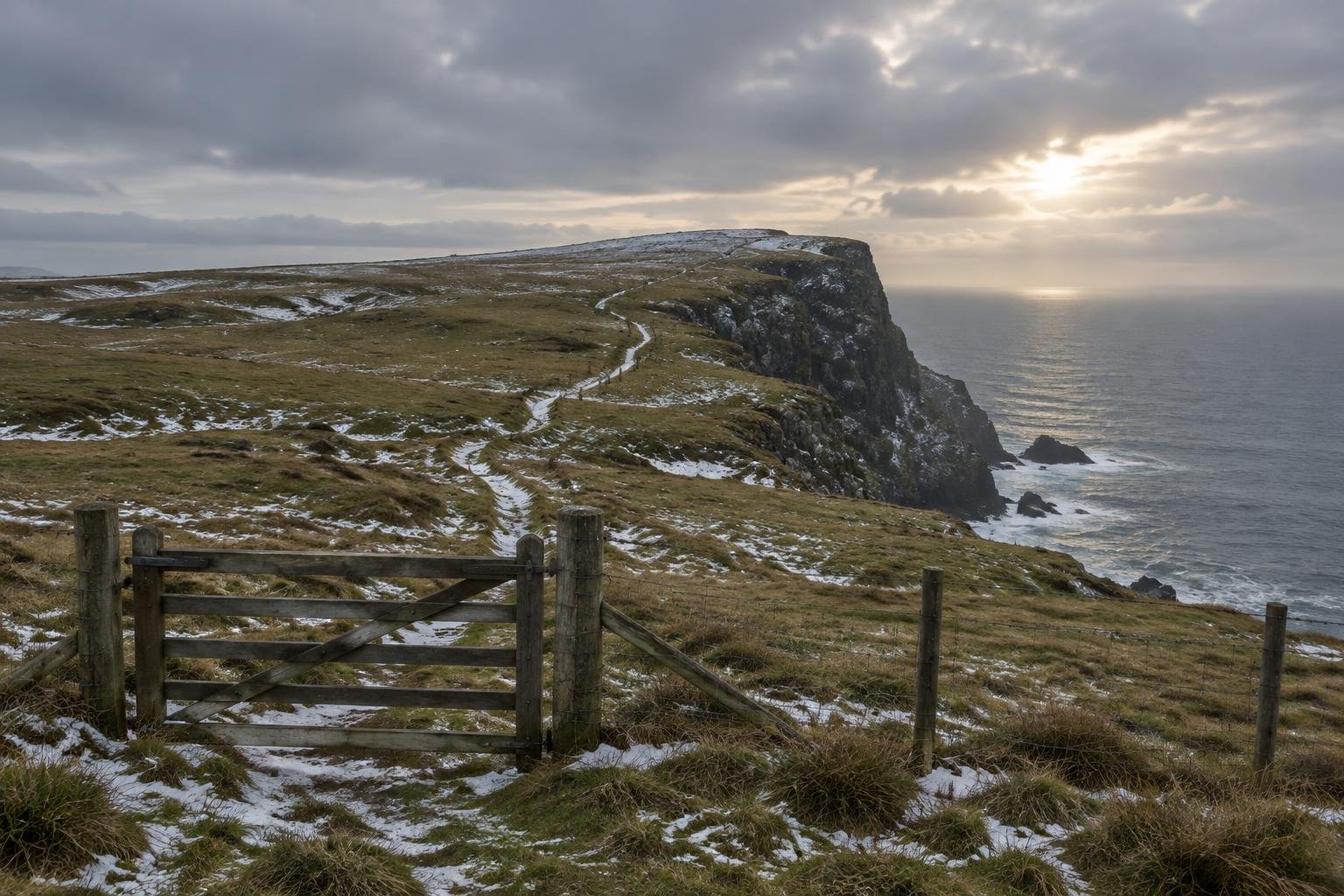
Month-by-month climate for Kallur Lighthouse — Kalsoy
| Month | Rain | Daylight |
|---|---|---|
| Jan | 104 mm | 5.6 h |
| Feb | 98 mm | 8.4 h |
| Mar | 86 mm | 11.3 h |
| Apr | 70 mm | 14.5 h |
| May | 65 mm | 17.4 h |
| Jun | 66 mm | 19.4 h |
| Jul | 76 mm | 18.5 h |
| Aug | 76 mm | 15.7 h |
| Sep | 101 mm | 12.6 h |
| Oct | 107 mm | 9.5 h |
| Nov | 97 mm | 6.5 h |
| Dec | 132 mm | 4.6 h |
Modelled regional averages for 2010–2023 (rainfall) and calculated daylight hours; they describe the wider area, not a reading taken on the trail. Temperature changes little from month to month here, so we don’t chart it. Altitude, not season, drives how cold it feels on the route, so check the managing authority’s guidance for the section you plan to walk.
The modelled numbers show a clear daylight swing, from about 4.6 hours in December to roughly 19.4 hours in June. Rainfall is lowest in May and June (about 65 and 66 mm) and builds through autumn, reaching about 101 mm in September, 107 mm in October and 132 mm in December. January is also wet at about 104 mm. Because warmthShown is false here, month-by-month warmth is not discussed: temperature barely changes by month in this modelled data, so wind, wet ground and exposure on the clifftops matter more than the calendar. These are regional averages, not trail measurements.
Kallur Lighthouse — Kalsoy season by season
Winter · December to February
These months bring the shortest days, from about 4.6 hours of daylight in December to about 8.4 hours in February, and some of the highest typical rainfall, around 98 to 132 mm. Slippery clifftops and a short daylight window make this a hard time for an unfenced coastal walk. This is also outside the official May to September season guidance, so ferry service and access arrangements may differ. Confirm everything with the local authorities before planning.
Spring · March to May
Daylight grows quickly, from about 11.3 hours in March to roughly 17.4 hours in May, while typical rainfall eases from about 86 mm to 65 mm. May falls inside the official season guidance and is among the drier months in the modelled data. March and April sit before the recommended window, so ferry service and conditions may be less predictable. Check the current Kalsoy ferry timetable and any landowner access rules before you travel.
Summer · June to August
This is the core of the recommended season. Daylight peaks at about 19.4 hours in June and stays long through August at about 15.7 hours, giving plenty of time for a short but dramatic clifftop walk and flexibility around ferry times. Rainfall is typically about 66 to 76 mm a month, lower than most of the year but still present. The clifftops are unfenced and slippery when wet, so rain still changes how careful you need to be.
Autumn · September to November
September is the last month of the official season guidance, with about 12.6 hours of daylight, though modelled rainfall rises to roughly 101 mm. By October and November, daylight falls to about 9.5 and 6.5 hours and typical rainfall stays high at about 107 and 97 mm. Wet ground on unfenced clifftops is a real concern. Outside September, you are beyond the recommended window, so verify ferry service and access with the managing authority first.
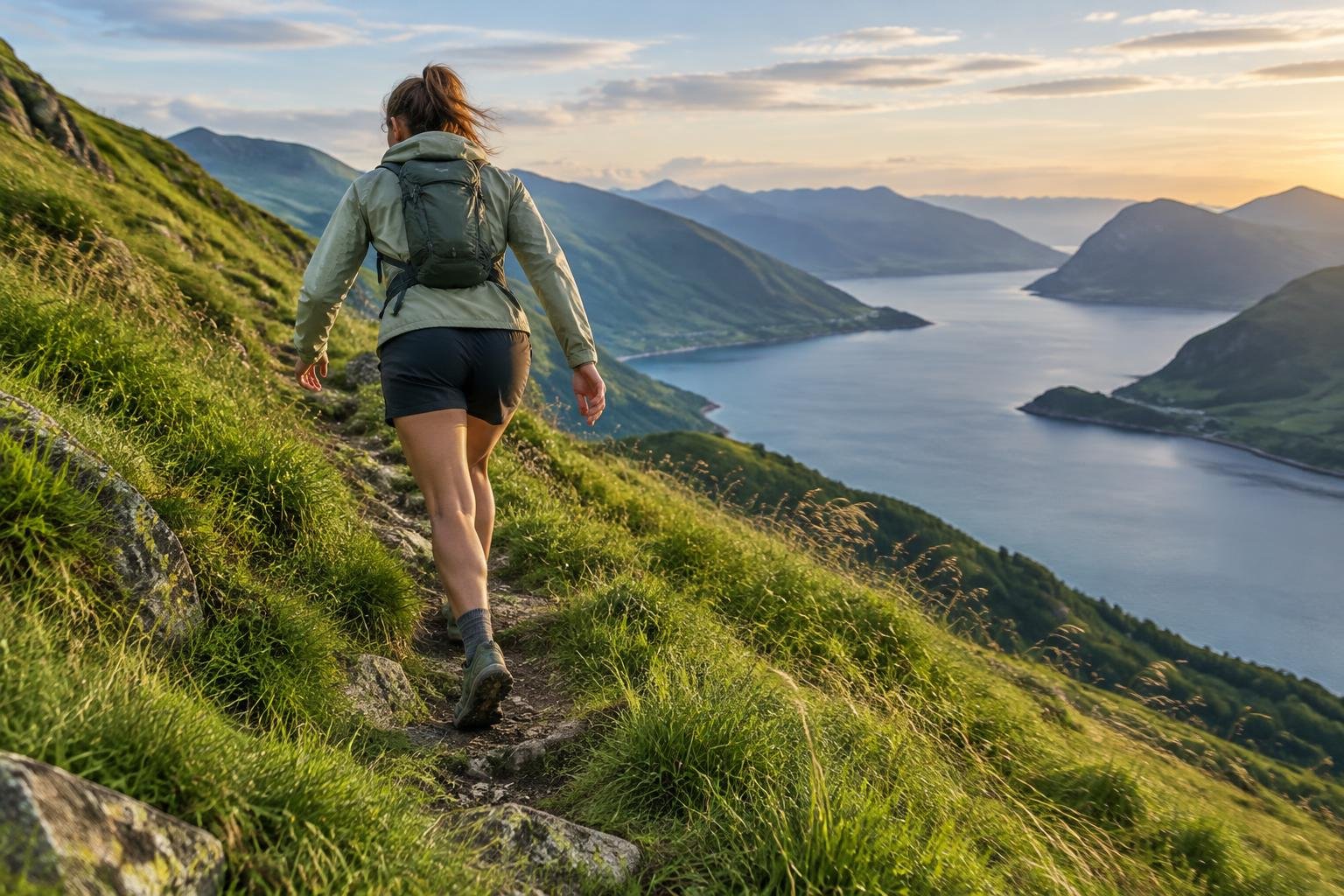
Official season guidance
Local landowners & municipality: May to September for the best daylight and ferry service
No permit is required, though access arrangements and any landowner fee for the Kallur hike can change — check current rules and the Kalsoy ferry timetable before you go. The clifftops are unfenced and slippery when wet.
Check current dates on visitfaroeislands.com (Visit Faroe Islands, national tourist board)What to pack for the season
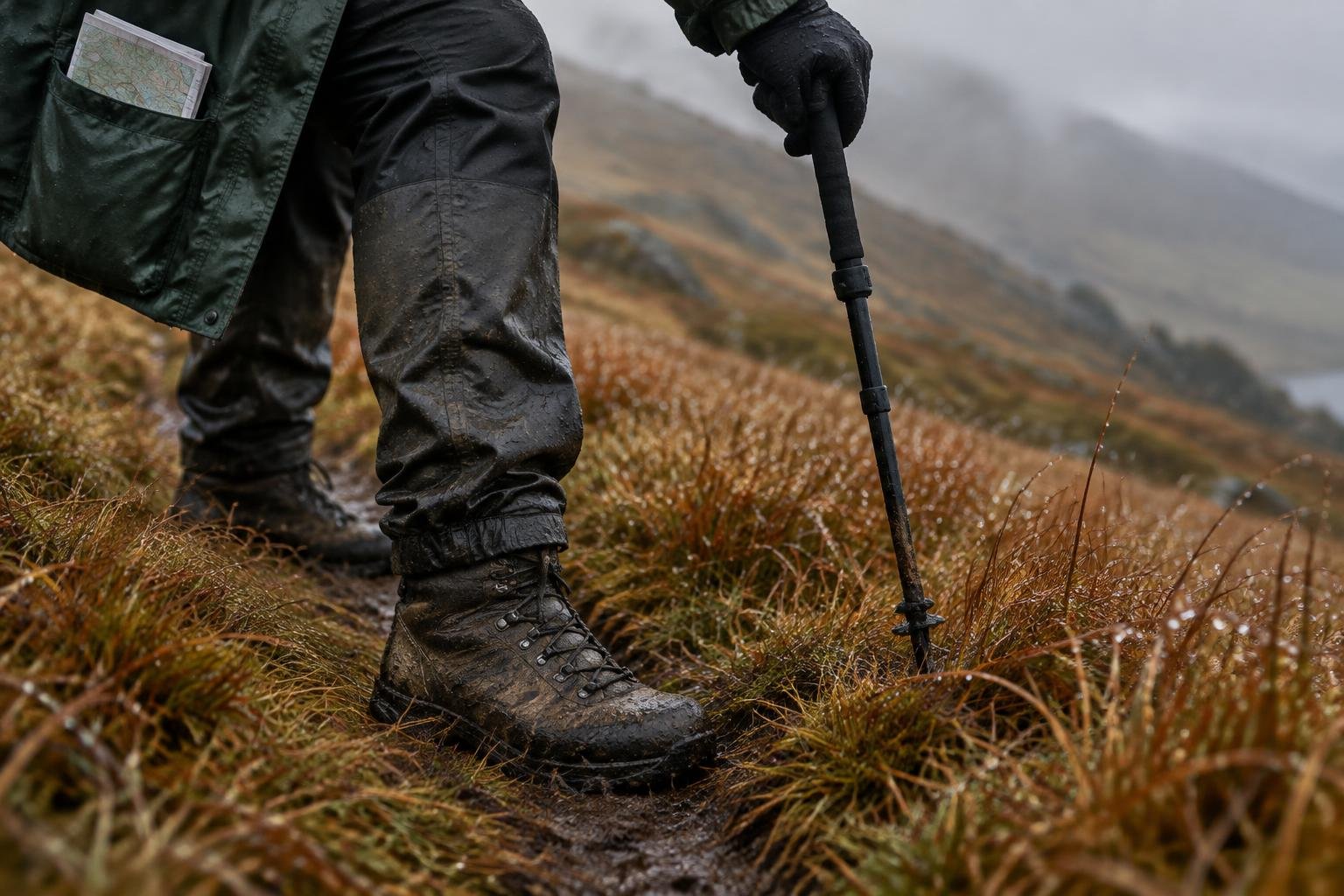
Pack for changeable, wet conditions in any month: waterproof outer layers, a warm layer you can add or remove, and footwear with good grip for slippery ground. In the shorter-daylight months carry a headlamp and plan to finish well before dark. In summer, still bring sun protection for long days. Keep essentials dry and easy to reach.
For layering, rain cover and weather planning, see hiking in rain, heat and cold.
Timing mistakes to avoid
A common mistake is choosing a date without checking the Kalsoy ferry timetable, since the official season guidance ties the May to September window to ferry service. Another is treating a dry-looking month as a guarantee: rainfall figures are averages, and the clifftops are unfenced and slippery when wet. Do not assume access or any landowner fee is unchanged year to year; the permits text says arrangements can change, so confirm current rules before you go.
Common questions
When is the best time to hike Kallur Lighthouse?
The official season guidance points to May to September for the best daylight and ferry service. Within that window, May and June have the lowest modelled rainfall and June has the longest days, at about 19.4 hours. Always check the current ferry timetable and access rules before you go.
Is the Kallur Lighthouse walk possible in winter?
Winter is outside the recommended May to September window. Daylight drops to about 4.6 hours in December and typical rainfall is high, about 98 to 132 mm a month in the winter months. Ferry service and access arrangements may differ, so confirm everything with the local authorities before considering a winter trip.
How much daylight can I expect for the hike?
Modelled daylight ranges from about 4.6 hours in December to about 19.4 hours in June. In May through August you typically have more than 15 hours, which gives a comfortable margin for ferry connections and a short clifftop walk. In late autumn and winter, the window is much tighter.
Does it rain less in summer at Kallur?
Somewhat. Modelled monthly rainfall is about 65 to 76 mm from May to August, compared with roughly 100 mm or more from September through January. These are regional averages, not measurements at the trail, and the clifftops are unfenced and slippery when wet, so expect to take care even in the drier months.
Sources
- Local landowners & municipality — visitfaroeislands.com (Visit Faroe Islands, national tourist board): official season and permit guidance.
- NASA POWER (Prediction Of Worldwide Energy Resources): monthly temperature and rainfall averages, 2010–2023, from MERRA-2 reanalysis. Daylight hours are calculated from latitude.
Conditions, closures and permit rules change without notice — confirm current information with the managing authority before you go. See our editorial policy and affiliate disclosure.