
Best Time to Hike Havasu Falls — Havasupai
The best time to hike Havasu Falls is spring and fall, according to the official season guidance. Summer is very hot and carries flash-flood risk. The modelled data supports this: April, May and October are mild and relatively dry, with 11 to 28 mm of rain a month.
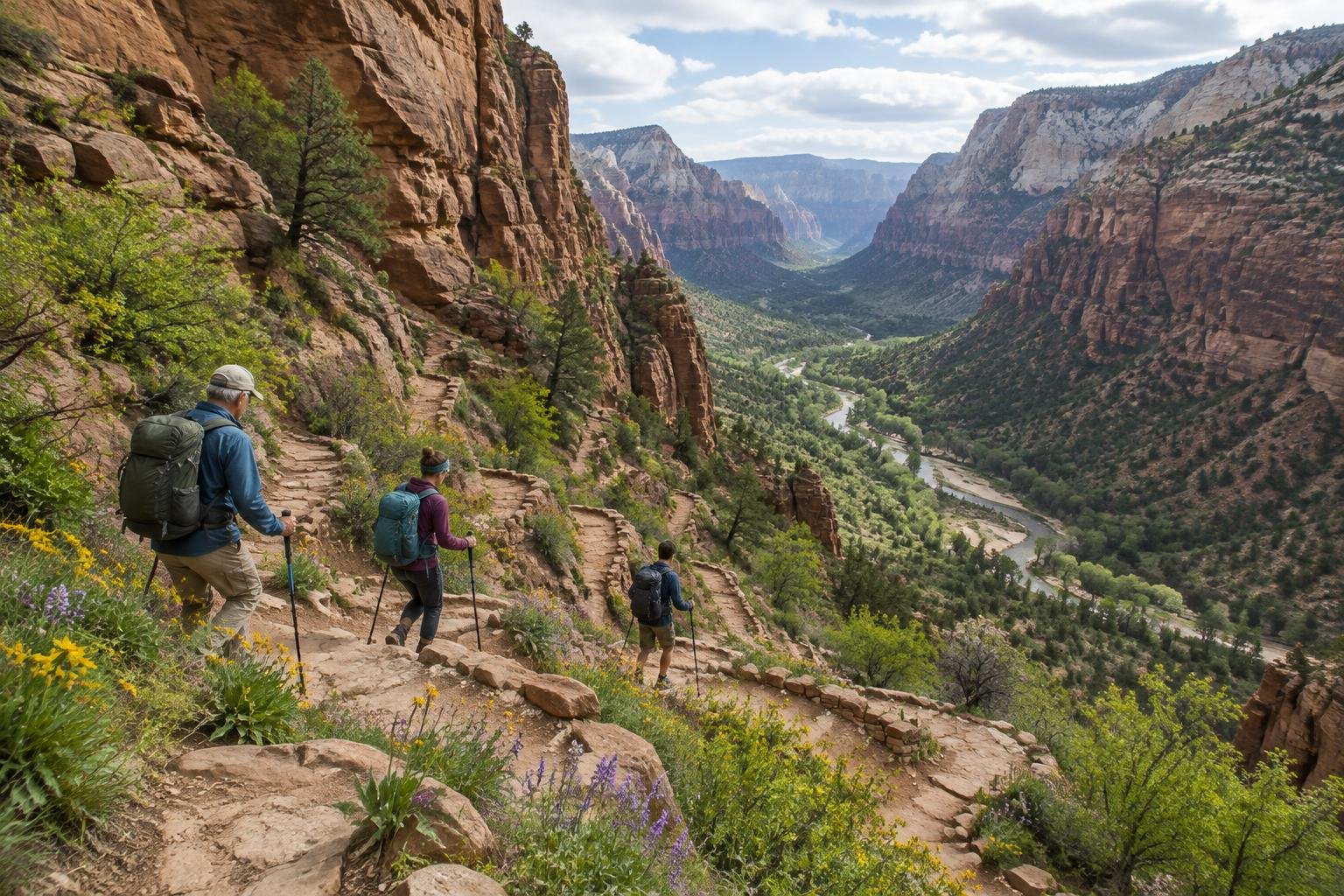
Month-by-month climate for Havasu Falls — Havasupai
| Month | Relative warmth | Rain | Daylight |
|---|---|---|---|
| Jan | Coldest | 29 mm | 9.8 h |
| Feb | Coldest | 25 mm | 10.7 h |
| Mar | Cool | 28 mm | 11.7 h |
| Apr | Mild | 11 mm | 12.9 h |
| May | Mild | 13 mm | 13.9 h |
| Jun | Warmest | 6 mm | 14.5 h |
| Jul | Warmest | 46 mm | 14.2 h |
| Aug | Warmest | 48 mm | 13.4 h |
| Sep | Warm | 31 mm | 12.2 h |
| Oct | Mild | 28 mm | 11.1 h |
| Nov | Cool | 15 mm | 10 h |
| Dec | Coldest | 25 mm | 9.5 h |
Modelled regional averages for 2010–2023 (rainfall) and calculated daylight hours; they describe the wider area, not a reading taken on the trail. “Relative warmth” compares each month with the warmest and coldest months of this place’s own year. It is not a temperature, and the high parts of a route are colder than the region around them.
Rainfall at Havasu Falls follows two peaks. July and August are the wettest months, at roughly 46 and 48 mm, which fits the flash-flood warning in the official guidance. Winter brings 25 to 29 mm a month. April, May and June are the driest, at 11, 13 and 6 mm. June, July and August are the warmest months of the year here, while December through February are the coldest. Daylight swings from about 9.5 hours in December to 14.5 hours in June.
Havasu Falls — Havasupai season by season
Spring · March to May
Spring is the window the official season guidance recommends. March is still cool and gets about 28 mm of rain, but April and May turn mild and drier, at roughly 11 and 13 mm. Daylight grows from about 11.7 hours in March to nearly 14 hours in May, which gives you comfortable time on the 10-mile hike to the falls. Because the trip is overnight only, longer days make arrival and departure easier to plan.
Summer · June to August
Summer is when the official guidance warns of very hot conditions and flash-flood risk. These are the warmest months of the year here, and July and August are also the wettest, at about 46 and 48 mm on average. June is far drier at around 6 mm, but it is still the start of the hottest stretch. Daylight is long, up to about 14.5 hours, though that doesn't offset the heat. Check with the Havasupai Tribe before committing to a summer date.
Fall · September to November
Fall is the other recommended season. September is still warm and gets about 31 mm of rain, so some of the summer pattern lingers. By October conditions turn mild, with about 28 mm of rain and roughly 11 hours of daylight. November cools down and gets drier at around 15 mm, but daylight shrinks to about 10 hours. Plan your hiking hours around the shorter days, and carry a headlamp in case you finish later than expected.
Winter · December to February
Winter holds the coldest months of the year at Havasu Falls, and the shortest days, from about 9.5 hours of daylight in December to 10.7 in February. Rainfall stays modest, at roughly 25 to 29 mm a month. The official season guidance names only spring and fall as the best times, so winter is outside that recommended window. If you consider a winter trip, confirm current conditions and access directly with the Havasupai Tribe, and plan carefully around the limited daylight.
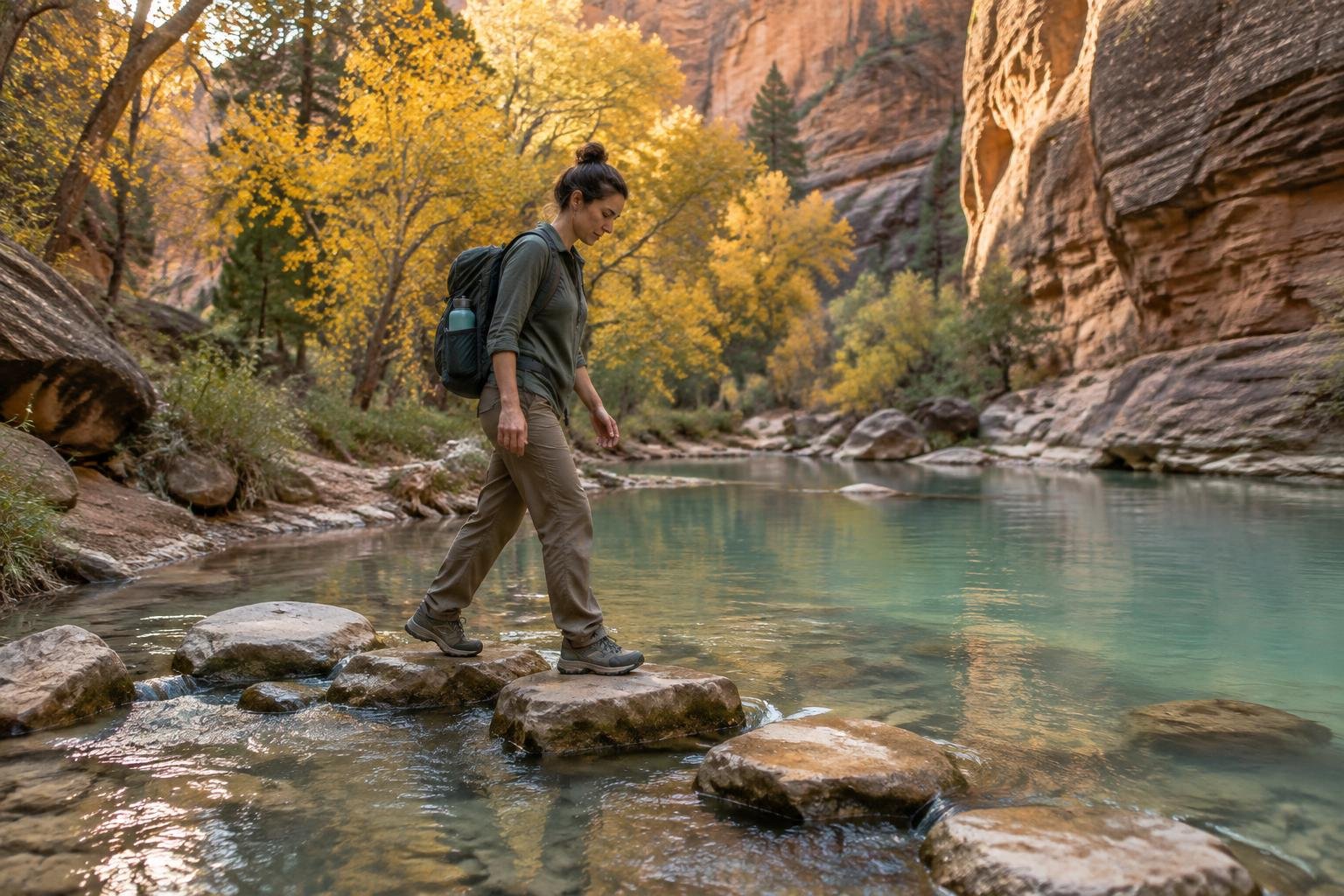
Official season guidance
Havasupai Tribe (sovereign nation): Spring and fall; summer is very hot with flash-flood risk
Access is by tribal reservation only — no day permits, no walk-ins. Buy directly from the tribe’s official site; third-party resellers are not authorized. Respect that this is a living community, not a park.
Check current dates on havasupaireservations.comWhat to pack for the season
Packing should follow the season you choose. Spring and fall call for layers that handle cooler mornings and warmer afternoons. Summer demands strong sun protection and extra water planning for the heat. In the wetter months, carry reliable rain cover. In every season, bring a headlamp, because short winter and late-fall days can leave little margin on a 10-mile hike.
For layering, rain cover and weather planning, see hiking in rain, heat and cold.
Timing mistakes to avoid
The biggest mistake is picking a date by month alone. This is an overnight-only trip, and access is by tribal reservation only, with no day permits and no walk-ins, so your dates are set when you buy directly from the Havasupai Tribe's official site. Another error is booking a summer slot without weighing the official warning about very hot conditions and flash-flood risk. Also don't treat the wettest months, July and August, as just another hot stretch. Finally, never rely on third-party resellers, which the tribe does not authorize.
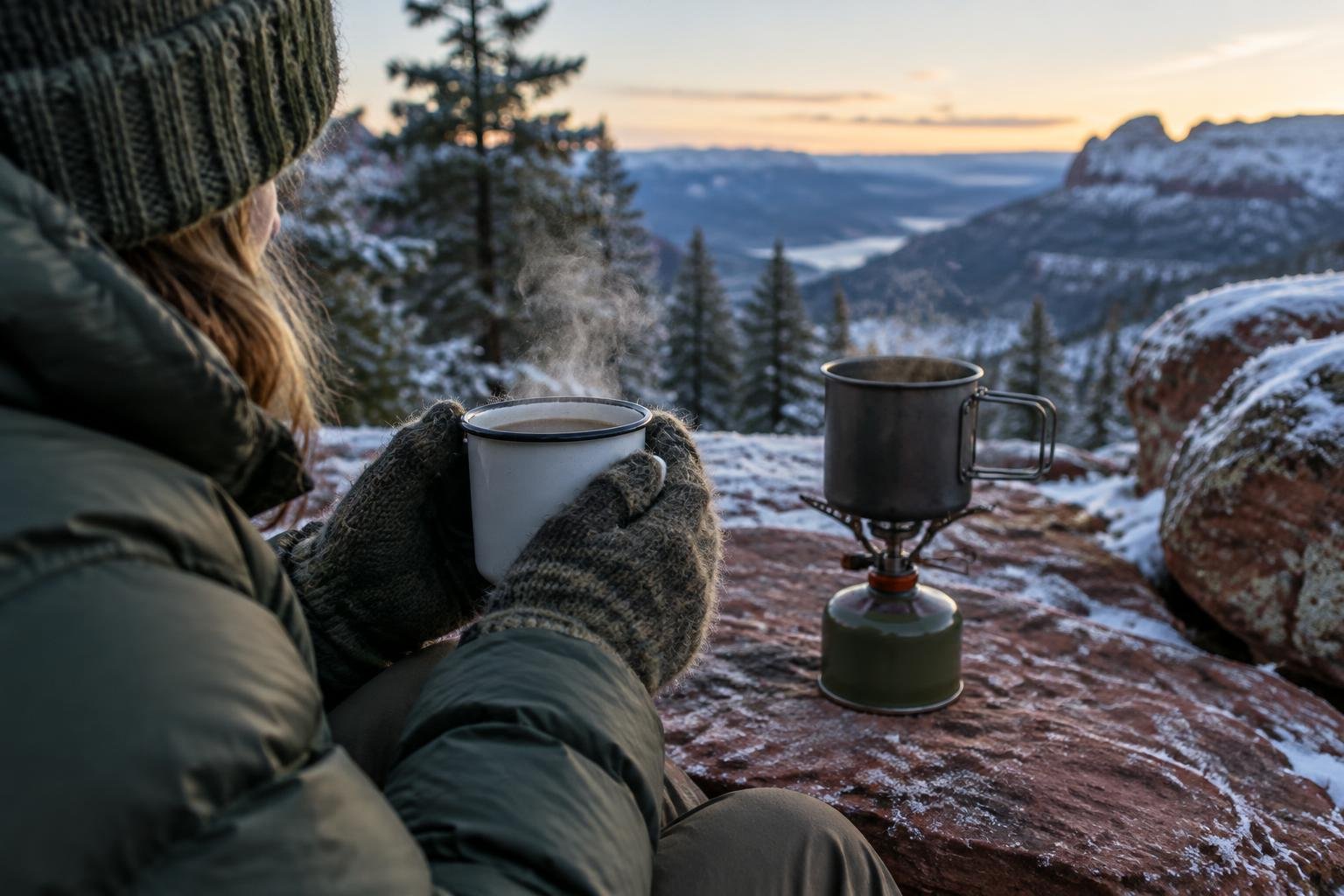
Common questions
What is the best month to hike Havasu Falls?
The official season guidance points to spring and fall rather than a single month. The modelled data supports April, May and October as mild months with modest rainfall, at roughly 11 to 28 mm. Your actual date depends on what the Havasupai Tribe makes available, so check their official site.
Is summer a bad time to hike Havasu Falls?
The official guidance says summer is very hot and carries flash-flood risk. June to August are the warmest months here, and July and August are also the wettest, at about 46 and 48 mm on average. Confirm conditions with the Havasupai Tribe before planning a summer trip.
Does winter work for hiking Havasu Falls?
Winter is outside the recommended spring and fall window. December to February are the coldest months of this place's year, with about 25 to 29 mm of rain a month and only 9.5 to 10.7 hours of daylight. Check current conditions and access with the Havasupai Tribe first.
How much daylight will I have on the hike?
Daylight ranges from about 9.5 hours in December to 14.5 hours in June. In spring and fall you typically get roughly 11 to 14 hours, which helps with the 10-mile hike to the falls. Shorter days mean carrying a headlamp and planning your pace carefully.
Sources
- Havasupai Tribe (sovereign nation) — havasupaireservations.com: official season and permit guidance.
- NASA POWER (Prediction Of Worldwide Energy Resources): monthly temperature and rainfall averages, 2010–2023, from MERRA-2 reanalysis. Daylight hours are calculated from latitude.
Conditions, closures and permit rules change without notice — confirm current information with the managing authority before you go. See our editorial policy and affiliate disclosure.