
Plitvice Lakes vs Triglav: Which Should You Hike?
Choose Plitvice Lakes if you want a day of walking on boardwalks past waterfalls, with routes you can scale from a few hours to most of a day. Choose Triglav if you are an experienced, fit hiker ready for a two-day hut-based climb with protected scrambling and exposure near the summit.
Plitvice Lakes and Triglav at a glance
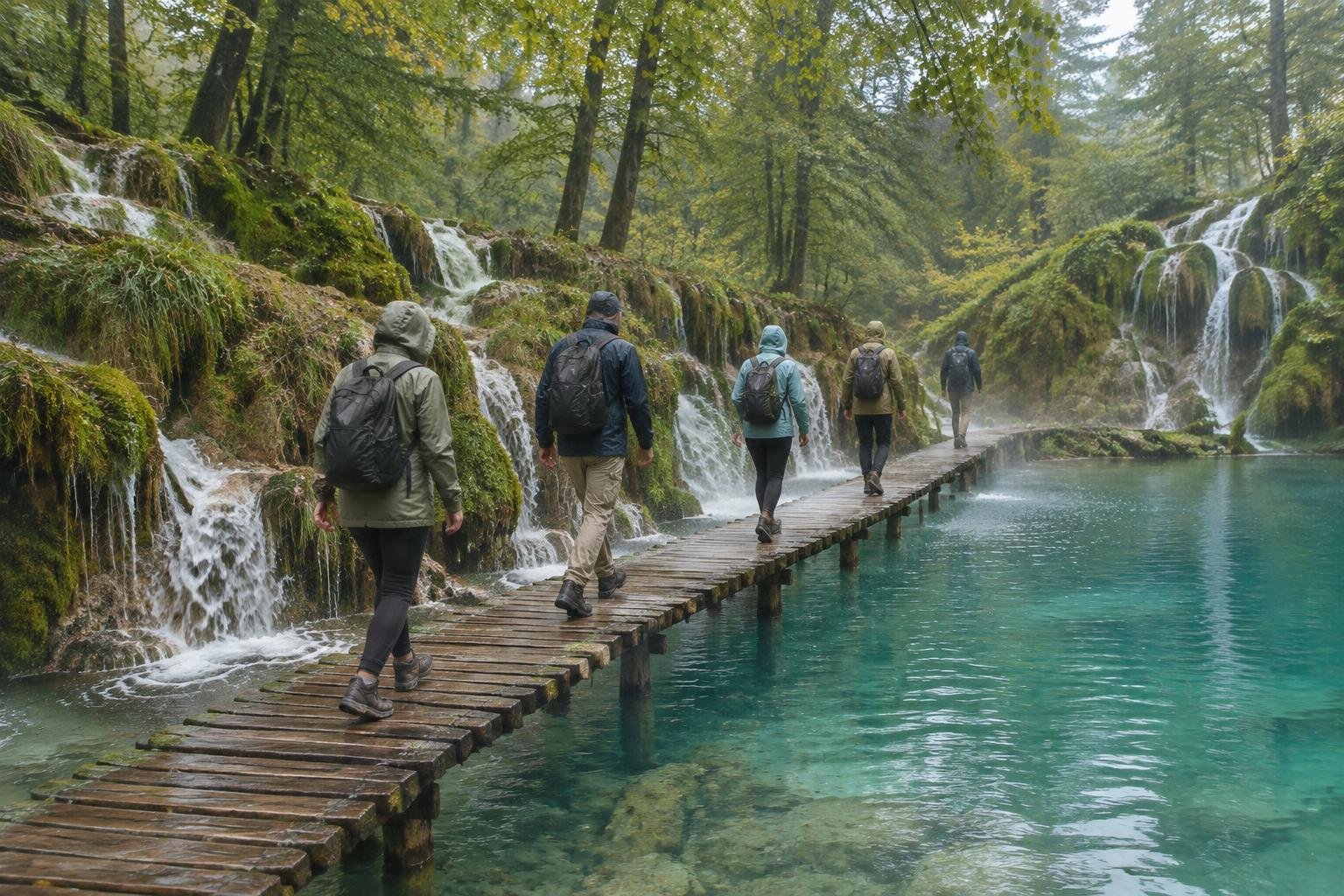
Plitvice Lakes is a set of loop routes in Croatia's Lika region, built around terraced lakes, boardwalks and waterfalls. Triglav is a hut-based ascent in Slovenia's Julian Alps, ending on an exposed summit ridge. Travelers in this part of Europe often weigh them because both are national park highlights, yet they ask for very different things.
| Plitvice Lakes | Triglav | |
|---|---|---|
| Place | Lika · Croatia | Julian Alps · Slovenia |
| Distance | Official park routes are all loops ranging 3.5-17.5 km: Program A 3.5 km, B 4 km, C 8 km, E 5.1 km, F 4.6 km, H 8.9 km, K1 16.5 km, K2 17.5 km. The longest/most complete circuit (Program K) is the closest to a single signature 'hike' | ~12 km one-way via the classic Vrata Valley route (from Aljazev dom trailhead to the summit) |
| Elevation gain | Not published by the official park site. Boardwalks and paths between the terraced lakes involve only modest cumulative elevation change; a third-party estimate for the longest route (Program K) is roughly 300-400 m, but this is unverified against an official figure | ~1,600 m |
| Difficulty | Easy to moderate for Programs A/B/E/F; moderate for C/H; the K routes are the park's own most-strenuous rating, taking 6-8 hours | Strenuous/difficult (includes via ferrata-assisted scrambling and exposure on the final approach to the summit) |
| Route type | loop | out-and-back (typically a 2-day hut-based ascent, overnighting at Triglavski dom na Kredarici near the summit before summiting and descending) |
| Official season | Spring to fall; book tickets ahead in summer | July to September |
| Managed by | Plitvice Lakes National Park | Triglav National Park |
Effort and difficulty
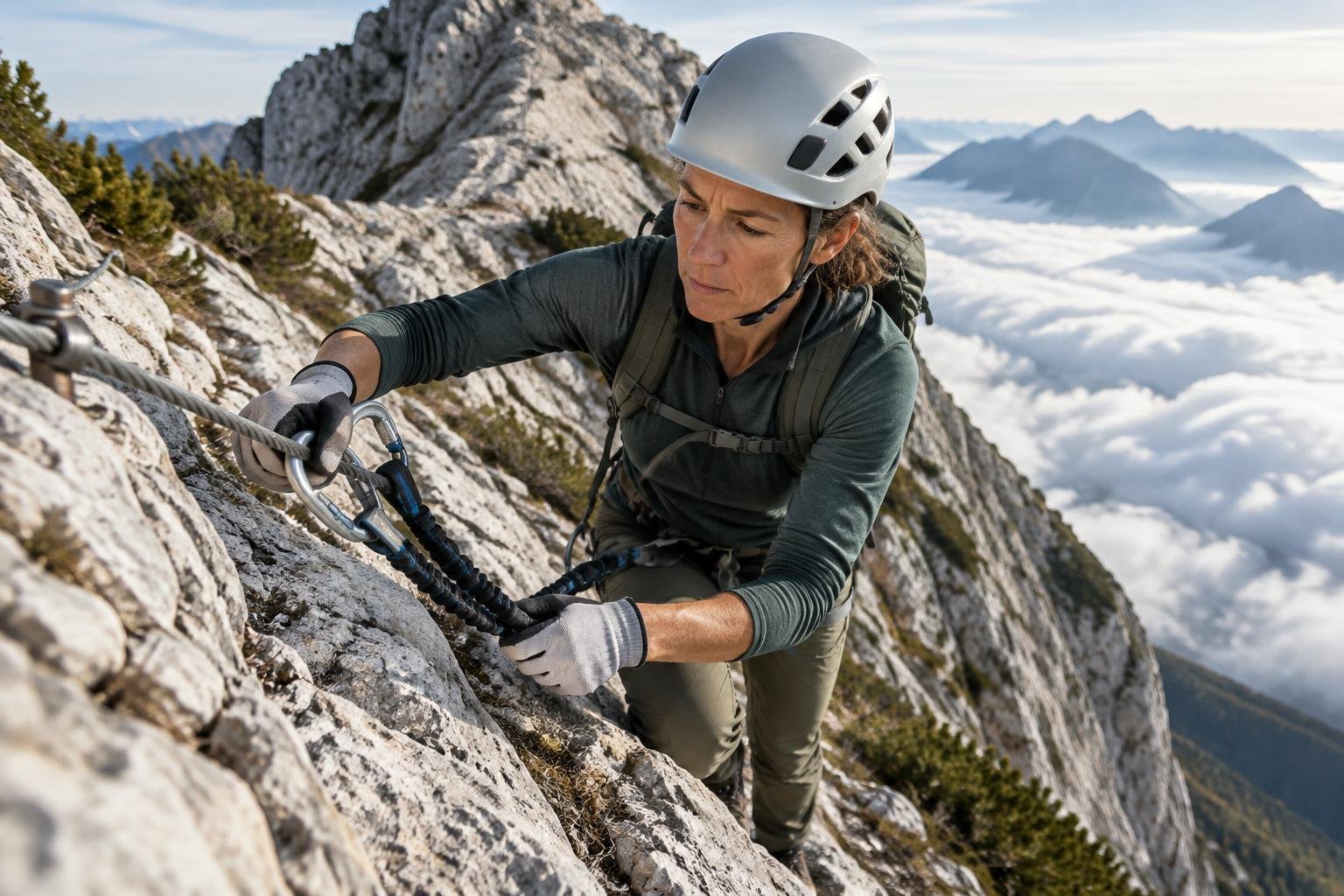
Plitvice's official routes are all loops from 3.5 km to 17.5 km, and the park rates them from easy to moderate for the shorter ones up to its most strenuous for Program K, which takes 6-8 hours. The park does not publish elevation gain. Triglav is about 12 km one way via the Vrata Valley route, with roughly 1,600 m of climbing, and it is rated strenuous or difficult. It includes via ferrata-assisted scrambling and exposure on the final approach. Triglav is the bigger commitment by a clear margin.
Season, permits and booking
The park's guidance for Plitvice is spring to fall, with tickets booked ahead in summer. Entry is by timed ticket, and the park may manage visitor flow on its routes in busy periods. Triglav's season is July to September. No permit is needed, but the summit ridges are protected via-ferrata sections that call for a helmet, harness and via-ferrata set, or a guide, plus settled weather. The huts are the only high shelter, so book them ahead. Confirm current rules with each managing authority before you go.
Which one is right for you?
Choose Plitvice Lakes if…
Pick Plitvice Lakes if you want a scenic outing without mountaineering equipment. The shorter routes suit families and casual walkers, while the longest circuit gives stronger hikers a full day on foot. It also suits anyone who prefers a flexible plan, since you can combine walking with the park's boat and shuttle. Wear grippy shoes, because the wooden walkways can be slippery.
How to hike Plitvice LakesChoose Triglav if…
Pick Triglav if you already have experience with mountain trails, a head for heights and the gear or guide needed for the protected sections. It suits hikers who enjoy a long uphill approach, a night in a mountain hut and an early summit start. It is a poor choice if you are unsure about exposure or the weather forecast, since there is little margin once you are high up.
How to hike Mount Triglav & Lake BledWhat the two have in common
Both trips are in national parks in the Balkans-Alps region of southern and central Europe, and both reward early starts. Both are shaped by logistics more than by distance alone: Plitvice by its timed tickets and one-way boardwalk network, Triglav by hut beds and the weather. Each is managed by its own national park, so each has rules worth reading before you arrive.
How your choice changes what you pack
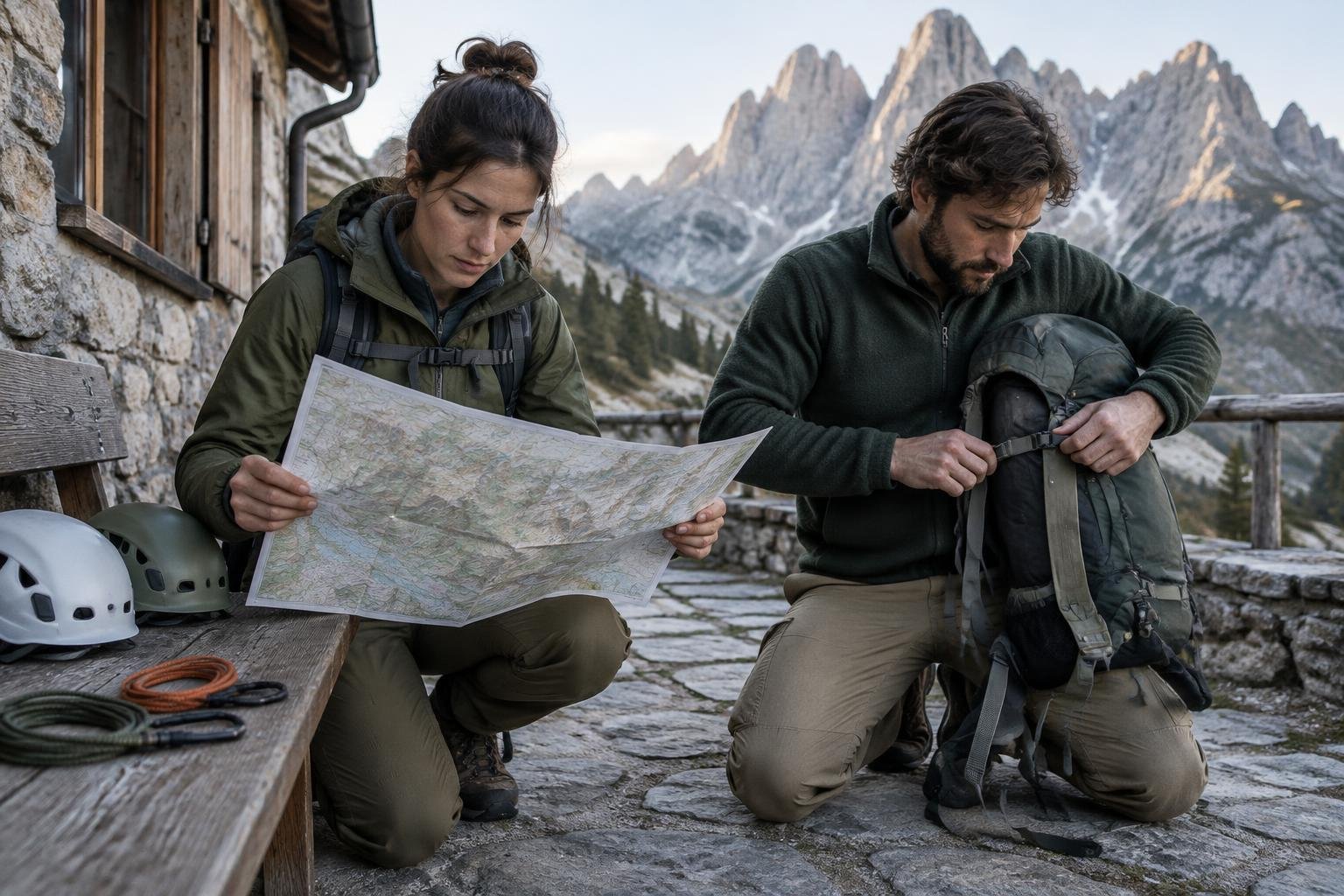
For Plitvice, think day-pack logistics: water, a light rain layer and shoes with good grip for wet planks. For Triglav, the plan changes to an overnight hut stay and a pack sized for two days, plus layers for alpine weather and the helmet, harness and via-ferrata set the protected sections require, unless you hire a guide who supplies them.
Common questions
Which is harder, Plitvice Lakes or Triglav?
Triglav is harder. It is rated strenuous or difficult, with roughly 1,600 m of climbing, via ferrata-assisted scrambling and exposure near the summit. Plitvice's routes range from easy to moderate up to the park's own most strenuous rating for Program K.
Which is better for first-time hikers?
Plitvice Lakes is the better fit for first-timers, because the shorter loop routes are modest and you can choose a length that matches your comfort. Triglav calls for mountain experience, a head for heights and specific protective equipment.
Do I need a permit for either one?
Neither page lists a hiking permit for Triglav. Plitvice uses timed tickets that should be booked in advance for busy periods. Triglav's special requirements are equipment and hut bookings. Check current rules with each park.
Can I do either as a day trip?
Plitvice is typically a day visit, and the longest circuit fills most of a day. Triglav is usually a two-day hut-based trip. Very fit, experienced mountaineers sometimes do it in one day, but that leaves no margin for weather or queues.
Sources
- Plitvice Lakes National Park — np-plitvicka-jezera.hr: official information for Plitvice Lakes.
- Triglav National Park — Slovenian Tourist Board: official information for Triglav.
Conditions, permits and access rules change without notice — confirm current information with each managing authority before you go. See our editorial policy.