
Affiliate disclosure: this page contains affiliate links. Purchases made through them may earn us a commission at no extra cost to you. See our affiliate disclosure.
In plain English
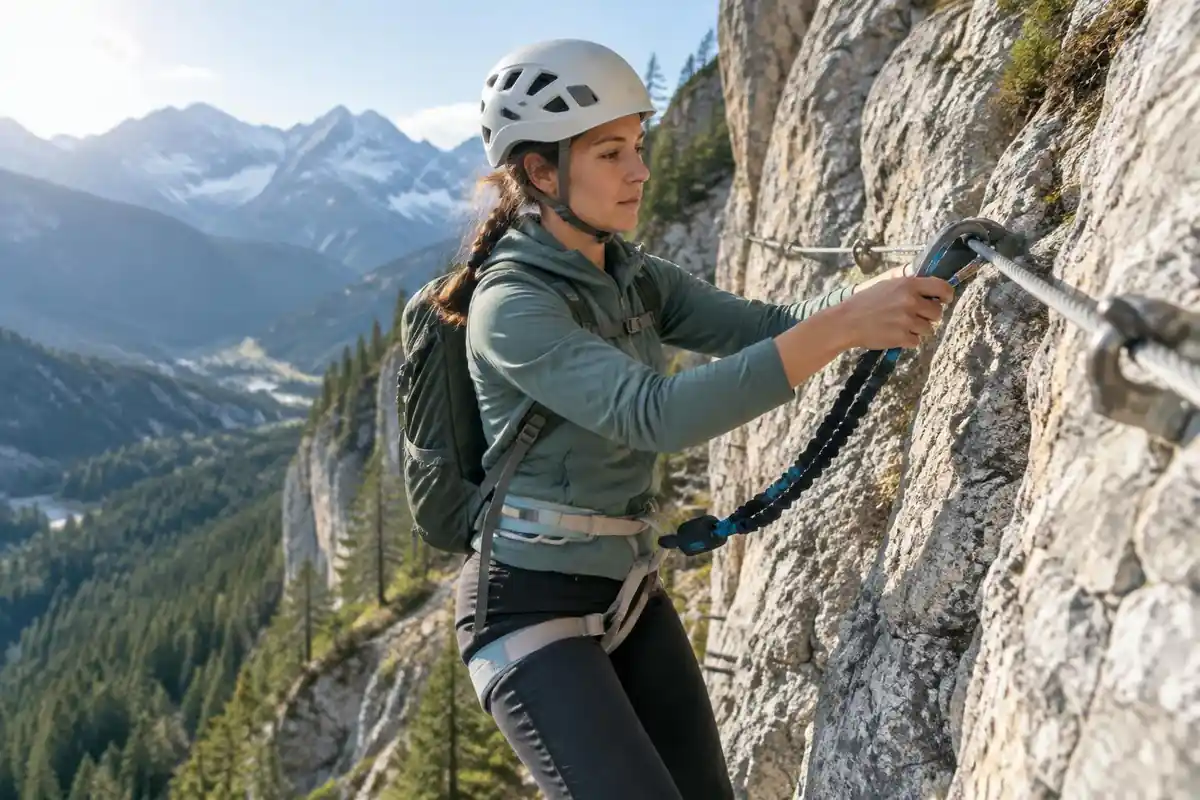
Triglav is really two hikes stacked on top of each other. The lower half is a long, tiring walk through forest and rocky basins to a hut. The upper half is a scramble on steep rock, with steel cables, pegs and ladder rungs to hold on to and a big drop on either side.
This is why the trip is usually two days and not one. You walk to a hut in the afternoon, sleep, and start early for the summit. That gives you rest, a chance to see the weather, and time for the slower pace of the cables, where people going up and down share the same route.
It also means your pack should be small and stay put. You will use both hands on the rock, so a pack that swings or catches is a hazard. Pack light, protect the essentials from rain, and keep warm layers on top.
What the hike is like
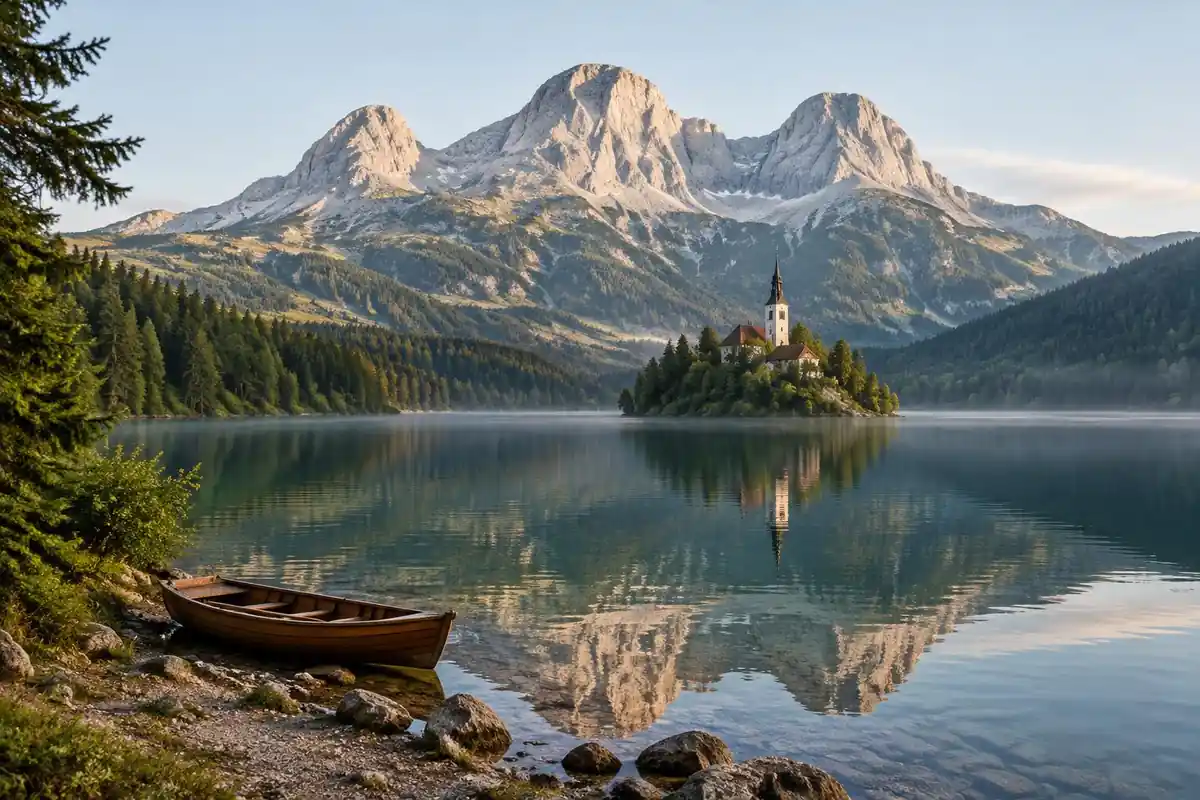
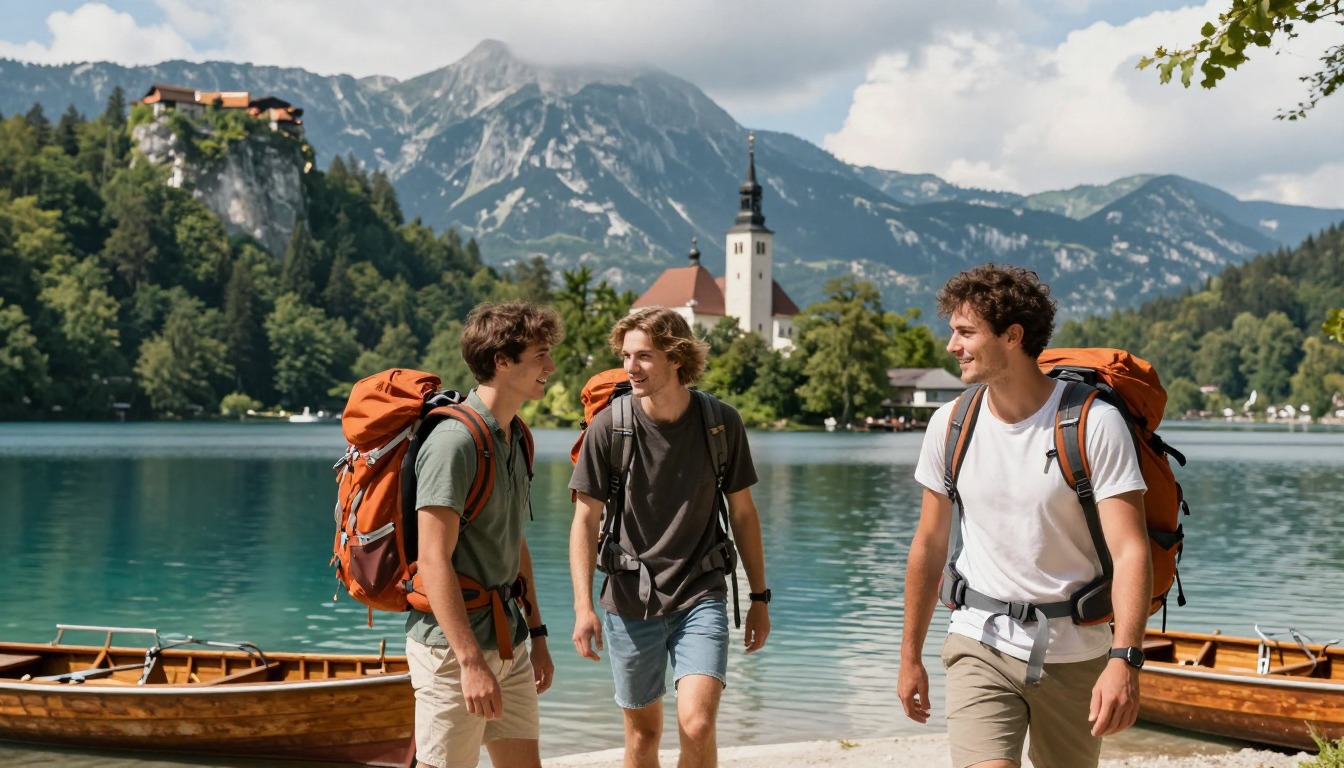
Triglav has two entirely different halves. The approach, whichever valley you start from, is a long uphill walk on marked mountain trails through pine forest and into pale limestone basins — tiring, but ordinary hiking that ends at a hut. Above the huts the mountain changes: the ground becomes broken rock and scree, and the route onto the summit ridge runs on protected sections where steel cable, iron pegs, and ladder rungs carry you across narrow ledges and up steep faces with the Julian Alps dropping away on both sides. Several approach routes exist, varying in length and steepness but converging on that same exposed upper mountain. The summit itself is a small, crowded platform marked by a metal shelter, and the protected sections carry two-way traffic, so queues and patience are part of the day.
How to plan the itinerary
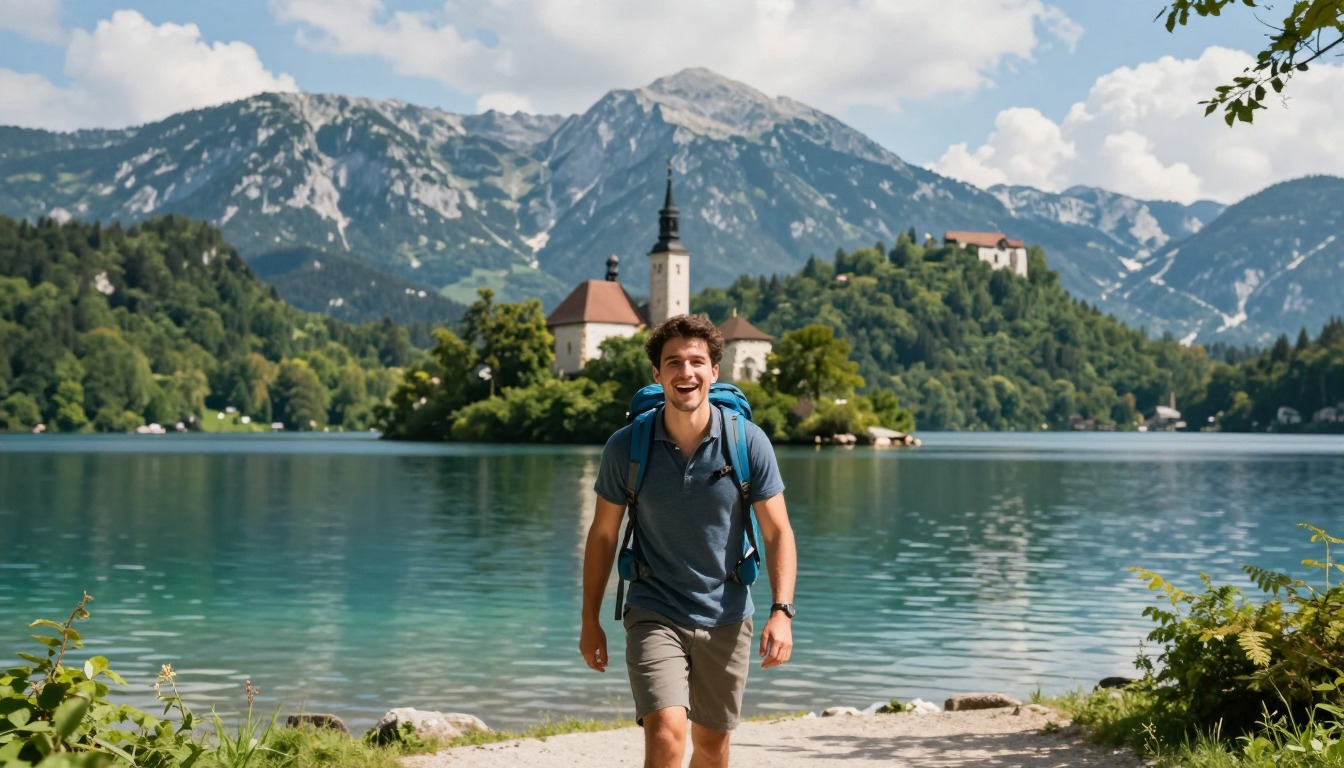
The standard plan is two days: a long approach walk to a mountain hut on the first afternoon, then an early start for the summit and the descent on the second. Many parties stretch it to three, crossing the massif by going up one valley and down another, which spreads the effort and turns the trip into a proper traverse. Very fit, experienced mountaineers occasionally push the whole thing in a single day, but that leaves no margin for weather, queues, or a slow partner on the cables. Huts along the routes can fill quickly in the short summer season, so the itinerary is usually built backward from which bed you can secure. Settled weather is the other fixed condition.
Plan this trip in 5 steps
-
Pick the right pack
Match a pack to your trip, fit and priorities.
-
Plan food & water
Calories, food weight and water for your days on trail.
Trail-specific tips
Most incidents here happen on the way down, when legs are tired and the protected sections are busy with people coming up. Budget more time and attention for the descent than the ascent. Helmets matter as much for stones knocked loose by parties above you as for a slip. Expect to wait at bottlenecks on the cables and do not let impatience push you past a slower group on exposed ground. Aim to be off the ridge before afternoon storms build. If any of this is unfamiliar territory, hire a guide. General mountain safety is at /trail-smarts/.
Permits & rules
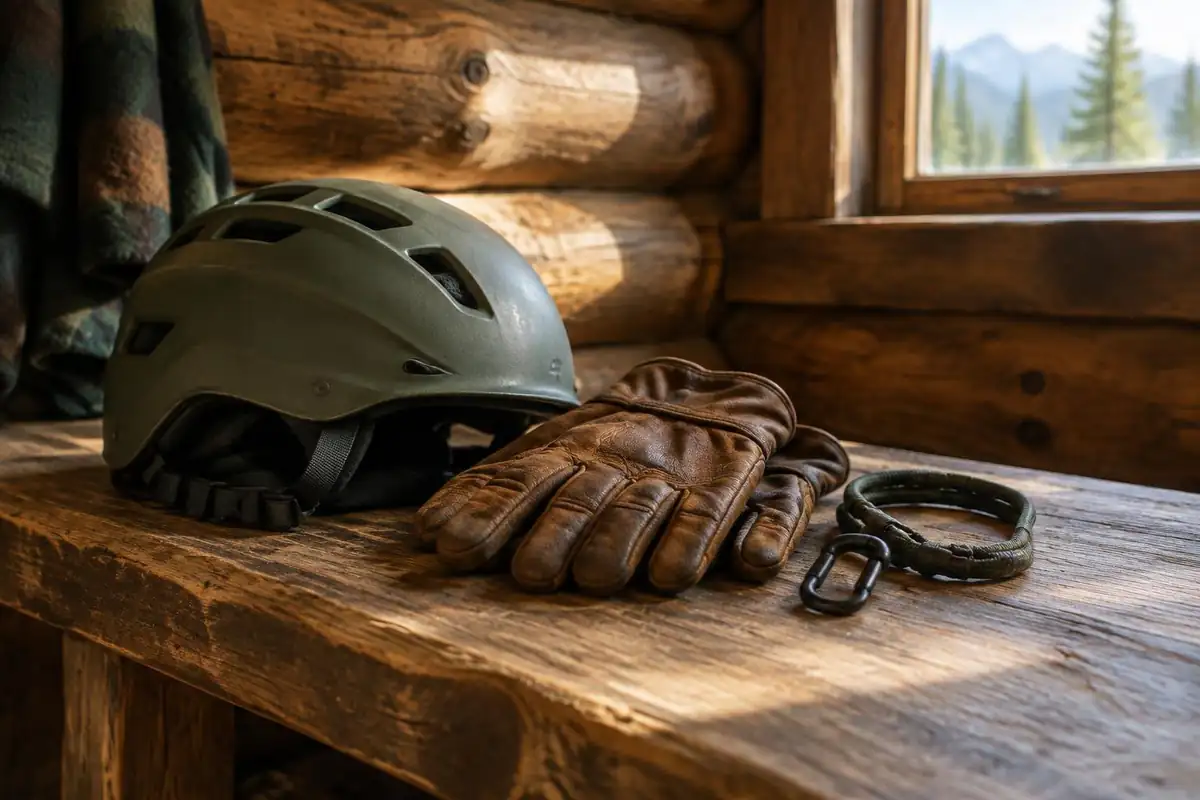
No permit is needed, but Triglav’s summit ridges are protected via-ferrata sections — you need a helmet, harness and via-ferrata set (or a guide), a head for heights, and settled weather. Book the mountain huts ahead, as they are the only high shelter.
Gear suited to this hike
Matched to the terrain and conditions here. Real products — check current price on Amazon.



Why weather and time of day rule the route
Above the huts the ground is broken rock and the protected sections run along ridges and faces with nowhere to shelter. The Weather Service says that in the mountains thunderstorms often build in the early afternoon, so hikers should be off the mountain by noon, and advises staying away from ridge tops and tall isolated objects; it also says a tent gives no protection from lightning.1 Its general message is that if you can hear thunder you are likely within striking distance.2
That is the reason for the early start the page describes, and for treating settled weather as a fixed requirement rather than a preference. A steel cable on a storm-hit ridge is not a comfortable place to be. If the forecast is unsettled, the sensible outcome is to change the day, not to shorten the safety margin.
Huts, altitude and what a hut night asks of you
The page notes that huts fill quickly in a short summer season, so the itinerary is usually built backward from which bed you can secure. Hut availability and rules are set by the huts and the national park, so confirm them directly before you book flights or transport.
Hut nights raise altitude questions. The CDC says any unacclimatized person sleeping at 8,000 feet or higher is at risk of altitude illness, that physical fitness does not protect against it, and that headache is the main symptom of acute mountain sickness, typically starting 2 to 12 hours after arrival.3 It also says never to go higher to sleep while having symptoms, however mild, and that acute mountain sickness improves rapidly with a descent of 1,000 feet or more.3 Check the elevation of your hut and let it shape how quickly you climb.
Rescue, pacing and packing for the cables
Getting help on a high mountain is slow. NPS notes that search and rescue can take hours or days depending on weather and resources, that a whistle helps rescuers find you, and that if you are lost you should generally stay put unless there is an immediate threat to life.4 It also advises leaving a trip plan with someone not on the trip, setting a turnaround time and sticking to it.5 On a route with two-way traffic on the cables, a turnaround time also prevents a slow summit from turning into a descent in the dark; NPS lists a headlamp as the recommended, hands-free light source.6
For the pack itself, use a compact load with heavier items close to the back, since keeping the center of mass near your own gives the lowest energy cost and the most stable balance.7 Do not carry anything that hangs outside the pack and can snag on cable or rock.
Common questions
Do I need via ferrata experience to climb Triglav?
You need the equipment and the competence to use it. The upper mountain involves protected sections on exposed ground where a helmet, harness, and via ferrata set are standard, not optional. Comfort with heights matters more than raw fitness. Anyone who has not done protected climbing before should go with a qualified mountain guide.
Can Triglav be climbed in one day?
Strong, experienced parties do it, but it makes for a very long day with a pre-dawn start and a descent on exhausted legs, which is exactly when the exposed sections become risky. Splitting it with a night in a hut is the normal approach for good reason, and it also gives you a weather window on the summit morning.
Which route up Triglav is easiest?
Routes differ in length, steepness, and how much protected ground they cover, but every one of them finishes on the same exposed summit ridge, so none of them avoids the cables and ledges. Choose based on approach length and which hut you can book, and accept that the final section is the same challenge regardless.
Is the whole climb exposed, or just the top?
Just the upper mountain. The approach from the valleys is a long but straightforward hike on marked trails through forest and limestone terrain, with nothing that requires technical gear. The character shifts above the huts, where rock scrambling and cable-protected ledges begin and continue to the summit and back down.
Complete gearsets for this trip
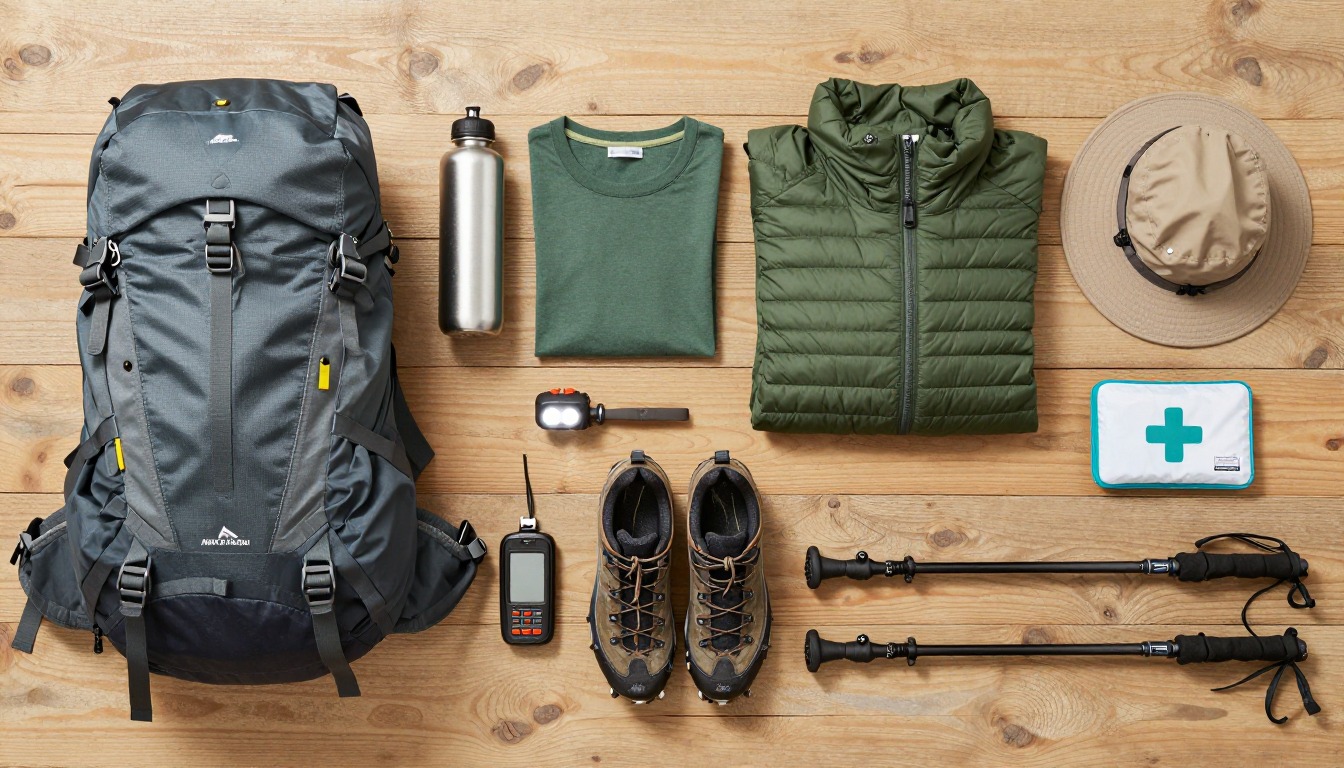
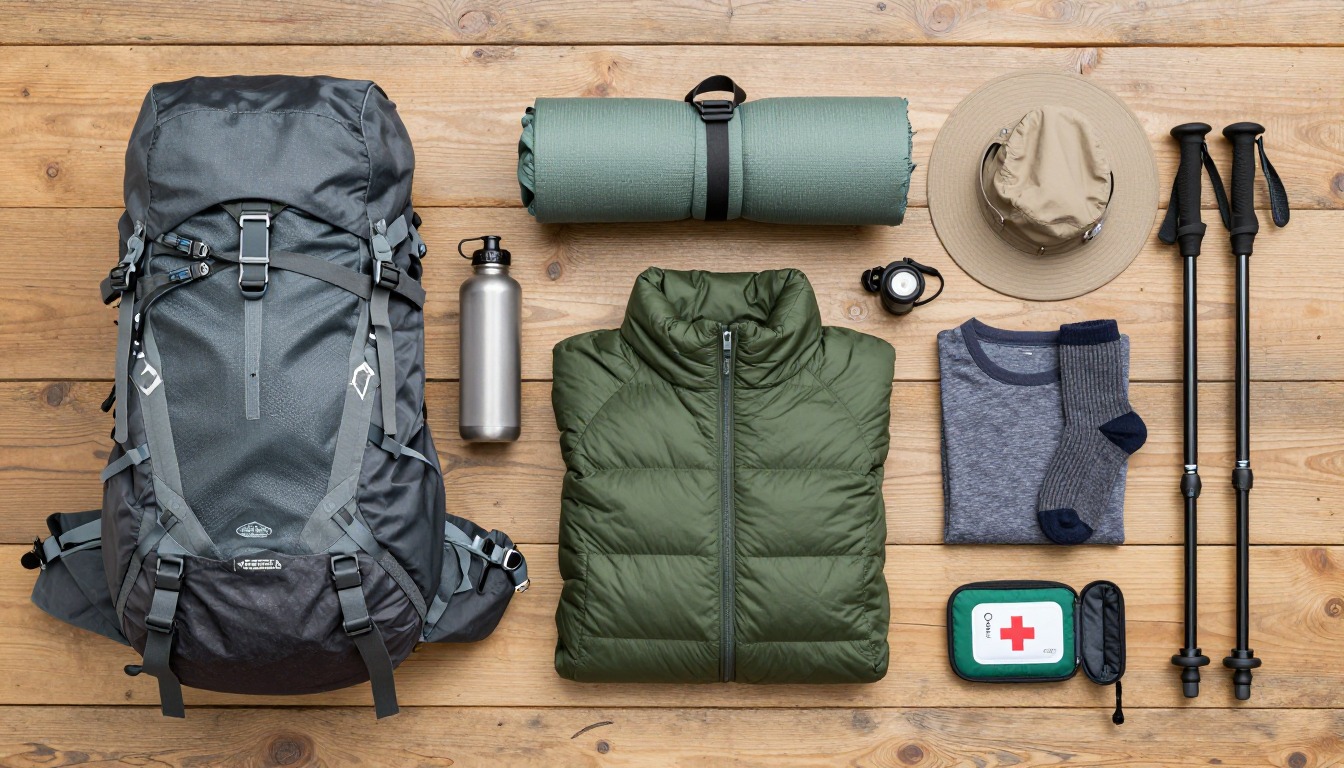
Full curated kits built for exactly this kind of hike.
Trail conditions, permits and access rules change without notice — always confirm current information on the official source above before you go. Some facts on this page are still pending owner verification and are marked accordingly. Product links and the accommodation map are affiliate links: we may earn a commission at no extra cost to you; product prices and availability are shown on Amazon, and accommodation prices on the booking site. See our affiliate disclosure.