
Affiliate disclosure: this page contains affiliate links. Purchases made through them may earn us a commission at no extra cost to you. See our affiliate disclosure.
In plain English
Triglav is Slovenia's highest mountain and it is treated as a real climb rather than a stroll. Most people split it over two days, sleeping in a mountain hut partway up so that the summit push is not a marathon in one day.
A mountain hut, in the Alps sense, is a simple lodge built for climbers. It is not like a hotel. You may share a room, you may eat what the hut serves, and you may need to bring your own bedding or a liner, depending on the hut. The details differ from hut to hut, so ask before you go rather than assuming.
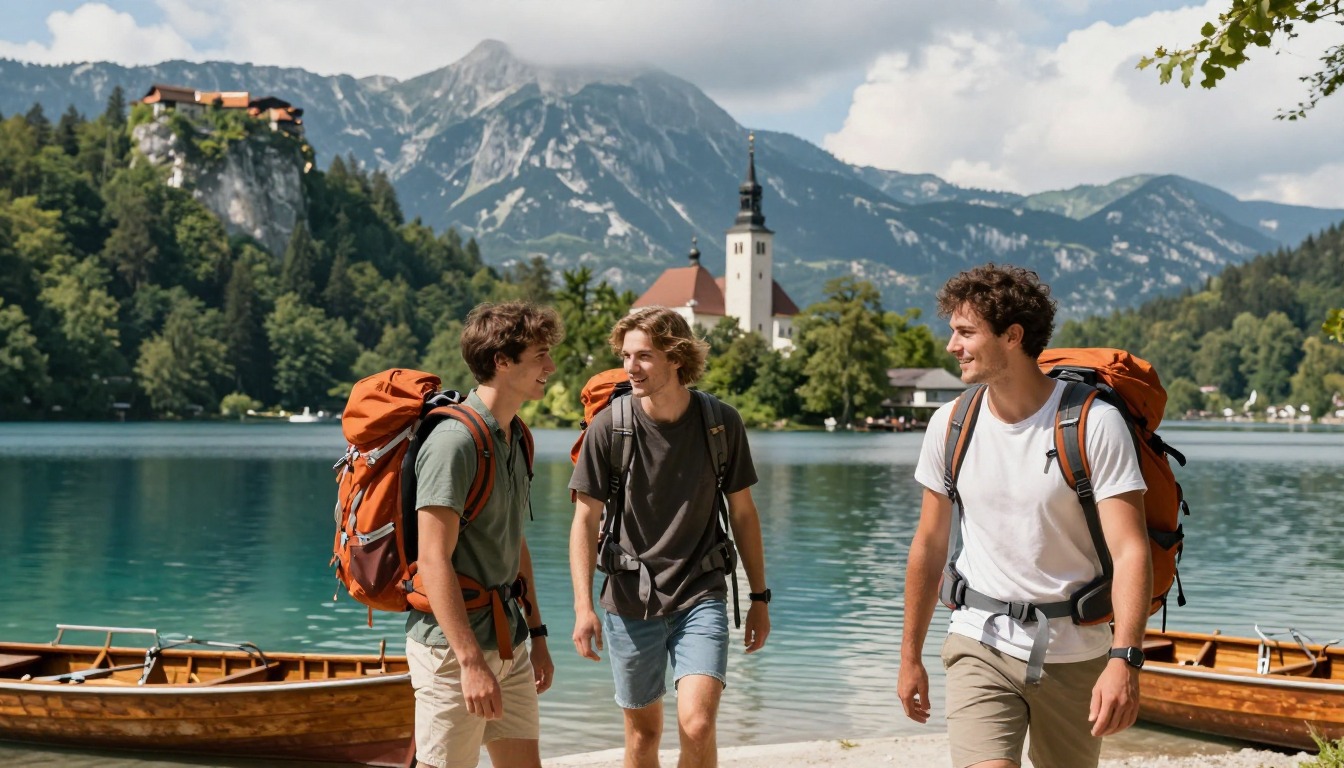
Down in the valley towns of Bled, Bohinj and Mojstrana, you can sleep in ordinary hotels and guesthouses before and after. Many climbers use the valley for the night before and the night after, and the hut for the night in between.
Mount Triglav, at 2,864 meters in Slovenia's Julian Alps, is the country's highest peak and its national symbol, protected within Triglav National Park. Reaching the summit is a genuine mountaineering objective, not a casual walk, and most climbers spread the ascent over two days, spending a night partway up in one of the mountain huts along the route before continuing to the top and back down.
Why hike here
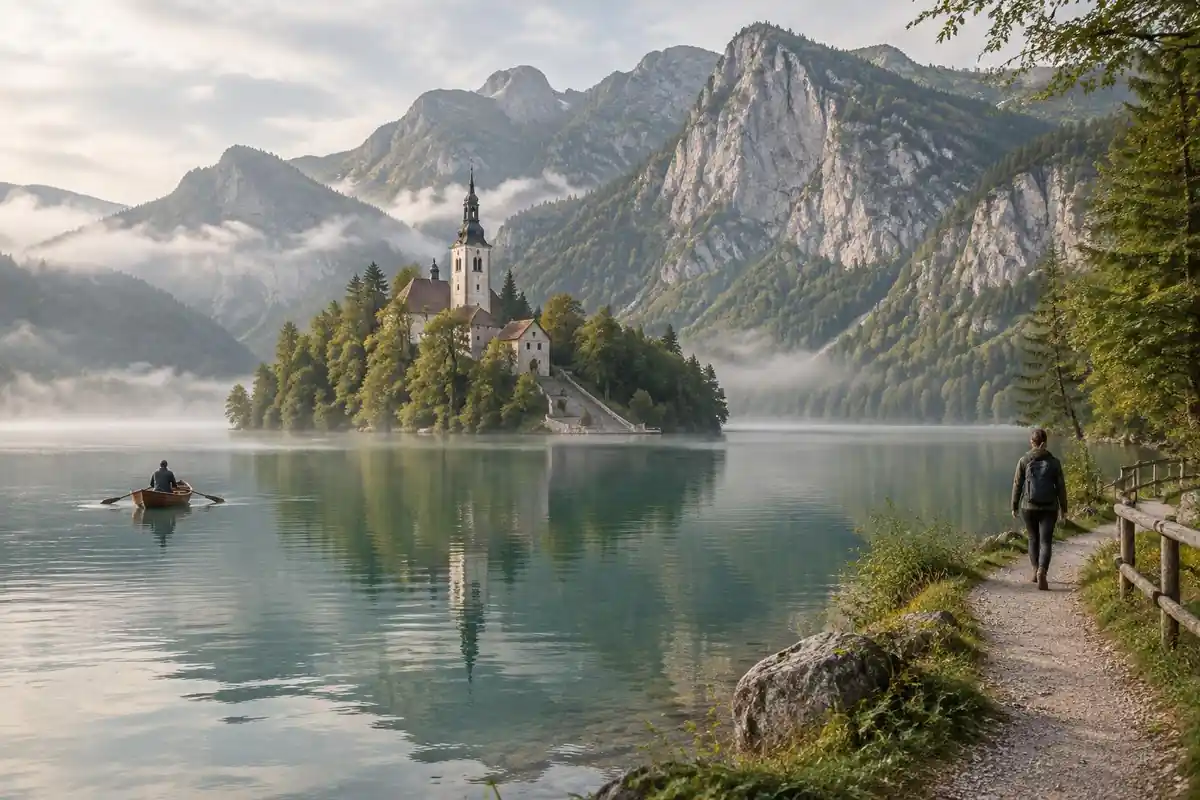
What makes Triglav special is the sense that you're climbing something bigger than a mountain — it's woven into Slovenian identity, and locals often say everyone should stand on its summit once. The upper ridges earn that status: exposed rock scrambles and protected via-ferrata sections where a steel cable, ladder rungs, and pegs carry you along narrow ledges with the Julian Alps dropping away on both sides. A helmet, harness, and via-ferrata set (or a qualified guide) are essential here, not optional gear. Below the ridgeline, approach trails wind through pine forest and limestone basins typical of the Julian Alps, and the mountain hut where you overnight becomes part of the experience — a shared table, an early alarm, and a pre-dawn push toward the exposed sections while conditions hold.
Getting there
The gateway is Ljubljana, Slovenia's capital, home to the country's main international airport. From there, most hikers base themselves in one of the valley towns of Bled, Bohinj, or Mojstrana, all of which sit within reach of Triglav National Park and serve as launching points for the mountain's approach routes. Getting from Ljubljana to whichever base you choose typically means a road transfer — by rental car, shuttle, or bus — and from there a further local drive or trailhead shuttle to the actual start of your route onto the mountain.
Where to stay
The realistic options, closest-to-the-trail first. Book through the official links — we don't list prices or availability because they change all the time.
For example: Alpine huts on the ascent routes where climbers overnight before the summit
Climbers splitting the long, exposed climb over two days.
Huts can be busy in the short summer season; the summit involves fixed cables (via ferrata).
Book the huts aheadFor example: Hotels, guesthouses and rentals at the classic valley bases
Everyone before and after, and for the gentler lake walks.
Bled and Bohinj are the scenic bases; several routes start from the valleys.
Nearby-town lodging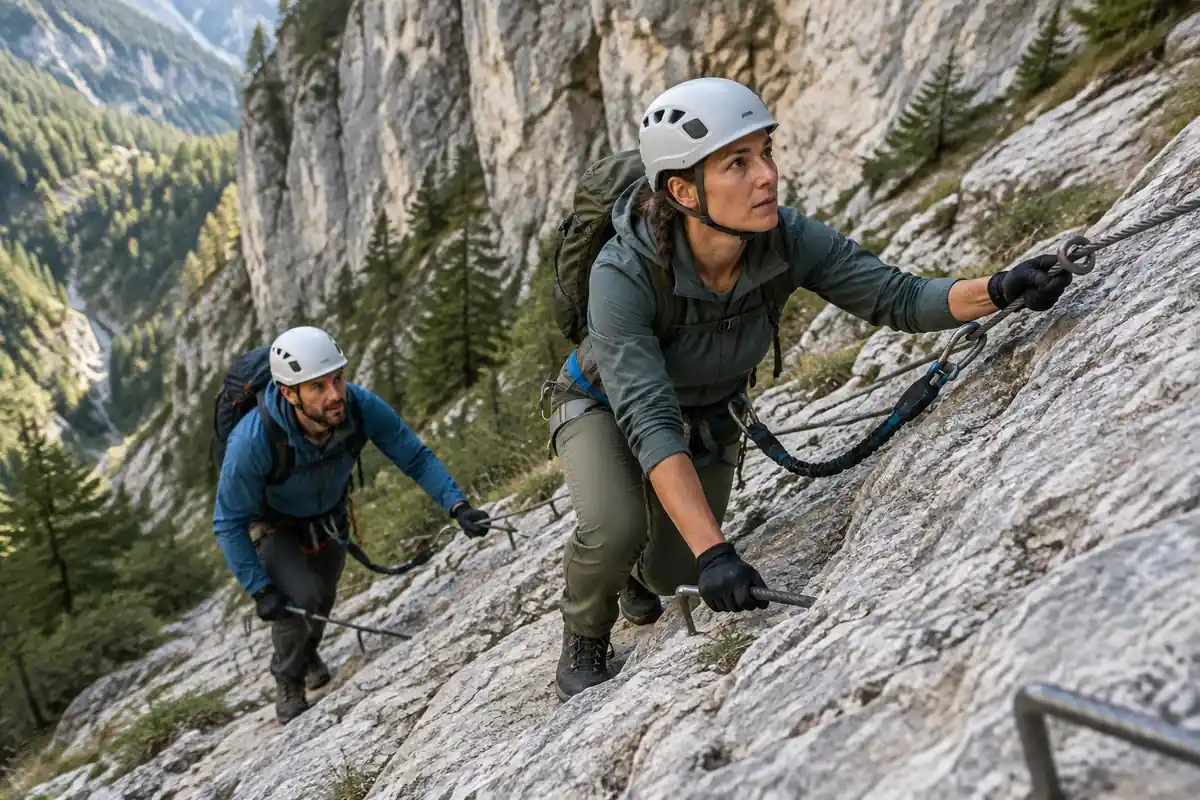
Permits & rules
No permit is needed, but Triglav’s summit ridges are protected via-ferrata sections — you need a helmet, harness and via-ferrata set (or a guide), a head for heights, and settled weather. Book the mountain huts ahead, as they are the only high shelter.
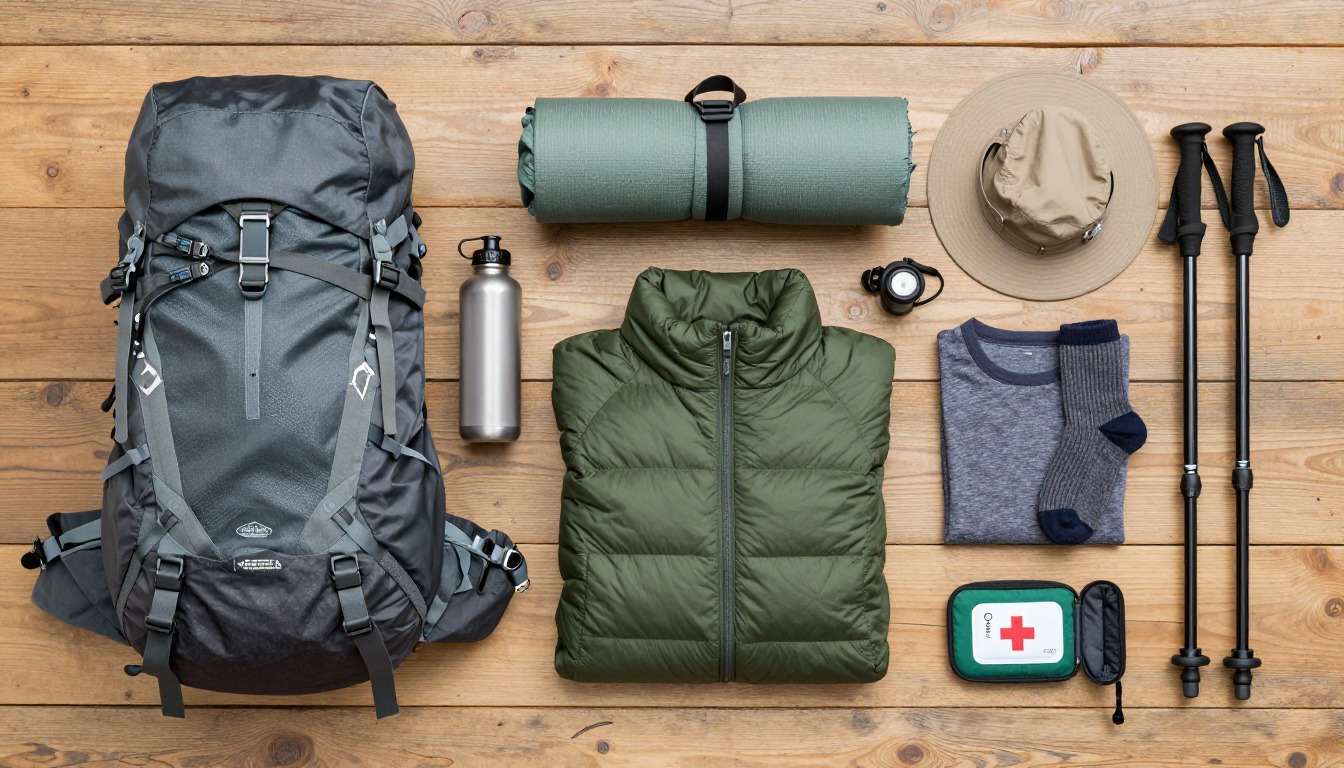
Gear you'll want for this trip
Matched to the terrain and conditions here. Real products — check current price on Amazon.


What a hut night changes about your trip
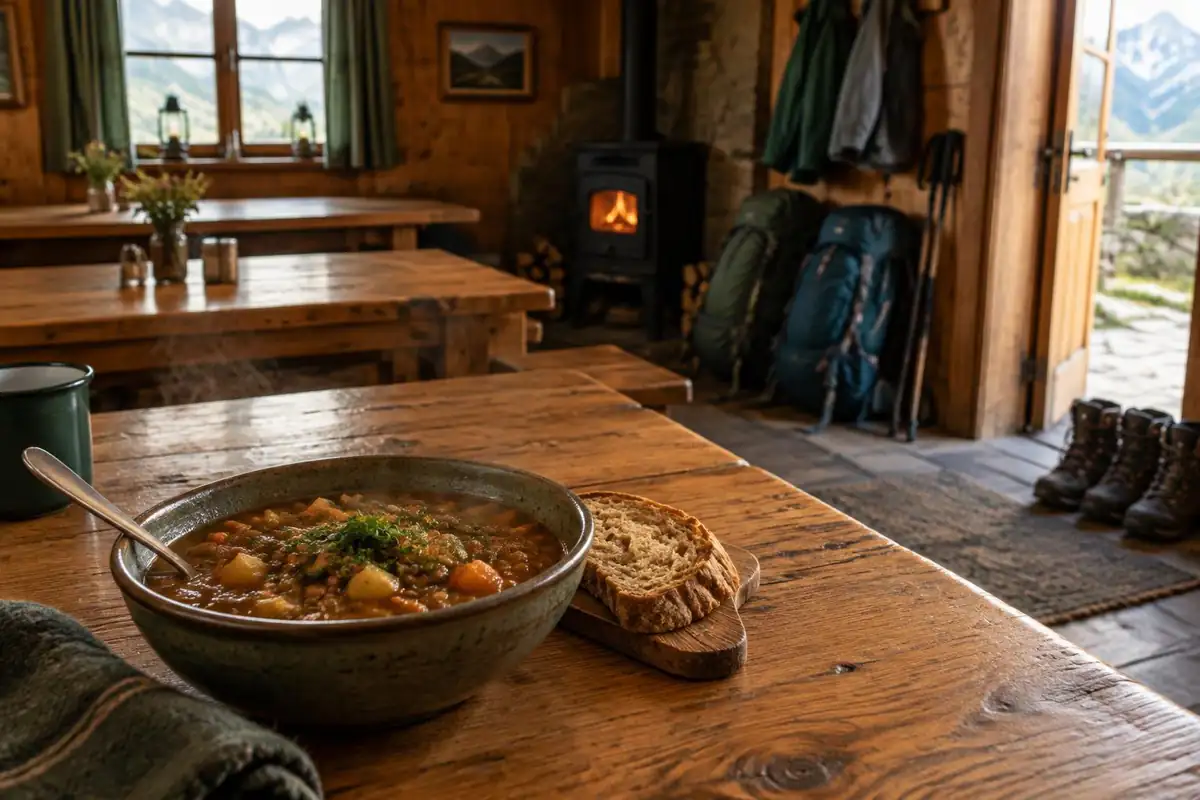
The existing page says the huts fill quickly during a short summer season and are the only high shelter. Confirm bookings, opening dates and rules with Triglav National Park and the hut operators before you go, since those details change each year and depend on the individual hut.
It helps to compare with a system that is documented. The Appalachian Mountain Club has run backcountry huts in New Hampshire's White Mountains since 1888. Its eight huts are reachable only on foot, and dinner and breakfast are included in a full-service stay.1 That is one US example, not a description of Slovenian huts, but it shows the two questions that matter for any hut: whether meals are included and whether you must bring your own bedding. Ask both when you book.
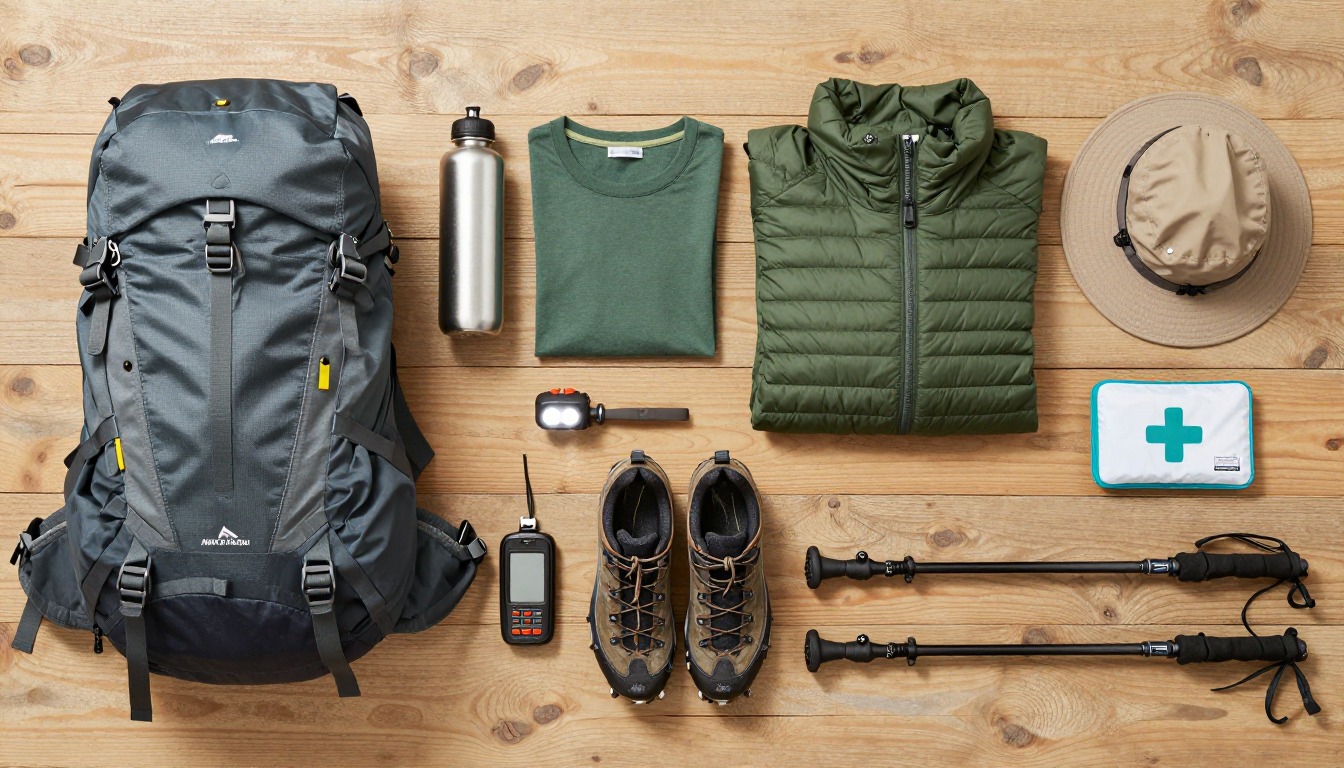
Since the hut is your shelter, you do not need a tent. The Appalachian Trail Conservancy calls the pack, shelter and sleeping bag the big three, usually the heaviest items, so a hut night removes one of them.4 Add the via-ferrata kit the page describes, and the weight comes back, so pack list discipline matters.
Altitude, storms and a two-day split
Triglav's summit is 2,864 meters, about 9,400 feet. The CDC's travel guidance says any unacclimatized person sleeping at 8,000 feet or higher is at risk of altitude illness, that fitness does not protect against it, and that headache, the main symptom, typically starts two to twelve hours after arrival.2 Sleeping in a hut is a chance to ease in, but if you feel unwell, do not climb higher. Ask the hut for its elevation.
The National Weather Service says there is no safe place outdoors during a thunderstorm and that if you can hear thunder you are likely within striking distance.3 It adds that a tent offers no protection from lightning.5 Exposed ridges with fixed cables are exactly where an early start and a firm turnaround time make sense.
The CDC notes that hypothermia can develop above 40 degrees Fahrenheit if a person is chilled by rain, sweat or cold water, and that the person affected may not realize it is happening.6 Carry a warm layer and a waterproof shell even on a clear morning, and leave your route and expected return with your host.
Sizing and packing for a hut-based climb
The Washington Trails Association describes 45 to 50 liters as sized for a standard one- or two-night trip.7 A hut-based climb with a valley base can often use less, because you leave spare clothes at your hotel, but the harness, helmet and via-ferrata set take up room. Keep the heaviest items, like water and food, about two-thirds of the way up the main compartment and against your back.8
Common questions
Do I need any special gear or a permit to climb Triglav?
No permit is required, but the summit ridges include protected via-ferrata sections, so you'll need a helmet, harness, and via-ferrata set, plus the skill to use them (or a qualified mountain guide). A head for exposed heights and settled weather both matter more than raw fitness — check conditions carefully before committing to the final push.
Where do climbers sleep on the way up Mount Triglav?
Most climbers overnight in one of the alpine mountain huts (koče) along the ascent routes, splitting the climb into two days rather than pushing to the summit and back in one. These huts fill up fast during the short summer season, so book ahead. Down in the valley, Bled, Bohinj, and Mojstrana all have hotels, guesthouses, and rentals for the nights before and after.
When is the best time to climb Mount Triglav?
July through September is the best window, when the huts are open, snow has mostly cleared from the ridges, and weather is more likely to hold for the exposed via-ferrata sections. Outside that window, ice and snow can turn the summit ridges into a much more serious mountaineering undertaking, so most hikers without technical winter experience stick to the summer months.
Complete gearsets for this trip
Full curated kits built for exactly this kind of hike — what to bring, why, and links to similar gear.
Lodging details are compiled from official parks, refuge associations and reservation systems and can change without notice. We publish no prices, availability or ratings — always confirm current information on the official site before booking or setting out. Product links and the accommodation map are affiliate links: we may earn a commission at no extra cost to you; product prices and availability are shown on Amazon, and accommodation prices on the booking site. See our affiliate disclosure.