The Wonderland Trail circles Mount Rainier for ~93 miles and is self-supported, so it needs a full multi-day pack sized to your food carry.
By Priya Anand, Backpacking Gear Research Writer · Published September 14, 2026, 6:03 PM ET
Affiliate disclosure: this page contains affiliate links. Purchases made through them may earn us a commission at no extra cost to you. See our affiliate disclosure.
In plain English
The Wonderland Trail is a loop that goes all the way around Mount Rainier, a huge snowy volcano in Washington State. It takes most people a week or more. There are no porters or lodges, so you carry everything yourself: your tent, sleeping bag, stove and food.
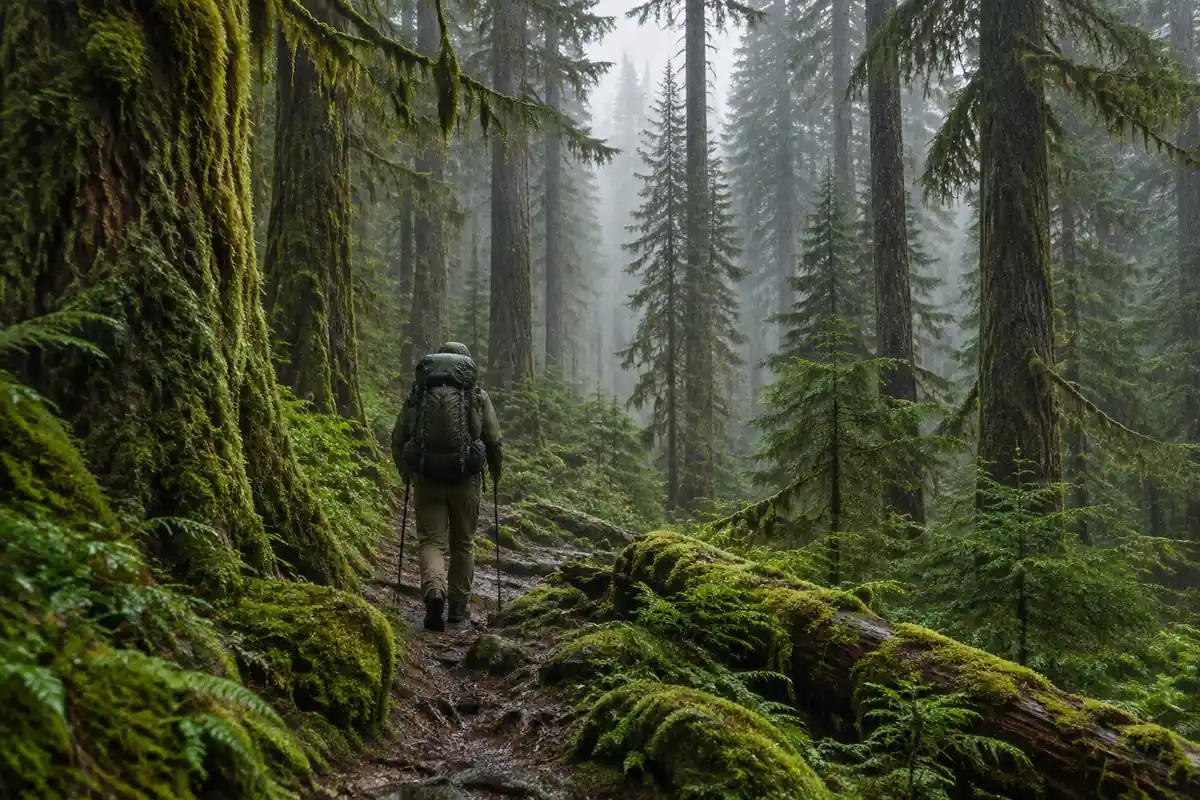
The trail also goes up and down constantly, dropping into river valleys and climbing back up to high meadows day after day. And it rains often, because the mountain is big enough to make its own weather.
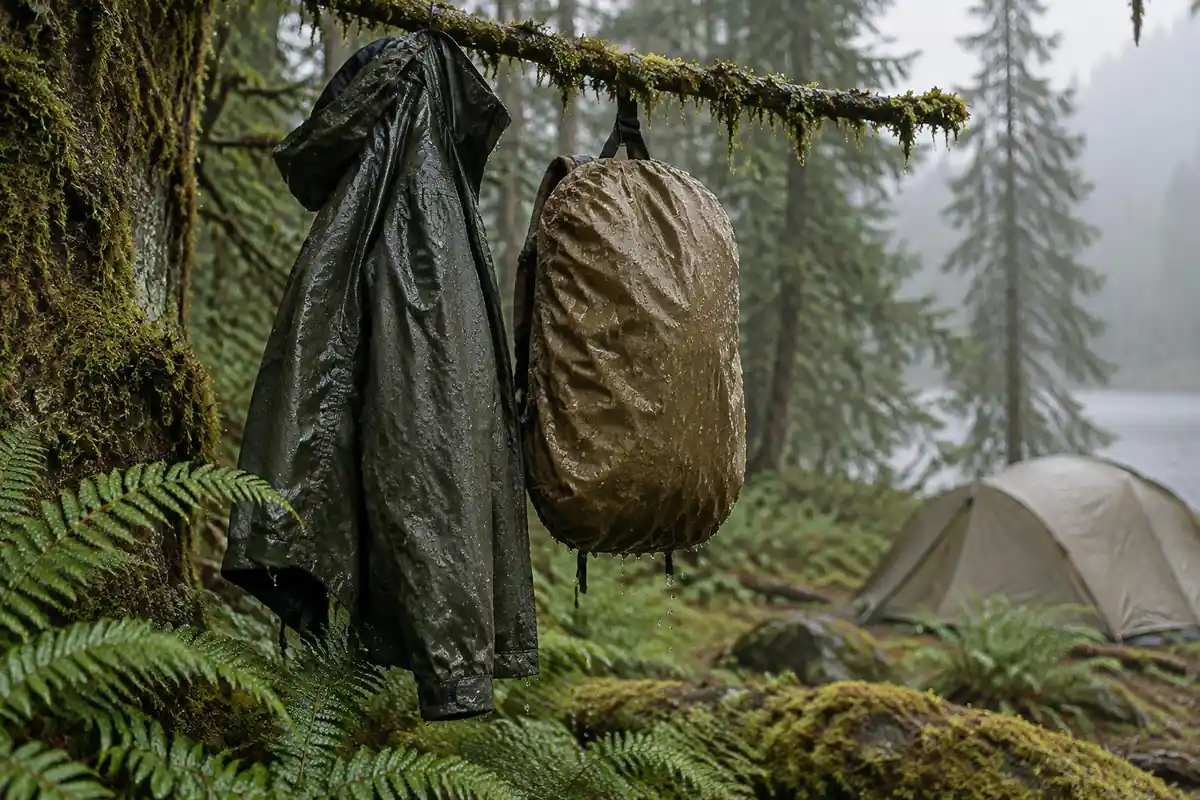
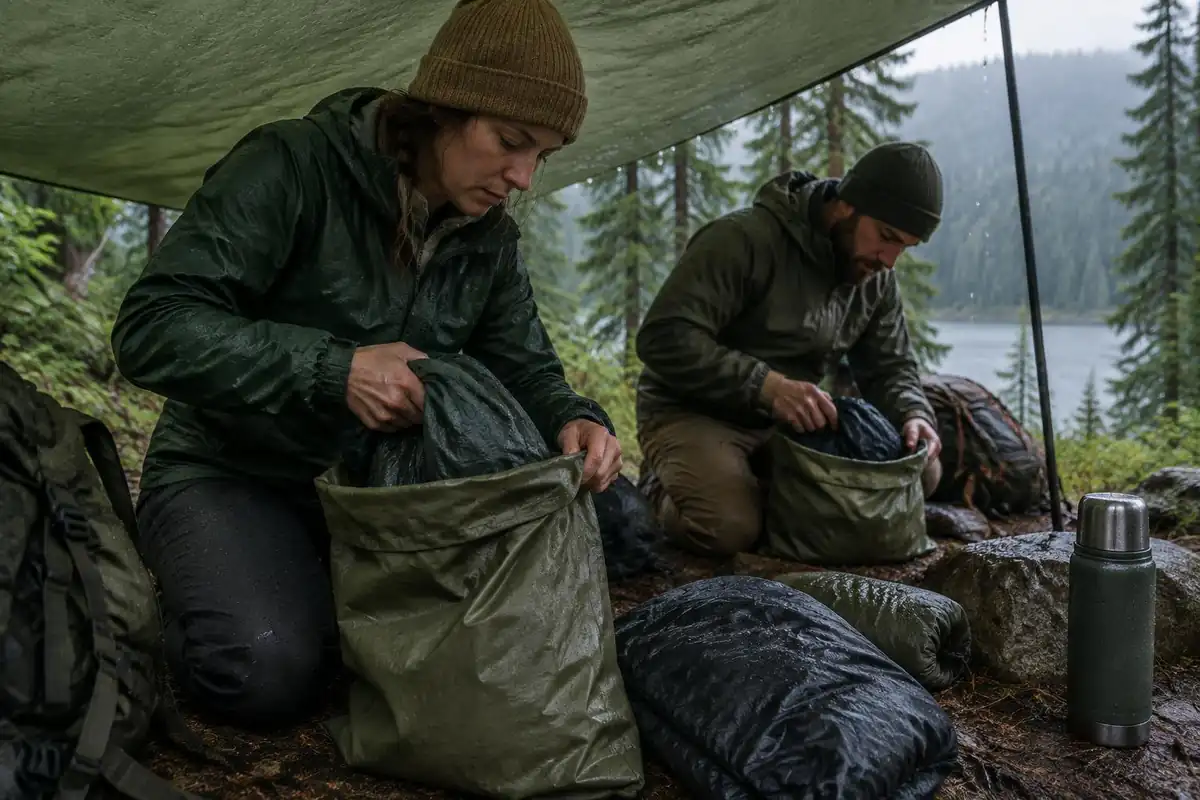
So you need a fairly large backpack that carries weight well on your hips and keeps your gear dry. The simplest way to stay dry is to use a rain cover on the outside of the pack and a waterproof bag inside it, so your sleeping bag and warm clothes stay dry even in a long storm.
The best backpack for the Wonderland Trail is a self-supported multi-day pack in the 55 to 70 liter range, because this roughly 93-mile loop around Mount Rainier is not portered and has limited resupply. Unlike the world's teahouse and hut treks, you carry your own shelter, sleep system, and several days of food, so the Wonderland is closer to a domestic thru-hike than a portered trek.
Why it needs more volume
Most hikers walk the Wonderland in 7 to 10 days and use one or two cached or ranger-station resupplies, so the longest food carry can be four or more days. Add a bear-resistant food storage requirement, frequent rain, and river-crossing gear, and a 60-to-65-liter pack with a supportive frame becomes the sensible choice. Ultralight hikers with low base weights manage in 50 to 55 liters.
Wet-weather setup
Rainier makes its own weather, so waterproofing matters more here than on a dry trek. Combine a rain cover with a pack liner, and choose a pack with a stable hipbelt for the constant elevation change. Because it is self-supported, size the pack the way you would for any multi-day backpacking trip: to your torso first, then to your longest food carry.
Frequently Asked Questions
Plan on a 55 to 70 liter multi-day pack for the Wonderland Trail. It is a self-supported ~93-mile loop with limited resupply, so you carry your own shelter, sleep system, bear-proof food storage, and several days of food — much more than a portered or hut-based trek.
Washington Trails Association, the state's main hiking organization, publishes capacity bands that fit this page's advice. WTA says a 45 to 50 liter pack should fit gear for a standard one- or two-night trip, a 50 to 70 liter pack suits trips of 3 to 7 nights, and packs over 70 liters are for carrying a lot of gear and food.1 A 7 to 10 day Wonderland itinerary with one or two caches lands in the upper half of that 50 to 70 liter band.
Fit comes before volume. WTA says packs are sized by torso length, measured from the C7 vertebra to the vertebrae level with the top of the hip bones.1 Big Agnes suggests fitting a pack with 10 to 20 pounds loaded, which is closer to real trail conditions than trying it on empty.7
Planning days around constant climbing
The Wonderland's elevation change affects how far you can walk each day, and therefore how many days of food you carry. Naismith's rule, a planning formula from 1892, allows one hour per three horizontal miles plus one hour per 2,000 feet of ascent.8 NPS advises planning for uphill sections to take at least double the downhill time, and setting a turnaround time you stick to.5
Run a planned day through that rule before settling on an itinerary. If a day that looks like 12 miles on the map also climbs 4,000 feet, Naismith estimates about six hours of moving time before breaks, and a heavy pack slows most people further. More realistic daily mileage can mean an extra day of food, which is often what pushes hikers from 55 toward 65 liters.
Keeping warm in Cascade rain
Water gets into packs through seams and zippers even when the fabric is coated, as REI and Deuter both note.3,2 A liner protects the sleeping bag and spare layers; a cover limits how much water the pack itself soaks up.
Dry layers are a safety margin. CDC says hypothermia can develop even above 40°F if a person gets chilled from rain, sweat or cold water, and lists hikers among the people at higher risk.4 NIOSH notes that wet feet lose heat 25 times faster than dry feet, which makes dry socks a worthwhile item in a waterproof bag.9 Leave a trip plan with someone at home as well; NPS says it helps search and rescue if something goes wrong.5 Check Mount Rainier's current permit and food-storage rules on the park's official pages, since NPS says food storage rules vary by park.6