


What's the difference between a day-hike and overnight packing list?
A day-hike packing list is built around water, food, navigation, and the ten essentials, with no shelter or sleep system, while an overnight list adds a tent or tarp, a sleeping bag and pad, a stove, and a full day's food per night out. The overnight list typically doubles the pack weight and pushes capacity from a sub-25-liter daypack into the 35–55 liter range.
Both lists share the same starting point. Water, navigation, sun protection, a first-aid kit, and a repair kit don't change much between a three-hour loop and a five-night route — only their quantities shift. What changes is everything tied to spending the night outdoors: shelter, insulation, and cooking gear, none of which belongs on a day-hike list at all.
What gear goes in each category of a hiking backpack packing list?
A hiking backpack packing list breaks into six functional categories: navigation and safety, hydration, food and cooking, shelter and sleep, clothing, and pack-specific accessories. Organizing gear this way, rather than by "what fits where," makes it easier to spot a missing category before leaving the trailhead.
- Navigation and safety: map, compass, phone with offline maps, first-aid kit, whistle
- Hydration: bottles or a reservoir, plus a filter or purification tablets for refills
- Food and cooking: trail food, a stove and fuel canister for overnight trips, a pot, and a spork
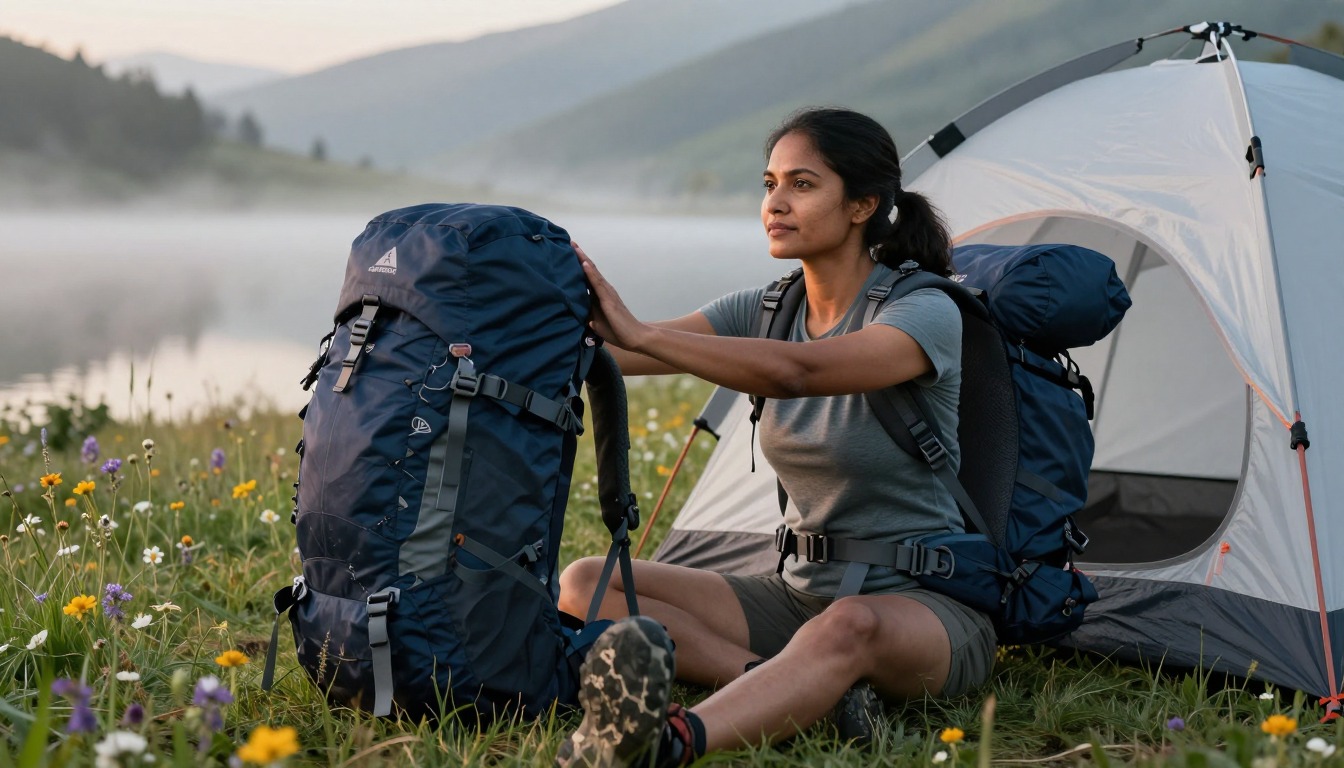
- Shelter and sleep (overnight only): tent or tarp, sleeping bag or quilt, sleeping pad
- Clothing: moisture-wicking base layer, insulating layer, rain shell, hat, and gloves in cold conditions
- Pack accessories: rain cover, stuff sacks or packing cubes, and a repair kit
How much should a packed hiking backpack weigh?
A packed hiking backpack, including food and water, should generally stay under about 20% of the hiker's bodyweight, a guideline used widely across US trail organizations and gear retailers. A 160-pound hiker, for example, is working toward a fully loaded pack around 32 pounds or less, with day-hike loads sitting far below that ceiling.
Base weight — the pack's weight without food, water, and fuel — is the number most worth tracking, because it's the part a hiker actually controls through gear choices rather than trip length. A lighter base weight leaves more of that 20% budget for food and water on longer trips. The relationship between total pack weight, base weight, and the ten-essentials floor is covered in more detail in pack weight and base weight.
What packing list items change by season?
Season changes insulation, shelter rating, and water strategy more than it changes the packing list's structure. A summer overnight list needs a lighter sleeping bag and less insulation; a shoulder-season or winter list needs a warmer bag, insulated layers, and often a four-season-rated shelter, while the underlying categories — navigation, hydration, food, shelter, clothing — stay identical.
Cold-weather trips also add items that don't appear on a summer list at all: traction devices, insulated water bottle sleeves to prevent freezing, and heavier gloves. Warm-weather trips swap the other direction, trading a heavier bag for a lighter quilt and dropping most insulated layers in favor of one warm layer for camp. A full breakdown of what shifts month to month is covered in seasonal guides, and pack sizing for colder trips with bulkier gear is covered in winter and snow packs.
How does a multi-day list differ from a one-night list?
A multi-day packing list uses the same categories as a single overnight, but scales food, fuel, and consumables by the number of nights rather than adding new gear categories. A three-night trip needs roughly three times the food and fuel of a one-night trip, plus a slightly larger pack to carry it, while the tent, sleeping bag, and stove stay the same items used on the first night.
The main planning shift on longer trips is resupply. Trips beyond about five to seven days often plan a resupply stop rather than carrying every meal from the trailhead, which keeps the pack from growing past a manageable weight. Matching pack volume to the number of nights, rather than buying the largest available size "just in case," is covered in trip length and capacity.