
Best Backpack For Camino De Santiago
Best Backpack For Camino De Santiago, ranked from aggregated owner ratings and reviews, not first-hand testing. Real pros, cons, and who each pick is best for.
Affiliate disclosure: this page contains affiliate links. Purchases made through them may earn us a commission at no extra cost to you. See our affiliate disclosure.
In plain English
The Camino de Santiago is a network of old pilgrimage walking routes across Spain and neighboring countries that end at the city of Santiago de Compostela. Most people walk for days or weeks, sleeping each night in pilgrim hostels called albergues and buying food in villages along the way.
Because you are not carrying a tent, sleeping bag or much food, your pack can be small, often a size that looks like a large school backpack. What matters most is that it feels light and comfortable for many hours a day, day after day, on roads and farm tracks, often in hot sun.
A padded hip belt, the strap that clips around your waist, takes weight off your shoulders. A back panel that lets air flow keeps you cooler. Beyond that, the best tip is simple: pack less. Every extra item gets heavier with every mile.
Our Top 3 Picks
Quick Comparison
What should you look for in a Camino backpack?
The most important quality in a Camino de Santiago backpack is low weight with a functional hipbelt, because you sleep in albergues and resupply daily, so you carry clothing, water, and snacks rather than camping gear. Aim to keep the loaded pack near 10% of your body weight; a 20 to 30 liter pack is enough for almost everyone.
How to choose
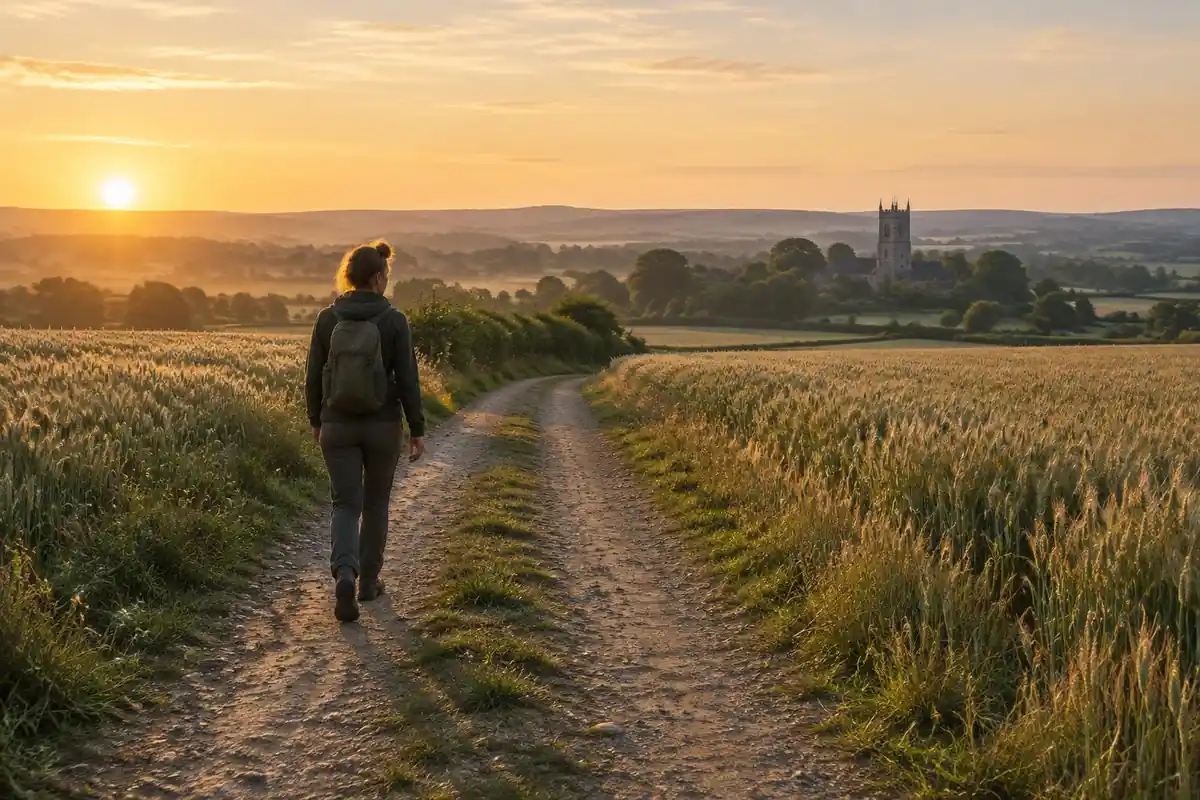
Start with torso fit, not liters, so the hipbelt carries the load across long road and track days. Prioritize a ventilated back panel, because much of the Camino is hot and exposed, and a rain cover for wet Galician stages. Hipbelt pockets, a hydration sleeve, and easy top access keep the daily rhythm simple.
Who each type suits
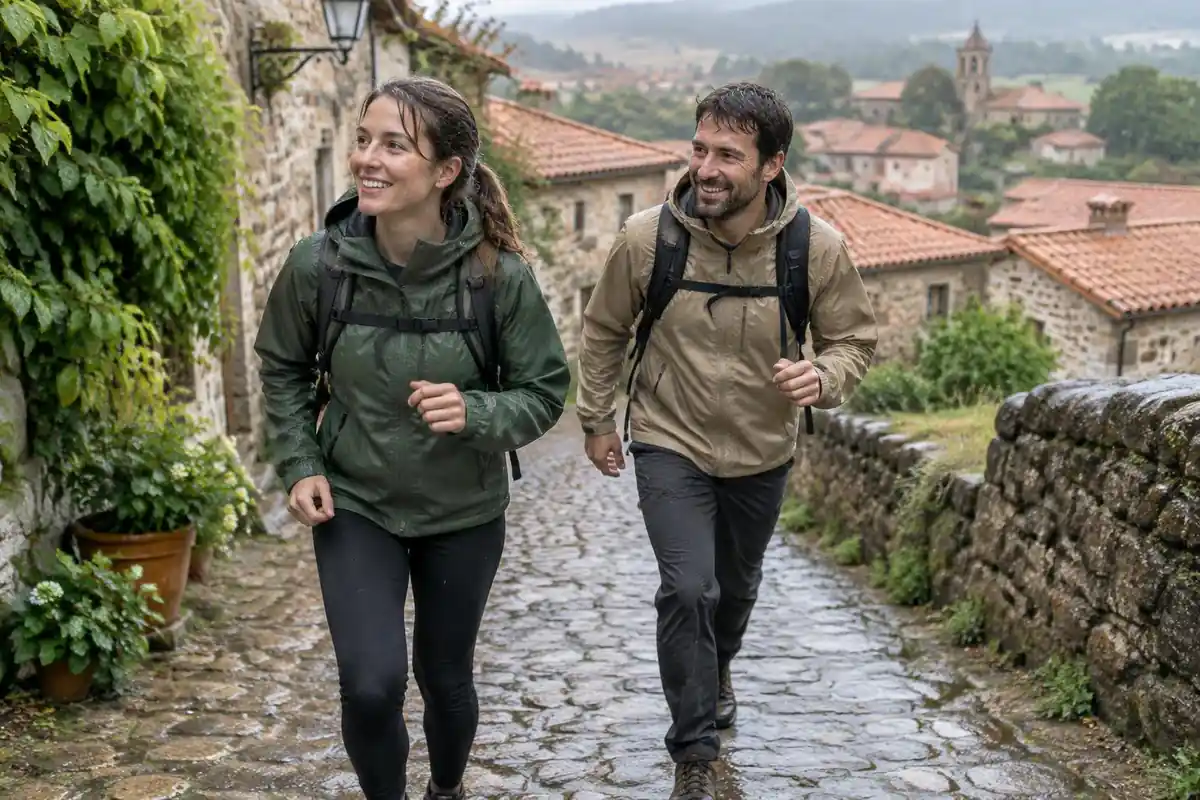
Minimalist pilgrims who send a bag ahead each day want a sub-20-liter daypack. Self-carried pilgrims want a 25 to 30 liter pack with a supportive hipbelt. Anyone prone to a hot, sweaty back should choose a trampoline-mesh ventilated suspension. Avoid oversizing: a 40-liter pack simply invites you to carry things you do not need for a hostel-based walk.
Trade-offs
A larger, more padded pack is more comfortable empty but tempts you to overpack, and every extra kilogram is felt over hundreds of kilometers. A very small ultralight pack saves weight but skimps on the hipbelt; on the Camino, a real hipbelt matters more than shaving grams.
Full Ranking, Reviewed

Best for Backpacks for the Camino de Santiago
- 33 L capacity
- 3.0 lb empty
- Hydration-ready
- Lightweight & versatile design
- Hydration sleeve keeps water within easy reach
- Breathable mesh back keeps air moving against your spine
- Colours and exact capacity options change often on Amazon — confirm the current variant on the listing before buying.
Verdict: This 33 L hiking pack pairs a breathable back with room for a bladder, making it our overall pick for Backpacks for the Camino de Santiago.

Best for Backpacks for the Camino de Santiago
- 32 L capacity
- Rain cover included
- Designed for multi-day hikes
- Routes a hydration bladder and hose without fuss
- Ventilated back panel cuts sweat on long climbs
- Check the size and colour options on the live listing, as availability shifts.
Verdict: This 32 L hiking pack pairs a breathable back with room for a bladder, making it well worth a look for Backpacks for the Camino de Santiago.
Why the 10% target is reasonable for a long walk
The page's target of keeping the loaded pack near 10% of body weight is lower than most backpacking advice, and there is research to support aiming low on a long walking route. A 2026 study of long-distance hikers found that packs heavier than about 10% of body weight produced a clear, load-dependent rise in plantar pressure; forefoot pressure rose 5.41% with a 10% pack and 8.73% with a 20% pack compared with no pack.1 The same paper notes the literature has suggested a backpack should not exceed 10 to 15% of body weight.
Other sources give higher ceilings for heavier trips: pack maker Deuter says people can carry a maximum of 20 to 25%,2 and a research review suggests adult hiking loads should generally not exceed 40% of body mass.3 Those limits are for trips where you carry shelter and food. On a hostel-based walk repeated for weeks, the lower target makes sense because foot load builds up day after day. Weight on the feet counts too: a military review found each kilogram added to the foot raises energy use 7 to 10%,4 so light footwear matters as much as a light pack.
Heat, sweat and blisters
Much of the Camino is exposed, so heat is a real planning issue. CDC suggests doing outdoor activity in the coolest parts of the day when heat risk is high,5 which is one reason many pilgrims start walking early. NPS at Grand Canyon notes that most heat-illness rescues there involve people hiking between 10 a.m. and 4 p.m.6 Heat stroke is a medical emergency; call for help immediately if someone becomes confused or stops making sense.7
Ventilation is how the pack helps. REI describes suspended mesh back panels as holding the packbag a few inches off the back to reduce sweat,8 and Deuter describes its Aircomfort system as having a gap between mesh and back.9 A sweaty back also means damp clothing rubbing all day, and blisters are the classic Camino complaint. A systematic review found blisters and ankle sprains are the most common hiking injuries, with blisters making up 8 to 33% of reported injuries.10 Dermatologists recommend nylon or moisture-wicking socks and shoes that fit properly, and stopping when skin becomes painful or red.11 See a doctor for signs of infection.
Water, flights and poles
Water is the one heavy item you carry every day. A liter weighs about a kilogram,12 so a 2-liter bladder adds 2 kg to a pack you are trying to keep near 10% of body weight. Villages and fountains are frequent on many stages, so it often makes sense to carry only what the gap to the next source needs.
Most pilgrims fly in, which makes pack size an airline question too. For example, Delta's carry-on maximum is 22 x 14 x 9 inches,13 and rules differ between airlines, so check yours. If you walk with poles, TSA allows blunt-tipped hiking poles in carry-on bags but not sharp-tipped ones,14 so either check them or plan to buy poles on arrival.
Frequently Asked Questions
Do you need a big backpack for the Camino de Santiago?
No. Most Camino pilgrims carry a 20 to 30 liter pack, because albergues provide beds and villages resupply daily, so there is no tent, sleeping bag, or multi-day food to carry. Keeping the loaded pack near 10% of body weight matters more than volume.
Related Buying Guides
Planning a hiking trip? Compare hotels, lodges and guesthouses.
Book on Booking.com Book on AgodaAffiliate links: we may earn a commission at no extra cost to you.