
Best Backpack For Tour Du Mont Blanc
Best Backpack For Tour Du Mont Blanc, ranked from aggregated owner ratings and reviews, not first-hand testing. Real pros, cons, and who each pick is best for.
Affiliate disclosure: this page contains affiliate links. Purchases made through them may earn us a commission at no extra cost to you. See our affiliate disclosure.
In plain English
The Tour du Mont Blanc is a long walk that loops around Europe's Mont Blanc mountain, crossing between several countries. Most people sleep in mountain huts, called refuges, along the way. Because the huts give you a bed and a hot meal, you do not need to carry a tent, a stove or a big sleeping bag. That is why your backpack can be much smaller than a camping pack.
Think of it like a long road trip where every night is at a hotel. You only pack clothes, a toothbrush and snacks, not a camping kit. But the mountains can turn cold and wet in an hour, so the bag still needs room for a rain jacket, rain pants and a warm layer.
The pack should feel like part of your body. A padded belt around your hips should hold most of the weight, and the shoulder straps should just keep it steady. If you plan to camp instead of using huts, you need a bigger bag that can hold a tent and sleeping gear.
Our Top 3 Picks
Quick Comparison
| Shell | Extras | Buy | ||||
|---|---|---|---|---|---|---|
| 1 | Osprey Talon 33L Men's Lightweight Hiking BackpackTop Overall Pick | 33 L | 3.0 lb | — | Hydration | View |
What size pack for the Tour du Mont Blanc?
A 30 to 40 liter pack is ideal for the Tour du Mont Blanc when you stay in refuges, because the huts provide beds, blankets, and meals, so you leave the tent, sleeping bag, and stove behind. Campers and those doing a self-supported variant need a full multi-day pack instead.
How to choose
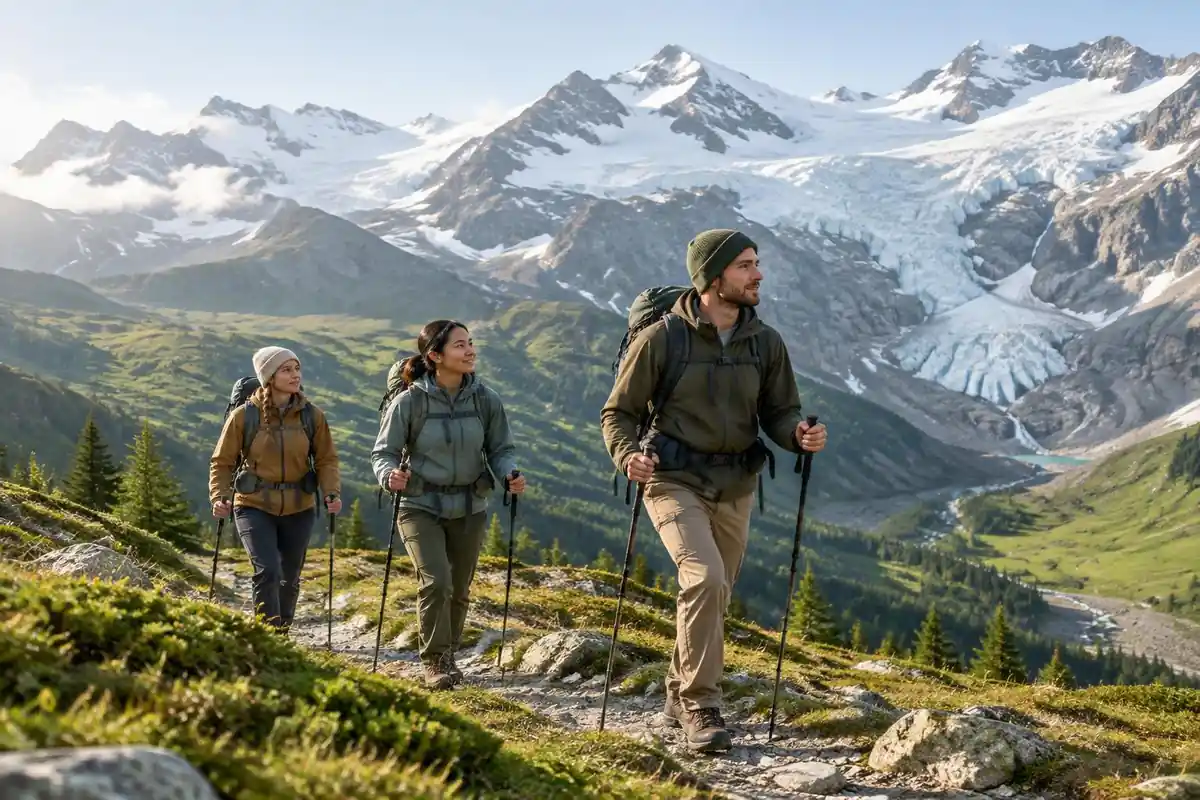
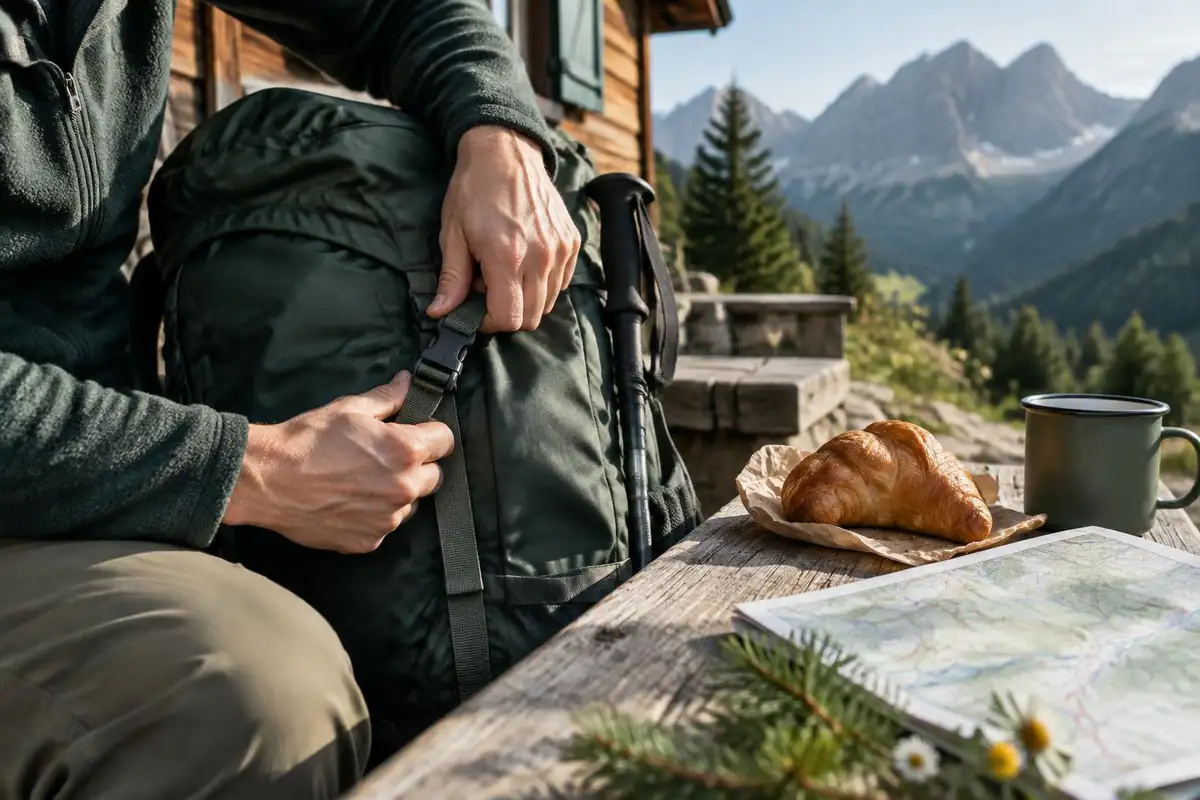
Because the TMB crosses high passes with fast-changing weather, prioritize a stable hipbelt, a ventilated back for the climbs, and reliable rain protection. Some refuges require a sleeping-bag liner, so check each refuge's rules and factor that into your kit. Trekking-pole attachment is worth having for the long descents.
Who each type suits
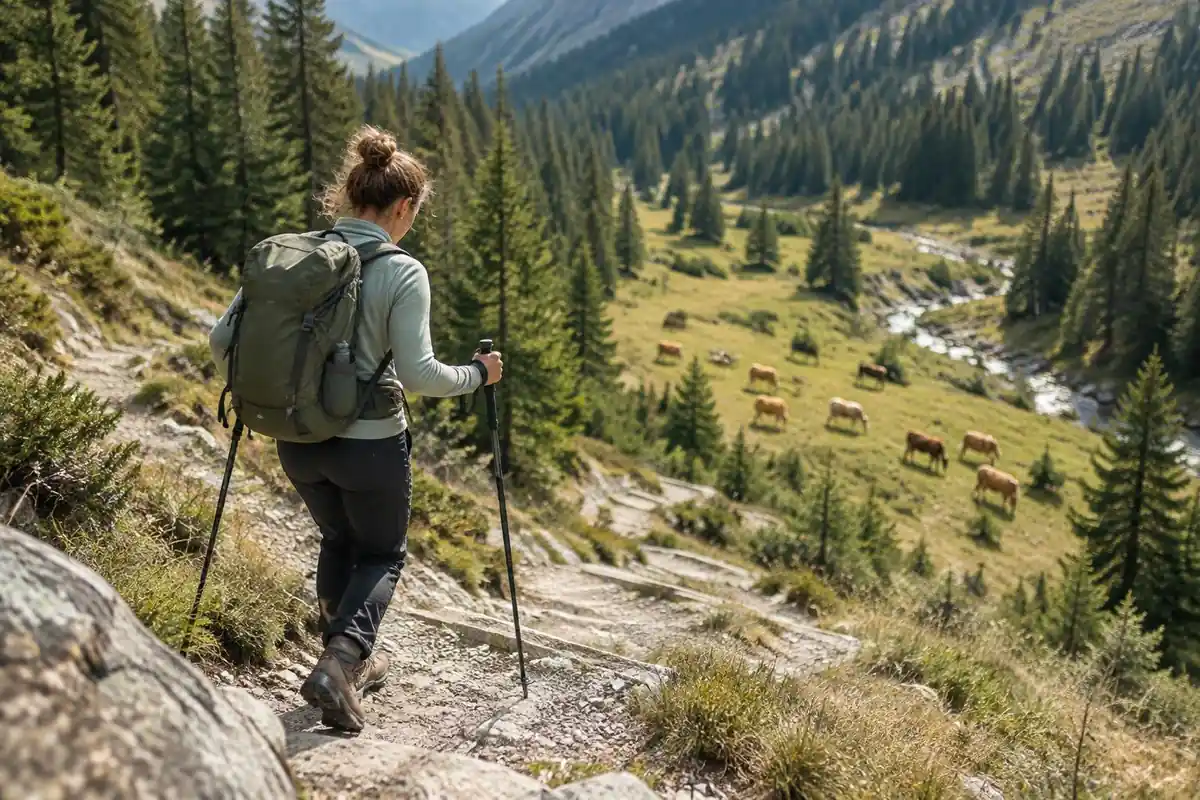
Hut-based trekkers want a ventilated 35-liter pack with a supportive hipbelt. Self-supported and camping hikers should step up to a 50-to-60-liter multi-day pack to carry shelter and sleep systems. Fast, light hikers can use a 30-liter fastpacking-style pack if their kit is minimal.
Trade-offs
Going too small on a hut trip leaves no room for the layers and rain gear alpine weather demands; going too large adds weight you carry over every pass for gear you are not using. A 35-liter ventilated pack is the reliable middle for the classic hut-based TMB.
Full Ranking, Reviewed

Best for Backpacks for the Tour du Mont Blanc
- 33 L capacity
- 3.0 lb empty
- Hydration-ready
- Lightweight & versatile design
- Set up to carry a reservoir for hands-free sipping
- Airflow channels help your back stay cooler under load
- Colours and exact capacity options change often on Amazon — confirm the current variant on the listing before buying.
Verdict: This 33 L hiking pack pairs a breathable back with room for a bladder, making it our overall pick for Backpacks for the Tour du Mont Blanc.
Why a hut trek shrinks the pack, and where the savings stop
The page's 30 to 40 liter range sits between the Washington Trails Association's general bands: WTA puts a full-day hike at 25 to 30 liters and a standard one- or two-night camping trip at 45 to 50 liters.1 A hut trek lands in that gap because the bulkiest camping items, the shelter and sleeping bag, are part of what the Appalachian Trail Conservancy calls the big three, usually the heaviest pieces of gear.2 Hut systems elsewhere work the same way: at the Appalachian Mountain Club's White Mountain huts, a full-service stay includes dinner and breakfast, so hikers carry lunches and layers rather than a kitchen.3
The savings stop at clothing and weather gear. A multi-day hut trip still means spare socks and base layers, a warm midlayer, full rain protection, lunches for each day and personal items. That is why a pack at the small end of the range can feel tight on day one, when everything is clean and folded, and a 35 to 40 liter bag leaves room to stuff a wet jacket on the outside of the load rather than on top of dry clothes.
Alpine weather sets the real packing list
Afternoon storms shape how an alpine day should run. The National Weather Service advises that mountain thunderstorms often build in the early afternoon, so hikers should start early and be off exposed ground by noon, avoiding ridge tops and hilltops.4 In practice, a pack with fast-access rain gear, a hip-belt pocket for snacks and a map you can reach without stopping helps you keep that early pace.
Cold rain is the other planning risk. CDC notes hypothermia can develop even above 40°F when a person gets chilled by rain, sweat or cold water, and it lists hikers among the people at higher risk.5 Sun matters too at height: EPA says UV intensity rises about 6% for every kilometer above sea level.6 Pack space for a warm layer, a waterproof shell and sun protection is therefore more useful than space for extras you might want in the valley towns.
If any stage of your route sleeps at high altitude, CDC's Yellow Book says any unacclimatized person sleeping at 8,000 ft or higher is at risk of altitude illness, and that fitness does not protect against it.7 Check the sleeping elevation of each refuge on your itinerary and see a doctor before the trip if you have concerns.
Descents, poles and the sleeping-liner question
The page suggests trekking-pole attachments for the long descents, and the lab evidence supports poles most clearly downhill. On a 25-degree downhill ramp, poles cut knee compressive and shear forces by 12 to 25%.8 A separate study found the downhill benefit held with no pack, a day pack and an expedition-weight pack.9 On level ground the picture is different: one study found poles did not appear to reduce knee compression at all.10 That makes secure pole stowage worth checking, so you can put poles away on flat valley sections and pull them out for descents.
The page says some refuges require a light sleeping-bag liner. None of the verified sources in this site's library covers Alpine refuge rules, so treat that as a point to confirm with each hut when you book rather than a fixed rule. A silk or synthetic liner packs small either way, so leaving room for one costs little.
Frequently Asked Questions
Do you need a tent for the Tour du Mont Blanc?
Not if you stay in refuges. The Tour du Mont Blanc is usually walked hut-to-hut, with beds and meals provided, so most trekkers carry a 30 to 40 liter pack and leave the tent, sleeping bag, and stove at home. Only campers and self-supported hikers need a larger multi-day pack.
Related Buying Guides
Planning a hiking trip? Compare hotels, lodges and guesthouses.
Book on Booking.com Book on AgodaAffiliate links: we may earn a commission at no extra cost to you.