
Best Backpack For Machu Picchu
Best Backpack For Machu Picchu, ranked from aggregated owner ratings and reviews, not first-hand testing. Real pros, cons, and who each pick is best for.
Affiliate disclosure: this page contains affiliate links. Purchases made through them may earn us a commission at no extra cost to you. See our affiliate disclosure.
In plain English
Machu Picchu is a famous ancient city high in the mountains of Peru. Many visitors walk there on the Inca Trail, a hike of several days. On organized tours, local porters carry the heavy gear, like tents and sleeping bags, in a soft duffel bag. You only carry a small backpack, called a daypack, with the things you need during each day.
Your daypack is like a school bag for a long field trip. It holds water, a rain jacket, a warm top, snacks, sunscreen and your passport. It does not need to hold your bed or your kitchen, because someone else carries those.
Even a small bag gets heavy with water in it. A liter of water weighs about 2.2 pounds. So look for a daypack with a padded belt around your hips and comfortable shoulder straps. Thin drawstring bags and laptop bags look similar but get uncomfortable on steep, all-day climbs.
Our Top 3 Picks
Quick Comparison
| Shell | Extras | Buy | ||||
|---|---|---|---|---|---|---|
| 1 | Osprey Talon 22L Men's Lightweight Hiking BackpackTop Overall Pick | 22 L | 2.4 lb | — | Hydration | View |
| 2 | Deuter Speed Lite 21L Hiking Lightweight BackpackBest Value | 21 L | 17 oz | — | Hydration | View |
| 3 | Osprey Tempest Velocity 20L Women's Hiking BackpackBest Ultralight | 20 L | 30 oz | — | Hip belt | View |
| 4 | Haimont 25L Lightweight Hiking Daypack with Rain CoverBest Hydration Pack | 25 L | 20 oz | 600D polyester | Rain cover | View |
What backpack do you need for Machu Picchu?
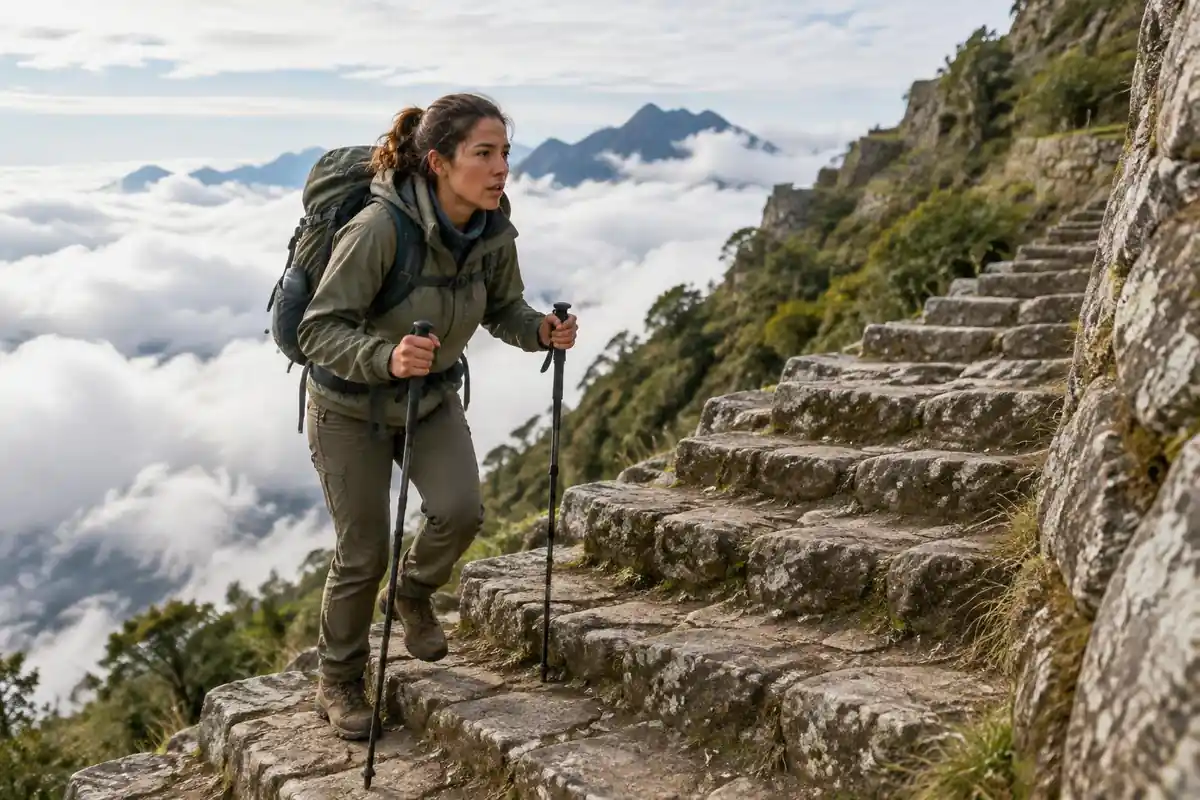
For the classic Inca Trail to Machu Picchu you carry a 25 to 35 liter daypack, because the trek is portered: porters move your tent, sleep system, and main kit in a duffel with a strict weight limit, while you walk with the day's essentials. Independent treks to the site itself need only a daypack for the day.
How to choose
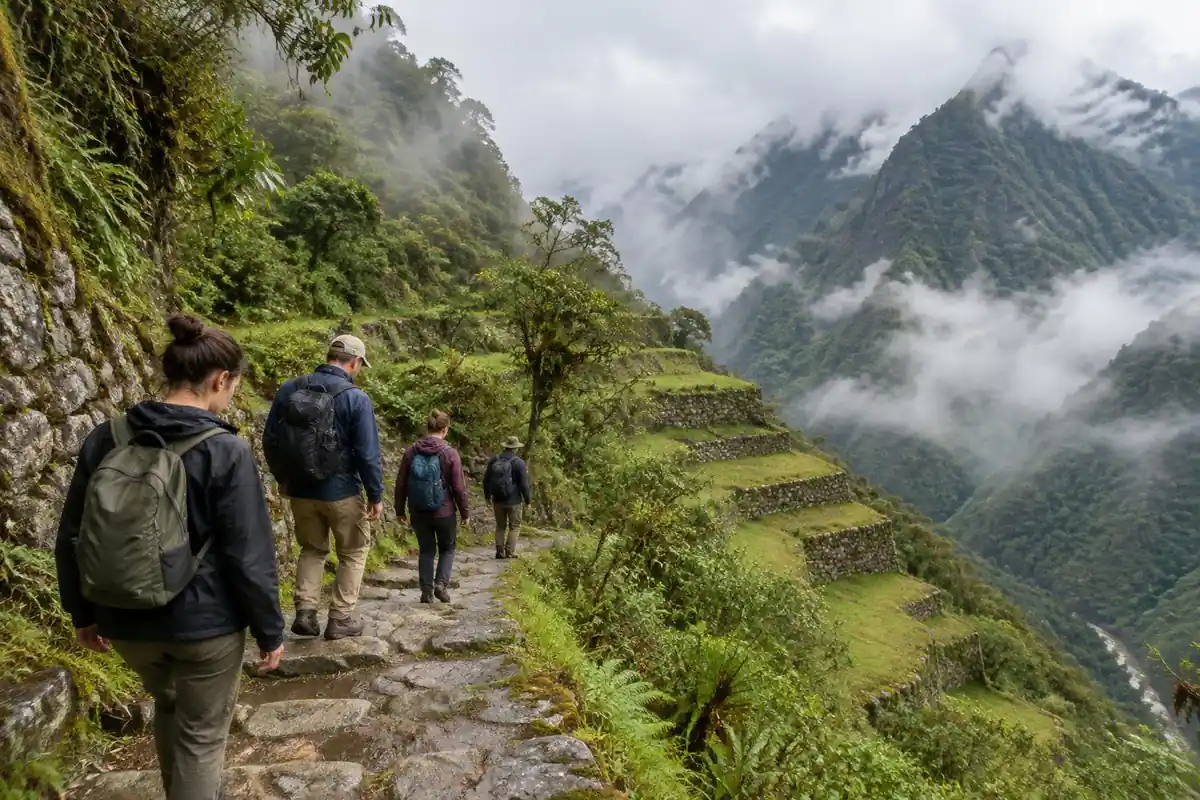
The daypack needs to hold 2 to 3 liters of water, rain gear (the cloud forest is wet), sun protection, snacks, and layers for the high passes such as Dead Woman's Pass. A ventilated 30-liter pack with a hipbelt, a hydration sleeve, and a rain cover is ideal. Keep your passport (needed to enter the site), money, and camera in the daypack you carry.
Porter duffel rules
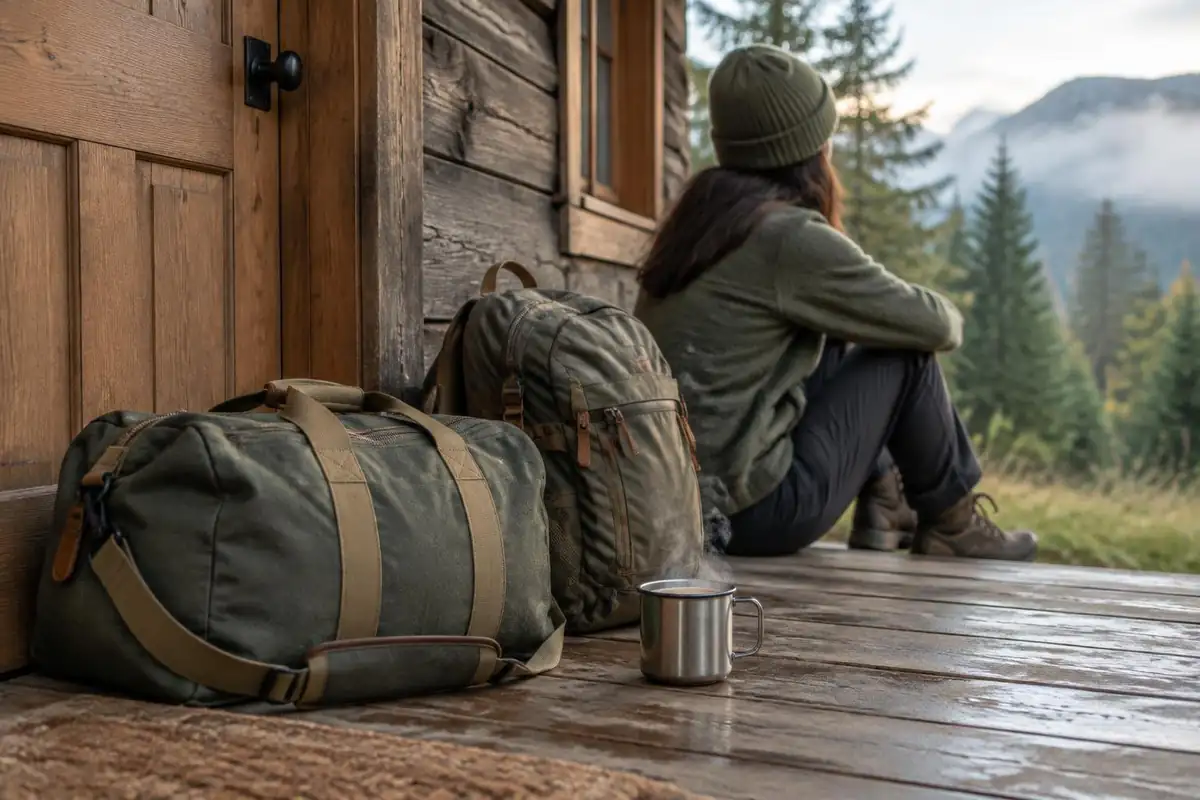
Inca Trail operators enforce a porter weight limit for your duffel (the allowance varies by operator), so pack light and confirm the exact allowance with your operator. Use a soft duffel, never a framed pack, for the portered load.
Trade-offs
A larger daypack tempts you to carry gear the porters should take; a very small one leaves no room for the layers and water the altitude and weather require. A 30-liter ventilated daypack with a hipbelt is the dependable choice.
Full Ranking, Reviewed

Best for Backpacks for Machu Picchu
- 22 L capacity
- 2.4 lb empty
- Hydration-ready
- Lightweight & versatile design
- Set up to carry a reservoir for hands-free sipping
- Breathable mesh back keeps air moving against your spine
- Check the size and colour options on the live listing, as availability shifts.
Verdict: This 22 L daypack pairs a breathable back with room for a bladder, making it a strong choice for Backpacks for Machu Picchu.

Best for Backpacks for Machu Picchu
- 21 L capacity
- 17 oz empty
- Hydration-ready
- Designed for comfort
- Hydration sleeve keeps water within easy reach
- Padded hip belt shifts load onto your hips, not your shoulders
- Colours and exact capacity options change often on Amazon — confirm the current variant on the listing before buying.
Verdict: This 21 L daypack pairs room for a bladder with real hip-belt support, making it well worth a look for Backpacks for Machu Picchu.

Best for Backpacks for Machu Picchu
- 20 L capacity
- 30 oz empty
- Padded hip belt
- Category-Leading Fit & Comfort
- Adjustable torso dials the fit to your back length
- Padded hip belt shifts load onto your hips, not your shoulders
- The 20 L capacity is snug for anything beyond a half-day on the trail.
Verdict: This 20 L daypack pairs real hip-belt support with an adjustable fit, making it well worth a look for Backpacks for Machu Picchu.

Best for Backpacks for Machu Picchu
- 25 L capacity
- 600D polyester shell
- 20 oz empty
- Rain cover included
- Built for Day Hikes
- Set up to carry a reservoir for hands-free sipping
- Breathable mesh back keeps air moving against your spine
- Colours and exact capacity options change often on Amazon — confirm the current variant on the listing before buying.
Verdict: This 25 L hiking pack pairs a breathable back with room for a bladder, making it an easy shortlist pick for Backpacks for Machu Picchu.
Sizing the daypack around water and weather
The page's 25 to 35 liter range lines up with the Washington Trails Association's guidance that a 25 to 30 liter pack suits a full-day hike.1 The heaviest thing in it will be water. One liter of water has a mass of about 1 kg, so the 2 to 3 liters the page suggests adds roughly 4.4 to 6.6 lb before anything else goes in.2 That is why a hip belt matters even on a daypack: load-carriage research recommends shifting load from the shoulders to the hips, which tolerate pressure significantly better.3
Where the water sits changes how the pack carries. The Appalachian Mountain Club advises putting dense items like hydration about two-thirds of the way up the main compartment, centered and against your back.4 A hydration sleeve does this automatically. A drawstring sack with no frame or belt cannot, which is the main reason gym-style bags ride badly on a steep trail even when they are large enough.
Rain, sun and altitude on a mountain trek
Cloud forest means frequent wet weather, and wet clothes plus wind can chill you fast. CDC says hypothermia can develop even above 40°F if a person is chilled by rain, sweat or cold water.5 Pack fabrics are usually coated inside, but REI notes water can still seep through seams and zippers, and it says waterproof stuff sacks inside the pack can work better than a rain cover in wind.6 A liner bag for your warm layer and documents is cheap insurance.
Sun exposure is higher than many visitors expect. CDC's Yellow Book says UVB is most intense at higher elevations and closer to the equator, and it recommends broad-spectrum sunscreen of SPF 30 or higher, reapplied every two to four hours.7 Keep sunscreen, a hat and sunglasses in an outside pocket so you use them.
Altitude is a health question, not a gear question. CDC says any unacclimatized person sleeping at 8,000 ft or higher is at risk of altitude illness, and that physical fitness does not protect against it.8 Check the sleeping elevations on your itinerary and see a doctor before the trip. For water, CDC warns that even a clear mountain stream can carry germs and is generally not safe to drink untreated.9
The duffel limit and the flight home
Some guides cite a porter allowance of around 7 kg per trekker. The verified sources in this site's library do not cover Inca Trail porter rules, and allowances vary by operator, so treat that number as a typical example and get your operator's actual limit, including whether the sleeping bag and mat count toward it, before you pack.
Your daypack also becomes your carry-on for flights to and from Peru. Airline rules differ, so check your own carrier. For example, Delta says a small backpack can count as the free personal item if it fits under the seat in front, and its standard carry-on limit is 22 x 14 x 9 inches.10 A soft daypack that compresses well makes that easier than a rigid one.
Frequently Asked Questions
What size backpack for Machu Picchu?
A 25 to 35 liter daypack is right for the Inca Trail to Machu Picchu. Porters carry your main kit in a weight-limited duffel, so your daypack only needs the day's water, rain gear, sun protection, snacks, layers, and your passport for entry to the site.
Related Buying Guides
Planning a hiking trip? Compare hotels, lodges and guesthouses.
Book on Booking.com Book on AgodaAffiliate links: we may earn a commission at no extra cost to you.