
Best 60l Backpack
Best 60l Backpack, ranked from aggregated owner ratings and reviews, not first-hand testing. Real pros, cons, and who each pick is best for.
Affiliate disclosure: this page contains affiliate links. Purchases made through them may earn us a commission at no extra cost to you. See our affiliate disclosure.
In plain English
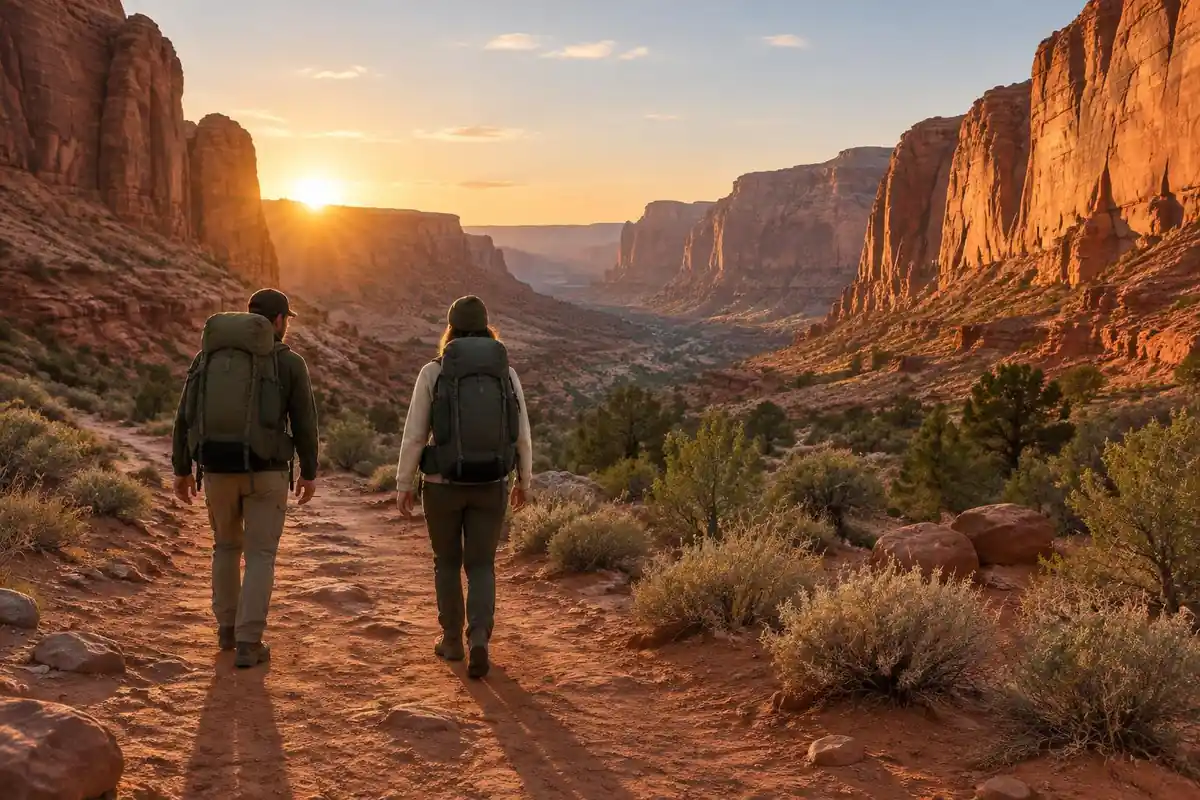
A 60-liter pack is a big pack for trips of about four nights to a week. It is only a few liters smaller than a 65-liter pack, so the choice between them usually comes down to fit and how bulky your gear is.
You will often hear that you should carry no more than a fifth of your body weight. That is a handy starting point, but it is a rule passed around by hikers rather than a scientific limit. Different experts give different numbers, and how fit you are and how well the pack fits both matter.
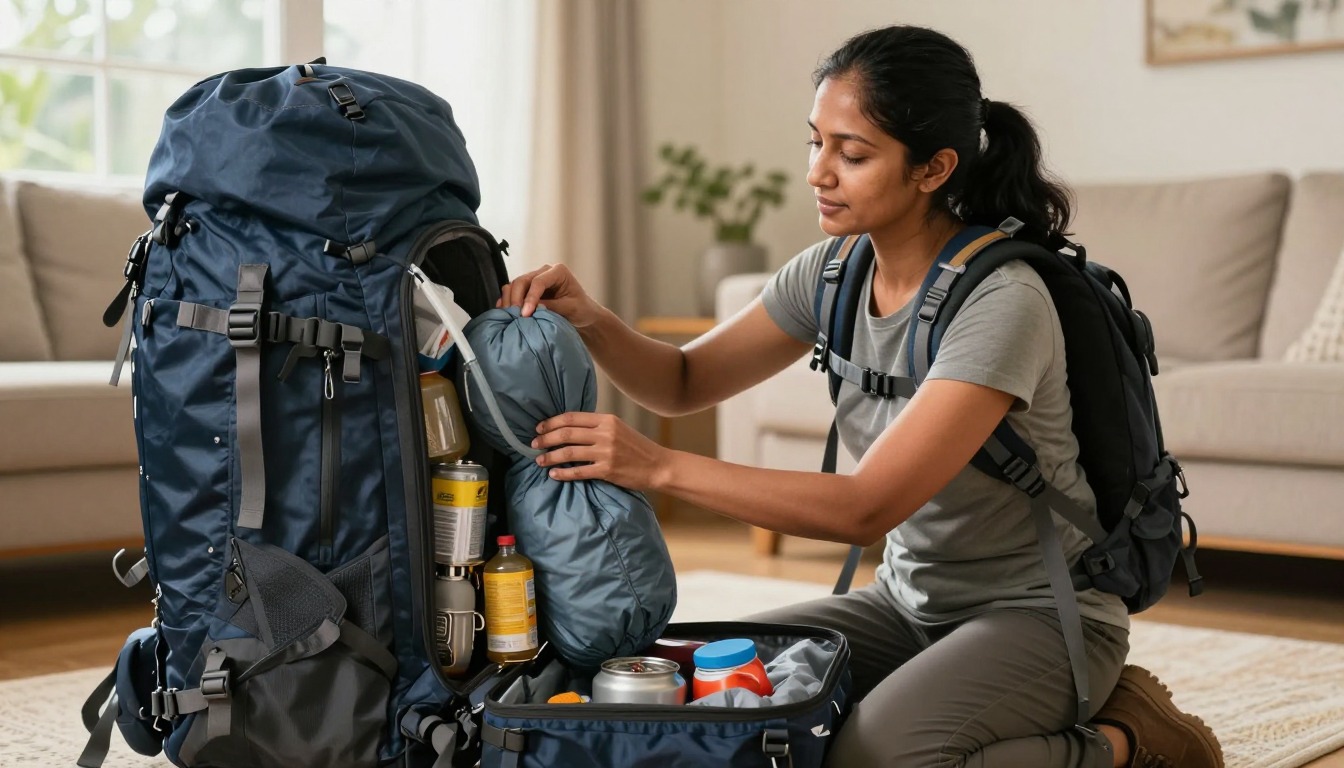
Where you put things inside the pack changes how it feels. Heavy items like food should sit close to your back, roughly between your shoulder blades, like carrying a heavy box hugged to your chest instead of at arm's length.
Our Top 3 Picks
Quick Comparison
| Shell | Extras | Buy | ||||
|---|---|---|---|---|---|---|
| 1 | Bseash 60L Waterproof Hiking Camping Backpack with Rain CoverTop Overall Pick | 60 L | 2.2 lb | Ripstop nylon | Rain cover | View |
| 2 | IGOLUMON 60L Hiking BackpackBest Value | 60 L | — | Nylon | Rain cover | View |
| 3 | Bseash 60L Hiking Camping Backpack with Rain CoverBest Ultralight | 60 L | 2.4 lb | Ripstop nylon | Rain cover | View |
| 4 | MOUNTAINTOP 60L Internal Frame Hiking BackpackBest for Multi-Day | 60 L | 4.1 lb | Nylon | Rain cover | View |
What makes a 60L backpack different from a 65L pack?
A 60L backpack differs from a 65L pack mainly in small details — usually 3 to 8 fewer liters in the lid pocket or extension collar — rather than a fundamentally different trip range; both sizes suit four- to seven-night trips. Some 60L packs, like the Gregory Deva 60, are built on a women's-specific frame geometry rather than being a simple scaled-down unisex design, which changes hipbelt shape and shoulder strap curve more than it changes capacity.
How do you check torso fit on a 60L pack?
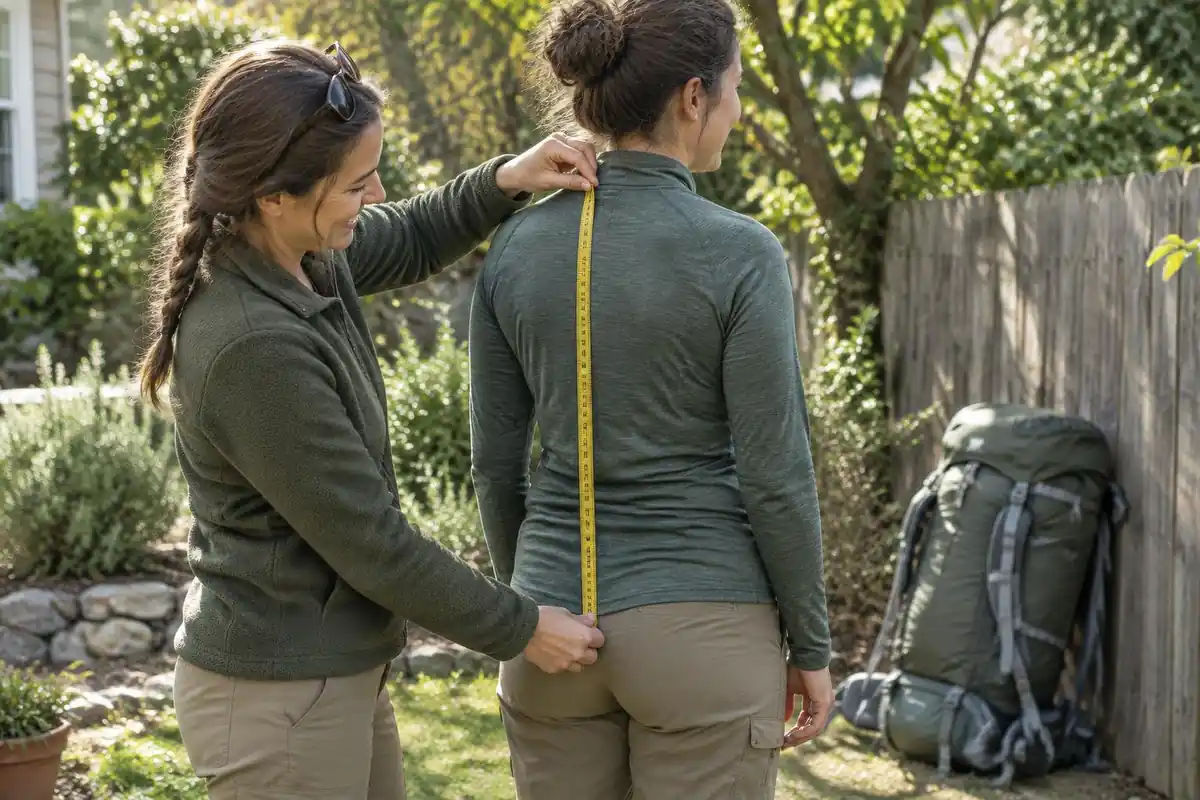
Check torso fit by measuring from the C7 vertebra at the base of the neck down to the iliac crest at the top of the hip bones, then matching that measurement to the brand's size chart before buying. Many 60L packs, including the Osprey Aura AG's smaller-volume siblings and the Granite Gear Crown2 60, come in fixed torso sizes rather than a single adjustable range, so trying the exact size on with a loaded pack matters more than trusting the size label alone.
Which frame type works best in a 60L pack?
Frame type in a 60L pack follows the same logic as larger packs: a suspended-mesh back panel suits ventilation and moderate loads, while an internal framesheet with stays suits heavier or bulkier loads. The Granite Gear Crown2 60 uses a removable, lightweight frame that keeps total pack weight low, which suits hikers prioritizing weight savings over maximum load-hauling capacity. A pack built with dual aluminum stays holds its shape better under an uneven load, including a bear canister packed low against the back panel.
How much load can a 60L pack carry comfortably?
Load ratings vary by pack: Gossamer Gear, for example, rates its 60-liter Mariposa at 30 pounds for comfort and 35 pounds maximum, while heavier framed packs are rated higher, so check the maker's rating and match it to your trip, including food and any bear canister. A common rule of thumb is to keep total pack weight under about 20% of body weight for a more comfortable, less fatiguing carry over multiple days; a correctly fitted hipbelt should be doing most of that work, not the shoulders.
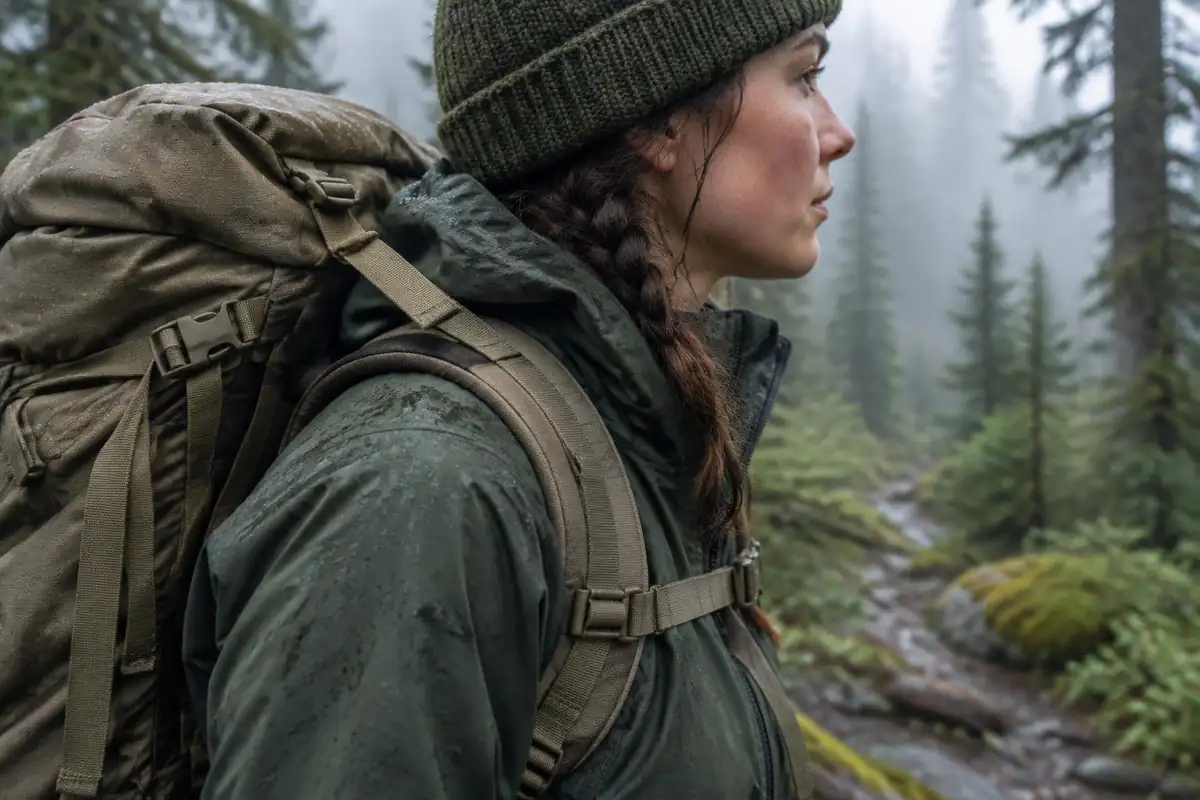
Who should choose a 60L pack instead of a 65L?
Choose a 60L pack when your gear list runs slightly leaner than a full 65L load requires — a lighter sleep system, no group gear to split, or a smaller food carry — or when a body-specific fit like the Gregory Deva 60 or Osprey Aura AG matters more to comfort than a few extra liters. Choose a 65L pack instead when you regularly carry a full-size bear canister or split shared group gear, since the extra volume gives more packing margin without forcing a tight fit.
How do you decide between two 60L packs?
Load-test both packs with a realistic 25–30 pound load, walk in them for several minutes, and compare how the hipbelt sits on your hip bones rather than your waist. Check whether the main compartment shape fits your bulkiest single item — often a bear canister or a bulky sleeping bag — and compare back-panel ventilation style before deciding based on total weight or price alone.
Full Ranking, Reviewed

Best for 60L backpacks
- 60 L capacity
- Ripstop nylon shell
- 2.2 lb empty
- Rain cover included
- Comfortable Daypack
- Hydration sleeve keeps water within easy reach
- Airflow channels help your back stay cooler under load
- That 60 L volume is overkill for quick hikes and better suited to multi-night trips.
Verdict: This 60 L backpacking pack pairs a breathable back with room for a bladder, making it a strong choice for 60L Backpacks.

Best for 60L backpacks
- 60 L capacity
- Nylon shell
- Rain cover included
- Set up to carry a reservoir for hands-free sipping
- Airflow channels help your back stay cooler under load
- Includes a rain cover for sudden downpours
- That 60 L volume is overkill for quick hikes and better suited to multi-night trips.
- The fabric is water-resistant rather than fully waterproof, so a pack liner helps in sustained rain.
Verdict: This 60 L backpacking pack pairs a breathable back with room for a bladder, making it an easy shortlist pick for 60L Backpacks.

Best for 60L backpacks
- 60 L capacity
- Ripstop nylon shell
- 2.4 lb empty
- Rain cover included
- Comfortable Daypack
- Hydration sleeve keeps water within easy reach
- Breathable mesh back keeps air moving against your spine
- At 60 L it is more pack — and more weight — than a day hiker needs; it earns its keep on overnight and multi-day loads.
Verdict: This 60 L backpacking pack pairs a breathable back with room for a bladder, making it well worth a look for 60L Backpacks.

Best for 60L backpacks
- 60 L capacity
- Nylon shell
- 4.1 lb empty
- Rain cover included
- Breathable mesh back keeps air moving against your spine
- Packs an integrated rain cover to keep gear dry
- Adjustable torso dials the fit to your back length
- At 60 L it is more pack — and more weight — than a day hiker needs; it earns its keep on overnight and multi-day loads.
Verdict: This 60 L backpacking pack pairs a breathable back with a bundled rain cover, making it an easy shortlist pick for 60L Backpacks.
The 20% guideline: what the evidence actually shows
The page repeats the common advice to keep total pack weight under about 20% of body weight. No primary study establishes that figure; it's a hiking-community rule of thumb. Published numbers vary. Deuter states people can carry a maximum of 20–25% of body weight.1 A 2022 review suggests adult loads in hiking and military settings should generally not exceed 40% of body mass.2 A 2026 study of long-distance hikers cites a 10–15% guideline from the literature and found foot pressure rose clearly above about 10%.3 Real hikers often exceed 20%: Appalachian Trail backpackers in one study averaged 25% (men) and 27.9% (women).4
The hipbelt share is contested in the same way. Big Agnes aims for about 80% on the hips,5 Alpkit says 60–80%,6 and the US Army's foot-march manual estimates about 30% on the hips and 70% on the shoulders with a frame and hip belt.7 What holds across sources is that the hips should do as much as the pack's design allows.
Fixed sizes, adjustable torsos and fine-tuning
Deuter says even adjustable packs should be chosen in the correct back length,8 because the adjustment range is meant for fine-tuning, not for fixing the wrong size. Hyperlite adds that height is not a reliable stand-in for torso length.9
Once the size is right, check where the shoulder straps land. Gossamer Gear says straps set too high pinch the neck, while straps set too low reduce the weight transferred to the hip belt.10 Kelty says the straps should run over your shoulders and just begin to angle down toward the pack.11
Where to put the heavy stuff, including a canister
The Appalachian Mountain Club suggests dense, heavy items about two-thirds of the way up the main compartment, centered and against your back.12 A military load-carriage review adds a nuance that supports the page's advice to pack a canister low against the back panel: low or mid-back placement may suit uneven terrain, while high placement may be best on even ground.13
Canister rules are set park by park. Rocky Mountain National Park, for example, requires canisters for all wilderness overnights and says to keep them 200 feet from the campsite.14 Check the current rules for your destination.
Frequently Asked Questions
Is a 60L backpack big enough for a week-long trip?
Yes, for most three-season week-long trips carrying 30 to 40 pounds. A 60L pack fits a typical week of food, a sleep system, and shared or personal shelter; only heavier winter loads or bulky group gear usually push a hiker toward 65L or larger instead.
Do women's-specific 60L packs fit differently?
Yes. Women's-specific packs like the Gregory Deva 60 use a shorter torso range, a narrower shoulder strap curve, and a differently shaped hipbelt than a unisex pack scaled down in size, which typically improves fit rather than just reducing capacity.
Can a 60L pack fit a bear canister?
Often yes, especially with a wide-bodied design, though fit is tighter than in a 65L pack. Check the pack's internal main-compartment width against the canister's diameter, about 8.7 inches for a standard BV500, before relying on a 60L pack for a canister trip.
Related Buying Guides
Planning a hiking trip? Compare hotels, lodges and guesthouses.
Book on Booking.com Book on AgodaAffiliate links: we may earn a commission at no extra cost to you.