

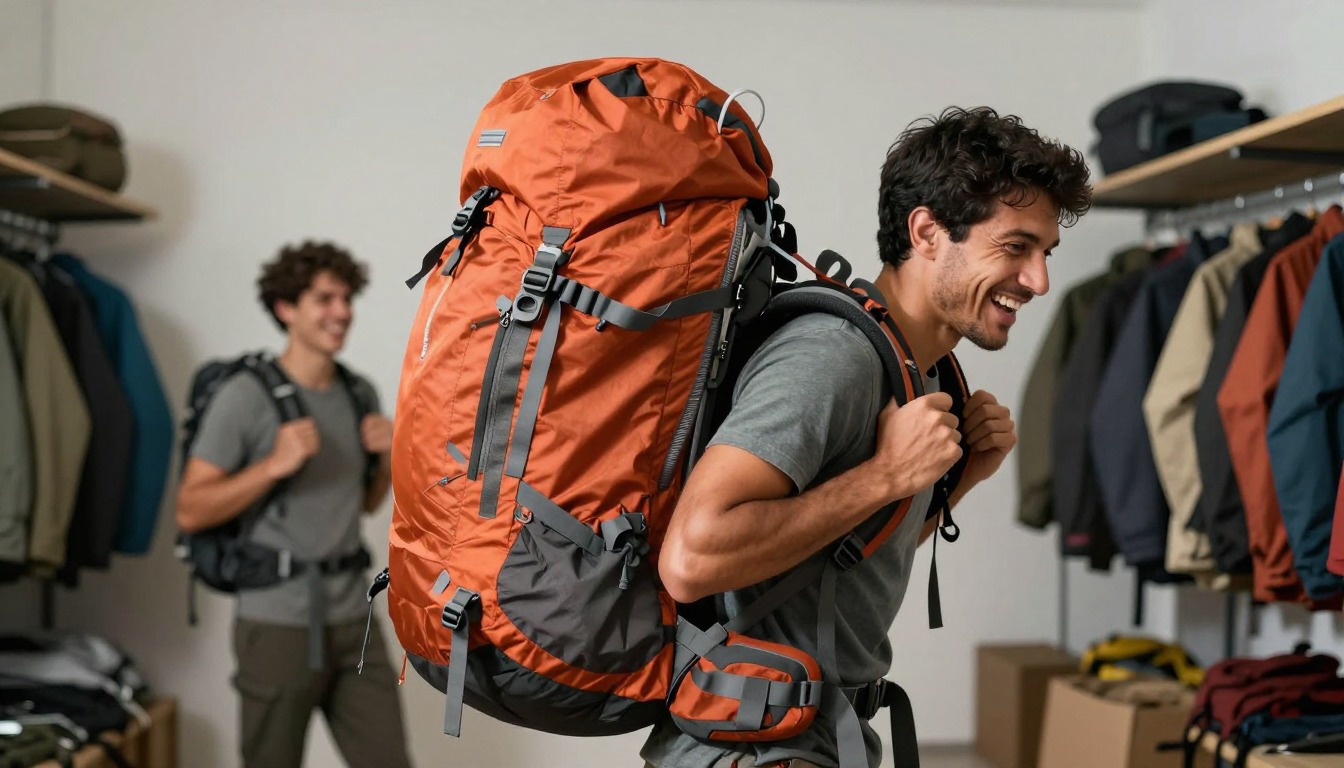


A 65L backpack is too big for short trips and light loads, but sized correctly for extended multi-day routes. The mismatch shows up as instability: a half-empty 65L bag shifts weight with every step, even when compression straps are cinched down, because the frame itself is built for a larger, heavier load than it's carrying.
When is 65L the right size?
65L fits trips of four to seven nights, resupply-free thru-hike sections, and any trip carrying a hard-sided bear canister, since the canister alone can take up a third of the main compartment. It's also appropriate for shoulder-season or winter three-season trips, where a warmer sleeping bag and extra insulating layers add bulk faster than they add weight.
When is 65L too big?
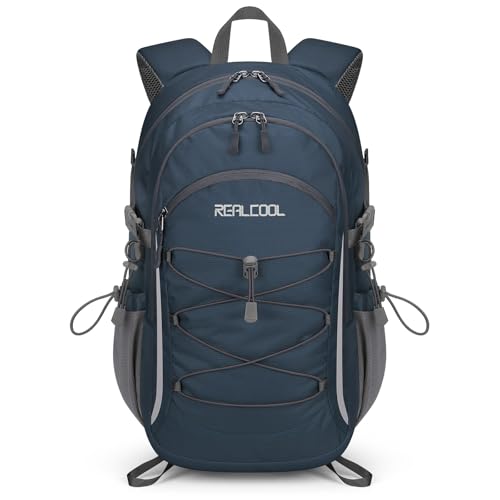
65L is oversized for weekend trips under three nights and for hikers carrying under 30 pounds total. In these cases, a 45–55L pack rides more stably, since its shorter frame and smaller compartment don't need to be compressed down to fit a lighter load.
| Trip Type | Better Fit |
|---|---|
| Weekend, 1–2 nights | 35–45L |
| Standard multi-day, 3–5 nights | 45–55L |
| Extended trip, 4–7 nights, or bear canister | 55–65L |
| Week-plus or winter expedition | 65L+ |
Hikers who take both short and long trips regularly sometimes keep two packs rather than compromising with one 65L bag for everything, since a pack sized correctly for the load carries noticeably better than one relying on compression straps to make up the difference.