


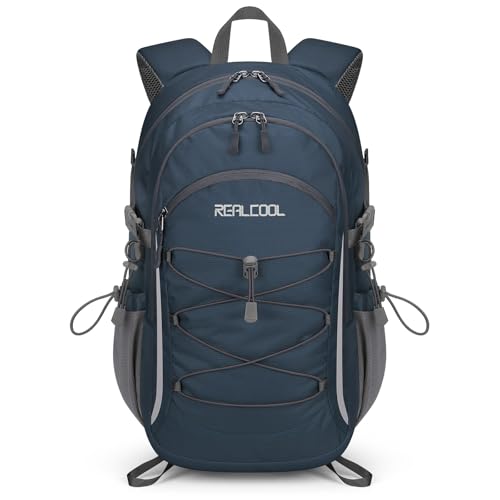
Base weight is the total weight of your backpack and everything inside it, excluding consumables and worn or carried items. Hikers use it because food, water, and fuel weight changes daily and trip to trip, while clothing choices depend on weather, so neither number reflects your actual gear kit consistently. Base weight isolates the one number that stays constant regardless of trip length or conditions: what's actually in the pack.
What counts toward base weight?
Base weight includes the backpack itself, shelter, sleep system, cook system, clothing carried but not worn, first aid and repair items, and any electronics or accessories packed rather than worn. It excludes food, water, fuel, and anything worn on your body or held in your hands — boots, the clothes you're hiking in, trekking poles, and a phone in your pocket typically don't count.
Why does base weight exclude consumables and worn items?
Consumables vary too much trip to trip to serve as a useful comparison point — a six-day resupply carries far more food than a weekend trip, even with identical gear. Worn items are excluded for a similar reason: what you wear depends on weather and personal preference more than on your gear choices, and including them would make base-weight numbers harder to compare between hikers or between your own trips.
How does base weight compare across backpacking styles?
| Style | Typical base weight |
|---|---|
| Traditional backpacking | 20–30+ lb |
| Lightweight backpacking | 10–20 lb |
| Ultralight backpacking | Under 10 lb |
These ranges are community conventions, not official standards, so gear lists near a boundary get labeled inconsistently between hikers.
How do you calculate your own base weight?
Weigh every item that goes in your pack — not food, water, or fuel — on a kitchen or postal scale, since manufacturer specs can be off by an ounce or more per item. Log each item and its weight in a spreadsheet or a tool like LighterPack, then total the list. Tracking base weight this way also shows exactly which categories, usually the "big three" of pack, shelter, and sleep system, offer the biggest opportunities to cut weight.