

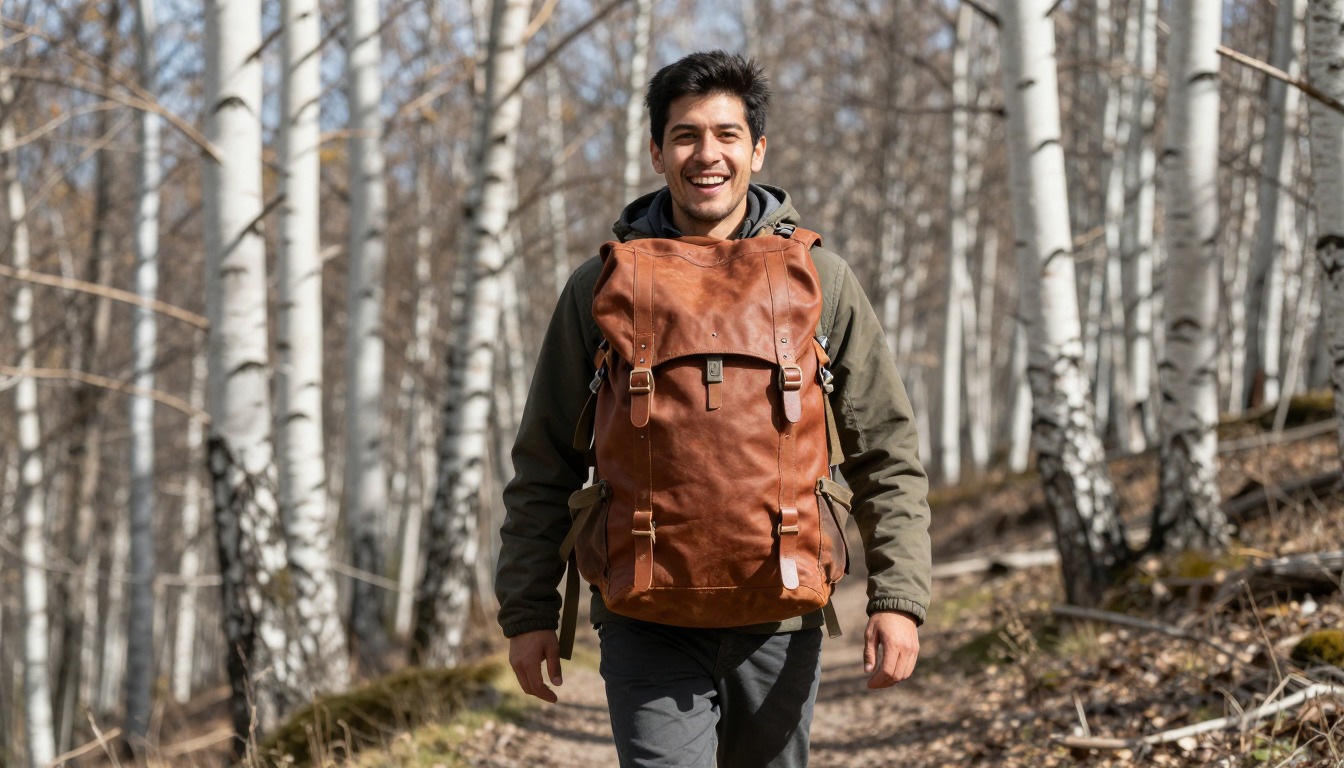


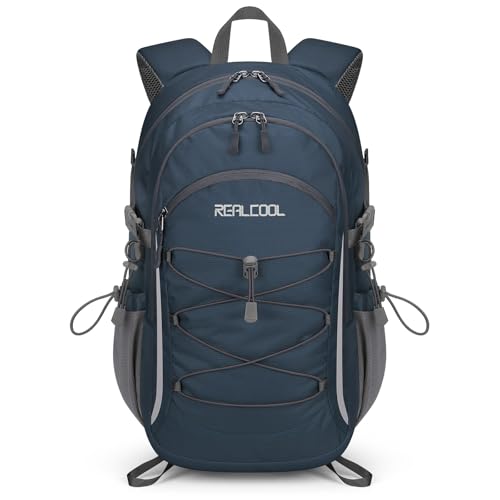
There's no formula that converts liters to a torso size, because the two numbers measure different things. Liters describe how much gear a pack holds. Size labels like small, medium, and large describe torso length, the distance the frame is built to span on a hiker's back.
How to measure torso length
Torso length is measured from the C7 vertebra, the bony bump at the base of the neck, down the spine to the iliac crest, the top of the hip bones. Most adult torso lengths fall between 16 and 22 inches, and manufacturers map that range to small, medium, and large frame sizes, with some brands offering adjustable or women's-specific frames within the same range.
Why the two numbers are independent
| Measurement | What It Describes | Typical Range |
|---|---|---|
| Liters | Pack volume/capacity | 20L–70L+ |
| Torso size | Frame length for fit | Small–Large (16–22 in.) |
A hiker with a short torso and a hiker with a long torso can both need the same 40L pack for a weekend trip, but they'll need different frame sizes to carry it comfortably. Buying by liters without checking torso length against the manufacturer's size chart is a common fitting mistake, since a pack in the wrong torso size won't position the hipbelt correctly no matter how well the volume matches the gear list.
The practical takeaway
Choose liter capacity based on gear volume and trip length, then choose torso size based on a body measurement, and treat the two decisions separately when shopping. Most manufacturers list torso-size ranges directly on the product page next to the liter rating, so both numbers are available at the same time even though they aren't mathematically related.