The best backpack for the Everest Base Camp trek is a 30 to 40 liter daypack, because EBC is a portered, teahouse trek: a porter carries your main kit in a soft duffel while you walk with only the day's essentials. You never carry a full expedition load, so a large internal-frame pack is the wrong choice.
What you carry each day
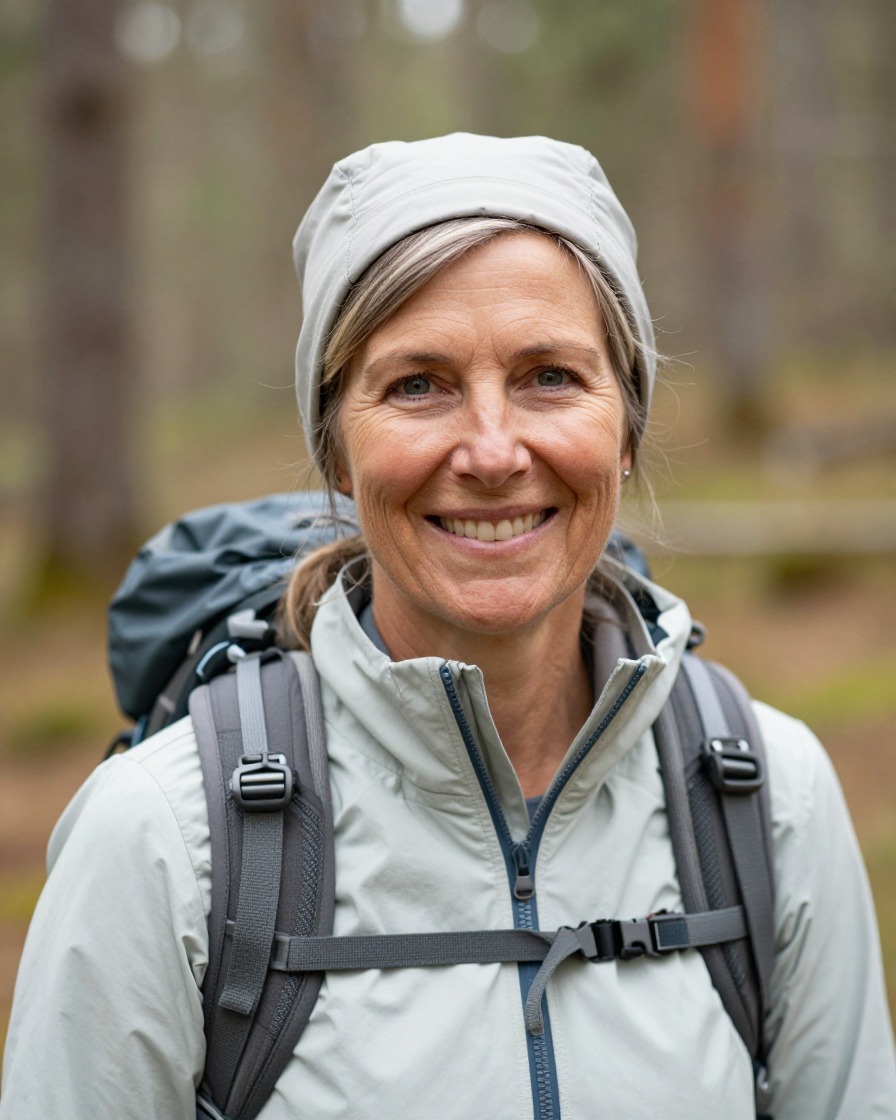
At altitude you want water (2–3 liters), warm layers you will add and shed constantly, a down jacket, rain shell, sun protection, snacks, and a camera within reach. A ventilated 35-liter pack with a supportive hipbelt, a hydration sleeve, and a rain cover handles this comfortably. Trekking-pole attachment matters, because most trekkers use poles on the descents.
The porter duffel
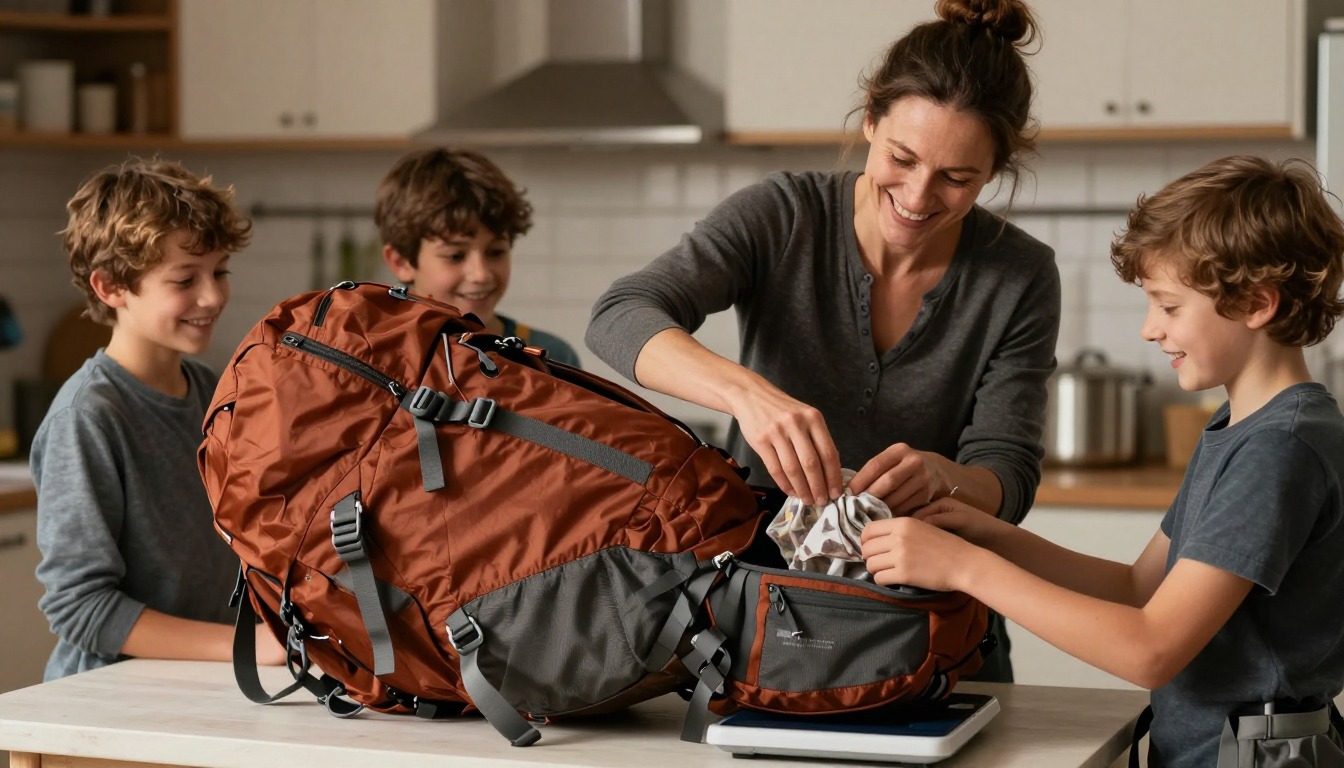
Your heavy kit — sleeping bag, most clothing, toiletries — travels in a soft, lockable duffel that operators weigh and cap (often around 15 kg / 33 lb). Choose a rugged 70 to 90 liter duffel, not a framed pack, so it stacks on a porter or yak. Keep your passport, money, medication, and electronics in the daypack you carry, never in the duffel.
Altitude and fit
Because you gain serious elevation, a lighter daypack is a real advantage. Dial in torso fit before the trek so the hipbelt carries the load and your shoulders and lungs are free to work at altitude.
Frequently Asked Questions
A 30 to 40 liter daypack is standard for Everest Base Camp, because the trek is portered: you carry only the day's water, layers, and essentials while a porter moves your main kit in a duffel. A large expedition pack is unnecessary and too heavy at altitude.