

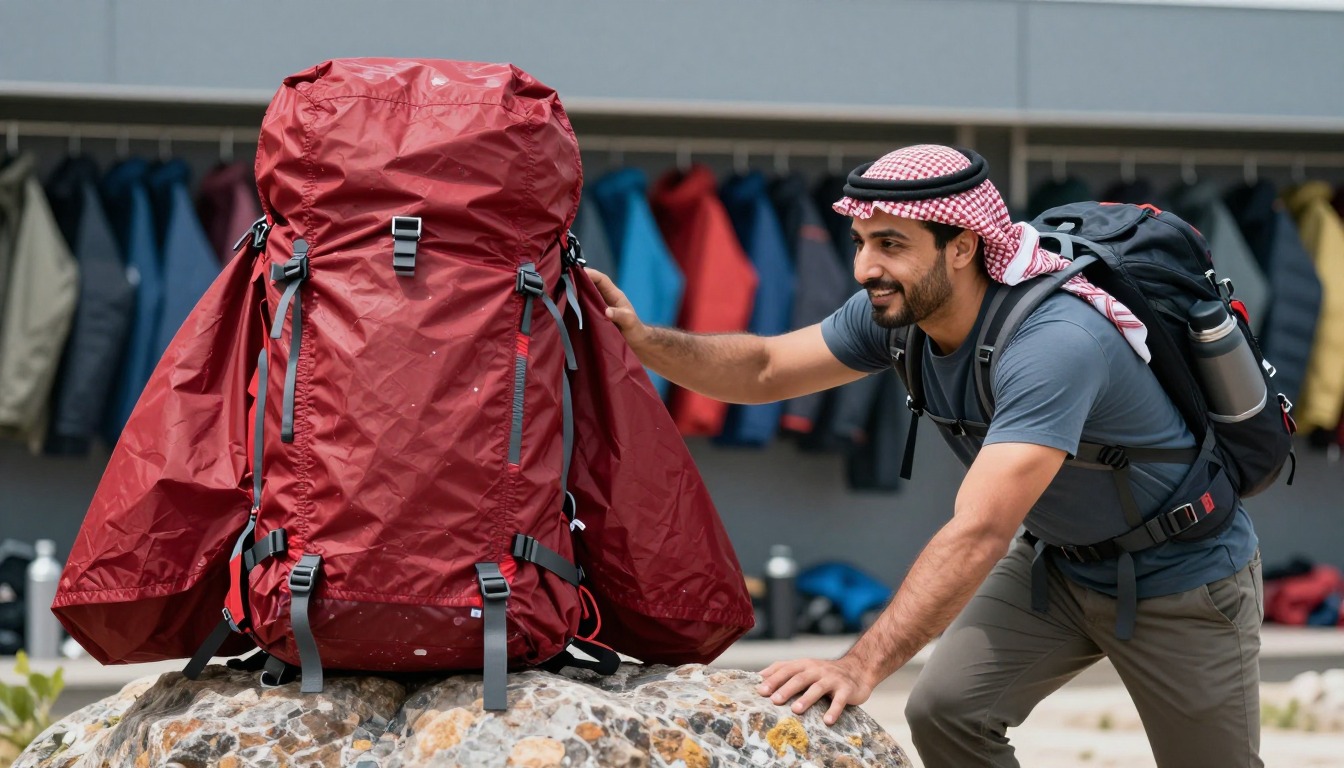
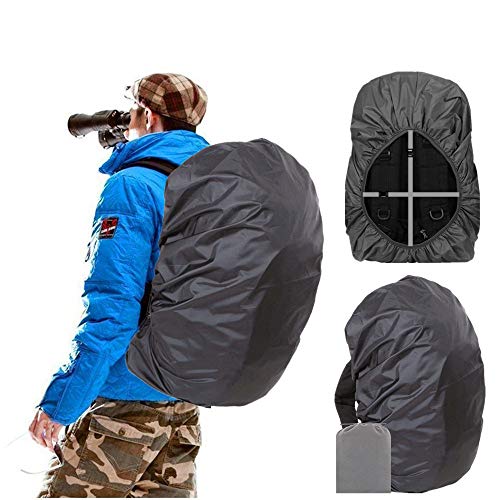

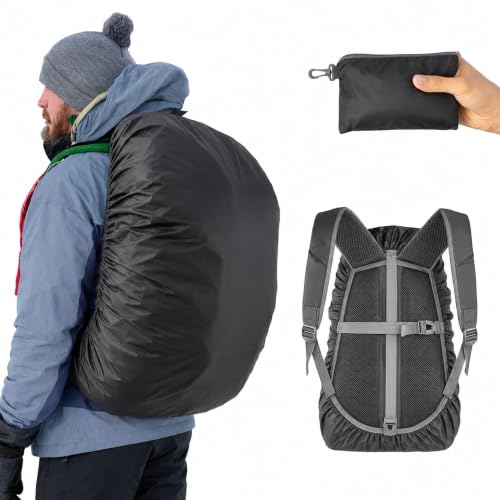

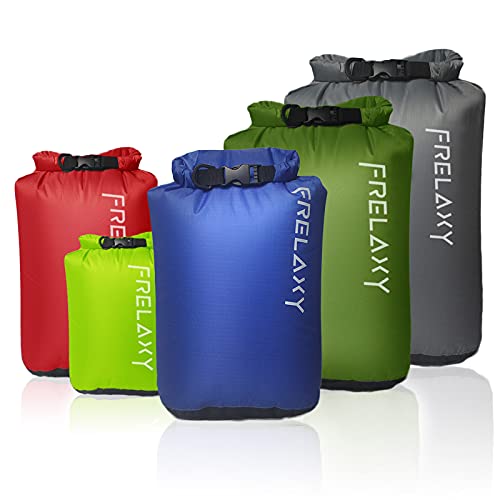
A rain cover and a pack liner solve different halves of the same problem: a cover keeps rain off the pack's outer fabric and hardware, while a liner keeps water that gets past the cover away from the gear packed inside. Neither is a complete waterproofing solution on its own, which is why comparing them by what they actually protect — rather than treating them as interchangeable — is the useful way to decide what to carry.
What does a rain cover actually protect?
A rain cover protects the pack's outer shell fabric, exterior zippers, hipbelt and shoulder-strap padding, and any exposed foam or mesh from absorbing rain and adding water weight. It does this by forming a second waterproof layer stretched over the loaded pack rather than sealing the compartments themselves. That means a cover reduces how heavy a soaked pack becomes and slows fabric degradation from repeated wetting, but it does not guarantee dry contents, since water can still track in through zipper teeth, the cover's open bottom near the hipbelt, or gaps where trekking poles or an ice axe pierce through.
What does a pack liner actually protect?
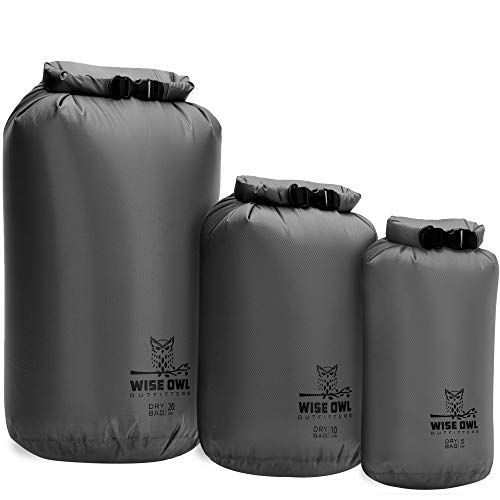
A pack liner — a waterproof bag or sack lining the main compartment, or a roll-top dry bag packed inside — protects everything stored within it: a sleeping bag, insulating layers, and electronics. It works independent of the pack's outer fabric or zippers, so even a pack with a soaked shell and dripping zippers keeps its liner-wrapped contents dry as long as the liner's own seal holds. The trade-off is that a liner does nothing for the pack's exterior: a heavy, saturated shell still adds pack weight, still loses loft in any exterior insulation, and still takes longer to dry at camp.
The table below sets the two side by side on the points that matter for a buying decision.
| Decision Point | Rain Cover | Pack Liner |
|---|---|---|
| Guarantees dry gear inside | No — water can still track in through zippers/seams | Yes, if the seal holds |
| Keeps pack fabric from soaking | Yes | No |
| Adds noticeable weight | Yes, more than most liners | Minimal, especially with a trash-bag liner |
| Vulnerable to wind | Yes — can flip off in gusts | No — unaffected by wind since it's internal |
| Works with external gear lashed on | Poorly, tears or won't fit over bulk | Not applicable |
| Recommended as sole protection | No | Workable for short trips, riskier for extended ones |
Which one should a hiker buy first?
A hiker buying only one piece of rain protection should buy a liner first, since it directly guarantees the one thing that matters most on a wet trip — dry insulation and dry electronics — while a cover only reduces pack weight gain and fabric wear. A liner can be as simple as a heavy-duty contractor bag lining the main compartment, making it the lower-cost, lower-weight starting point. A cover becomes the second purchase once budget or pack weight allows, adding protection for the pack's fabric, straps, and hardware and reducing how much water the pack itself carries on a multi-day wet stretch.
Do ultralight packs need a rain cover?
Ultralight packs, often made from thinner or non-laminated fabrics without heavy DWR coatings, generally benefit more from a liner-first approach than from a rain cover, since many ultralight hikers skip the cover's extra ounces and instead accept a wetted-out shell as a lightweight trade-off, protecting only the contents. Hikers on ultralight packs who do add a cover should choose the lightest cover rated for the pack's capacity band to avoid offsetting the pack's own weight savings.