

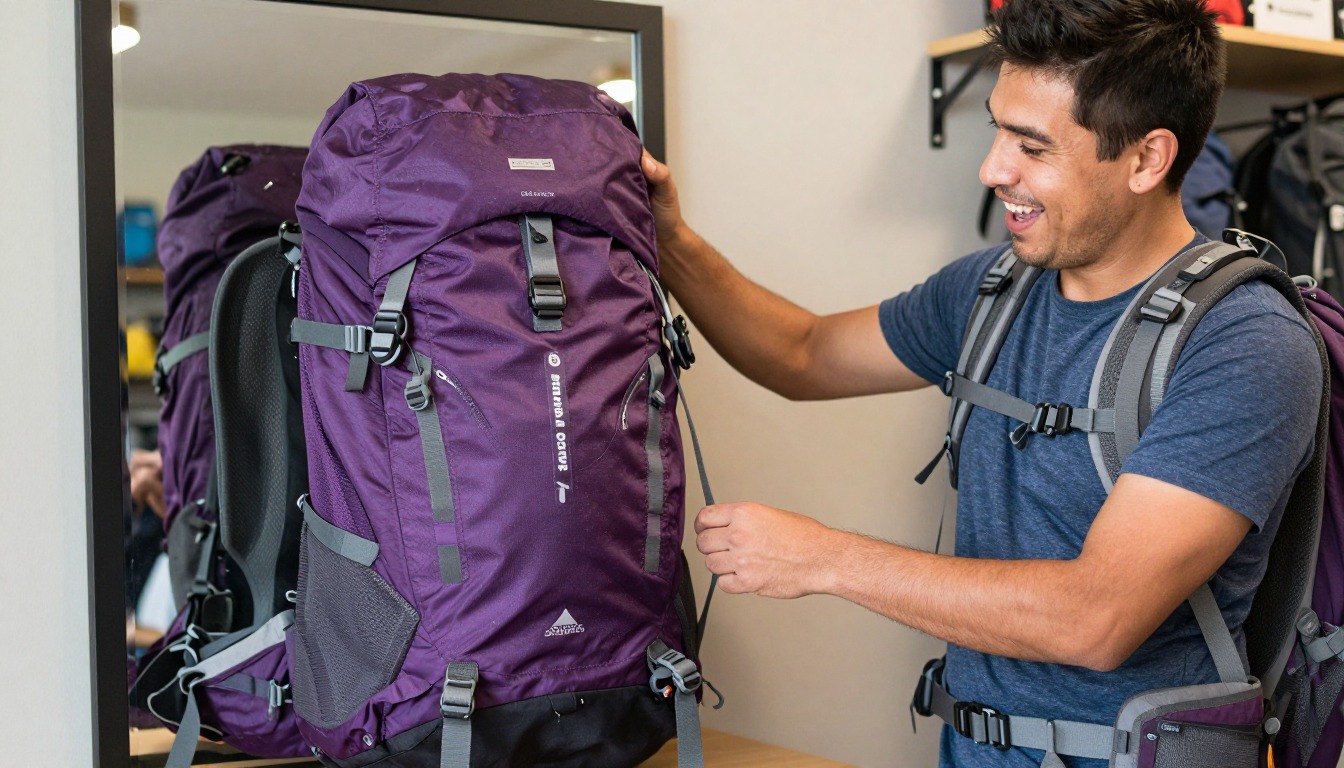



Washing a hiking backpack correctly takes cool water, mild soap, a soft brush, and about thirty minutes of hands-on time, followed by a full air-dry cycle that can run one to two days. Skipping any step — using hot water, scrubbing with a stiff brush, or drying near a heat source — shortens the life of the pack's coatings, foam, and stitching faster than trail use alone.
What you'll need to wash a hiking backpack
A full wash needs five things: a bathtub or basin large enough to submerge the pack, cool or lukewarm water, a mild soap or technical wash, a soft-bristle brush, and a well-ventilated space to dry it afterward. Nothing on this list is specialized gear-store equipment.
Dish soap in a small amount works fine for most packs, though a technical wash such as Nikwax Tech Wash or Granger's Performance Wash is formulated specifically not to leave a detergent residue that can interfere with DWR coatings. A dedicated gear brush or a clean, worn toothbrush reaches into seams, webbing loops, and hardware without abrading the coated fabric the way a stiff scrub brush can. Avoid all-purpose household cleaners, bleach, and fabric softener — none are formulated for coated nylon or ripstop fabric, and all three can strip waterproofing or weaken stitching thread over repeated washes.
Step-by-step wash process
The process runs in a fixed order: prep, submerge, scrub, rinse, and dry. Each step protects the pack's hardware and coatings from the step before it, so working out of order risks damage a careful wash avoids.
What to avoid when washing a pack
The most common washing mistakes are hot water, a top-loading machine's center agitator, stiff scrub brushes, and heat-drying. Each one attacks a different part of the pack — coatings, hardware, fabric, or foam — in ways that don't show up until the damage is already done.
Hot water accelerates the breakdown of PU (polyurethane) coatings on a pack's interior lining, causing them to flake or turn tacky over time. A top-loading washing machine's center agitator catches straps, mesh pockets, and buckles, stretching or tearing fabric that a hand wash's controlled scrubbing never touches that aggressively. Stiff-bristle brushes and abrasive sponges wear through DWR and PU coatings faster than dirt does on its own, leaving the fabric underneath exposed to moisture. Bleach and fabric softener both strip waterproof coatings and can weaken or discolor stitching thread, sometimes permanently.
How often should you wash a hiking backpack
A pack used for weekend day hikes typically needs a full wash once or twice a season; a pack used for multi-day or thru-hiking trips, where sweat and dirt build up over consecutive days, benefits from washing after every extended trip. Spot-cleaning sweat-heavy areas — the hip belt padding and shoulder strap lining — between full washes keeps odor from building up without the full soak-and-dry cycle every time.
Washing more often than needed isn't harmful as long as cool water and mild soap are used each time, but every wash strips some DWR finish from the outer fabric. A pack washed several times a season likely needs occasional reproofing to keep water beading on the surface rather than soaking in. Packs stored clean and dry between trips generally need fewer washes overall than packs put away damp or dirty, since trapped moisture and sweat salts are what drive both odor and coating breakdown between uses.