


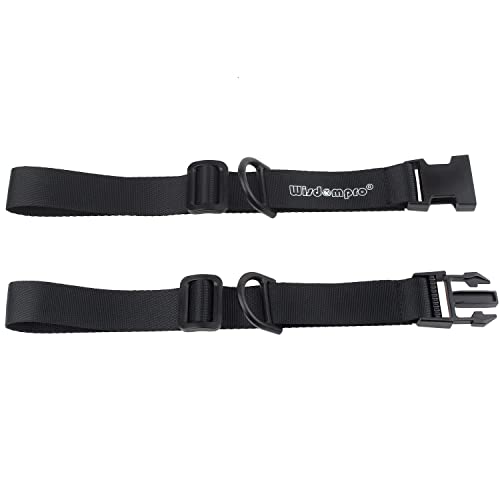
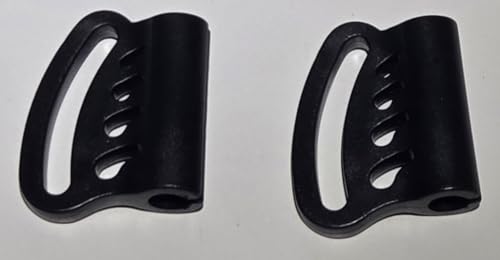
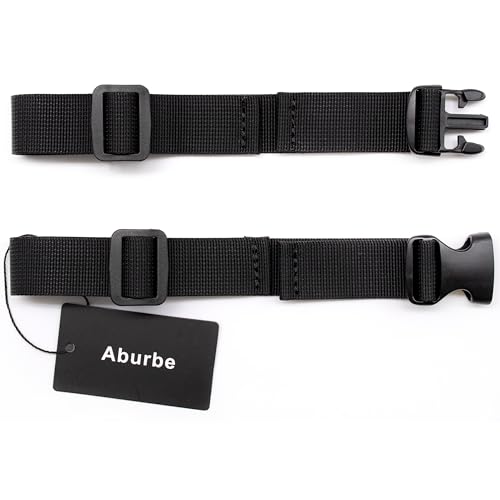


A hiking backpack is repaired by identifying which system failed — zipper, strap, buckle, or fabric — and matching the fix to whether you're on trail or at home. Most failures need only a small kit: Tenacious Tape for fabric, a sewing awl or needle and heavy thread for stitching, a spare buckle, and a zipper-pull backup.
What should be in a backpack repair kit?
A basic kit covers the four most common failure points: a strip of Tenacious Tape folded onto itself for storage, a sewing awl or curved needle with bonded nylon thread, a spare side-release buckle sized to your pack's webbing width, and a small tube of seam sealant. Add a few safety pins, a zip tie, and a length of paracord or duct tape wrapped around a trekking pole, and the kit handles nearly every field failure without adding meaningful weight.
How do you fix a pack in the field versus at home?
Field repairs prioritize speed and getting the pack functional enough to finish the current trip: tape, zip ties, paracord, and pinned-through fixes all fall in this category. Home repairs prioritize durability: sewing a torn seam with a proper box-X stitch, replacing a slider rather than squeezing it, or gluing a patch with full cure time. A field fix on a load-bearing strap or hipbelt should be treated as temporary even if it holds for the rest of the trip — replace or re-sew it before the pack goes back under a heavy load.
What tools does a backpack repair actually require?
Most repairs need hand tools, not a sewing machine. A sewing awl (a hand tool that pushes a locked stitch through thick webbing without a machine) handles bar-tack repairs on straps and hipbelts. Needle-nose pliers reshape a splayed zipper slider. Scissors with a rounded tip cut clean patch corners so they don't catch and peel. A lighter seals cut webbing ends. None of these require specialized outdoor-industry tools — a basic home sewing kit plus Tenacious Tape and a spare buckle covers the large majority of repairs a hiking backpack will ever need. Keep the kit small: most of these items fit in a pouch the size of a wallet, so there's little weight penalty for carrying full repair coverage on every trip.
How long do field repairs last compared to permanent fixes?
A taped seam or a paracord-lashed strap typically holds for the rest of a single trip under normal loads, but isn't rated to last multiple trips the way a proper sewn or glued repair is. Tenacious Tape applied correctly — clean fabric, rounded corners, patches on both sides — can last a full season of regular use before it needs reinforcing, especially on low-friction panels away from the hipbelt and shoulder straps. High-friction zones, like where the hipbelt fins rub against a hip or where a pack rubs a vehicle seat, wear tape patches faster and benefit from a sewn-in ripstop patch underneath. Treat any field fix on a load-bearing strap as a stopgap rather than a finished repair, and plan to re-sew or replace the section once the trip is over.
Does duct tape damage pack fabric?
Standard duct tape can leave a sticky adhesive residue on pack fabric, particularly coated nylon and Dyneema Composite Fabric, after it's been on for an extended period in heat. It works as an emergency field fix, but a purpose-made gear tape like Tenacious Tape or Gorilla Tape is a cleaner, longer-lasting choice for anything meant to stay on the pack rather than come off once you're home.