



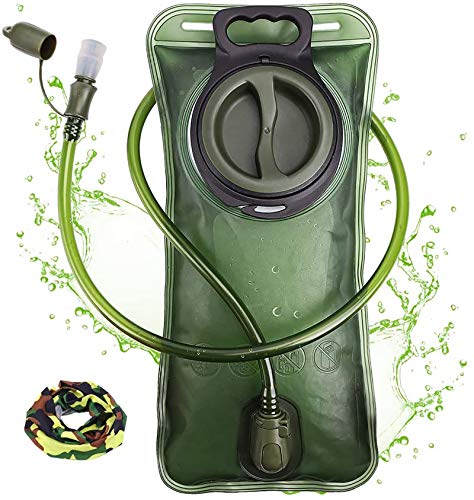
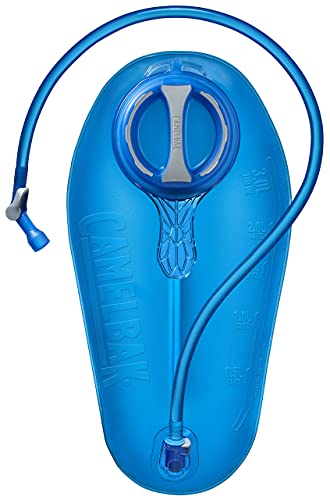


Cleaning a hydration bladder means rinsing it after every use, deep-cleaning it with a diluted bleach or baking-soda solution after multi-day trips, and drying it fully open before storage, since trapped moisture in a closed reservoir grows mold and mildew within a few days. A bladder that's cleaned right after each trip and stored bone-dry rarely needs anything beyond a rinse; one left damp in a pack for even a week can pick up a musty smell that's hard to fully remove.
How often should you clean a hydration bladder?
Rinse a hydration bladder with warm water after every trip, and run a full deep-clean — bleach or baking-soda solution, brush scrub, full air-dry — after any multi-day trip or once a month during regular use, whichever comes first. A bladder filled with anything other than plain water, such as an electrolyte mix or a sports drink, needs a deep-clean immediately after that use, since sugar and electrolyte residue feed mold far faster than water alone.
What's the best way to clean a hydration bladder?
The most reliable method combines a mild bleach solution — roughly one teaspoon of unscented household bleach per liter of water — swished through the bladder and hose for several minutes, followed by a thorough rinse with clean water until no bleach smell remains. Hikers who prefer to avoid bleach can substitute a tablespoon of baking soda per liter, or a crushed denture-cleaning tablet, both of which lift residue and neutralize odor without leaving a chemical taste behind.
A dedicated reservoir cleaning kit makes the process faster and more thorough:
Hikers without a cleaning kit can approximate steps 2 and 3 by adding a handful of uncooked rice or a torn strip of paper towel to the soapy water and shaking vigorously, since the abrasive texture scrubs the interior walls in place of a brush.
How do you dry a hydration bladder to prevent mold?
Dry a hydration bladder by opening it as wide as possible, propping the walls apart with a drying arm, a wooden spoon, or a wadded paper towel, and letting it air-dry completely before folding or storing it, since any residual dampness left in a closed bladder is what actually causes mold, not the water itself. A reservoir that's still faintly damp after 24 hours in open air should get another pass with the solution before being stored, rather than being packed away and hoped dry.
Storing a fully dried bladder in the freezer between trips is a common trick among frequent hikers, since a dry bladder that goes into the freezer stays odor-free and mold-free for months without needing to be re-cleaned before the next trip. This only works if the reservoir is completely dry first — freezing a damp bladder just pauses mold growth rather than preventing it, and the mold resumes once the reservoir thaws.
Can you use bleach to clean a hydration bladder?
Yes — a diluted solution of about one teaspoon of unscented household bleach per liter of water is safe for cleaning a hydration bladder, provided it's followed by a thorough rinse with clean water until no bleach odor remains. Never use scented bleach, and never mix bleach with vinegar or other cleaning agents, since that combination can produce harmful fumes inside the confined space of a reservoir.
Hikers who'd rather skip bleach entirely can rely on baking soda, diluted white vinegar, or a denture-tablet solution instead; all three clean effectively for regular maintenance, though a bleach solution remains the more reliable choice for a bladder that's already developed a visible mold problem along the seams. Whichever method is used, the bite valve and hose need the same attention as the reservoir body — mold growing inside a hose is just as common as inside the bladder itself, and it's easy to miss because the hose is harder to inspect visually.