

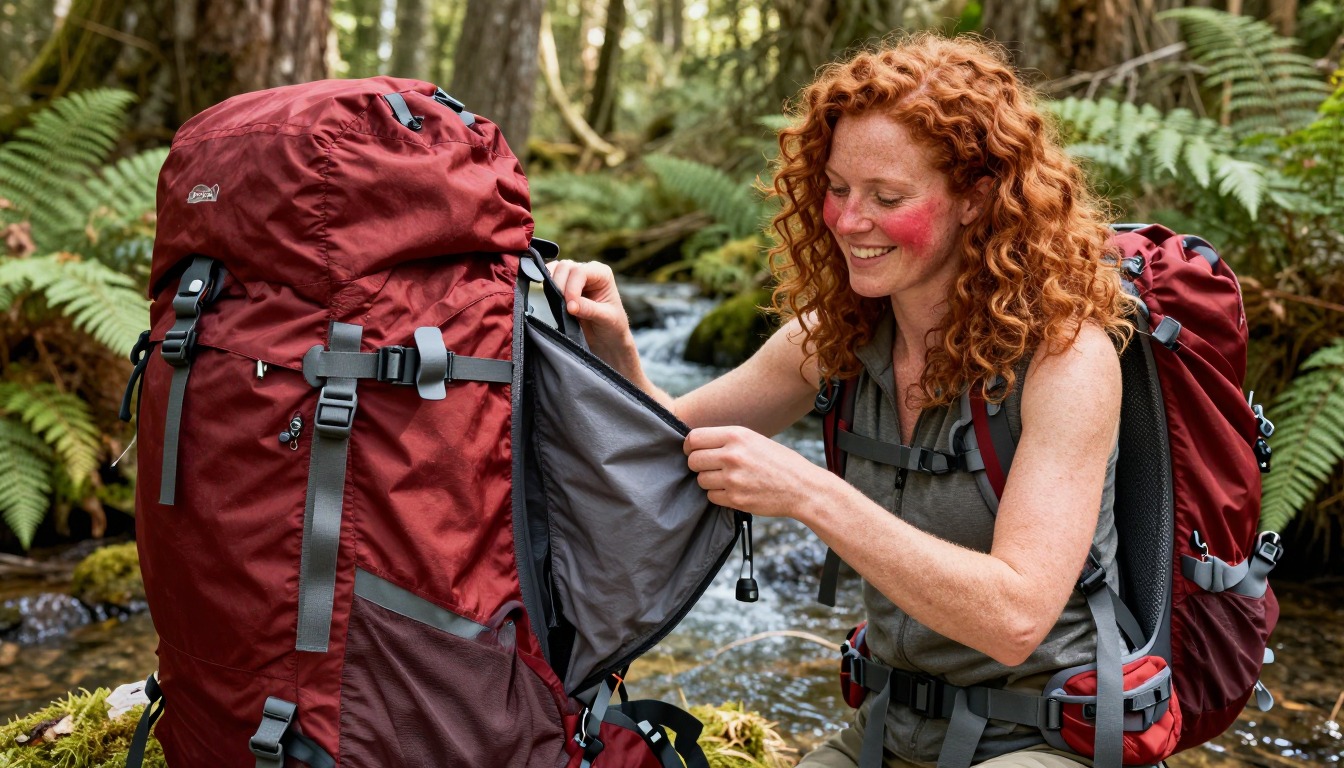
Pack a hiking backpack bottom-to-top in this order: sleeping bag and camp clothes first, then heavy core items — food, water, cook system — pressed against the back panel, then lighter mid-weight gear filling the space around them, and finally quick-access items in the top lid or front pocket. Following the same order every time builds a habit that speeds up packing and breaking camp.
What's the correct order to pack a hiking backpack?
Work through the pack in six steps, from the bottom compartment to the outside straps:
This order isn't arbitrary. Each step places gear by how soon you'll need it and how much it weighs, which is the same logic behind the zone method used across every pack size.
Does the packing order change for a daypack?
The same bottom-core-top logic applies to a daypack, just compressed into a smaller space with fewer distinct layers. A daypack skips the bottom sleeping-bag zone entirely and shifts straight to a core of water, snacks, and a layer, topped with a rain shell and first aid kit near the opening.
Because a daypack has less internal volume to work with, the core-zone rule matters even more: a water reservoir or bottles should still sit close to the back panel rather than loose in the main compartment, where their weight can shift and pull the pack backward on descents.
How full should each compartment be?
Fill the bottom and core zones firmly enough that gear doesn't shift in transit, but leave the top pocket slightly under capacity so the lid can close flat and compression straps can still cinch the load down. An overstuffed top lid raises the pack's center of gravity and makes it feel top-heavy, undoing the balance the lower zones worked to create.
Compression straps running down the sides of the pack exist to squeeze out excess air once everything's packed, pulling the load closer to your back and stopping loose gear from shifting side to side as you walk. Cinching them after packing, not before, gives an accurate read on how much the load has settled.
What mistakes ruin a pack's balance?
The most common mistakes are packing heavy items loose near the top or the outside of the pack, letting a water bottle or fuel canister sit unsecured in the main compartment, and loading one side pocket heavier than the other. Any of these shifts the pack's center of gravity away from your spine, which is felt immediately as a pull on the shoulders or a side-to-side sway.
A second common mistake is treating the top lid as unlimited storage. Piling a rain jacket, extra snacks, a book, and a camp towel into the lid adds height and weight above your shoulders, which is the least stable place for extra mass. Moving bulkier, less time-sensitive items back down into the core or bottom zone, and keeping the lid reserved for genuinely quick-access gear, fixes most balance complaints hikers report.
A third mistake worth naming is repacking differently every time. Sticking to the same bottom-core-top order on every trip, rather than improvising a new layout each morning, is what turns the zone method from a one-off tip into a habit that holds up on longer trips.