

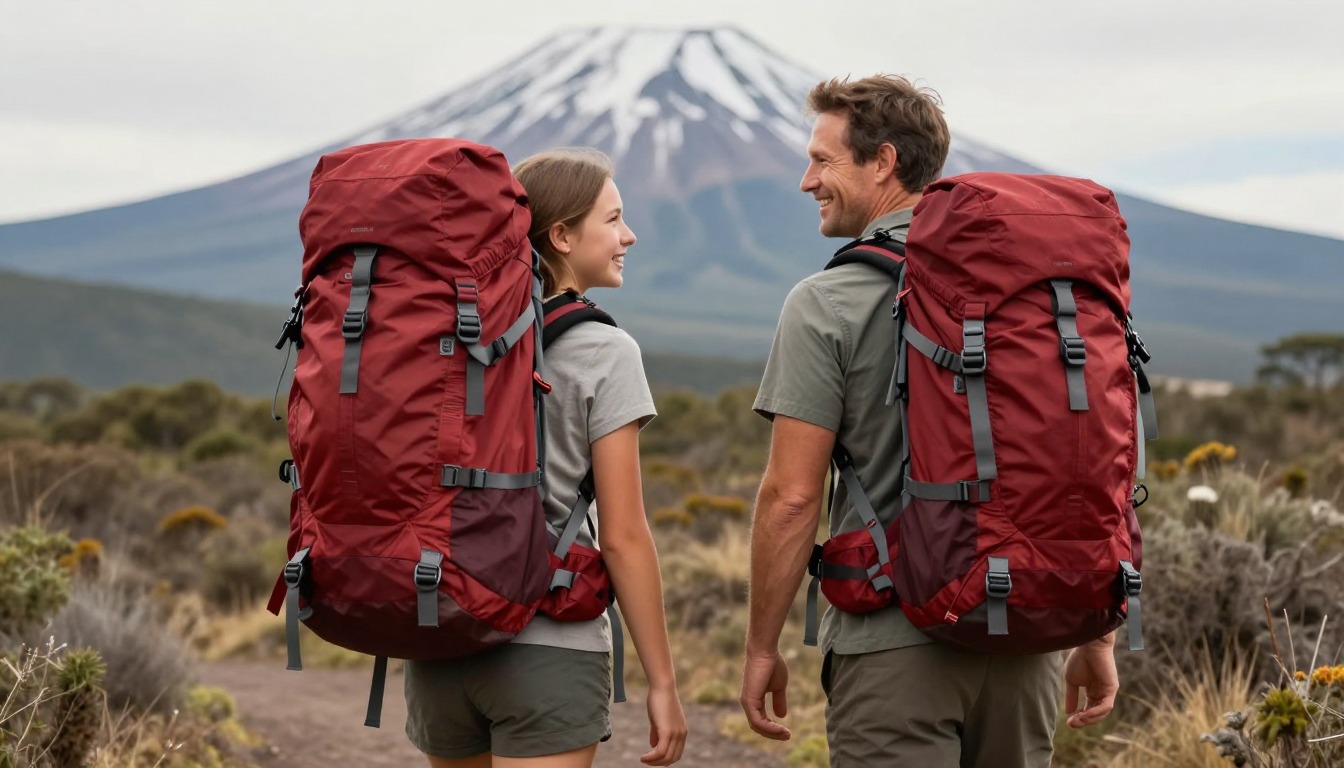
The 20%-of-body-weight figure is the most commonly cited target for a loaded multi-day pack, but it functions as a starting guideline rather than a fixed rule that applies identically to every hiker. Several factors shift where an individual hiker should sit within that range.
Trip type changes the target percentage:
| Trip Type | Target % of Body Weight |
|---|---|
| Day hike | 10–15% |
| Multi-day backpacking | ~20% |
| Short, well-conditioned carries | Up to ~25% |
Conditioning matters as much as the raw percentage. A hiker who backpacks regularly and carries a well-fitted pack tolerates a higher percentage comfortably than a beginner carrying the same relative load. Fit plays an outsized role too: a properly adjusted hipbelt carries roughly 80% of a loaded pack's weight, so correct torso sizing and hipbelt adjustment let more of the percentage guideline land on the hips rather than the shoulders.
Age and body type push the percentage down rather than up. Kids and youth hikers should carry meaningfully less than the adult 20% guideline, and petite or smaller-frame hikers often do better nearer 15–18% even on multi-day trips, since the same percentage represents fewer total pounds of margin for fit and posture to absorb.
Percentage guidelines apply to total loaded pack weight — base weight plus food, water, and fuel — not to base weight alone. A hiker chasing a specific percentage should still track base weight separately, since it's the portion fully within their control before a trip's food and water requirements are added on top.