

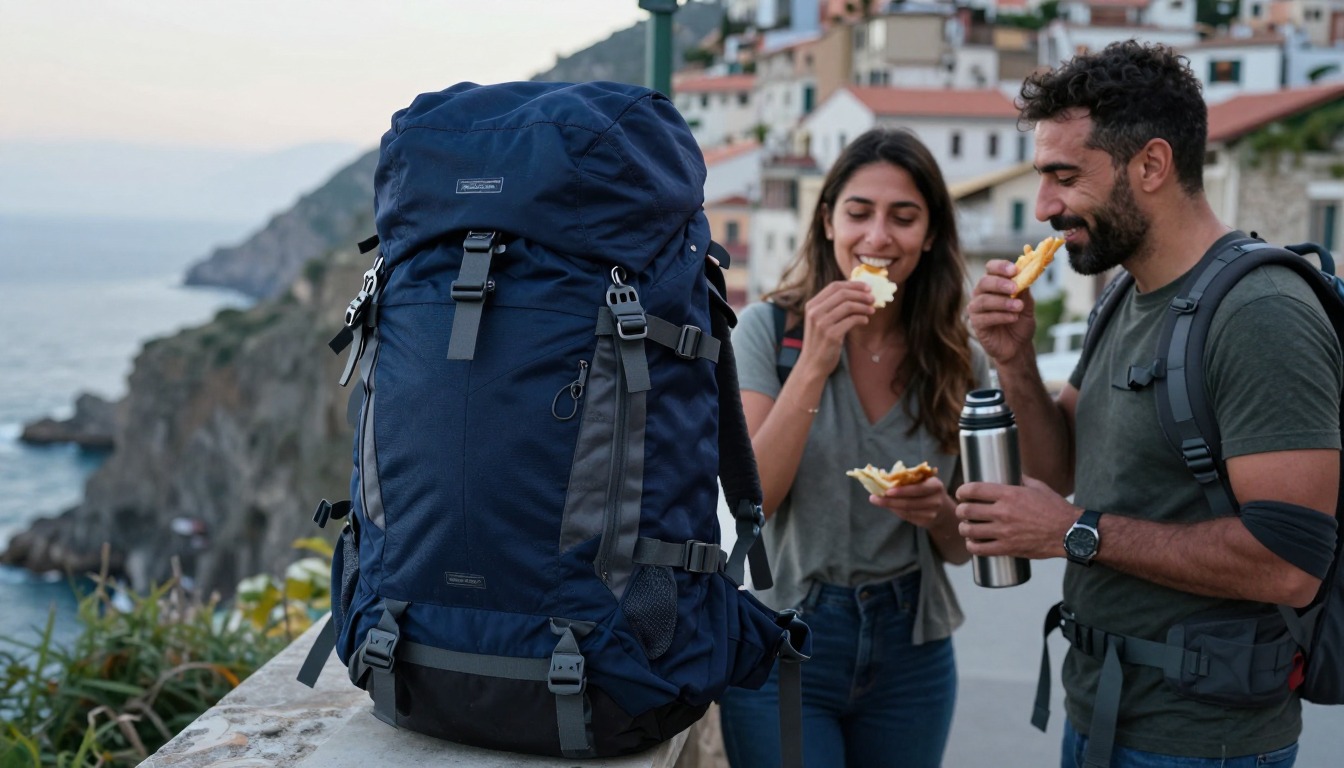
Reducing backpack weight comes down to identifying which items carry disproportionate weight for their function, then replacing or removing them in order of impact. The biggest gains come from the few heaviest items in a pack, not from trimming a dozen small accessories, though both matter once the big items are addressed.
Which gear categories give the biggest weight savings?
The backpack, shelter, and sleep system — often called the "big three" — typically account for half or more of total base weight, so upgrading these three items first delivers the largest weight reduction per dollar spent. Cookware, clothing, and accessories matter, but their combined weight rarely rivals what the big three alone carry.
| Big Three Item | Traditional Weight Range | Lightweight/Ultralight Range |
|---|---|---|
| Backpack | 4–6 lb | Under 2 lb |
| Shelter (tent) | 4–6 lb | 1–2.5 lb |
| Sleeping bag/quilt | 3–4 lb | 1–1.5 lb |
A traditional framed pack built for load-hauling comfort weighs meaningfully more empty than a frameless ultralight pack, and that gap alone can account for several pounds of base weight before any other gear is considered. The same pattern holds for shelters and sleep systems: a freestanding double-wall tent weighs more than a trekking-pole shelter, and a down quilt weighs less than a comparable synthetic mummy bag for a similar temperature rating.
How much weight can be cut from food and consumables?
Food weight can be trimmed by pre-portioning to roughly 1.5–2.5 pounds of food per person per day and choosing calorie-dense, low-water-content meals instead of carrying padding or backup portions. Fuel weight drops when a hiker calculates burn time for planned meals instead of carrying a full canister out of habit.
Dehydrated and freeze-dried meals weigh far less per calorie than fresh or canned food, since removing water removes most of the weight. Water itself weighs about 2.2 pounds per liter, so carrying only what's needed between reliable water sources — rather than a full supply for the whole day — meaningfully cuts loaded pack weight, separate from base weight. Because food, water, and fuel are consumed as a trip progresses, loaded pack weight naturally drops day by day, which is exactly why base weight, not loaded weight, is the number gear systems get compared on.
Does cutting pack weight mean sacrificing safety or comfort?
Cutting pack weight doesn't require dropping essential safety items — it means choosing a lighter version of the same item, like a lighter headlamp or a first-aid kit sized to the trip, rather than leaving safety gear behind. The trade-off shows up more in comfort and durability than in safety, if weight is cut thoughtfully.
A thinner sleeping pad saves weight but offers less cushioning and sometimes less insulation. A frameless pack saves weight but offers less structure for hauling heavier or oddly shaped loads. Lighter shelter fabrics like DCF cost more and can be less abrasion-resistant than heavier nylon, trading durability for weight savings. None of these trade-offs require dropping the basic safety items a hiker carries on any trip — navigation, first aid, an emergency layer, and a way to signal for help stay non-negotiable regardless of a weight target.
Where do experienced ultralight hikers cut weight first?
Experienced ultralight hikers typically cut weight in this order: the big three, then clothing layers down to a single insulating piece, then camp comfort items like a pillow or seat, and finally redundant tools and packaging. This sequence follows where the largest weight savings live rather than cutting evenly across every category.
Multi-use gear removes weight without removing function: trekking poles that double as shelter poles, a stuff sack that doubles as a pillow, or a phone that replaces a separate camera and GPS unit. Decanting toiletries into smaller containers and removing retail packaging from food and gear are small cuts that add up over a full gear list. Thru-hikers, who carry the cumulative weight of every choice over hundreds of miles, tend to push hardest on base weight for exactly this reason — a few ounces saved per item compounds heavily across a trip that lasts months rather than days.