

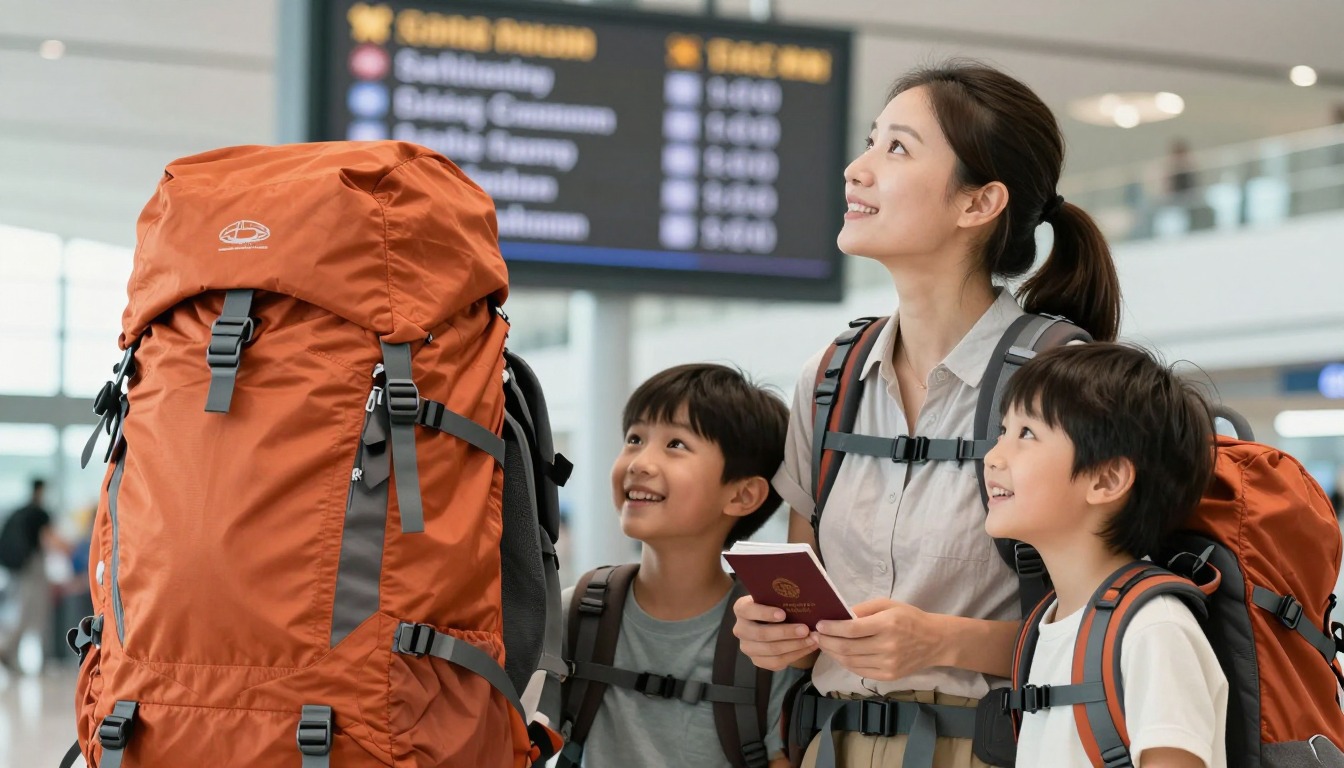
Choosing between a 40L and 50L pack comes down to trip length and packing efficiency rather than one size being objectively better. A 40L pack works well for one to two-night trips with a compact three-season kit, and it rewards efficient packing since there's little room for excess. A 50L pack comfortably handles two to three nights and leaves margin for bulkier items like a synthetic sleeping bag, a bear canister, or extra layers for shoulder-season weather.
Beginners often do better starting with the 50L option, since the extra volume forgives an inefficient pack job while gear choices and packing habits are still developing. Experienced hikers with a dialed-in ultralight or lightweight kit frequently prefer the 40L size even for slightly longer trips, since a smaller pack sits closer to the back and doesn't invite overpacking.
| Factor | 40L | 50L |
|---|---|---|
| Typical trip length | 1–2 nights | 2–3 nights |
| Best for | Efficient/lightweight packers | Bulkier gear, beginners |
| Overpacking risk | Lower (less room to fill) | Higher (more room to fill) |
Weight is worth weighing alongside volume. A 50L pack's frame and materials are typically built to carry a somewhat heavier load than a 40L pack in the same product line, which matters if a hiker's gear list includes heavier items like a canister stove system or extra camera gear rather than a stripped-down ultralight kit. A pack that's comfortable loaded to 30 pounds may feel notably different at 40 pounds even if both liter sizes technically have room for the gear.
The better test than liters alone is whether your actual gear — shelter, sleep system, food and layers for the trip — fits with the main compartment reasonably full but not straining the zippers or compression straps. Laying out a full gear list before buying, rather than guessing from trip length alone, is the most reliable way to decide between the two sizes.