

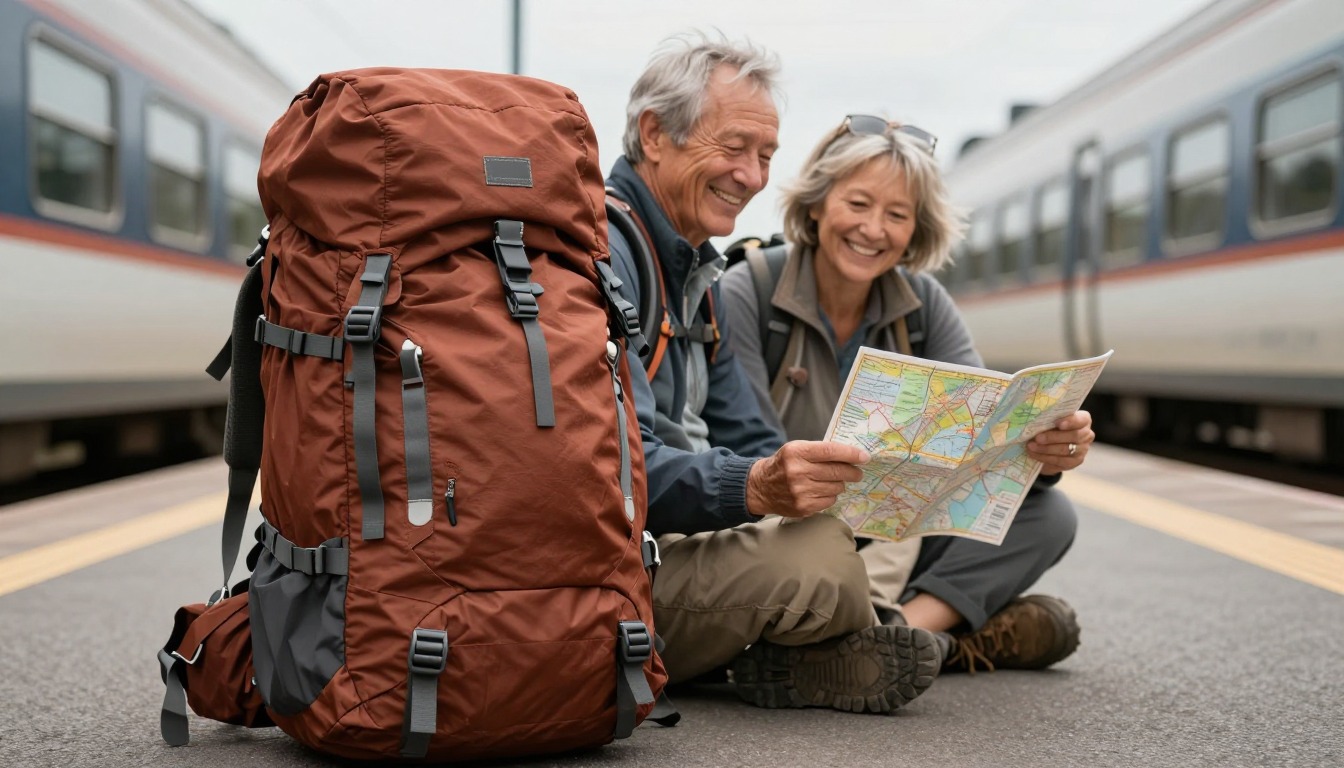
Backpack liters measure the internal volume of the main compartment plus most external pockets. The number that matters for a hiker isn't a fixed rule but a range tied to trip length: 15–25L for a day hike, 35–45L for a single overnight, 45–55L for a typical weekend trip, and 55L or more for extended or winter trips.
A few factors push the right liter count up or down within those ranges. Carrying a bear canister, a four-season tent, or a synthetic sleeping bag adds bulk that a lighter equivalent wouldn't. Cold weather adds insulated layers and sometimes avalanche gear. On the other end, an ultralight setup with a quilt and minimal cook kit can shrink the liter requirement for the same number of nights.
Thru-hikers are a partial exception — because they resupply every few days, most thru-hiking packs run 50–65L regardless of total trail length, since the pack only ever needs to hold one resupply segment at a time. Fastpackers and trail runners sit at the opposite end, often carrying 10–20L running-vest-style packs even on overnight trips, because their gear list and food volume are stripped down for speed rather than comfort.
Liters are a starting filter, not the final answer on fit. Two packs listed at the same capacity can carry differently depending on frame type, torso-length range and how the hipbelt transfers load to the hips — factors worth checking once the right liter range narrows the shortlist down to a handful of models. Once a liter range is chosen, cross-check it against how the pack's main compartment and pockets are actually shaped, since a tall, narrow 50L pack and a short, wide 50L pack can fit a bulky sleeping bag or bear canister differently even at an identical liter rating.