

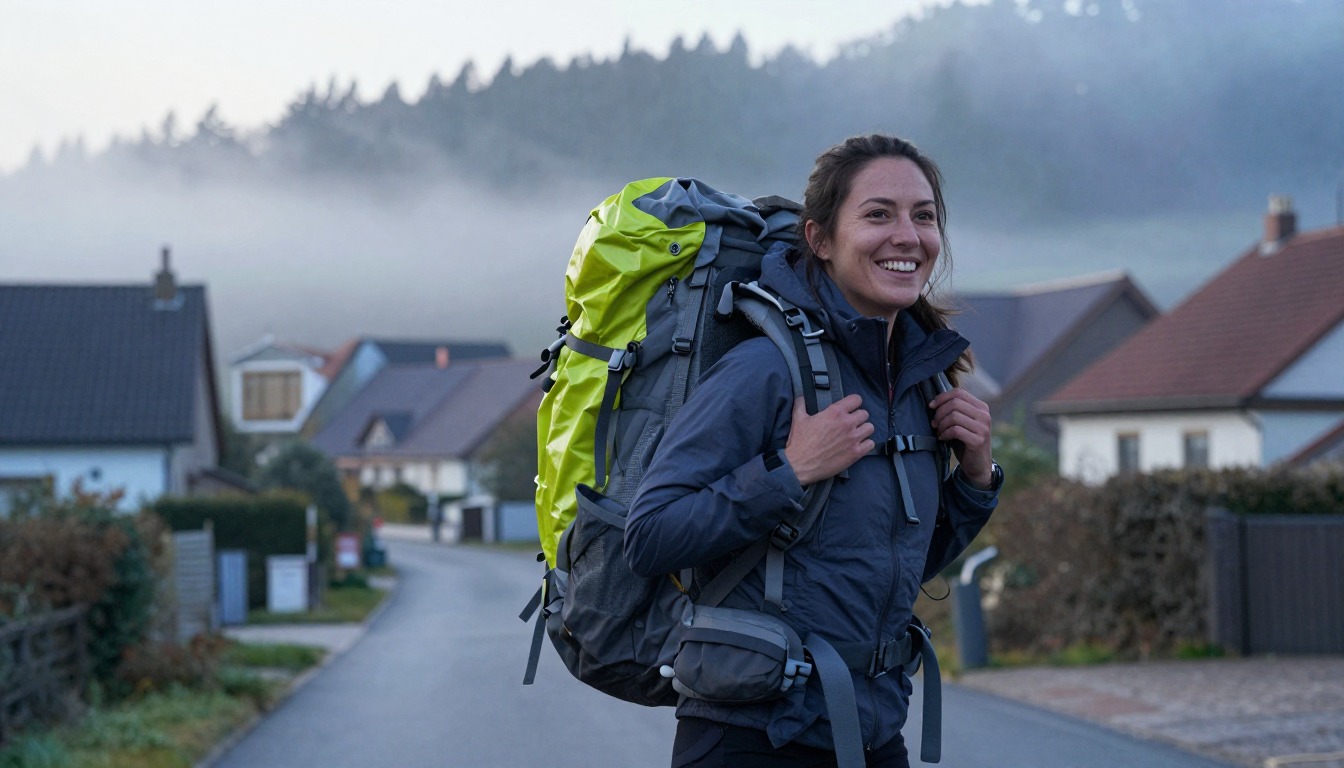
Choosing a hiking backpack comes down to four decisions in order: match capacity to trip length, fit torso length before shoulder width, pick a frame type suited to your load, and confirm the hipbelt carries most of the weight. Getting capacity and torso fit right eliminates most of the packs on the market before you ever compare features.
What's the first decision when choosing a backpack?
The first decision is capacity, because it filters the entire market down to a manageable shortlist before fit or features come into play. Decide how many nights you'll typically carry gear for — day hikes, weekends, or extended trips — and shop within that liter range (see the capacity-by-trip-length breakdown on this page) rather than browsing every pack a retailer sells. Buying capacity first also prevents the common mistake of choosing a pack for its color or brand name and only checking whether it fits the trip afterward.
How does torso length affect the choice?
Torso length, not the hiker's height, determines which size of a backpack fits, and it's measured from the C7 vertebra at the base of the neck down to the iliac crest at the top of the hip bones. Most adult packs come in extra-small through large frame sizes corresponding to torso lengths roughly from 15 inches to 22 inches, and many models add adjustable suspension that shifts the shoulder-strap anchor up or down within a few inches. A hiker should measure torso length before shopping, since two people of the same height can need different pack sizes if their leg-to-torso proportions differ.
A tape measure and a second person make this measurement more accurate than guessing from a height chart: find the C7 vertebra at the base of the neck, then run the tape down the spine to a line drawn between the top of the hip bones. That distance in inches is torso length, and it's the number to check against a brand's size chart before looking at anything else.
Which frame type suits which load?
Frame type should match the weight and bulk being carried:
- Frameless packs suit loads under roughly 20–25 pounds and prioritize low weight over load transfer, common on ultralight and fastpacking setups
- Internal-frame packs use one or two frame stays plus a framesheet to transfer load to the hips and suit the widest range of trips, from day hikes to multi-week treks
- External-frame packs suit heavy, irregular loads like hunting pack-outs or bulky winter gear, since the exposed frame lets weight ride higher and further from the back
Why does the hipbelt matter so much?
A correctly fitted hipbelt should carry roughly 80% of a loaded pack's weight on the hips, leaving the shoulders to carry the remaining 20% mostly for stability rather than load-bearing. The hipbelt needs to sit directly over the iliac crest — the top of the hip bones — not around the waist, and it should wrap with enough padding left to spare when fully tightened. A pack that puts most of the weight on the shoulders, regardless of how well the capacity and torso length otherwise fit, will feel heavier and cause fatigue faster than the same load carried correctly on the hips.
Hipbelt padding and shape vary by pack. Framed backpacking packs typically use a molded, contoured hipbelt with dense foam to spread heavy loads across the hips, while lighter daypacks and frameless ultralight packs often use a thinner, less structured belt since they aren't designed to carry as much weight low on the body. Some brands sell interchangeable or swappable hipbelts in multiple sizes on the same pack body, which lets a hiker fine-tune fit independent of the main torso-length sizing — worth checking for hikers between two frame sizes.
What comes after fit is confirmed?
Once capacity, torso length, frame type and hipbelt fit are dialed in, remaining choices — access style (top-loading vs panel-loading), pocket layout, and hydration compatibility — come down to personal preference and specific trip needs rather than fit or comfort. A top-loading pack keeps weight closer to the back and saves a bit of pack weight by skipping a full-length zipper, which suits hikers who pack methodically and rarely need mid-trip access to gear buried at the bottom. A panel-loading or front-zip pack trades a small weight and durability penalty for the ability to open the whole main compartment like a suitcase, which suits hikers who repack often or share gear with a trip partner.
Pocket layout is worth checking against actual gear rather than assumptions: hipbelt pockets should fit a smartphone or a compact camera, side water-bottle pockets should be reachable while the pack is worn, and a front shove-it pocket is useful for a rain shell or map that needs to come out without opening the main compartment. None of these secondary features should override a fit or capacity mismatch, but among packs that already fit and hold the right volume, they're the differences worth comparing model to model.