

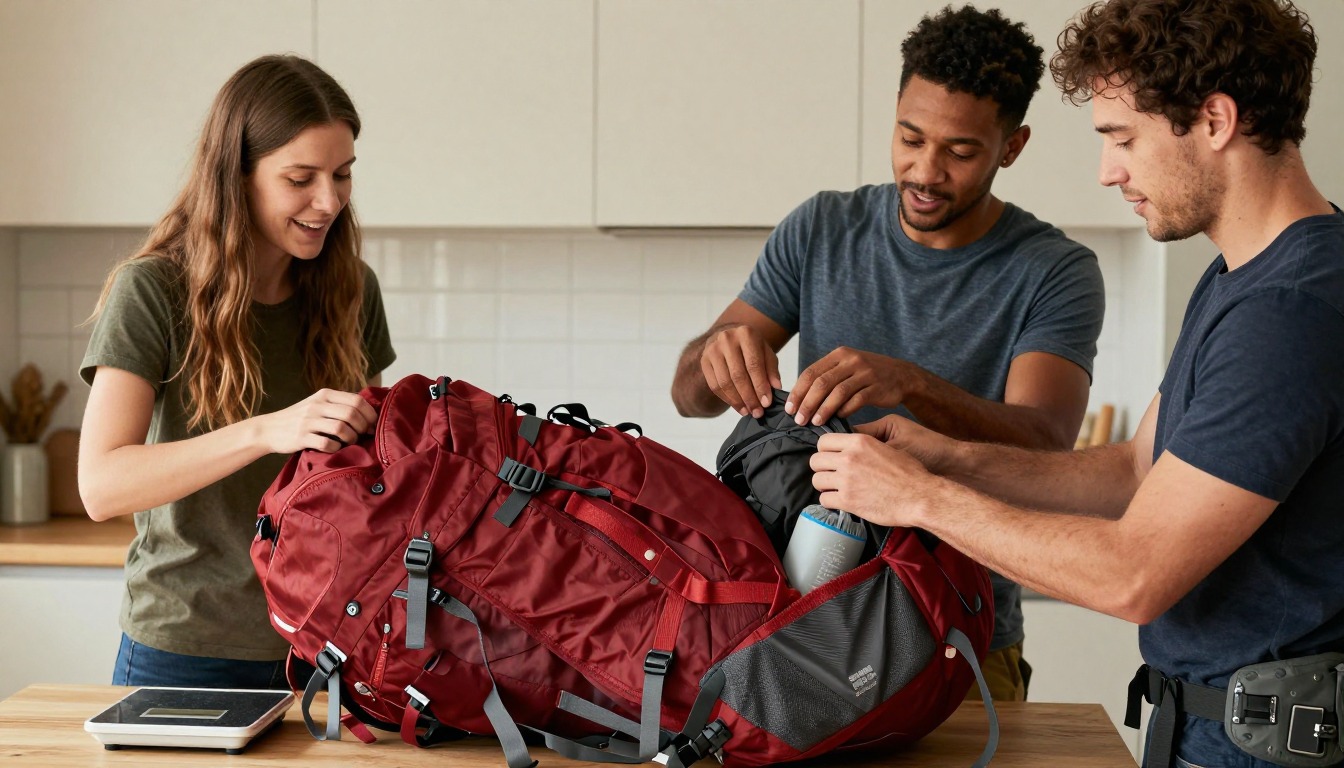


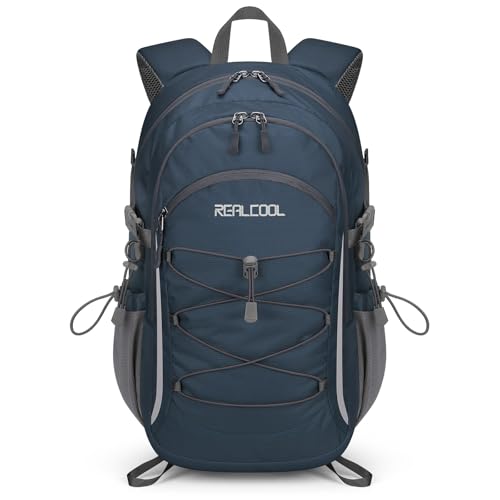
Weekend hiking trips, meaning one or two nights on trail, generally call for a pack between 35 and 50 liters. Where in that range a hiker lands depends on gear weight and bulk, not just the number of nights.
Matching capacity to gear, not just nights
A hiker with an ultralight kit, a sub-2-pound shelter, a quilt, and dehydrated meals can complete a two-night trip in 35–40 liters. A hiker with a standard three-season bag, a two-person tent shared unevenly, and a full cook kit often needs 45–50 liters for the same two nights. The trip length alone doesn't determine the size; the actual packed volume of the gear list does.
Quick sizing reference
| Trip Length | Lightweight Gear | Standard Gear |
|---|---|---|
| 1 night | 30–35L | 40–45L |
| 2 nights | 35–40L | 45–50L |
| 3 nights | 40–45L | 50–55L |
Torso fit still comes first
Liter capacity only matters once torso fit is correct. Measuring from the C7 vertebra at the base of the neck to the iliac crest at the top of the hips gives the torso length used on every manufacturer's size chart, and that measurement determines whether a pack's frame sits correctly, independent of how many liters it holds. A well-fit 40L pack with a properly tightened hipbelt, which carries roughly 80% of the load, often feels more comfortable than a poorly fit 50L pack carrying less weight. Buying by liters alone, without checking torso fit, is the most common weekend-pack mistake.