

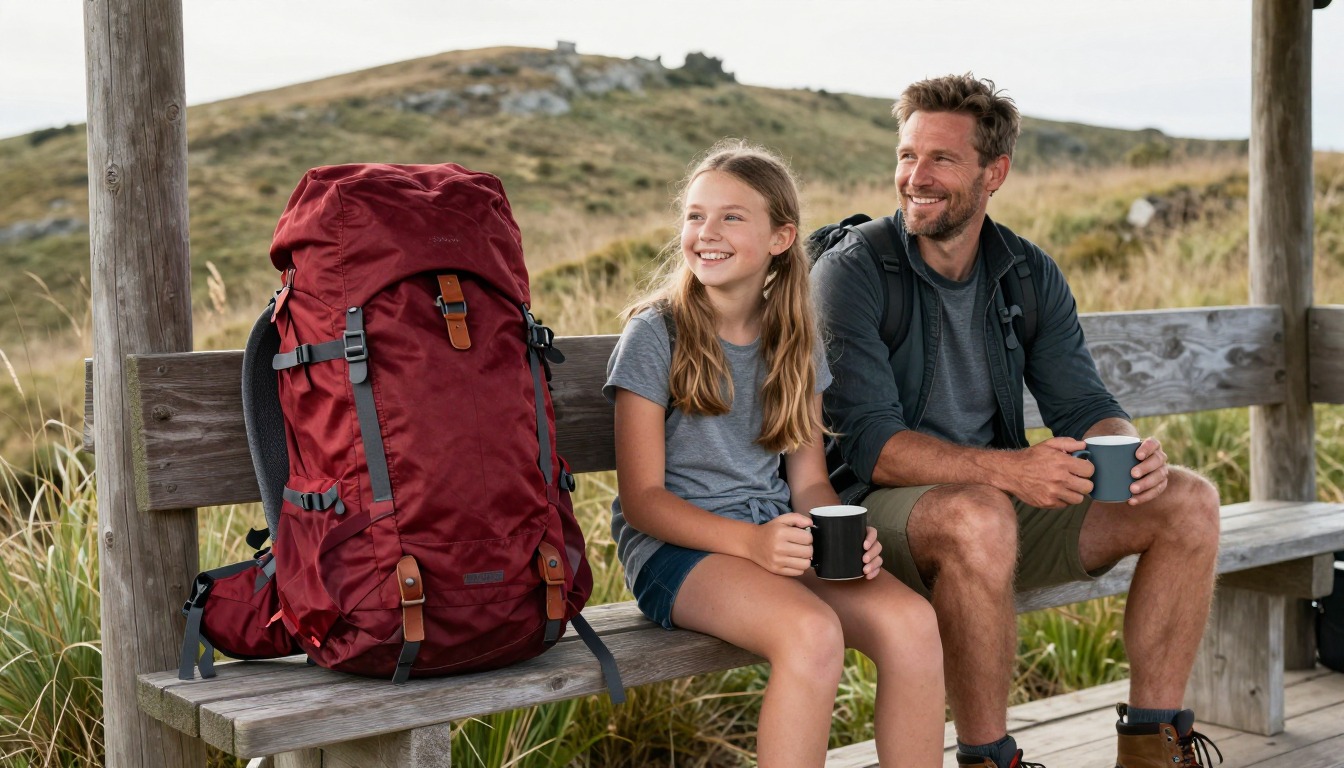


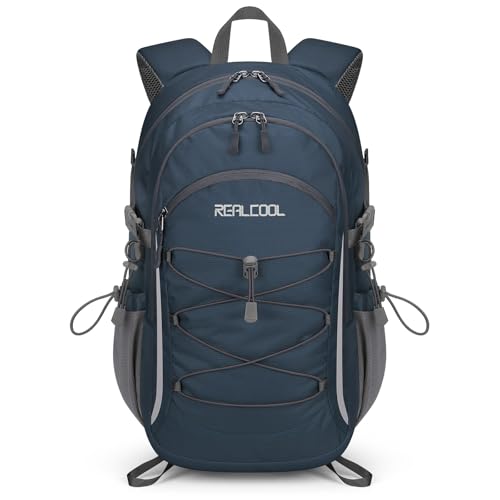
Backpack size is described in liters of internal volume, and "average" depends heavily on what kind of trip the pack is bought for. A hiker who owns one all-purpose pack often lands in the 30–40 liter range as a compromise between day-hike and overnight use, but purpose-built packs cluster into fairly distinct bands by trip type.
Typical sizes by use
| Use case | Typical size |
|---|---|
| Day hiking | 18–22L |
| Big day hikes / fastpacking | 25–35L |
| Weekend backpacking (1–2 nights) | 35–45L |
| Multi-day trips (2–4 nights) | 45–55L |
| Extended trips / winter loads | 55–65L+ |
Why size varies so much
Trip length is the biggest driver, since each additional night adds food, fuel and often a bulkier sleep system. Climate matters almost as much — a winter multi-day trip needs significantly more volume than the same number of nights in summer, because insulated layers and a warmer sleep system take up much more space than lightweight three-season gear.
How liters relate to overall pack size
A pack's liter figure describes internal volume, not physical dimensions, so packs of the same capacity from different brands can look different sizes on the shelf depending on how tall, wide or deep they're built and how many external pockets add to the total. That's why fit — measured by torso length from the C7 vertebra to the iliac crest — matters as much as the liter number when choosing a size; a correctly sized 45L pack on one hiker's back can carry a load more comfortably than a poorly fitted 55L pack on another.
A practical way to think about "average"
Rather than chasing a single average figure, it's more useful to think in terms of the trip a pack needs to serve. A hiker building a first pack kit is usually better off buying for their most frequent trip type — day hikes for most people — and adding a second, larger pack later if multi-day trips become a regular habit, rather than buying one oversized pack meant to cover every scenario. An oversized pack for a short hike tends to ride poorly half-empty, while an undersized pack for a longer trip forces gear to be strapped on the outside.