By Marcus Hale, Lead Pack Research Editor · Published September 14, 2026, 6:03 PM ET
Direct Answer
Yes, you can backpack with a 35L pack for one- to two-night trips, especially in warm weather with lightweight or ultralight gear. A compressible sleep system, canister stove, and minimal layers all fit comfortably, though trips beyond two nights usually require more volume.
Affiliate disclosure: this page contains affiliate links. Purchases made through them may earn us a commission at no extra cost to you. See our affiliate disclosure.
In plain English
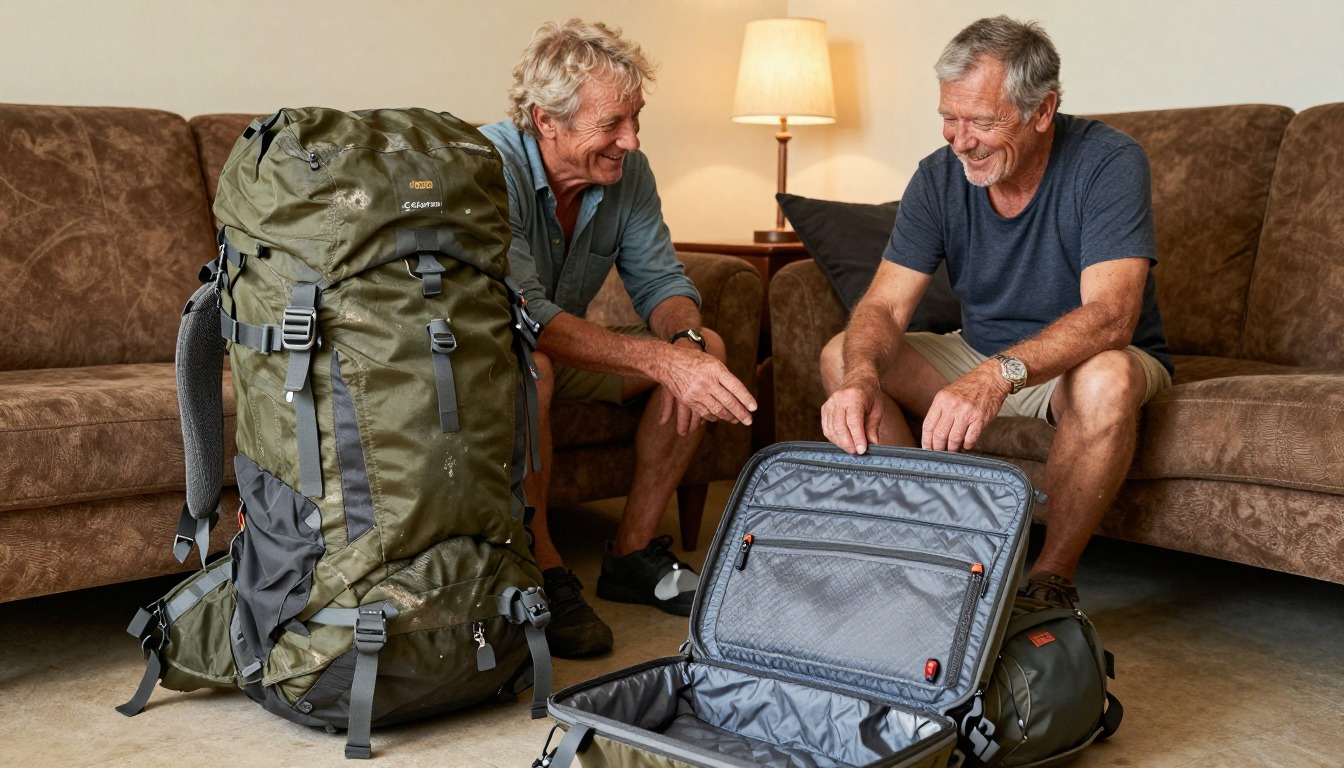
Backpacking means walking into the wilderness and sleeping there, so you carry your bed, your shelter and your food. A 35-liter pack is small for that job, a little smaller than a typical carry-on suitcase, but it can work if your camping gear folds down small.
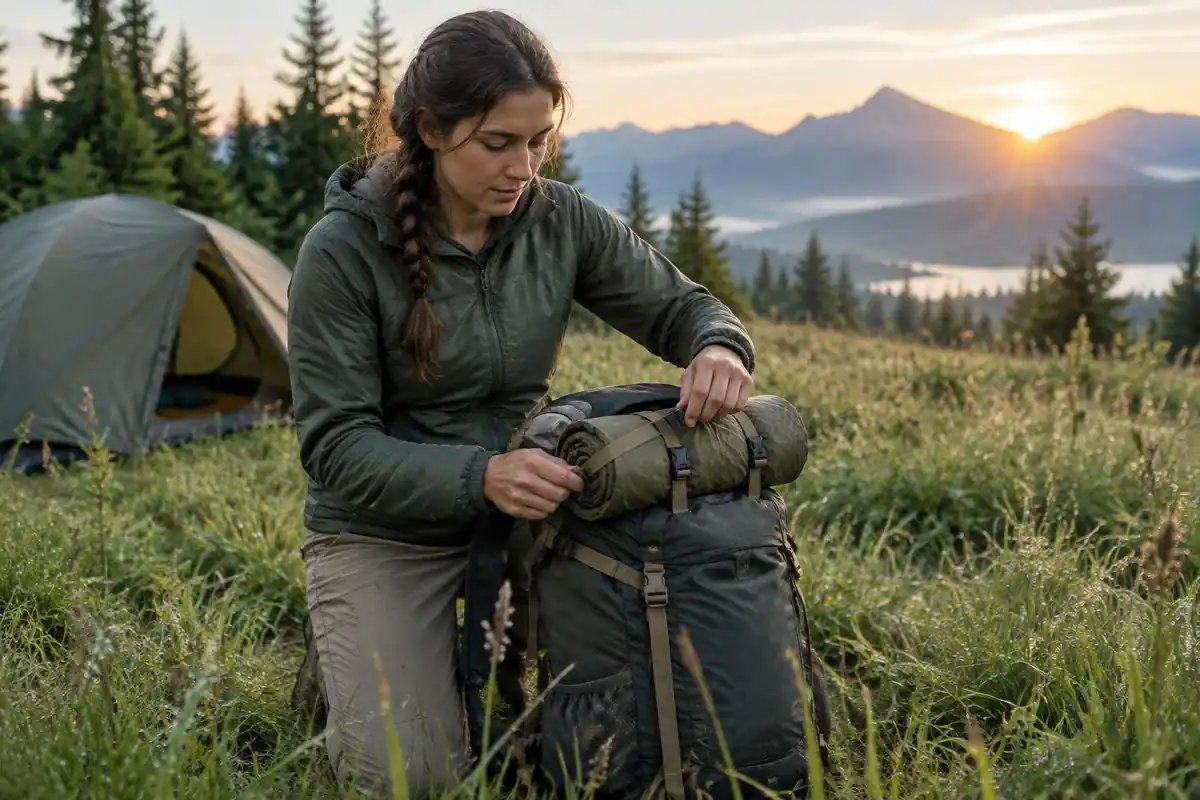
The trick is choosing gear that packs tightly, like a sleeping bag that squishes into a stuff sack the size of a loaf of bread. Heavier, older gear takes more room, and cold weather means warmer clothes and a thicker sleeping bag, which also take more space.
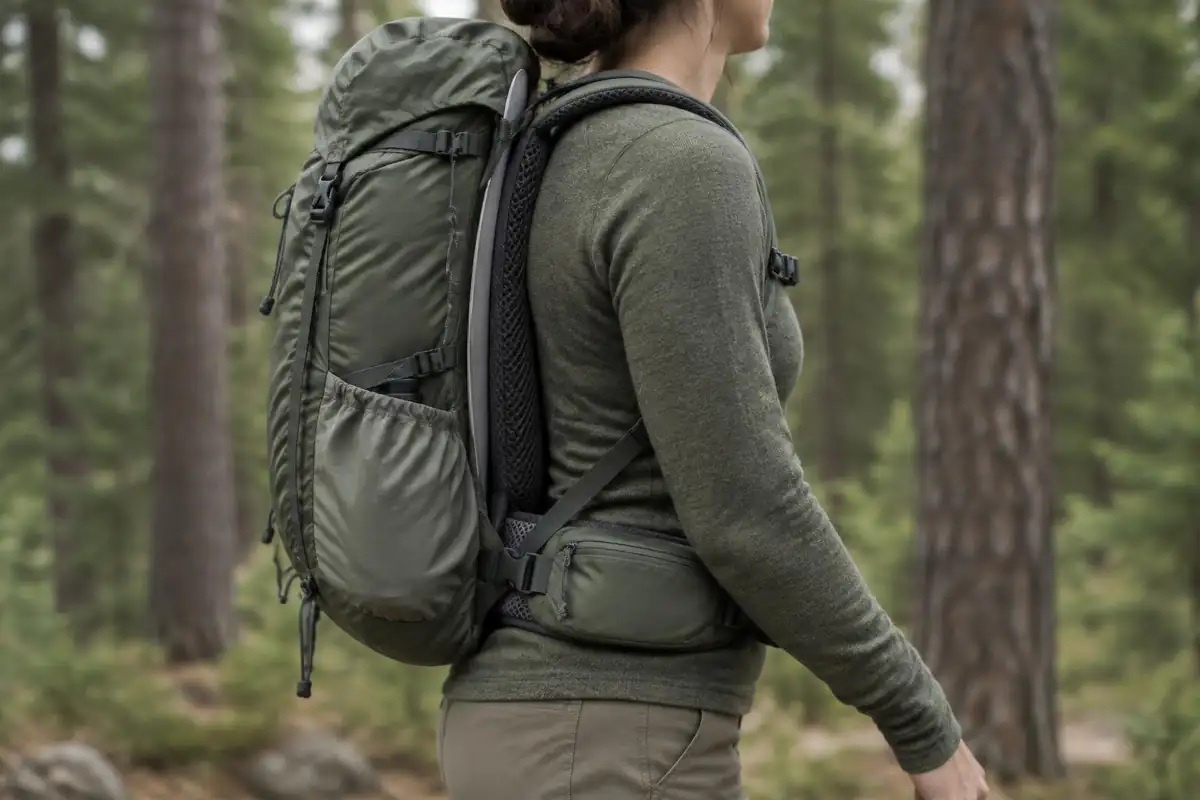
Small packs often have a light frame or no frame at all. A frame is the stiff part inside the pack that helps move weight onto your hips. Without much of one, the pack is comfortable only when the load is light. So a 35-liter pack rewards light gear twice: it fits better, and it carries better.
A 35L pack supports genuine backpacking trips, not just long day hikes, as long as the gear list stays compact. The extra volume over a 30L pack gives enough room for a compressible three-season quilt or sleeping bag, a lightweight shelter, and one to two days of food beyond day-hike essentials.
What kind of gear fits a 35L backpacking load?
A 35L backpacking load typically includes a compressible sleeping bag or quilt, a minimalist tent or tarp shelter, a sleeping pad, a canister stove, and food for the trip length. Packs in this size range, including the Osprey Talon 33, Gregory Zulu 30, and Gossamer Gear Kumo 36, use lightweight internal frames or single-stay designs built for exactly this kind of load.
What limits a 35L pack for longer trips?
Trip length beyond two nights, cold-weather gear, and bulkier winter layers all push against a 35L pack's realistic capacity. Extra fuel, an insulated jacket, and a warmer sleeping bag can fill the remaining volume fast, forcing hikers to either compress harder or size up.
How does frame type affect the carry?
Frameless or single-stay designs keep pack weight low but shift more load onto the shoulders, so they suit lighter total loads best. A pack with a fuller internal frame carries loaded weight more comfortably as the total climbs toward the upper end of what a 35L pack can reasonably hold.
Hikers new to backpacking at this capacity should pack a trial load at home and weigh it before the first trip, since it's easy to underestimate how quickly food, water, and a sleep system add up against a 35L ceiling.
Why 35 liters works for some kits and not others
Published guidance assumes more room than 35 liters. The Washington Trails Association suggests 45 to 50 liters for a standard one- or two-night trip.1 The gap is closed by gear choice. The Appalachian Trail Conservancy names the pack, shelter and sleeping bag the big three, usually the heaviest pieces of gear,2 and they are usually the bulkiest too. Gossamer Gear defines ultralight as a base weight under 10 pounds and lightweight as under 20.3 A kit near the ultralight end generally fits in 35 liters; a heavier kit usually does not.
Season changes the math. Big Agnes suggests a sleeping pad with an R-value of 2 or lower for summer but 4 to 4.8 for spring through fall, because shoulder seasons still bring cold nights.4 Warmer pads and bags generally take more room, which is why the page limits 35 liters to warm weather.
What load ratings reveal about frame type
The page notes that frameless or single-stay packs suit lighter loads. Granite Gear's published ratings show how much the frame matters: its Crown3 60 is rated for 25 pounds without its framesheet, 35 pounds with it, and 43 pounds with the optional aluminum stay.5 The same bag carries very different loads depending on what stiffens it.
Ratings on light packs tend to be modest. Gossamer Gear lists a 30-pound recommended comfort load and a 35-pound maximum for its Mariposa 60.6 Small packs are often rated lower still, so read the load rating for the specific model before assuming it can carry two nights of food and water. A military review of load carriage recommends hip belts whenever possible because they reduce shoulder pressure.7
Stove and fuel choices in a small pack
Cooking gear competes for the same small space. MSR says canister stoves are almost always lighter and more compact than liquid-fuel stoves.8 The trade-off is cold: isobutane boils at 11°F at sea level, so it vaporizes poorly in the cold,9 which suits the warm-weather trips a 35-liter pack is best for anyway. Never cook or run a fuel-burning appliance inside a closed tent; the CPSC says people die every year from carbon monoxide from camping stoves, heaters or lanterns used in tents.10
Looking for Complete Category Guidance?
Explore our complete, evidence-based master guide for Backpacks by Capacity.