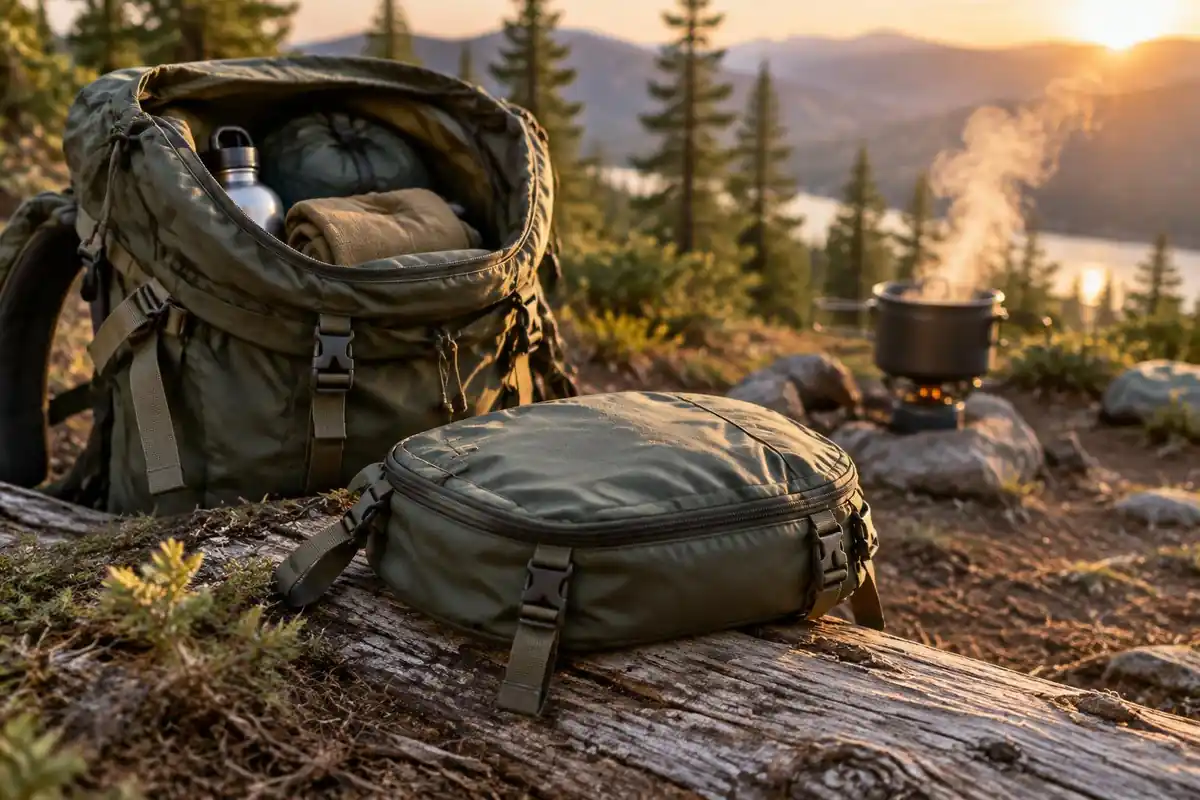
An honest look at the REI Co-op Flash 55's roll-top design, adjustable suspension, and Packmod system, and which backpackers it actually suits.
By Marcus Hale, Lead Pack Research Editor · Published September 14, 2026, 6:03 PM ET · Updated September 29, 2026, 6:16 PM ET
Affiliate disclosure: this page contains affiliate links. Purchases made through them may earn us a commission at no extra cost to you. See our affiliate disclosure.
In plain English
The Flash 55 is a big hiking backpack made to be light for its size. The "55" is its volume in liters, roughly the space of a large kitchen trash can. That is enough for a tent, sleeping bag, food and clothes for a few nights.
Inside the back is a frame, a bendy metal skeleton that keeps the pack in shape and passes the weight down to the hip belt. The hip belt is the padded belt that wraps around the bony tops of your hips, so your legs carry more of the load than your shoulders do.
REI says the Flash 55 is comfortable up to 35 pounds. For a sense of scale, water weighs about 8 pounds per gallon, so 35 pounds is a little more than four gallons of water.3 If you usually carry more than that, a sturdier pack will feel better. If you carry less, the Flash's lighter build is the point.
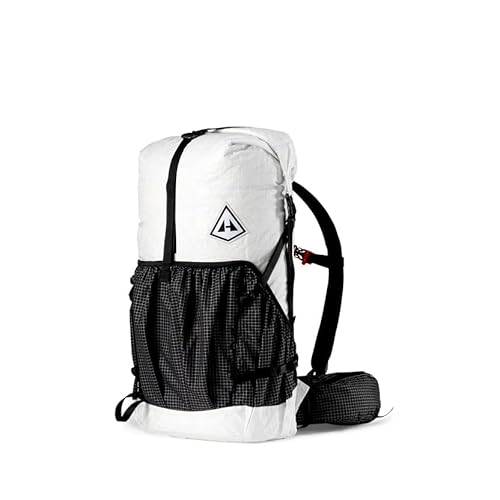
The REI Co-op Flash 55 is a lightweight internal-frame backpacking pack built around a roll-top main compartment, a spring steel frame, and REI's removable Packmod straps and pockets, aimed at hikers who want to cut pack weight without moving to a full cottage-ultralight setup. It sits between REI's more structured Traverse line and the pared-down packs sold by dedicated ultralight brands.
What kind of pack is the Flash 55?
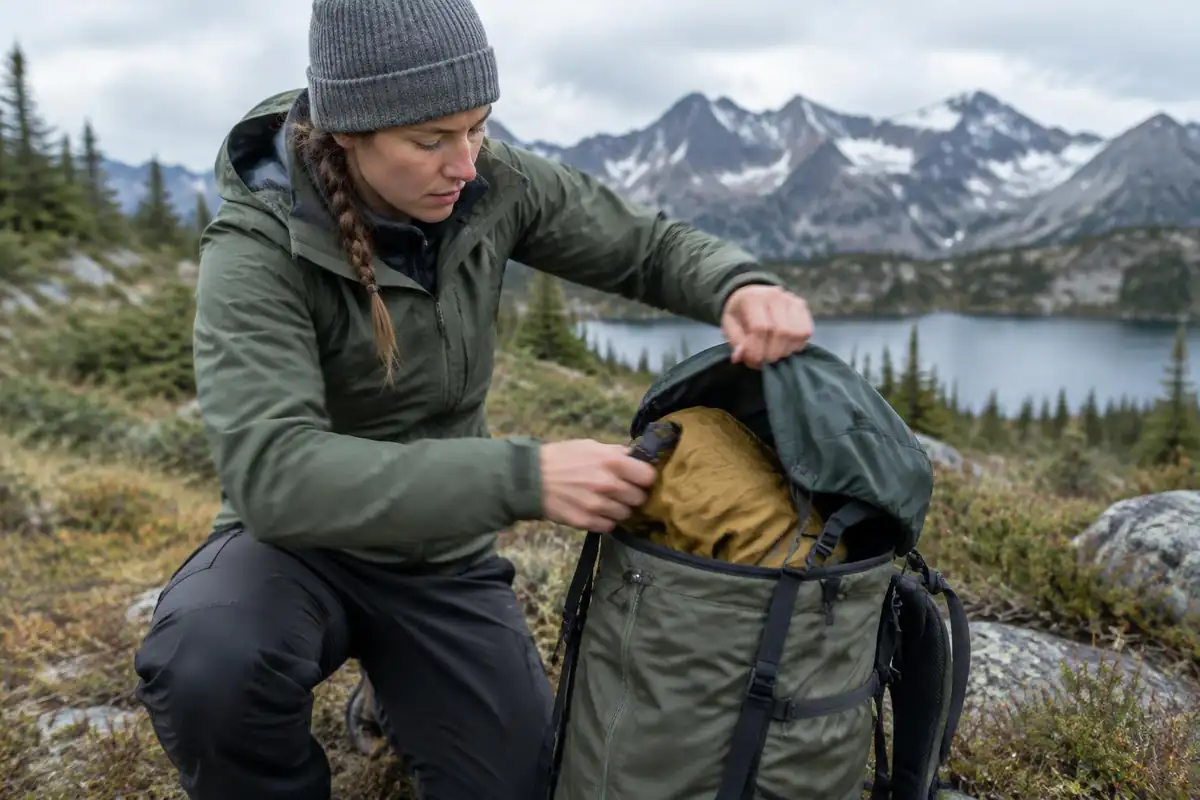
The Flash 55 is a 55-liter internal-frame backpacking pack designed for multi-day trips where keeping the empty pack weight down matters as much as comfort under load. It uses a roll-top closure instead of a traditional lid-and-drawcord design, which lets the main compartment extend or compress depending on how much gear is packed.
Roll-top closures are common on lighter backpacking packs because they remove the extra fabric and buckles a fixed lid needs, and they let the same pack handle a lighter summer load or a bulkier shoulder-season load without wasted volume. REI describes the Flash 55 as using a spring steel frame rather than the tubular aluminum frame found on its heavier-duty Traverse, which keeps weight down but shifts more of the carrying job onto correct sizing and load placement.
What's the deal with Packmod?
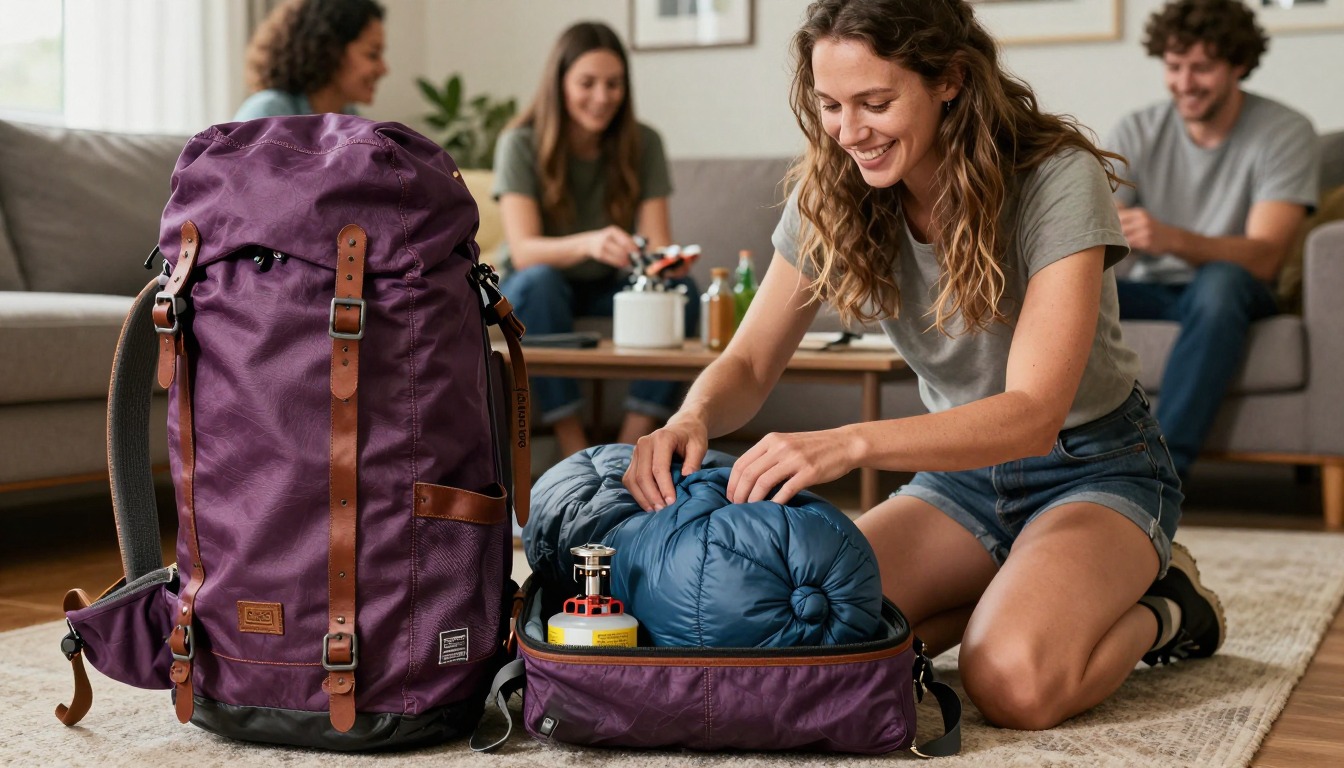
One of the Flash 55's distinguishing features is REI's Packmod system of removable compression straps and pockets, which lets a hiker strip the pack down or add pockets to suit the trip.
Because the straps and pockets are removable, the pack sheds a little weight when they are taken off, which suits backpackers who want to tailor the pack to a specific trip.
Who is the Flash 55 built for?
The Flash 55 fits backpackers who already have some overnight experience and want to reduce pack weight without adopting the more spartan feature set of dedicated ultralight brands. It suits three- to five-night trips at a moderate pace, where the difference between a lighter and heavier empty pack adds up over consecutive days on the trail.
It's a less natural fit for hikers who want maximum pocket organization, a highly padded hipbelt for very heavy loads, or a fixed structured lid rather than a roll-top. Those priorities point toward REI's own Traverse line or a heavier-duty pack from Osprey or Gregory instead. Because the Flash 55 trades some structure for weight savings, it also rewards careful packing more than a heavier-frame pack does — weight needs to sit close to the back and centered over the hips for the lighter spring steel frame to carry comfortably.
How does the Flash 55 compare to other backpacking packs?
Compared to premium ultralight packs from cottage brands, the Flash 55 offers more conventional organization — a real lid, more pockets, a padded hipbelt — at a lower price, but it won't match the lowest empty weights those brands reach with Dyneema Composite Fabric builds. Compared to REI's own Traverse or to heavier packs from Osprey and Gregory, it's lighter and simpler but offers less structure for very heavy loads.
That middle position is the point: the Flash 55 is built for hikers stepping down in weight from a traditional backpacking pack, not hikers trying to hit the lowest gram counts possible. Anyone comparing it against other 50–60 liter backpacking packs should weigh the roll-top and Packmod flexibility against how much they value a fixed structured lid and maximum pocket count.
Frequently Asked Questions
It can work for a beginner who has already tried at least one overnight trip, since the roll-top closure and lighter frame reward correct packing more than a heavier-frame pack does. A first-time backpacker who wants maximum forgiveness and structure may find REI's Traverse line or a heavier Osprey pack more straightforward.
It uses REI's standard adjustable torso approach, but its frame and hipbelt are built lighter than the Traverse line, so it carries a given load with less structure. Trying it on with a loaded fitting at an REI store is the most reliable way to confirm fit before buying.
Some guides describe the Flash 55's frame as a single perimeter stay paired with a lightweight framesheet. REI's own product listing describes it differently: a spring steel frame with integrated suspension and an adjustable torso.1 Pack frames change between generations, so the difference may reflect an older version, but the manufacturer's current description should take priority. Spring steel is chosen for frames that need to flex and spring back; Deuter uses a flexible spring steel frame in its Aircomfort mesh-back system for the same reason.4
Why it matters: a flexible frame follows your body and saves weight, but it has a lower ceiling than a stiff tubular frame. That is exactly the gap between the Flash 55's 35-lb comfort figure and the Traverse 60's tubular aluminum frame, which REI rates for loads up to 45 lb.1,2
Reading the 35-pound comfort rating
Load ratings are brand figures, not results from a shared test standard, and brands word them differently. REI says the Flash 55 is comfortable up to 35 lb.1 Gossamer Gear gives its Mariposa 60 a 30-lb recommended comfort load and a 35-lb maximum, and ULA lists the Circuit at a 35-lb maximum.5,6 A comfort figure and a maximum figure are not the same claim, so compare like with like.
To see what 35 lb buys, start from base weight: your gear without food, water and fuel. Gossamer Gear puts lightweight backpacking at a base weight under 20 lb and ultralight under 10 lb.7 Water adds up fast: one liter weighs about one kilogram, or 2.2 lb.8 A hiker with an 18-lb base weight carrying two liters of water is already near 22 lb before any food, which leaves a margin of a few days' food under REI's comfort figure. A 25-lb base weight leaves very little.
Packmod, fabric and the co-op behind it
REI's Packmod system uses removable compression straps and pockets, so the pack can be simplified for a light trip or built out for a bulkier one.1 The body is recycled ripstop nylon with a durable water repellent made without PFAS.1 That matters beyond marketing: California's AB 1817 explicitly lists backpacks as textile articles and, from January 1, 2025, bars new ones containing regulated PFAS from being made, distributed or sold in the state.9
REI (Recreational Equipment Inc.) is a consumer co-operative formed in 1938 by 23 friends.10 Its Satisfaction Guarantee gives members one year for replacements or refunds, with exclusions, which is a return window rather than a lifetime warranty.11 If you are weighing the Flash against a cottage-brand pack, compare those terms along with weight and load rating.