
Best Rei Co-Op Backpack
Best Rei Co-Op Backpack, ranked from aggregated owner ratings and reviews, not first-hand testing. Real pros, cons, and who each pick is best for.

Affiliate disclosure: this page contains affiliate links. Purchases made through them may earn us a commission at no extra cost to you. See our affiliate disclosure.
In plain English
REI is a big outdoor store that also designs its own packs under the REI Co-op name. Its two main backpacking lines are the Flash, which is lighter and simpler, and the Traverse, which is sturdier and has more pockets.
The easiest way to choose is to think about how much you will carry. A light pack is like a small car: nimble and efficient, but not built to haul a heavy load. A sturdier pack is more like a pickup: heavier to start with, but comfortable when it is full. Add up your gear, food and water, then pick the pack built for that weight.
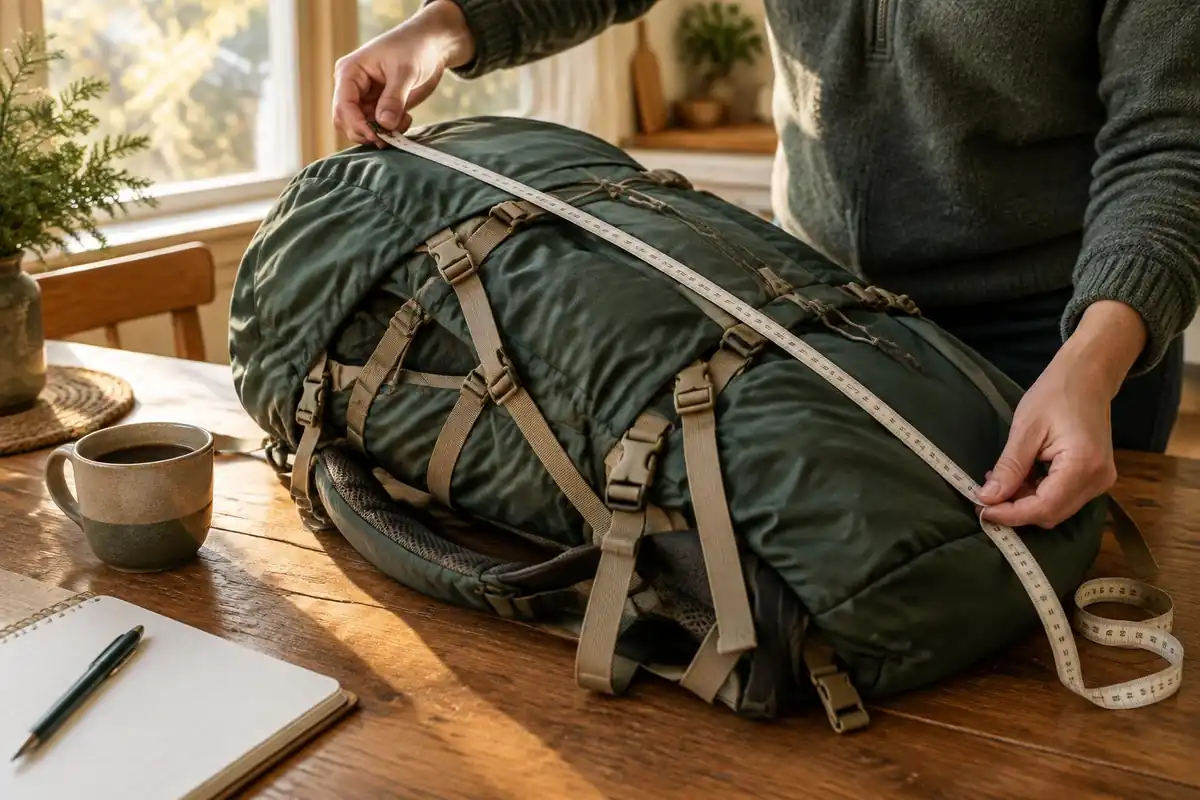
After that, check the fit. Measure from the bump at the base of your neck to the top of your hip bones, and try the pack with weight inside. REI stores can help you do this in person.

Choosing a REI Co-op backpack starts with deciding how much you value low empty-pack weight against structured support and storage, since REI Co-op's two core backpacking lines — Flash and Traverse — sit at opposite ends of that trade-off rather than competing directly with each other.
What should you look for in an REI Co-op backpack?
Look for the combination of frame type, torso adjustability and closure style that matches your trip length, since these three factors determine how a pack carries more than brand name does. A pack with an adjustable torso system, a padded and contoured hipbelt, and a frame rated for your typical loaded weight will carry comfortably regardless of which REI Co-op model it is.

Confirm the closure style fits how you pack: a roll-top compartment suits hikers who want a lighter, simpler pack and don't mind less rigid organization, while a fixed lid with a drawcord closure suits hikers who want a dedicated top pocket and more predictable packing. Check pocket count and placement too — hipbelt pockets, side water-bottle pockets and front stretch pockets matter more on longer trips where quick access to snacks, a filter or rain gear saves time.
Should you buy the Flash or the Traverse?
Buy a Flash-line pack for trips where keeping empty pack weight down matters, typically overnight to five-night trips at a moderate pace with a base camp or summit-day component; buy a Traverse-line pack for longer or heavier-load trips where structure and storage matter more than shaving ounces. Neither is objectively better — they're built for different priorities.

A hiker doing frequent weekend trips who wants to move faster and carry less empty weight will generally be happier with the Flash. A hiker doing extended trips, carrying shared group gear, or hiking in conditions requiring bulkier layers will generally be happier with the Traverse's fuller suspension and storage. Trying both loaded at an REI store, if one is accessible, is the most reliable way to feel the difference before buying.
Do REI Co-op packs fit true to size?
REI Co-op backpacks generally use the same torso-measurement approach used across the backpacking industry — measuring from the C7 vertebra at the base of the neck to the iliac crest at the top of the hips — and fit true to that measurement when the adjustable system is set correctly. Sizing issues usually come from an incorrect torso measurement rather than the pack itself running long or short.
Because torso length, not overall height, determines backpack fit, two hikers of the same height can need different pack sizes. REI's in-store fitting service, where staff measure torso length and load a pack with test weight, removes most of the guesswork that comes with sizing a backpack from specs alone.
Is an REI Co-op pack a good value compared to other brands?
REI Co-op backpacks use frame and suspension concepts broadly similar to comparable packs from Osprey, Gregory and Deuter, which is why the brand is frequently recommended as a value option rather than a downgrade. The trade-off is availability — REI Co-op gear is bought primarily through REI rather than compared across multiple retailers.
For hikers who already shop at REI or hold a co-op membership, the combination of lower pricing, an annual member dividend and a longer member return window adds up to a lower-risk first backpacking-pack purchase than many alternatives. For hikers who prioritize buying across retailers or want the widest possible resale and accessory ecosystem, a more widely distributed brand may still be worth the price difference.
Compare current best rei co-op backpack on Amazon. We haven't hand-ranked individual models for this list yet — in the meantime, browse the current top-rated options that match the criteria above.
Flash versus Traverse, by REI's own ratings
REI publishes load ratings that make the page's trade-off concrete. REI describes the Flash 55 as a lightweight pack with integrated suspension and an adjustable torso, and says it is comfortable with loads up to 35 lbs.1 It uses a spring steel frame, the medium weighs 2 lb 13 oz and holds 55 liters, and it uses REI's Packmod system of removable compression straps and pockets.1
The Traverse 60 uses a tubular aluminum frame rated for loads up to 45 lbs, with extended sizing and continuous torso adjustability.2 REI says it prioritizes fit, comfort and trail convenience, and it includes a raincover.2 So the choice is less about trip length than about load. If your realistic packed weight sits well under 35 lb, the Flash fits the job. If it regularly pushes past that, the Traverse's higher rating matters more than the saved ounces.
Estimating the load you will actually carry
Base weight is the pack's weight with all gear, minus consumables such as food, water and fuel.3 The consumables are what push a load over a pack's rating. Each liter of water weighs about 1 kg, or roughly 2.2 lb.4 In dry parks, needs are high: Guadalupe Mountains National Park advises a gallon per person per day, about 8 lb per gallon, so a three-day, two-night trip means about 24 lb of water.5
That example alone would use most of the Flash's comfort rating before any gear goes in. The Appalachian Trail Conservancy notes that the pack, shelter and sleeping bag, the 'big three', are usually the heaviest pieces of gear.3 Weigh those before choosing. A lighter pack only pays off if the rest of your kit is light enough to stay under its rating.
What membership and the co-op model change
REI is a consumer co-operative, formed in 1938 by 23 friends.6 The page mentions a longer member return window. REI describes this as a 100% Satisfaction Guarantee under which members get one year for replacements or refunds, with exclusions.7 Lifetime membership is a one-time fee rather than a subscription.7 For a first backpacking pack, a year to change your mind after real trail use is a meaningful safety net, but read the exclusions.
For care, REI's general guidance is never to machine wash or machine dry a pack, and to dry packs in shade or indoors because UV light can degrade fabric.8 Both packs above use a DWR made without PFAS, according to REI.1
Frequently Asked Questions
Where can I buy an REI Co-op backpack?
REI Co-op backpacks are sold almost exclusively through REI's own stores and website rather than through outside retailers, since it's REI's in-house brand. Occasional used or outlet listings exist through REI's own resale channels, but the pack line isn't broadly distributed elsewhere.
Do I need to be an REI member to buy REI Co-op backpacks?
No, anyone can buy REI Co-op gear without a membership, but co-op members get access to the annual patronage dividend and a longer member return window on their purchases, including on backpacks. Membership is a one-time lifetime fee rather than an ongoing subscription, and it isn't required to shop at REI.
Related Buying Guides
Planning a hiking trip? Compare hotels, lodges and guesthouses.
Book on Booking.com Book on AgodaAffiliate links: we may earn a commission at no extra cost to you.