
Best Gossamer Gear Backpack
Best Gossamer Gear Backpack, ranked from aggregated owner ratings and reviews, not first-hand testing. Real pros, cons, and who each pick is best for.
Affiliate disclosure: this page contains affiliate links. Purchases made through them may earn us a commission at no extra cost to you. See our affiliate disclosure.
In plain English
Gossamer Gear is a small American company that makes light packs for people who want to carry less. Its packs weigh little, but they are designed for modest loads, not huge heavy ones.
The most important step is being honest about what you will carry. Add up your tent, sleeping bag, food and water. If the total is small, a light pack will feel great. If it is big, a light pack will dig into your shoulders, like carrying a heavy bag of groceries in a thin plastic bag.
Also measure your back, from the bump at the base of your neck to the top of your hip bones, and pick the size from that number. Many light packs come in fixed sizes, so getting the measurement right matters more than usual.
Our Top 3 Picks
Quick Comparison
| Shell | Extras | Buy | ||||
|---|---|---|---|---|---|---|
| 1 | GOSSAMER GEAR Spider 36 R KUMO 36 RTop Overall Pick | — | — | 100D nylon | — | View |
What should you look for in a Gossamer Gear backpack?
The right Gossamer Gear backpack comes down to matching capacity, frame, and fabric to a specific trip rather than picking the brand's most popular model. Capacity should match trip length and resupply frequency, the frame should match how much weight needs to transfer to the hips, and fabric should match the trade-off a hiker wants between durability and total pack weight.
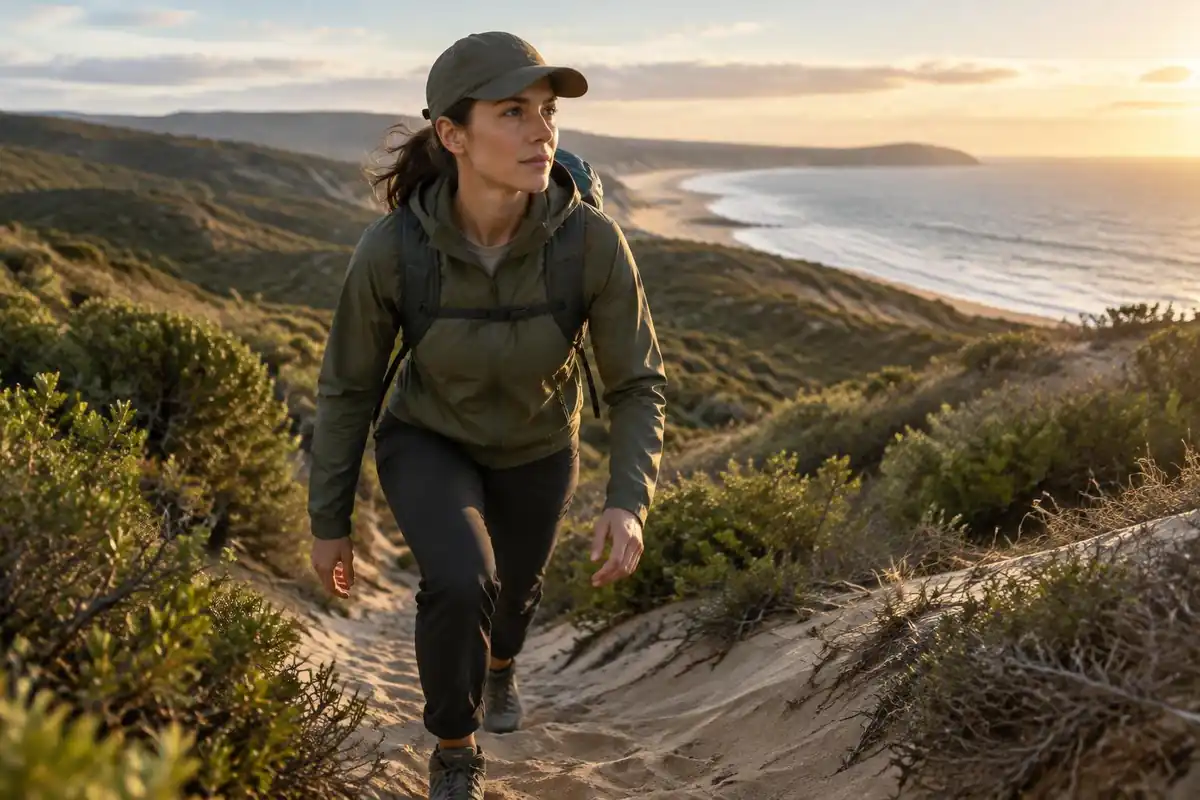
Capacity is the first filter. A pack in the roughly 60-liter class, like the Mariposa, suits multi-day trips with longer stretches between resupply, colder-weather gear, or hikers still working toward a very low base weight. Mid-size packs in the 40-to-50-liter range suit hikers who already pack lighter and resupply more often. Smaller, minimalist packs in the mid-30-liter range suit short trips, fastpacking, or hikers who have already dialed in an ultralight gear list.
Frame type is the second filter, and it's specific to how Gossamer Gear builds its packs. Frame design varies by model: the Mariposa uses Gossamer Gear's PVT Frame+Belt, a closed-shape aluminum frame with a pivoting hipbelt, while lighter models use simpler or no frames. Deciding how much frame a trip needs is a useful way to narrow down which pack — and which size — actually fits the plan.
Fabric is the third filter. Gossamer Gear typically builds its packs from a durable, higher-denier nylon for everyday abrasion resistance, and offers lighter composite fabric options on select models for hikers chasing the lowest possible pack weight. Challenge Sailcloth's ULTRA, sometimes mentioned alongside DCF, is a separate UHMWPE composite fabric, not a renamed DCF. The trade-off is consistent across ultralight gear generally: composite fabrics cut weight but usually cost more and can be less abrasion-resistant over years of heavy bushwhacking than a tougher nylon.
How should you size a Gossamer Gear backpack?
Sizing a Gossamer Gear backpack starts with a torso measurement rather than trying on a single one-size harness, because several models ship in fixed small, medium, and large torso lengths instead of one continuously adjustable frame. Measure from the C7 vertebra at the base of the neck down to the iliac crest at the top of the hips, then check that measurement against the size range listed for the specific model. Getting this step right matters more on Gossamer Gear's packs than on brands that rely on a sliding, infinitely adjustable harness, since there's no in-between size to fall back on if the measurement is off.
Who should choose a lighter frameless carry versus a full framed pack?
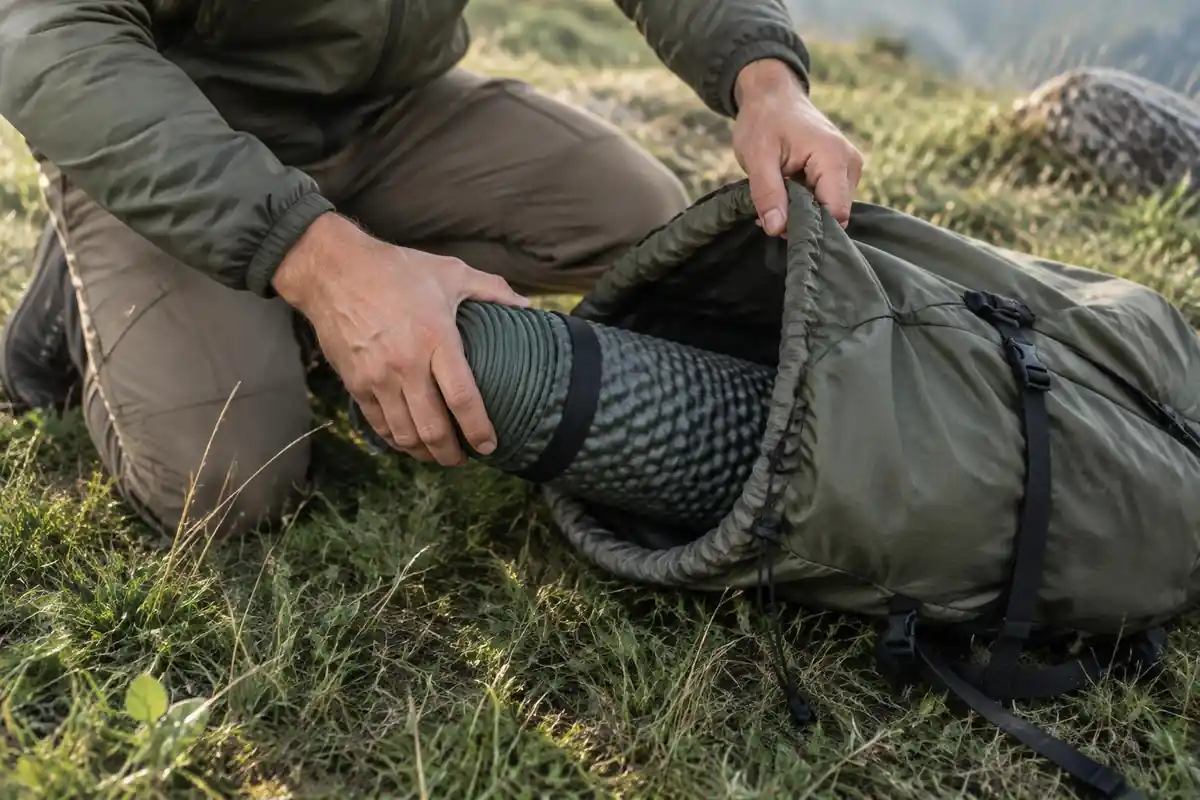
A framed carry suits hikers with heavier food, water, or cold-weather loads who need the hip belt to take weight off their shoulders over long days. A frameless carry suits hikers who have already trimmed their gear list to a low base weight and are covering shorter distances between resupply, where the extra ounces of a frame matter more than the support it provides.
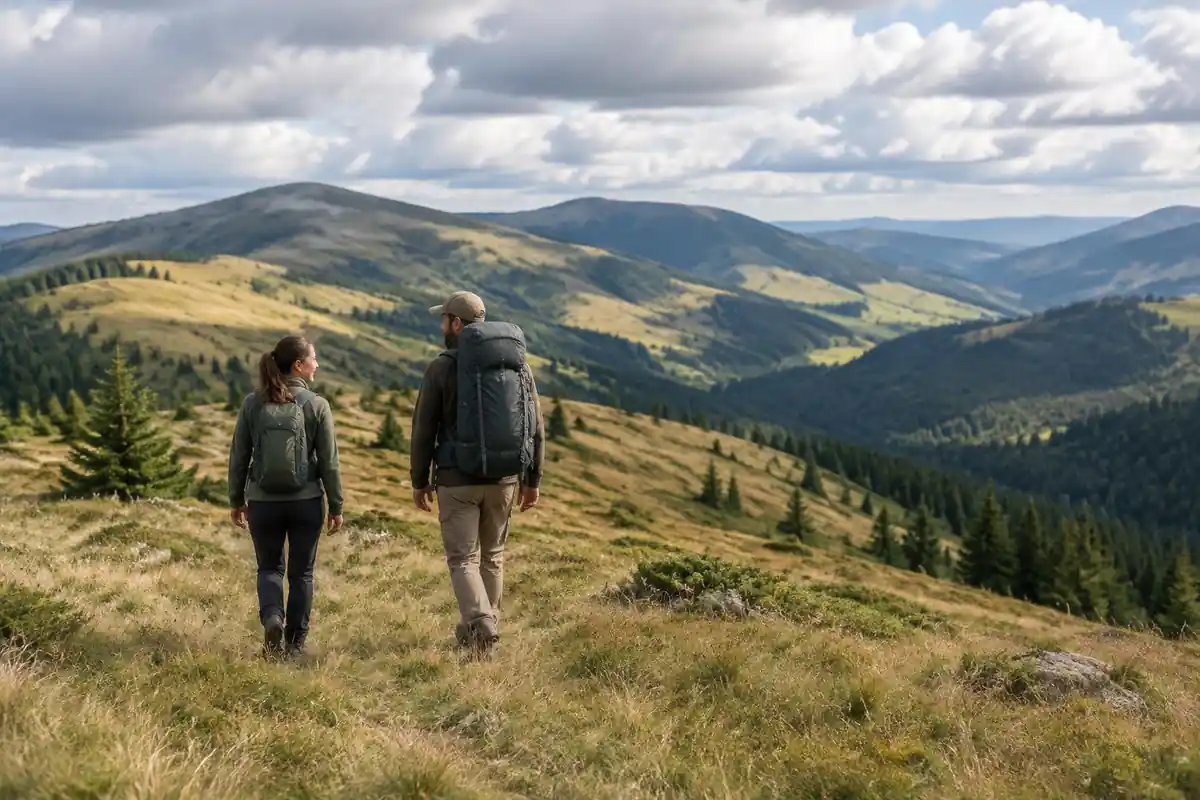
Hikers new to ultralight backpacking, or planning a trip with real winter or shoulder-season weight, generally do better starting with the frame in and a larger-capacity pack, then working toward a lighter, frameless setup as their gear list shrinks and their comfort with lower support increases. Hikers who already run a lean gear list and know their comfort trade-offs can reasonably start straight into a smaller, frameless Gossamer Gear pack.
Full Ranking, Reviewed
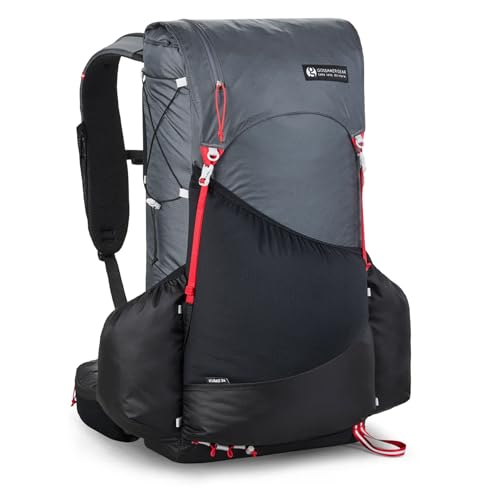
Best for Gossamer Gear backpacks
- 100D nylon shell
- Maximum Load Capacity
- Built from hard-wearing nylon
- Colours and exact capacity options change often on Amazon — confirm the current variant on the listing before buying.
Verdict: This hiking pack keeps things refreshingly simple, making it our overall pick for Gossamer Gear Backpacks.
Sorting out the fabric names: ULTRA is not renamed DCF
Some guides say Dyneema Composite Fabric is now marketed by its manufacturer as Ultra. That is not correct. Dyneema is a brand of ultra-high-molecular-weight polyethylene (UHMWPE) fiber.1 Challenge Sailcloth's ULTRA is its own UHMWPE composite fabric; Challenge describes UHMWPE as the generic material sold under brands like Dyneema and Spectra.2 So ULTRA and DCF are related materials from different makers, not one fabric renamed.
The two are built differently. Dyneema composite fabrics are built on layers of Dyneema fiber bonded at 0 and 90 degrees,3 while ULTRA 100 uses a 100d Ultra-PE face blended with high-tenacity polyester and backed by a thin film.2 Challenge claims ULTRA 100 has double the tear strength of 500d Cordura at under 3 oz per square yard;2 treat that as the maker's claim. The page's point that composites may wear faster than tough nylon was not confirmed by any neutral source found for this guide. When a Gossamer Gear model lists a composite fabric, check which one it is.
The Mariposa's frame and what its load rating tells you
Some guides say most Gossamer Gear models use a single removable aluminum stay. For the Mariposa, Gossamer Gear describes something different: its PVT Frame+Belt, a closed-shape aluminum frame with a pivoting hipbelt.4 Check each model's own page for its frame rather than assuming one design across the line.
The Mariposa 60 has a 35 lb max carry capacity and a 30 lb recommended comfort load.4 Its 60 liters are split into 36 liters in the main body and 24 liters across seven exterior pockets,4 so the bag holds more than it seems, which makes it easy to fill past the comfort load. It is made from 100D and 210D recycled Robic nylon and is PFAS-free.4 If your food and water regularly take you past 30 lb, REI's general warning applies: frameless and light-frame packs save weight but are much less comfortable under heavy loads.5
Warranty and repair expectations
Gossamer Gear warrants products against manufacturing defects for one year from purchase, for US purchasers, and does not warranty fabric failure due to durability issues.6 It refers professional repairs to Rugged Thread in Bend, Oregon, at a discount.6 That is shorter than mainstream lifetime-style guarantees, which is a normal trade-off with light fabrics built for low weight rather than long service.
Gossamer Gear says it has outfitted outdoor enthusiasts since 1998 and was started, as GVP Gear, by civil engineer Glen Van Peski.7 Verify that any marketplace listing is a genuine Gossamer Gear model before buying.
Frequently Asked Questions
Does Gossamer Gear make a Dyneema backpack?
Check each model's listing: Gossamer Gear makes the Mariposa 60 from 100D and 210D recycled Robic nylon. Composite fabrics such as DCF trade some abrasion resistance and cost more than nylon in exchange for lighter weight, and Challenge Sailcloth's ULTRA is a separate composite fabric, not a renamed DCF.
What size Gossamer Gear backpack do I need?
Size depends on trip length and gear list: roughly 60-liter packs suit multi-day and thru-hiking loads, 40-to-50-liter packs suit lighter multi-day trips, and mid-30-liter packs suit short trips or hikers who already run a very low base weight. Measuring torso length first is the more reliable way to confirm fit.
Is a Gossamer Gear backpack good for beginners?
Gossamer Gear packs work for beginners, but the brand's fixed torso sizing and removable-frame system reward hikers who already know their measurements and gear list. First-time backpackers may want to start with the frame in and a larger capacity, then move toward lighter setups as experience grows.
Related Buying Guides
Planning a hiking trip? Compare hotels, lodges and guesthouses.
Book on Booking.com Book on AgodaAffiliate links: we may earn a commission at no extra cost to you.