




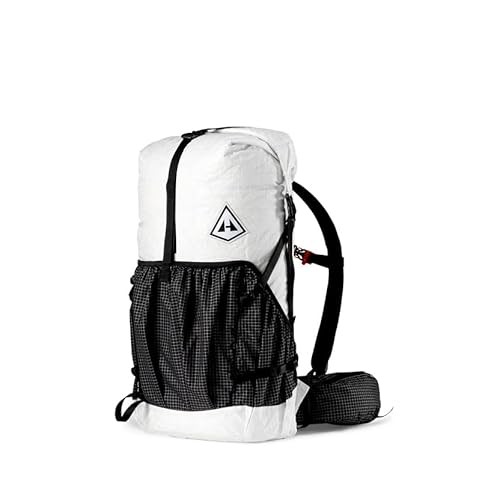
The REI Co-op Traverse is a full-featured internal-frame backpacking pack built for multi-day trips where comfort under a heavier load and organized storage matter more than shaving ounces. It sits opposite the Flash line in REI's own backpacking lineup, trading some empty-pack weight for a more structured suspension and more pockets.
What kind of pack is the Traverse?
The Traverse is a multi-day backpacking pack in the 60-plus-liter range, built with a fixed top lid, multiple exterior pockets and a suspension designed to carry heavier loads comfortably over several days on the trail. It's positioned as REI Co-op's more traditional, full-support backpacking pack rather than a weight-focused option.
Where the Flash line uses a roll-top closure and single-stay frame to cut weight, the Traverse uses a conventional lid-and-drawcord main compartment plus a suspension built around more substantial framing, aimed at hikers carrying shared gear, extra food, or cold-weather layers on longer trips. The extra structure adds empty weight compared to the Flash, but it also spreads a heavier load more evenly across the hips and shoulders.
How does the Traverse suspension work?
The Traverse uses an adjustable torso system paired with a padded, contoured hipbelt designed to transfer the bulk of a loaded pack's weight onto the hips rather than the shoulders, consistent with how backpacking suspensions are meant to work generally. REI offers the Traverse in both men's and women's specific builds, adjusting torso range and hipbelt shape for each.
A ventilated back panel and structured framesheet work together to keep the pack stable when it's fully loaded, which matters more as trip length and pack weight increase. This is the same basic load-transfer principle used across backpacking packs — the hipbelt should carry roughly 80% of the total weight when a pack is sized and adjusted correctly — but the Traverse's heavier-duty build is meant to hold that transfer steady even as the pack gets close to its rated capacity.
How much can the Traverse carry comfortably?
The Traverse is built to carry loads on the heavier end of what a backpacking pack typically handles, which is why REI markets it toward multi-day and extended trips rather than fast-and-light overnight outings. Its structured frame and hipbelt are the main reasons it holds a heavier pack more comfortably than the lighter Flash line.
As with any backpacking pack, comfort under load still depends on correct torso sizing and staying near the roughly 20%-of-bodyweight loaded-pack guideline commonly used across the industry. A properly sized Traverse loaded within that range should carry noticeably more comfortably than an ultralight pack loaded to the same weight, since the extra frame material and hipbelt padding are built specifically to manage that load.
Who is the Traverse built for?
The Traverse fits backpackers planning trips of four or more nights, trips in cooler seasons requiring bulkier gear, or anyone who values pocket organization and a familiar lid-style closure over cutting pack weight. It's a natural fit for hikers who found a lighter pack uncomfortable under a full multi-day load.
It's a less natural fit for weekend trippers or hikers actively trying to reduce base weight, since its extra structure adds empty pack weight compared to REI's own Flash line or a dedicated ultralight pack. Anyone choosing between the two should weigh trip length and typical pack weight against how much empty-pack weight they're willing to carry for the added comfort and storage.
How does the Traverse compare to Osprey or Gregory equivalents?
Against heavier-duty packs from Osprey or Gregory in a similar capacity range, the Traverse offers a broadly comparable feature set — adjustable torso, padded hipbelt, ventilated back panel, multiple pockets — at a price that generally sits below those brands' equivalents. The suspension concepts are similar across all three; the differences show up mainly in fabric choice, hardware finish and specific pocket layout rather than in how the load transfers to the hips.
For hikers who already shop at REI or hold a co-op membership, the Traverse is frequently recommended as the value pick in this heavier-duty category, since it delivers the same fundamental load-carrying job without the premium pricing of a boutique brand. Anyone comparing it directly against Osprey's or Gregory's full-support packs should focus on hipbelt shape and torso range, since those two factors affect comfort more than brand reputation does.