
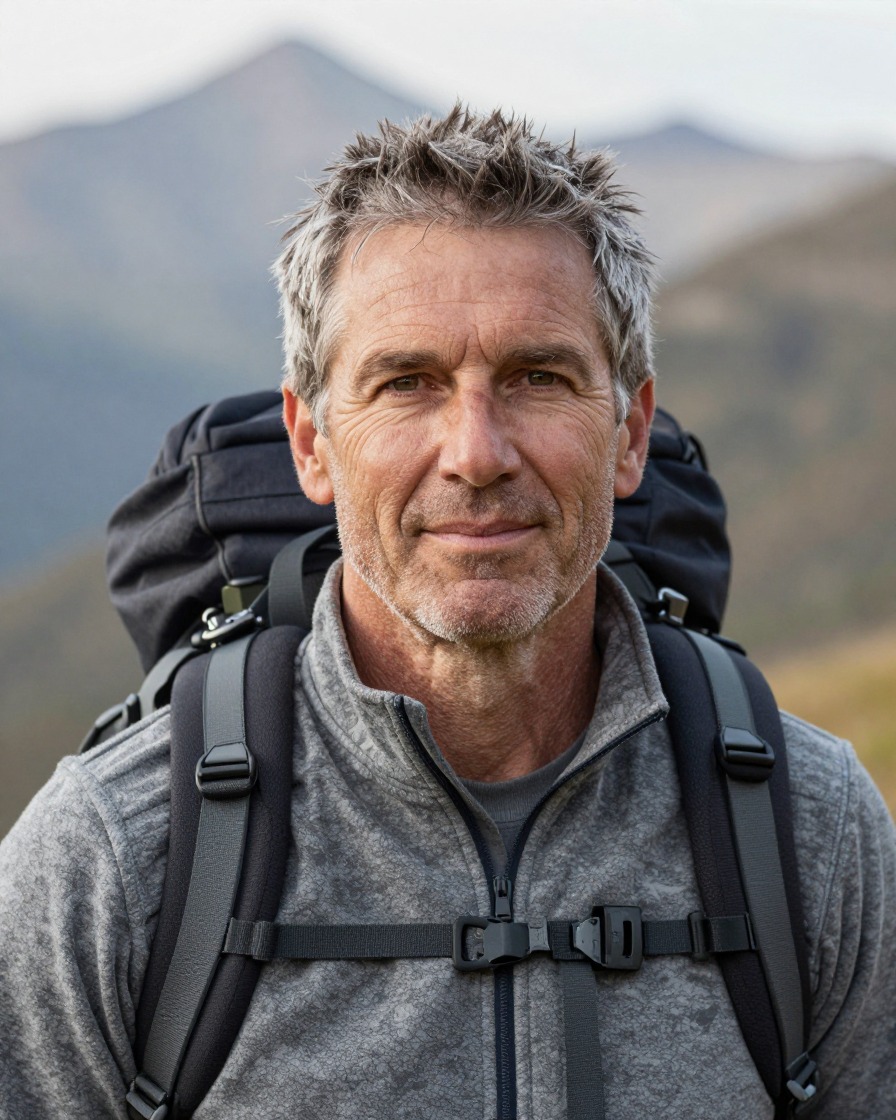
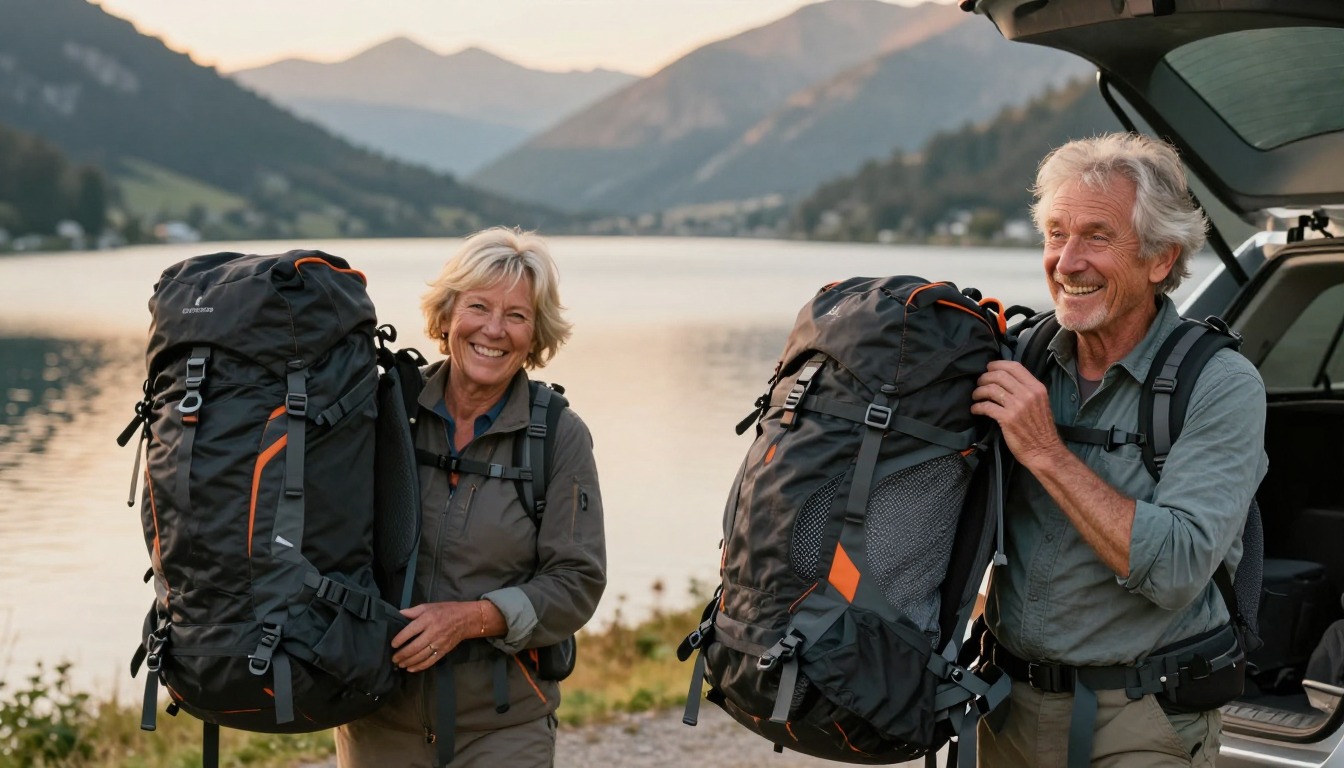


The Osprey Stratos is a men's day-to-overnight hiking pack positioned between Osprey's smaller Talon line and its larger Anti-Gravity multi-day packs. Its women's counterpart is the Sirrus, built on the same platform with a shorter torso range and narrower fit.
What back panel does the Stratos use?
The Stratos uses a ventilated, contoured foam back panel with channels cut for airflow, similar in concept to the Talon's panel but built with more structure and support for carrying moderate loads over longer days. It isn't a suspended-mesh design like Osprey's Anti-Gravity or AirSpeed lines, so it sits closer to the back than those packs while still ventilating better than a flat, unchanneled panel.
What capacity range does the Stratos cover?
Osprey sells the Stratos across a range of nominal liter capacities, from smaller day-pack sizes up through capacities large enough for a light overnight, giving hikers a middle option between a pure daypack and a full multi-day pack. This range makes the Stratos a common pick for hikers who want one pack that covers long day hikes and occasional overnights without owning two separate packs, a trade-off worth weighing against dedicated single-purpose packs when choosing pack capacity for a specific trip type.
How does the Stratos fit compared to the Talon and Atmos AG?
The Stratos sits between the Talon's close, athletic fit and the Atmos AG's fuller-featured, suspended-mesh support, offering more structure and hipbelt padding than the Talon while staying lighter and less bulky than the Atmos AG. Like the rest of Osprey's range, it's sized by torso length rather than a single adjustable fit, so getting the right size still starts with measuring torso length before buying.
What features does the Stratos include?
The Stratos combines day-hiking convenience with enough structure for occasional overnight use.
- Stretch-mesh front and side pockets for layers and water bottles.
- A padded hipbelt with pockets, more substantial than the Talon's slimmer belt.
- Trekking-pole and ice-axe attachment points.
- A hydration-reservoir sleeve and hose port.
- A rain cover included on larger sizes in the range.
How is the Stratos organized for a full day on trail?
The Stratos generally adds more discrete storage than the Talon, with a top pocket or lid pocket for small items, side and front stretch-mesh pockets for water bottles and layers, and hipbelt pockets sized for snacks or a phone. That extra organization is aimed at hikers who want to keep gear sorted through a long day rather than digging through one main compartment, which is part of why the line reads as a step up in features from Osprey's pure daypack-focused Talon line.
Does the Stratos work as a light overnight pack?
The larger sizes in the Stratos range have enough volume for a genuinely minimal overnight kit, though the line's foam back panel and moderate hipbelt padding are built around day-hiking loads first and overnight capability second. A hiker planning frequent overnights is generally better served by a dedicated multi-day pack with a suspended-mesh or structured frame, while a hiker who occasionally stretches a day hike into one overnight a season can reasonably use the Stratos without buying a second pack.
Who is the Stratos best for?
The Stratos suits hikers who want one versatile pack for long day hikes and occasional light overnights, without needing the full ventilation system of the Anti-Gravity line or the minimal build of the Talon. Hikers who need dedicated multi-day capacity or maximum ventilation for hot-weather backpacking are better matched to Osprey's Atmos AG or Aura AG line instead, while hikers who only ever need a small, single-day pack may find the Stratos larger and heavier than they actually need.
Choosing among the Talon, Stratos, and Atmos AG ultimately comes down to how often a hiker's trips fall between categories. A hiker who almost always day hikes but occasionally wants to camp a single night without owning a second pack is the clearest fit for the Stratos, since it avoids the compromise of either overloading a Talon or carrying a fuller multi-day pack's weight and bulk on an ordinary day hike.