

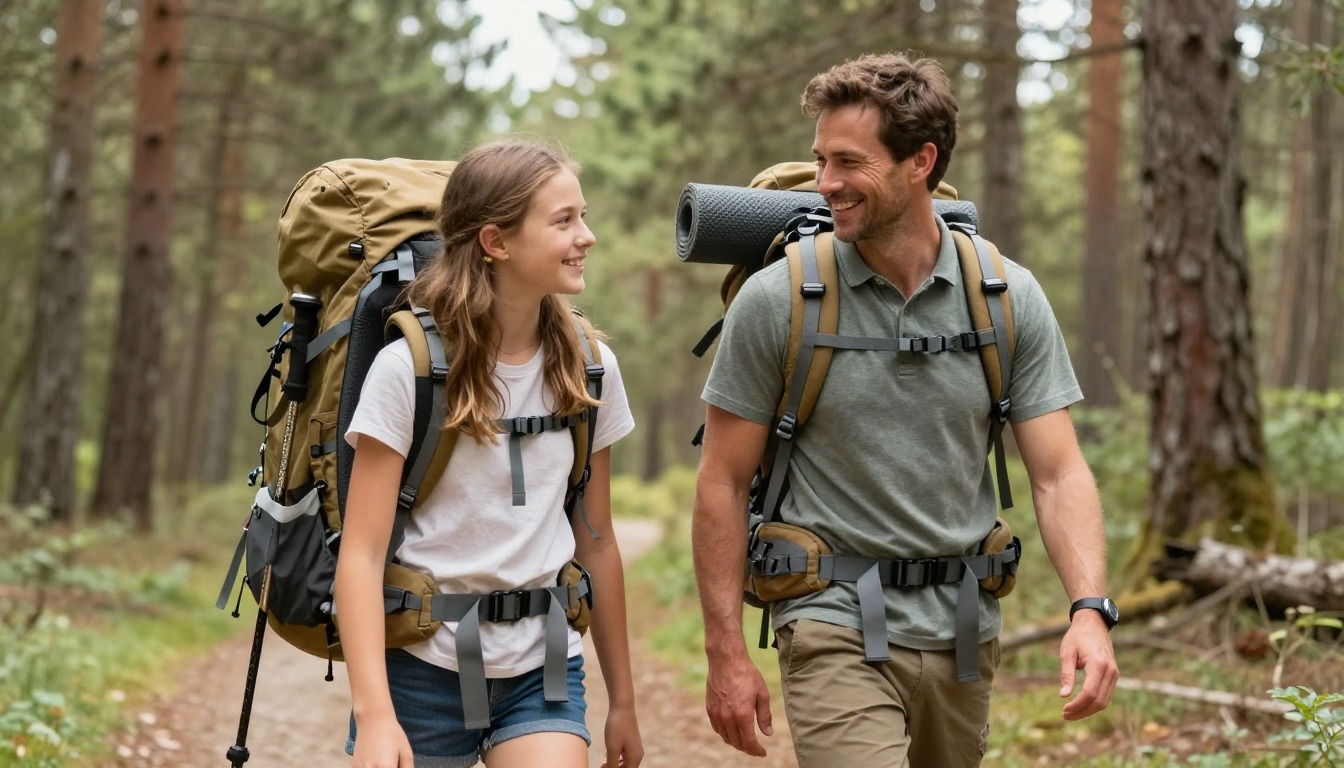


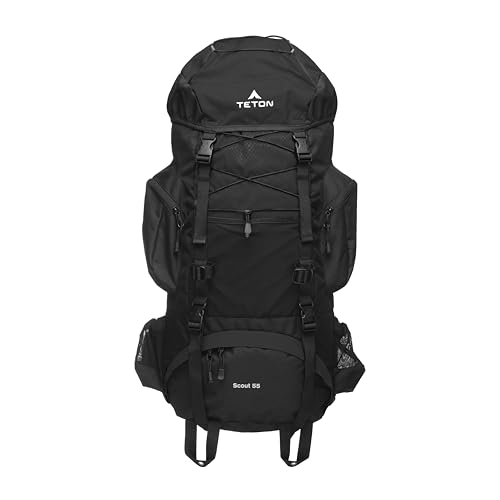


New hikers most often get pack fit and load management wrong, not gear choice — sizing by height instead of torso length, overpacking a roomy pack, leaving the hipbelt loose, and skipping suspension adjustments are the mistakes that most affect comfort on a first trip. Correcting them takes minutes, not new gear.
What's the most common backpack sizing mistake beginners make?
The most common sizing mistake is choosing a pack based on height instead of torso length. Two hikers of the same height can have torso lengths several inches apart, so a pack sized off height alone frequently sits too high or too low relative to the shoulders and hip bones.
Torso length is measured from the C7 vertebra — the bony bump at the base of the neck when the head tilts forward — down the spine to an imaginary line across the top of the hip bones, the iliac crest. Most adults measure 16 to 20 inches. A second person with a soft tape measure gets a more accurate reading than measuring alone, and that number, not height or shoe size, is what should be matched against a brand's size chart.
Do beginners overpack their backpacks?
Yes, beginners frequently overpack, filling a pack to its full capacity simply because room is available rather than packing to a target weight. This routinely pushes total pack weight past the roughly 20%-of-bodyweight load guideline that keeps a load manageable over a full day.
A large pack invites this mistake more than a smaller one, since empty space reads as an invitation to add "just in case" items. Building a gear list first, then weighing the packed bag before leaving, catches overpacking before it becomes a problem on the trail. Distinguishing base weight — everything except food, water and fuel — from total pack weight also helps a beginner see where the extra pounds are actually coming from.
Why does a loose hipbelt matter?
A loose hipbelt matters because it lets a pack's weight fall onto the shoulders instead of the hips, and a properly fitted hipbelt is built to carry roughly 80% of a loaded pack's weight. Left loose or positioned too low, even a well-padded hipbelt does almost nothing.
The hipbelt should sit directly over the hip bones, not around the waist, and should be snug enough that the pack doesn't shift side to side when the hiker twists at the torso. Shoulder soreness or a numb, tingling feeling in the hands after an hour of hiking is a common sign the hipbelt isn't carrying its share of the load.
What other adjustments do beginners skip?
Beginners often skip load-lifter straps, sternum-strap positioning and shoulder-strap tightening order, all of which fine-tune how weight sits against the back once the hipbelt is set. Skipping them leaves a technically correct pack size feeling unbalanced or bouncy on the trail.
- Hipbelt first: tighten and position it over the hip bones before touching any other strap
- Shoulder straps second: snug enough to remove gaps, not tight enough to lift the pack off the hips
- Load lifters third: the straps running from the top of the shoulder straps to the pack body, angled at roughly 45 degrees, pull the load's weight in toward the back
- Sternum strap last: positioned one to two inches below the collarbone, snug enough to stabilize the shoulder straps without restricting breathing
How can a beginner avoid these mistakes on a first trip?
A beginner avoids these mistakes by measuring torso length before buying, packing to a planned weight rather than available space, and running through the full adjustment sequence — hipbelt, shoulder straps, load lifters, sternum strap — every time the pack goes on, not just once at the store.
Loading the pack at home with a practice weight and wearing it around the house or yard for twenty to thirty minutes surfaces fit problems before they show up three miles into a trail. A short shakedown walk with the actual gear list, rather than a quick try-on with the store's demo weights, is the most reliable way to confirm a pack fits before it's tested on a real trip.