

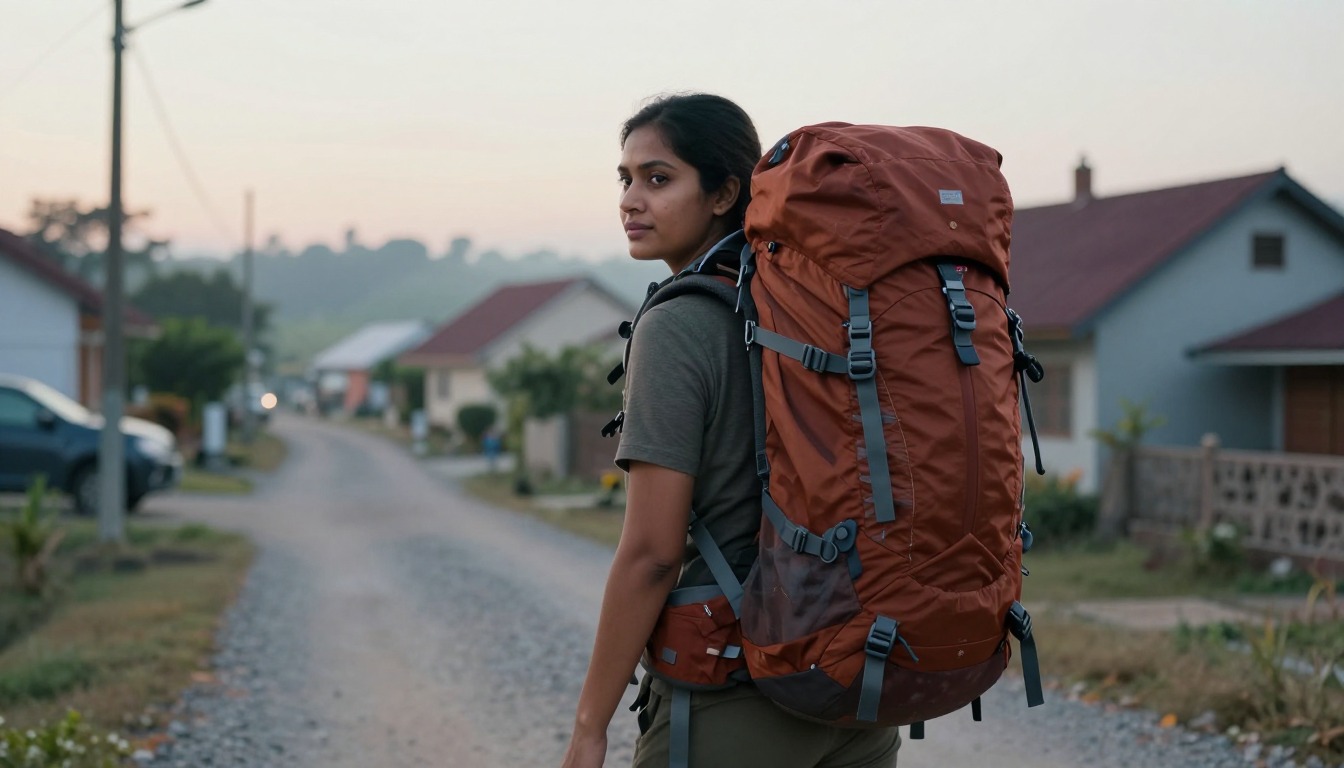


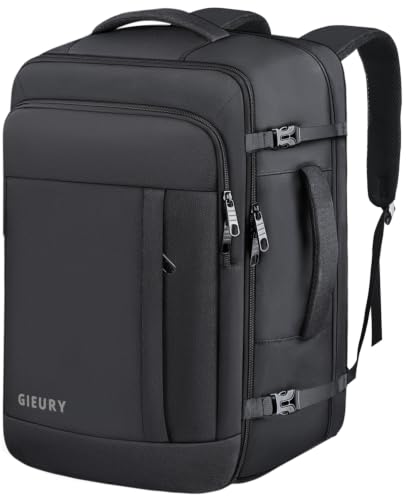
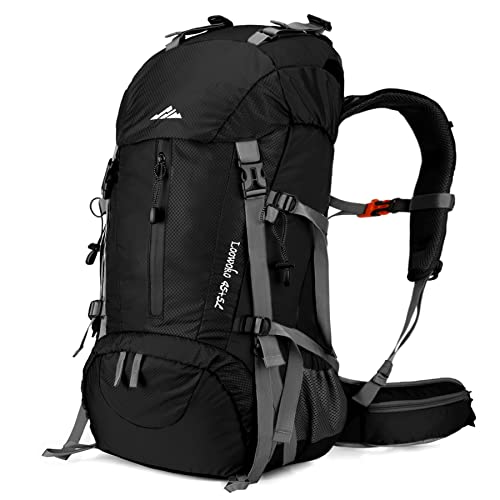

A 65L pack is not automatically too big for a three-night trip, but it is more volume than most efficient three-season packers need, which is why the size comparison comes down to trip length and gear bulk rather than nights alone.
What actually changes between 50L and 65L?
The core difference is how much bulky, low-density gear the pack can absorb before compression straps run out of range. A 50L pack fits a standard three-season kit — tent, 20°F to 30°F bag, sleeping pad, a few days of food, and a stove — with little wasted space. A 65L pack adds 10 to 15 liters, which is usually the difference between fitting a bear canister cleanly, packing a heavier winter bag and puffy layers, or carrying shared group gear like a larger tent or extra fuel.
Is 65L overkill for a short trip?
For a two- or three-night three-season trip with a lightweight sleep system, a 65L pack is usually more room than needed. Extra unused volume isn't neutral: a half-empty pack rides less predictably on the hips, and more available space makes it easier to add items that push total weight past a comfortable carrying range. Hikers who consistently pack light for short trips are usually better served by the 45–55L band and can size up only for the trips that need it.
When does 65L become the right call?
A 65L pack earns its extra volume on trips of four nights or more, on any trip requiring a hard-sided bear canister, and on shoulder-season or early-winter trips where a warmer bag and extra insulating layers take up real space. Bear canisters are rigid and don't compress, so they eat pack volume disproportionately to their weight; a pack that swallows one easily at 50L is the exception rather than the rule. Group trips where one person carries a shared tent, stove, or water filter also push naturally toward 65L, even if that hiker's personal gear list is modest.
Comparing the two sizes directly
| Factor | 50L Pack | 65L Pack |
|---|---|---|
| Typical trip length | 2–4 nights | 4–7+ nights |
| Bear canister fit | Tight or awkward in most models | Fits with room for other gear |
| Winter/shoulder-season layers | Limited extra space | Comfortably absorbs bulk |
| Empty-pack weight | Generally lighter | Generally heavier |
| Best for | Efficient 3-season solo/pair trips | Longer trips, cold-weather loads, shared gear |
Does a bigger pack mean a heavier pack?
Not necessarily by liter alone, but in practice, yes, most 65L packs weigh more than their 50L counterparts from the same product line because they use a beefier frame and suspension to support the higher rated load range. That's a reasonable trade when the trip genuinely needs the volume. It becomes an unnecessary cost when a hiker buys 65L "to be safe" for trips that a well-fitted 50L pack, loaded efficiently, would have handled with less weight on their back over every mile of the trip. Matching pack size to actual trip length, gear list, and season, rather than buying the largest pack that seems safe, keeps total pack weight closer to the roughly 20%-of-bodyweight comfort guideline that applies across capacities.
What if your trips vary between the two sizes?
Hikers whose trips genuinely span both categories, three-night three-season outings some months and week-long or bear-canister trips other months, face a real trade-off rather than an easy answer. Owning a single 65L pack and simply loading it lighter for shorter trips is one option, and it avoids buying two packs, but it means carrying a heavier empty pack and a higher-volume frame on every trip, including the ones that didn't need it. The alternative, owning both a 50L and a 65L pack, adds upfront cost but means each pack is matched to its trip rather than compromised for the other. For hikers who backpack only a few times a year, renting or borrowing a larger pack for the occasional bear-canister or winter trip, while owning a well-fitted 50–55L pack for the majority of three-season outings, is often the more practical middle ground than owning a 65L pack that sits at half capacity most of the season.