

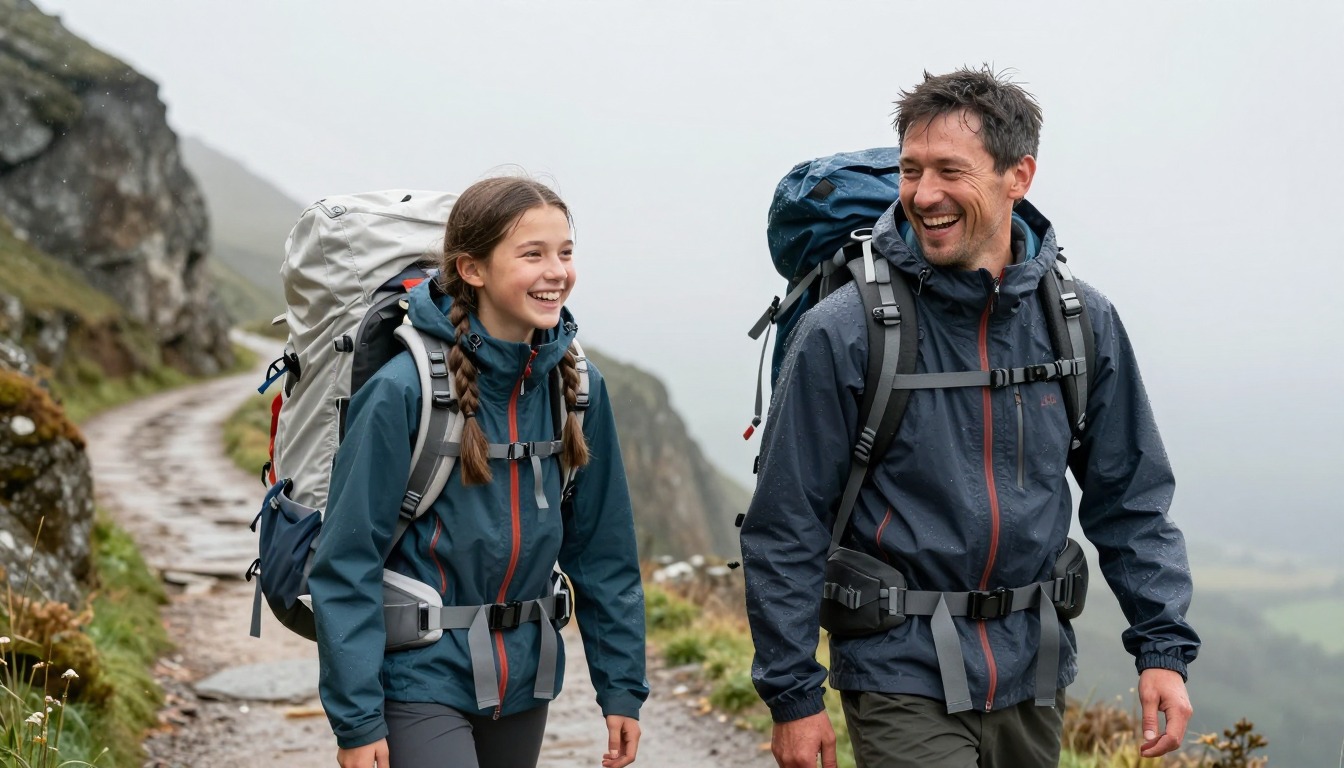
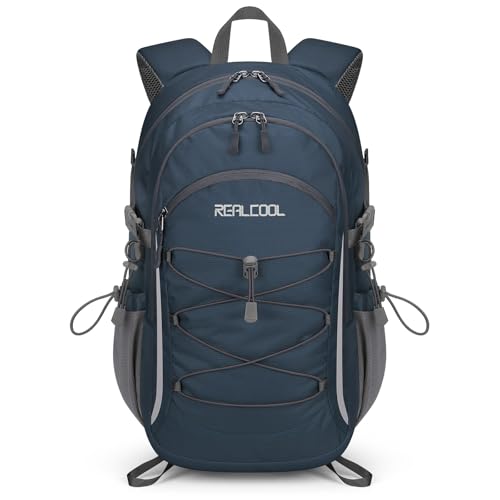


A 28L pack and a 40L pack differ by roughly 12 liters of usable volume, which is the difference between a large day pack and a genuine one-to-three-night backpacking pack. Choosing between them comes down to trip length, gear volume, and whether you're packing for speed or for comfort margin.
How much bigger is a 40L pack than a 28L pack?
A 40L pack holds about 40% more volume than a 28L pack, enough for a three-season sleeping bag, a small tent or tarp shelter, and two to three days of food alongside the same clothing and safety gear a 28L pack carries for a day hike.
That extra volume typically goes toward:
- A compressible three-season sleeping bag or 20°F quilt
- A one- or two-person backpacking tent or tarp shelter
- A sleeping pad, either inflatable or closed-cell foam
- Two to three days of food instead of one
- A change of camp clothing and extra socks
Which size fits day hikes and fastpacking?
A 28L pack fits day hikes and fastpacking better than a 40L pack because the smaller volume forces a lighter, more compressed load that rides closer to the back and doesn't shift during running or scrambling sections.
Fastpackers favor packs in the high-20s to low-30s liter range specifically because a half-empty 40L pack tends to sway and bounce, even with compression straps cinched down. A 28L pack with a vest-style harness, similar to the design used on the Osprey Duro and Salomon ADV Skin packs, keeps weight stable against the torso during faster movement.
Which size fits multi-day trips?
A 40L pack fits multi-day trips of two to four nights better than a 28L pack because it has room for a full sleep system, shelter, and several days of food without over-stuffing the main compartment or relying on external lashing for core gear.
Packs in the 40L range, such as the Osprey Exos 38, Gregory Zulu 40, and Deuter Aircontact Lite 40, use sturdier internal frames designed to carry loads through 30 to 35 pounds comfortably. A 28L pack pushed to that same weight loses stability, since its frame and hip belt are built for a lighter carry.
How to decide between 28L and 40L
Match pack size to the longest trip type you take regularly rather than the average one. Hikers who mostly day hike but take one or two overnight trips a year often do better with the smaller 28L pack and a genuinely minimal overnight kit than with a 40L pack that sits half-empty most of the year.
Consider these questions before choosing:
A hiker who answers "day hikes and one fast overnight" to the first question usually does better with 28L. A hiker planning regular two-to-four-night trips gets more consistent comfort from 40L, even if it means carrying a slightly heavier empty pack on shorter days.
Weight difference between the two sizes is smaller than the volume gap suggests. An empty 28L pack often weighs 1.5 to 2.5 pounds, while a comparable 40L pack with a fuller suspension system typically runs 2.5 to 4 pounds. That extra pound mostly buys frame structure and hip belt padding built to carry the heavier loads a 40L pack is meant to hold, not just extra fabric for the bigger main compartment.
Some hikers solve the size question by choosing a pack with a roll-top or extension collar that adds several liters of adjustable volume on top of a base capacity. A 28L pack with a generous roll-top can flex toward 32-33L when needed, narrowing the practical gap with a fixed 40L design for hikers who only occasionally need the extra room.