
Best Backpack For Wide Torso
Best Backpack For Wide Torso, ranked from aggregated owner ratings and reviews, not first-hand testing. Real pros, cons, and who each pick is best for.

Affiliate disclosure: this page contains affiliate links. Purchases made through them may earn us a commission at no extra cost to you. See our affiliate disclosure.
In plain English
A wide torso means broad shoulders, a deep chest or a larger waist. A backpack can match the length of your back perfectly and still feel wrong across your chest, the way a shirt can have the right sleeve length but pull across the buttons.
Three straps decide how a pack feels on a wider body. The shoulder straps need to follow the curve of your shoulders. The small strap across your chest, called the sternum strap, needs to sit where it does not squeeze. And the padded strap around your hips needs to be long enough to wrap your hip bones.
Try each of these with some weight in the pack. Straps that seem fine when the pack is empty can dig in once the load pulls on them.
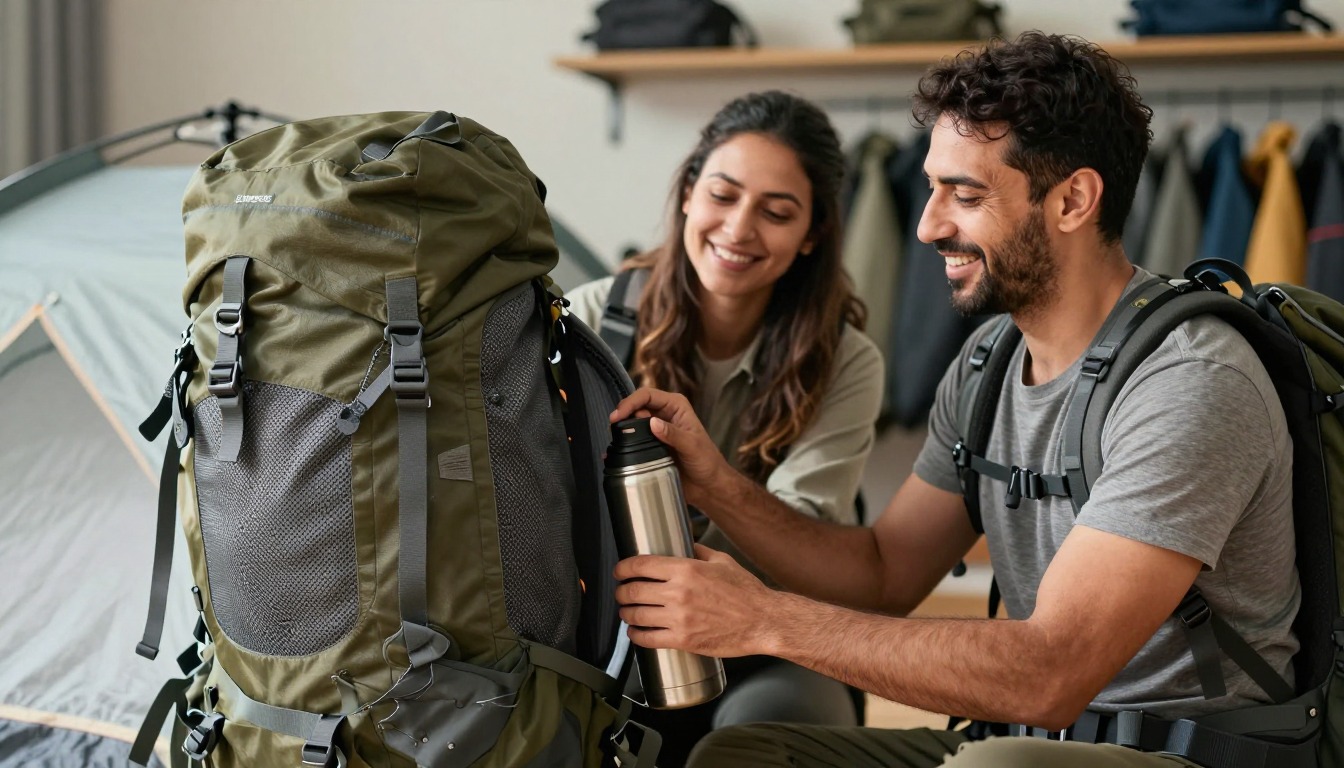
Our Top 3 Picks
Quick Comparison
| Shell | Extras | Buy | ||||
|---|---|---|---|---|---|---|
| 1 | Teton 65L Explorer Internal Frame Backpack for HikingTop Overall Pick | 65–85 L | 5.0 lb | — | Rain cover | View |
| 2 | Teton 55L Scout Internal Frame Backpack for HikingBest Value | 45–65 L | 4.1 lb | — | Rain cover | View |
| 3 | Osprey Atmos AG 65L Men's Backpacking BackpackBest for Multi-Day | 65 L | 4.8 lb | — | Rain cover | View |
| 4 | IX INOXTO 55L Internal Frame Waterproof Hiking Camping Backpack with 3LBest Hydration Pack | 55 L | — | Nylon | Rain cover | View |
| 5 | Gregory Baltoro 75L Backpacking PackMost Breathable | 75 L | 5.0 lb | — | Hydration | View |
How is "wide torso" different from "long torso"?
A wide torso describes broad shoulders or a deep chest, a measurement of body width, while torso length describes the spine distance from the C7 vertebra to the iliac crest, a measurement of body height along the back. These are independent measurements: a hiker can have a long torso and narrow shoulders, a short torso and a wide chest, or any other combination, so a pack chosen correctly for torso length can still fit poorly across the shoulders if harness width isn't also checked.
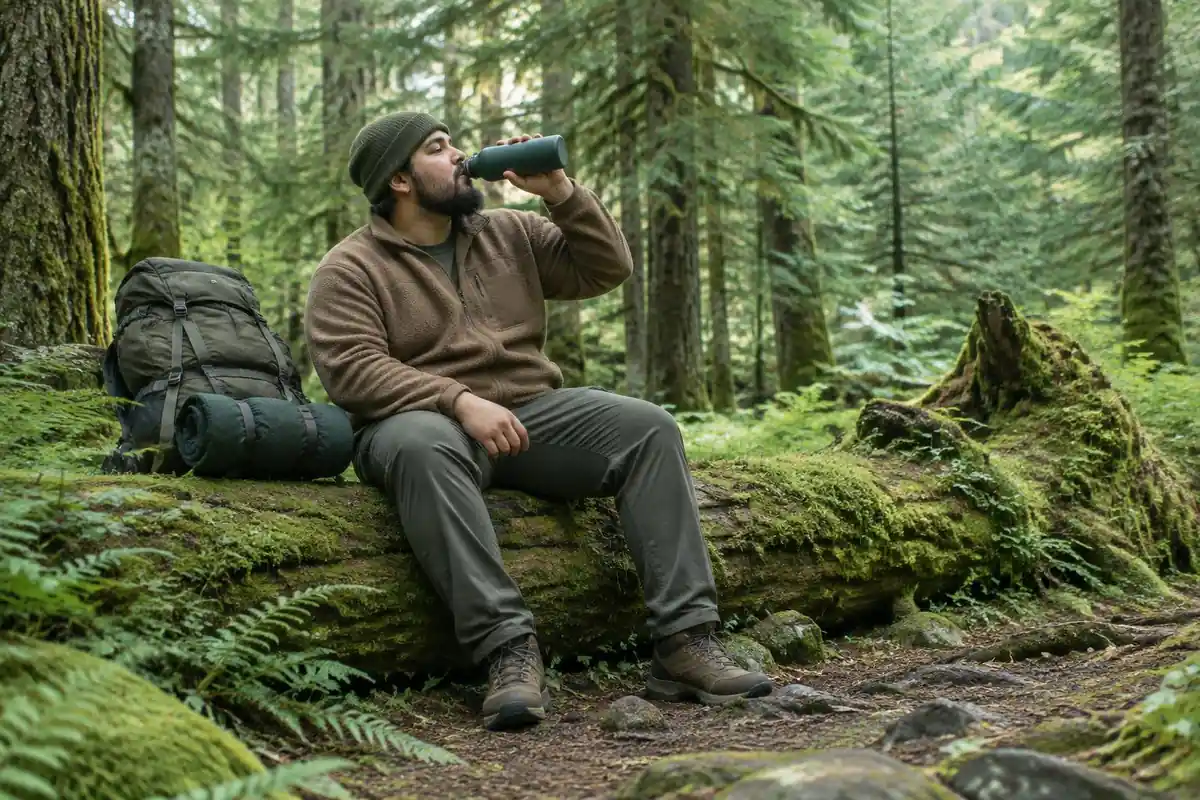
What harness features matter for a wide torso?
A wide-chested or broad-shouldered hiker should check shoulder strap spacing and sternum strap range before checking capacity or features. Shoulder straps set too close together dig into the sides of the neck or ride outside the natural shoulder line on a broad frame, while a sternum strap with a short adjustment range can pull the shoulder straps inward uncomfortably on a deep chest.
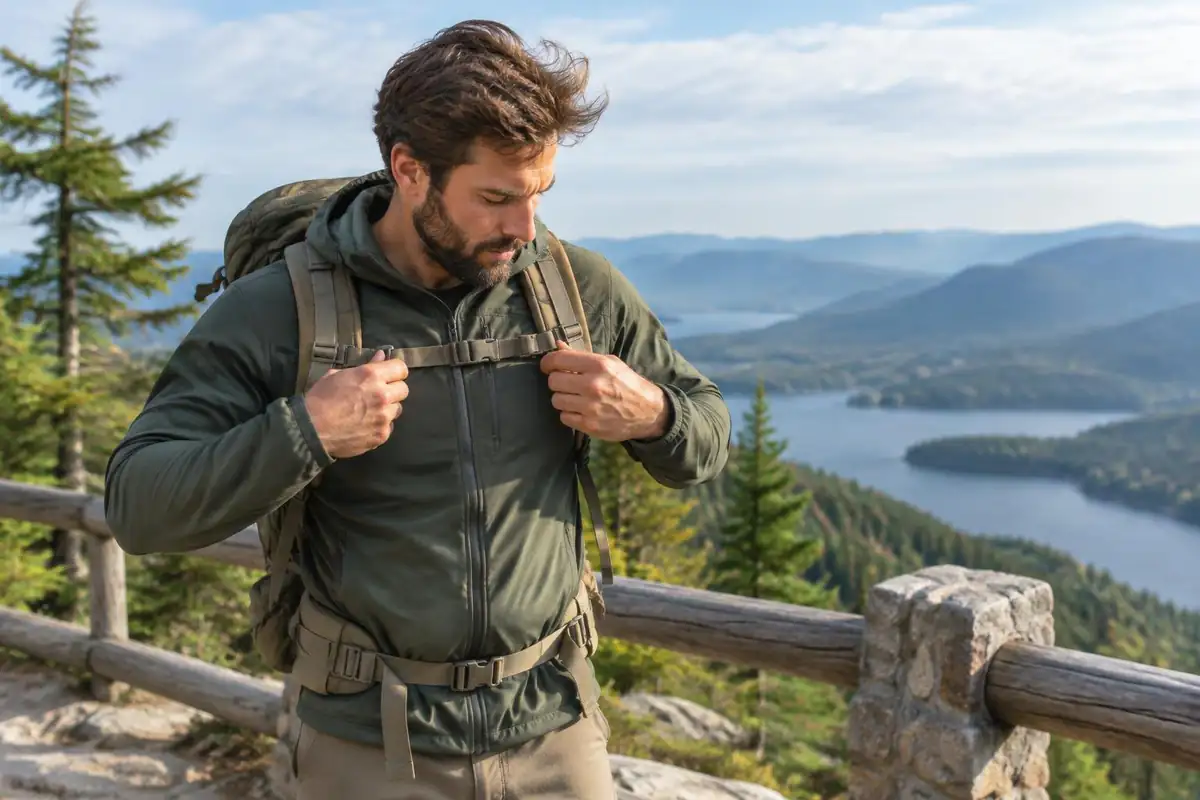
Look for these harness details specifically:
- Sternum strap horizontal range. A strap that slides along a wide rail, rather than a fixed attachment point, adjusts further to suit a broader chest without pulling the shoulder straps out of position.
- Shoulder strap spacing at the yoke. Where the straps attach to the frame near the neck affects how they sit on a broad upper back; some brands build wider spacing into larger harness sizes specifically for this reason.
- Strap padding width and shape. Wider, contoured padding distributes pressure across a broader shoulder better than a narrow strap designed for an average-width frame.
Does hip belt sizing need separate attention?
Yes. Hip belt fit is based on waist circumference, a measurement entirely separate from torso length or shoulder width, and it needs to be checked on its own regardless of how well the shoulder harness fits. Some manufacturers size hip belts and shoulder harnesses independently and allow mixing sizes, which benefits a hiker whose waist, chest, and torso length don't all fall in the same size band.
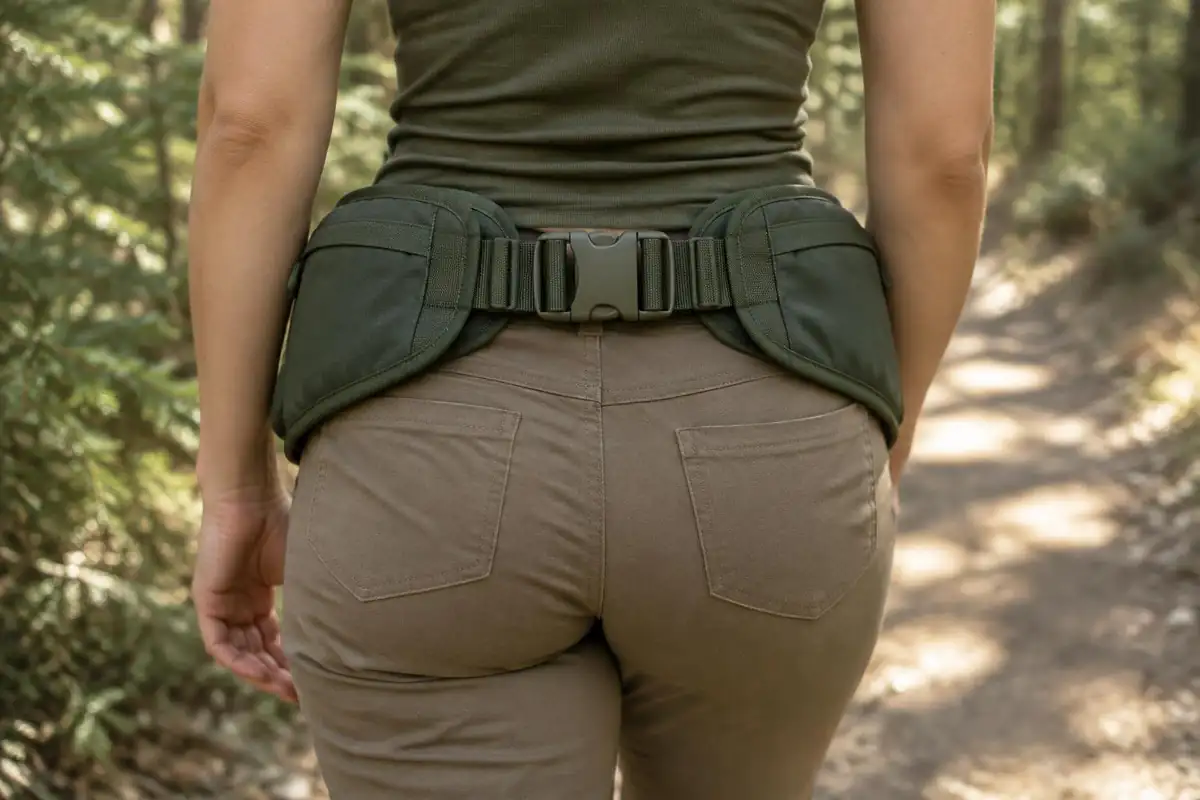
Which brands address a wide build directly?
A small number of manufacturers build adjustable or interchangeable components specifically to address body width, not just torso length:
- Osprey offers select multi-day packs with interchangeable hip belt sizes, letting a hiker pair a torso-appropriate frame with a hip belt sized to waist circumference independently.
- Mystery Ranch builds several models on a wide range of frame and harness sizing, developed in part from military and load-carrying backgrounds where fit across body types is a design priority.
- Cottage manufacturers building to custom measurements, such as ULA Equipment, can address torso length, shoulder width, and hip belt sizing together as part of a made-to-order build.
How do you confirm a wide-torso fit before committing?
Confirm fit by loading the pack with real gear, close to the 20%-of-bodyweight rule of thumb hikers commonly use, and walking for several minutes before judging comfort. Check that the shoulder straps sit flat against the shoulders without gapping outward or pinching inward, that the sternum strap sits comfortably across the chest without pulling the shoulder straps together, and that the hip belt wraps the hip bones fully without gapping at the sides. A wide-torso hiker who only checks torso length and skips these harness-width checks risks a pack that fits correctly in one dimension while chafing or pinching in another.
Full Ranking, Reviewed
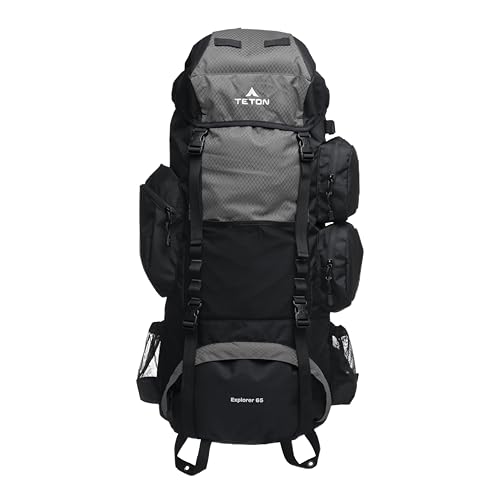
Best for Backpacks for a Wide Torso
- 65–85 L capacity
- 5.0 lb empty
- Rain cover included
- Teton tough
- Routes a hydration bladder and hose without fuss
- Breathable mesh back keeps air moving against your spine
- That 65–85 L volume is overkill for quick hikes and better suited to multi-night trips.
- At 5.0 lb it is heavier than the lightest packs in its class before you load it.
Verdict: TETON Sports’s 65–85 L backpacking pack pairs a breathable back with room for a bladder, making it a strong choice for Backpacks for a Wide Torso.
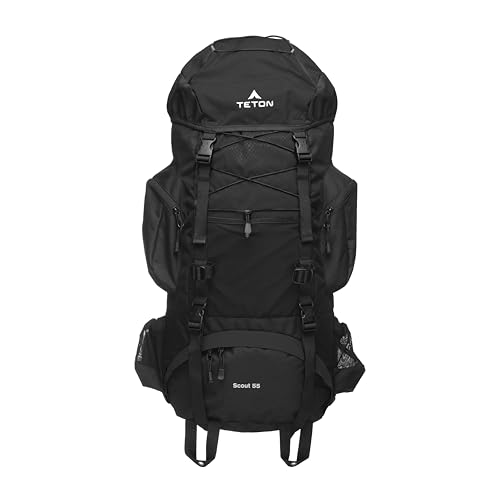
Best for Backpacks for a Wide Torso
- 45–65 L capacity
- 4.1 lb empty
- Rain cover included
- Teton tough
- Set up to carry a reservoir for hands-free sipping
- Breathable mesh back keeps air moving against your spine
- At 45–65 L it is more pack — and more weight — than a day hiker needs; it earns its keep on overnight and multi-day loads.
Verdict: TETON Sports’s 45–65 L backpacking pack pairs a breathable back with room for a bladder, making it a strong option for Backpacks for a Wide Torso.

Best for Backpacks for a Wide Torso
- 65 L capacity
- 4.8 lb empty
- Rain cover included
- Floating top lid with lash points
- Includes a rain cover for sudden downpours
- That 65 L volume is overkill for quick hikes and better suited to multi-night trips.
- At 4.8 lb it is heavier than the lightest packs in its class before you load it.
Verdict: This 65 L backpacking pack offers a bundled rain cover, making it a strong option for Backpacks for a Wide Torso.
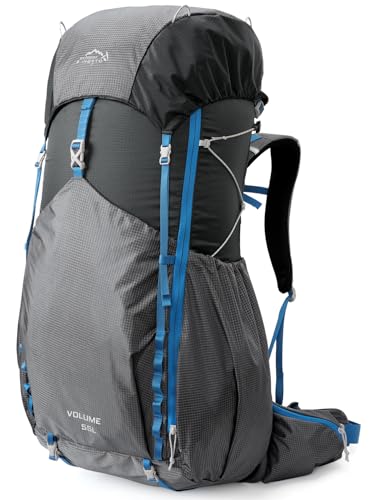
Best for Backpacks for a Wide Torso
- 55 L capacity
- Nylon shell
- Rain cover included
- Set up to carry a reservoir for hands-free sipping
- Ventilated back panel cuts sweat on long climbs
- Packs an integrated rain cover to keep gear dry
- At 55 L it is more pack — and more weight — than a day hiker needs; it earns its keep on overnight and multi-day loads.
Verdict: This 55 L backpacking pack pairs a breathable back with room for a bladder, making it well worth a look for Backpacks for a Wide Torso.

Best for Backpacks for a Wide Torso
- 75 L capacity
- 5.0 lb empty
- Hydration-ready
- Set up to carry a reservoir for hands-free sipping
- Breathable mesh back keeps air moving against your spine
- Padded hip belt shifts load onto your hips, not your shoulders
- At 75 L it is more pack — and more weight — than a day hiker needs; it earns its keep on overnight and multi-day loads.
- Empty weight (5.0 lb) runs above ultralight rivals.
Verdict: This 75 L backpacking pack pairs a breathable back with room for a bladder, making it well worth a look for Backpacks for a Wide Torso.
Shoulder shape matters as much as width
The page focuses on strap spacing and padding width. Strap shape is the other half. ULA offers J-shaped straps for flat or square shoulders and S-shaped straps for standard or sloping shoulders.1 Deuter's women's SL fit uses narrower, S-shaped straps,2 which shows how much makers already vary strap geometry by body type. A broad, square-shouldered hiker may find an S-strap pulls toward the neck, while a J-strap lies flatter.
Kelty's rule for a good fit is that the shoulder straps should run over the shoulders and just begin to angle down toward the pack.3 On an adjustable harness, Mystery Ranch suggests moving the yoke until the shoulder-strap seam lines up with the top of the shoulder blade.4 Those two checks work whatever your width: if the straps float above your shoulders or wrap tightly around the sides, the harness does not suit your frame.
Sternum strap placement on a deep chest
Placement advice varies slightly. Big Agnes says the sternum strap should sit below the collarbone and lie flat with moderate tension,5 while Alpkit puts it about an inch below the collarbone.6 Deuter says its height is adjustable and should be set after the back length is correct.7 On a deep chest the strap may need to sit higher or lower than usual to avoid pressing on the chest, and its job is only to keep the shoulder straps from sliding outward.
Keep it loose enough to breathe fully. A lab study found that static strap force is a significant predictor of discomfort during load carriage,8 so cranking the sternum strap to make up for poorly shaped shoulder straps tends to trade one pressure point for another.
Hip belts and load testing for a larger build
Granite Gear says hip belt size is based on the circumference at the hip crest, roughly your pant waist size, and that a properly sized belt leaves a gap in the padding at the front.9 Osprey puts that gap at 3 to 6 inches when tightened.10 If a belt closes with the pads far apart, much of the grip comes from webbing rather than padding, which is less comfortable on a heavy day. ULA's method of sizing men's belts at pant waist plus 2 inches offers a quick starting estimate.1
The page suggests testing near the 20%-of-bodyweight guideline hikers commonly use. That figure is a community rule of thumb rather than a research finding, and for a heavier hiker 20% can mean a very large load. Big Agnes's fitting advice is more modest: fit a pack with 10 to 20 pounds loaded.11 Test with a realistic trip load after the basic fit is right.
Frequently Asked Questions
Is a wide torso the same as a long torso for backpack fit?
No. A wide torso refers to broad shoulders or a deep chest, a body-width measurement, while a long torso refers to spine length from the C7 vertebra to the iliac crest. The two are independent, so a pack can fit one dimension correctly while needing adjustment for the other.
What backpack feature matters most for broad shoulders?
Sternum strap range and shoulder strap spacing at the yoke matter most for broad shoulders. A sternum strap that slides along a wide rail, rather than attaching at a fixed point, adjusts further to suit a deep chest without pulling the shoulder straps out of their natural position.
Related Buying Guides
Planning a hiking trip? Compare hotels, lodges and guesthouses.
Book on Booking.com Book on AgodaAffiliate links: we may earn a commission at no extra cost to you.