
Best Backpack For Winter Backpacking
Best Backpack For Winter Backpacking, ranked from aggregated owner ratings and reviews, not first-hand testing. Real pros, cons, and who each pick is best for.
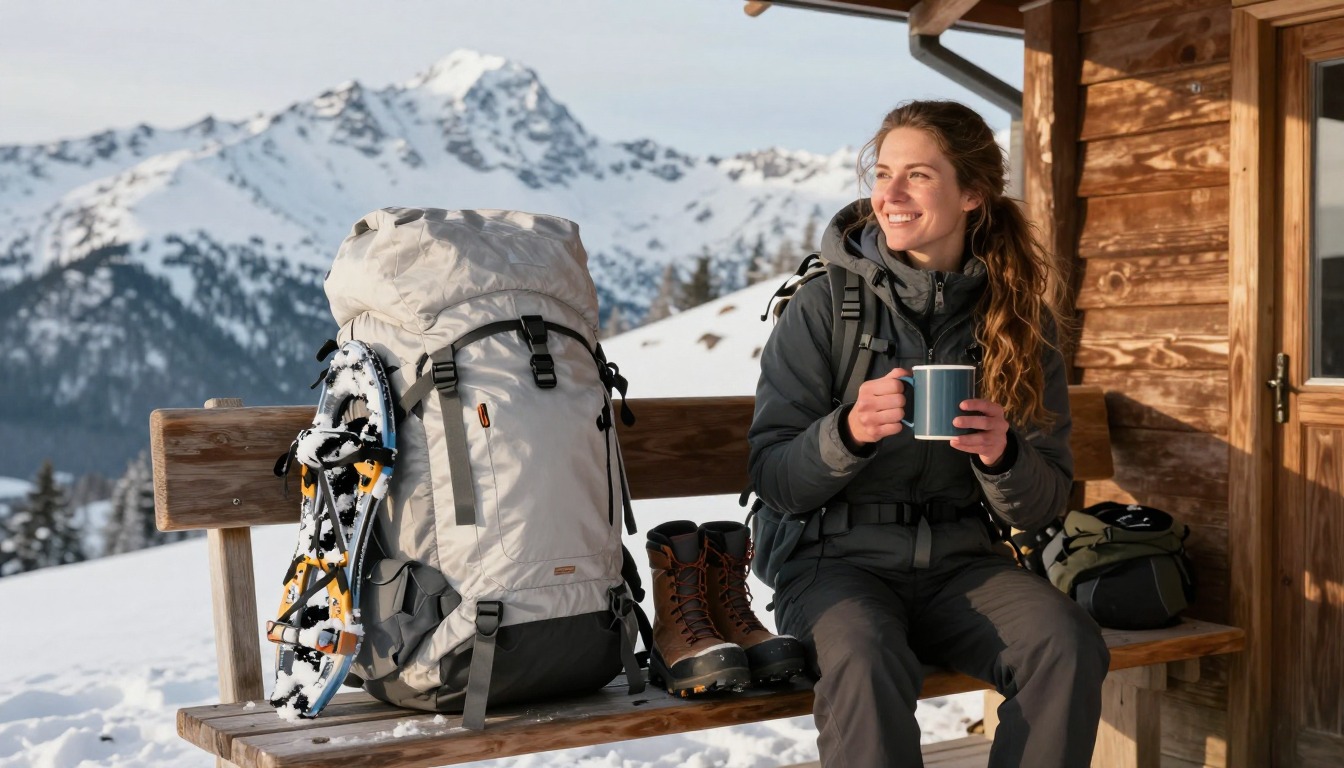
Our Top 3 Picks
Quick Comparison
What makes a backpack suited for winter backpacking?
A winter backpacking pack is sized and equipped to carry a full snow-camping system — a four-season tent, a cold-rated sleeping bag, a stove and extra fuel for melting snow, and avalanche safety gear — on top of the insulated clothing a winter trip demands. Capacity and load-carrying comfort matter more here than for a winter day hike, since the pack is on the hiker's back for hours at a time with a heavier load.
Look for these traits when comparing options:
- 50–80L capacity, sized to the trip length and how much of the camp system is shared between hikers.
- A suspension system built for heavier loads, with a structured frame and a hipbelt that transfers most of the weight to the hips.
- External attachment for snowshoes or skis, since winter backpacking often means switching between hiking and gliding travel.
- A shovel-and-probe pocket for trips that cross avalanche terrain.
- Glove-friendly hardware throughout, since camp chores in winter — pitching a tent, melting snow — happen with gloves on more often than not.
- Durable, abrasion-resistant fabric that holds up against being set down on crusty snow or dragged over rock at a rest stop.
How much capacity does a winter backpacking trip need?
A one-to-two-night winter backpacking trip typically needs 50 to 65 liters, while trips of three or more nights, or trips into terrain requiring full avalanche gear, often need 65 to 80 liters. These figures run well above three-season backpacking capacity for the same trip length because winter camp systems are bulkier at every stage — sleeping, cooking, and insulating.
A four-season tent alone typically packs larger than a three-season tent of similar size, and a sleeping bag rated for sub-freezing temperatures compresses to a noticeably bigger stuff sack than a 30–40°F summer bag. Splitting shared gear like the tent and stove between two hikers is the most common way to keep individual pack size manageable on a winter trip.
How does a heavier winter load change what to look for in a suspension system?
A heavier winter load makes hipbelt fit and frame support matter more than they do for a lighter three-season trip, because the weight difference between a summer overnight pack and a winter overnight pack is often significant even before accounting for bulk. The general guideline of a loaded pack sitting near 20% of bodyweight, with the hipbelt carrying roughly 80% of that onto the hips, becomes harder to hit — and more important to hit — as winter loads climb.
A structured internal frame with a stiff, well-padded hipbelt handles this load transfer more reliably than a minimal or frameless design, which is one reason winter backpacking packs skew toward the sturdier end of the capacity range rather than the ultralight end.
What's the difference between a winter backpacking pack and a mountaineering pack?
A winter backpacking pack prioritizes capacity and comfortable load carry for a snow-camping system, while a mountaineering pack prioritizes a narrow, close-fitting profile and technical-gear attachment for climbing terrain — the two overlap but aren't the same tool. A hiker snow-camping in rolling backcountry terrain is usually better served by the roomier, more comfortable winter backpacking pack; a hiker climbing a technical alpine route is better served by the slimmer mountaineering profile, even at the cost of some capacity.
Full Ranking, Reviewed
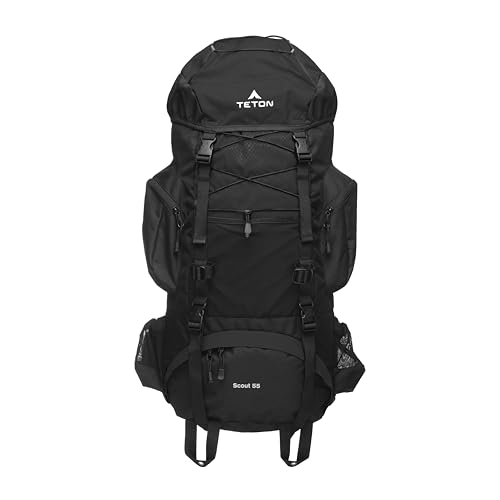
Best for Winter Backpacking Packs
- 45–65 L capacity
- 4.1 lb empty
- Rain cover included
- Teton tough
- Hydration sleeve keeps water within easy reach
- Breathable mesh back keeps air moving against your spine
- That 45–65 L volume is overkill for quick hikes and better suited to multi-night trips.
Verdict: TETON Sports’s 45–65 L backpacking pack pairs a breathable back with room for a bladder, making it the one we would grab first for Winter Backpacking Packs.

Best for Winter Backpacking Packs
- 65–85 L capacity
- 5.5 lb empty
- Rain cover included
- Teton tough
- Hydration sleeve keeps water within easy reach
- Ventilated back panel cuts sweat on long climbs
- That 65–85 L volume is overkill for quick hikes and better suited to multi-night trips.
- At 5.5 lb it is heavier than the lightest packs in its class before you load it.
Verdict: TETON Sports’s 65–85 L backpacking pack pairs a breathable back with room for a bladder, making it a strong option for Winter Backpacking Packs.

Best for Winter Backpacking Packs
- 60 L capacity
- Ripstop nylon shell
- 2.2 lb empty
- Rain cover included
- Comfortable Daypack
- Routes a hydration bladder and hose without fuss
- Ventilated back panel cuts sweat on long climbs
- At 60 L it is more pack — and more weight — than a day hiker needs; it earns its keep on overnight and multi-day loads.
Verdict: This 60 L backpacking pack pairs a breathable back with room for a bladder, making it well worth a look for Winter Backpacking Packs.
Frequently Asked Questions
How many liters for winter backpacking?
A one-to-two-night winter backpacking trip typically needs 50 to 65 liters, and longer trips or ones requiring full avalanche gear often need 65 to 80 liters. This runs well above three-season capacity for the same trip length because winter sleeping, shelter, and cooking gear all pack bulkier.
Should two people share gear to reduce individual pack size on a winter trip?
Yes, splitting shared items like the tent, stove, and fuel between two hikers is the most common way to keep individual winter pack size manageable, since these items add significant bulk when one person carries the full system alone. It also balances total group weight more evenly across the trip.
Is a frameless pack ever a good choice for winter backpacking?
Rarely — winter loads tend to run heavier than three-season loads because of bulkier insulation and camp gear, and a frameless pack struggles to transfer that extra weight to the hips. A structured internal frame with a supportive hipbelt is the safer choice for most winter backpacking trips.