
Best Backpack For Alpine Climbing
Best Backpack For Alpine Climbing, ranked from aggregated owner ratings and reviews, not first-hand testing. Real pros, cons, and who each pick is best for.
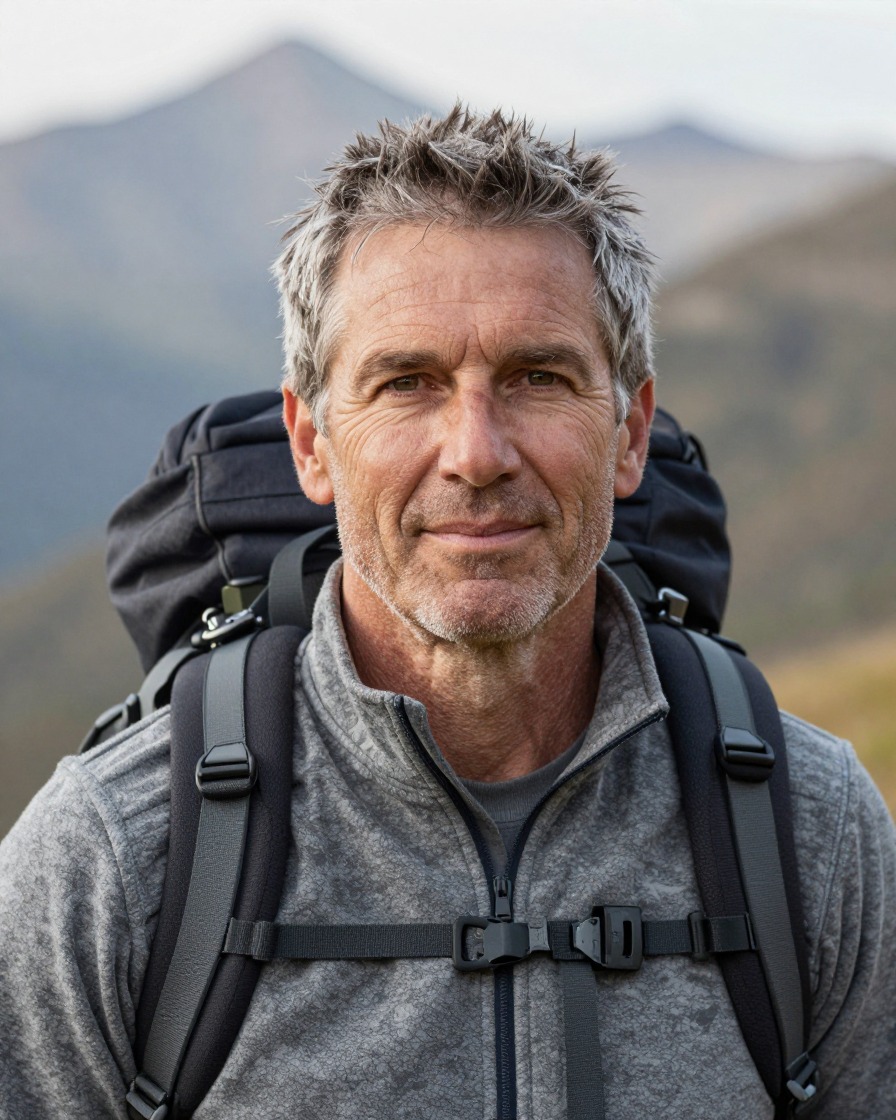
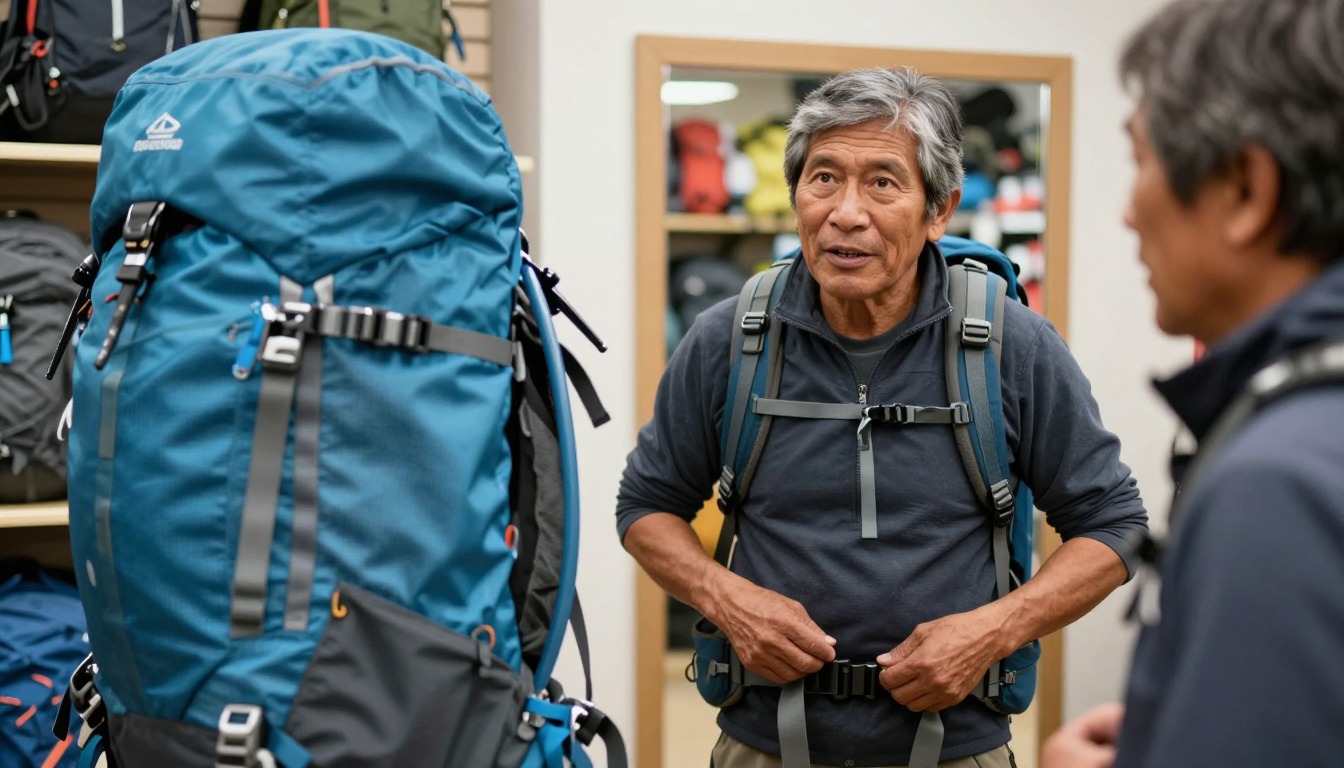
Our Top 3 Picks
Quick Comparison
| Product | Best for | Buy | |
|---|---|---|---|
| Thule Stir Alpine 40L Hiking Backpack | Top Overall Pick | See Amazon | View |
| Deuter Guide Lite 30L Alpine Backpack | Best Value | See Amazon | View |
| Deuter Trail 24L Backpack for Hiking & Mountain Climbing - Black-Shale | Best Ultralight | See Amazon | View |
| Osprey Mutant 22L Climbing Backpack | Best Hydration Pack | See Amazon | View |
| Osprey Mutant 52L Climbing Backpack | Also Great | See Amazon | View |
What makes a backpack suited for alpine climbing?
An alpine climbing backpack needs enough capacity to carry a rope, rack, stove, and minimal bivy gear for a one-to-three-day route, while keeping a close enough profile to climb in in without one being stripped down for the crux. That combination generally lands in the 35–50 liter range.
Criteria that matter most for alpine climbing:
- Rope-carry capability, either a top-lid strap or a dedicated under-lid rope stash.
- Rack loops or a gear loop system for slings, cams, and ice screws.
- A removable lid and frame, so the pack can shed weight and bulk before a technical pitch.
- Ice-axe and crampon attachment built into the base and front panel.
- Compression straps that pull the load tight against the back for balance on exposed ground.
How much should an alpine climbing pack carry?
An alpine climbing pack typically carries a rope, a rack sized to the route, a stove and minimal fuel, food for the trip length, and a light bivy or shelter system, kept within roughly 20% of the climber's bodyweight where possible. Packing light matters more on alpine routes than on standard backpacking trips, since the load has to move through technical terrain, not just along a trail.
Removable features and why they matter
Many alpine climbing packs are built with the expectation that pieces come off mid-route: the lid, the frame stay, and sometimes the hipbelt padding. This lets a climber carry full capacity on the approach, then strip the pack down to a minimal shell for the technical crux or summit push, leaving the removed pieces at a cache or a partner's pack. A pack that doesn't support this strip-down forces a climber to either carry dead weight through the hardest terrain or leave gear behind entirely.
Who this type of pack suits
- Climbers on one-to-three-day alpine routes carrying a full rack and minimal camp gear.
- Climbers alternating between approach hiking and technical pitches who need one pack that adapts rather than two separate packs.
- Climbers who value a strip-down system over maximum built-in organization, trading some convenience for a lighter profile when it counts.
Honest trade-offs to weigh
A 35–50 liter alpine pack is a compromise size: large enough to carry a real rack and camp system, but not spacious enough for extended trips or bulky winter gear the way a 55–75 liter expedition pack is. Removable lids and frames add versatility but also add small parts that can be misplaced at a cache point if a team isn't careful. Climbers doing shorter single-push routes without an overnight often find a smaller scrambling-focused pack lighter and more efficient, while climbers on longer glacier approaches often need the extra volume of a glacier-travel-specific pack instead.
Fabric choice adds another trade-off worth weighing before buying. A heavier-denier or Dyneema-hybrid alpine pack survives repeated contact with granite and ice tools better than a lighter fabric, but it also costs more up front and adds a small weight penalty over a full route day. Climbers who mostly stick to snow and moderate rock, with limited direct scraping against sharp granite, can often get by with a lighter, less reinforced pack and put the weight savings toward the rack instead.
Full Ranking, Reviewed

Best for Backpacks for Alpine Climbing
- 40 L capacity
- 2.8 lb empty
- Hydration-ready
- Hydration sleeve keeps water within easy reach
- Supportive hip belt takes weight off the shoulders
- Loops and straps stash trekking poles and extra layers
- The 40 L size is a versatile in-betweener rather than a specialist at either end.
Verdict: This 40 L hiking pack pairs room for a bladder with real hip-belt support, making it the one we would grab first for Backpacks for Alpine Climbing.

Best for Backpacks for Alpine Climbing
- 30 L capacity
- 27 oz empty
- Hydration-ready
- Lightweight, technical alpine pack
- Routes a hydration bladder and hose without fuss
- Airflow channels help your back stay cooler under load
- Check the size and colour options on the live listing, as availability shifts.
Verdict: This 30 L hiking pack pairs a breathable back with room for a bladder, making it well worth a look for Backpacks for Alpine Climbing.

Best for Backpacks for Alpine Climbing
- 24 L capacity
- 8 oz empty
- Rain cover included
- Use Case
- Hydration sleeve keeps water within easy reach
- Breathable mesh back keeps air moving against your spine
- Colours and exact capacity options change often on Amazon — confirm the current variant on the listing before buying.
Verdict: This 24 L hiking pack pairs a breathable back with room for a bladder, making it well worth a look for Backpacks for Alpine Climbing.

Best for Backpacks for Alpine Climbing
- 22 L capacity
- 27 oz empty
- Hydration-ready
- Alpine-Specific Features
- Set up to carry a reservoir for hands-free sipping
- Low carry weight pays off on big-mileage days
- Check the size and colour options on the live listing, as availability shifts.
Verdict: This 22 L daypack offers room for a bladder, making it an easy shortlist pick for Backpacks for Alpine Climbing.

Best for Backpacks for Alpine Climbing
- 52 L capacity
- 3.6 lb empty
- Hydration-ready
- Alpine-Specific Features
- Hydration sleeve keeps water within easy reach
- Internal hydration sleeve
- At 52 L it is more pack — and more weight — than a day hiker needs; it earns its keep on overnight and multi-day loads.
Verdict: This 52 L backpacking pack offers room for a bladder, making it a strong option for Backpacks for Alpine Climbing.
Frequently Asked Questions
What size pack is best for a one-day alpine climb?
A 35 to 40 liter pack generally covers a one-day alpine climb, with enough room for a rack, rope, layers, and food while staying narrow enough to climb comfortably. Routes with heavier racks or colder conditions may need closer to 45 liters.
Do alpine climbing packs need a separate rope-carry system?
A dedicated rope-carry system — usually a top-lid strap or an under-lid stash pocket — is standard on alpine climbing packs and keeps the rope's weight centered and secure rather than lashed loosely to the outside, where it can catch on rock or ice.