
Best Gregory Backpack
Best Gregory Backpack, ranked from aggregated owner ratings and reviews, not first-hand testing. Real pros, cons, and who each pick is best for.
Affiliate disclosure: this page contains affiliate links. Purchases made through them may earn us a commission at no extra cost to you. See our affiliate disclosure.
In plain English
Gregory is a backpack maker from Salt Lake City, Utah, known mostly for how carefully its packs are shaped to fit different bodies. Its big selling point is fit: sizes for different back lengths and hip belts that can be swapped or adjusted.
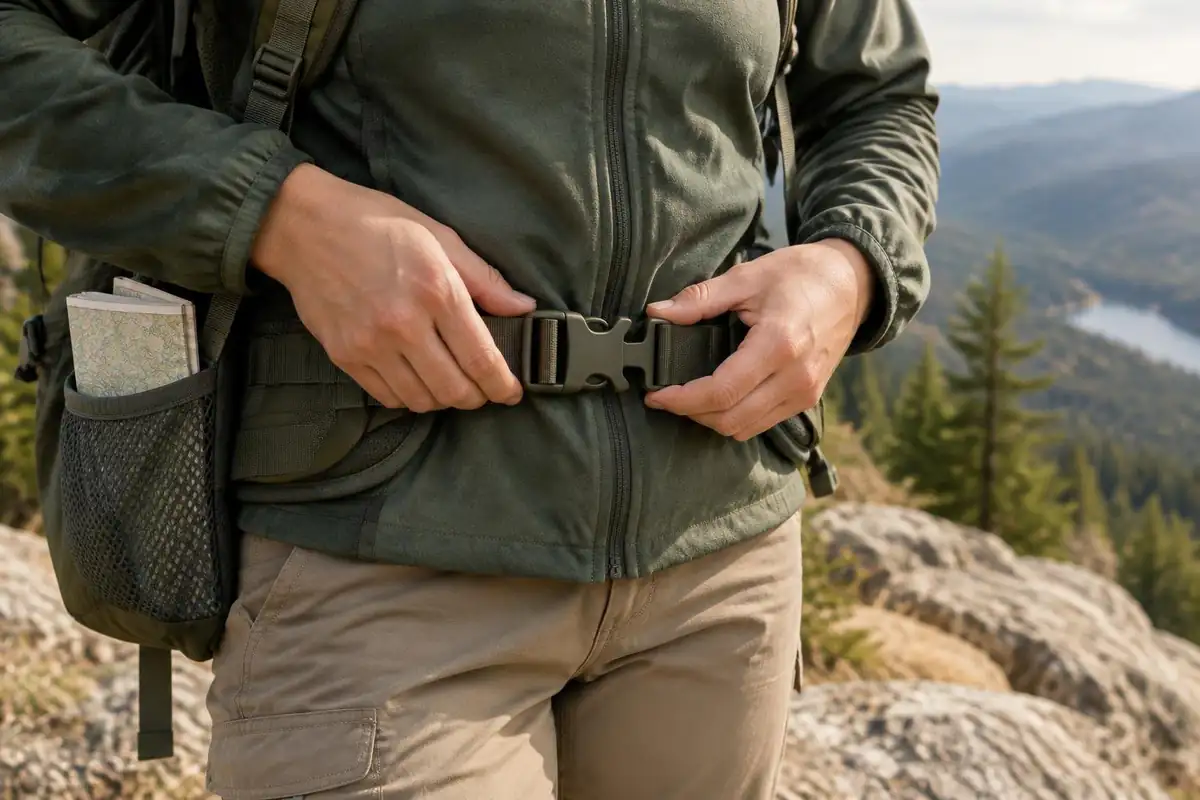
Fit matters because a pack that fits well moves weight onto your hips, which are much better at carrying load than your shoulders. A pack that does not fit makes you feel every pound. Think of a well-fitted pack like a good pair of hiking boots: the brand matters less than whether it matches your shape.
So before choosing a Gregory line, measure your back from the bump at the base of your neck to the top of your hip bones, and measure around your hips. Then try the pack on with some weight inside. If it hugs your hips and the shoulder straps sit flat, you are close.
Our Top 3 Picks
Quick Comparison
| Shell | Extras | Buy | ||||
|---|---|---|---|---|---|---|
| 1 | Gregory Zulu 45L Hiking/Backpacking PackTop Overall Pick | 45 L | — | — | Hip belt | View |
| 2 | Gregory Mountain Products Zulu 35 Liter Men's Hiking BackpackBest Value | 35 L | 2.9 lb | — | Rain cover | View |
| 3 | Gregory Baltoro 65L Backpacking PackBest Hydration Pack | 65 L | — | — | Hydration | View |
| 4 | Gregory Miko 30L Day Hiking BackpackAlso Great | 30 L | — | — | Hip belt | View |
| 5 | Gregory Jade 28L Women's Day Hiking BackpackBest for Women | 28 L | — | — | Hydration | View |
What should you look for in a Gregory backpack?
Look first at fit: an adjustable or size-specific torso length and a hipbelt available in more than one size, since that combination is Gregory's core advantage over a generic pack sized for an average build. Beyond fit, the next things to weigh are suspension style (padded versus ventilated), typical loaded pack weight, and how much you value the brand's heavier-duty materials versus its simpler lines.
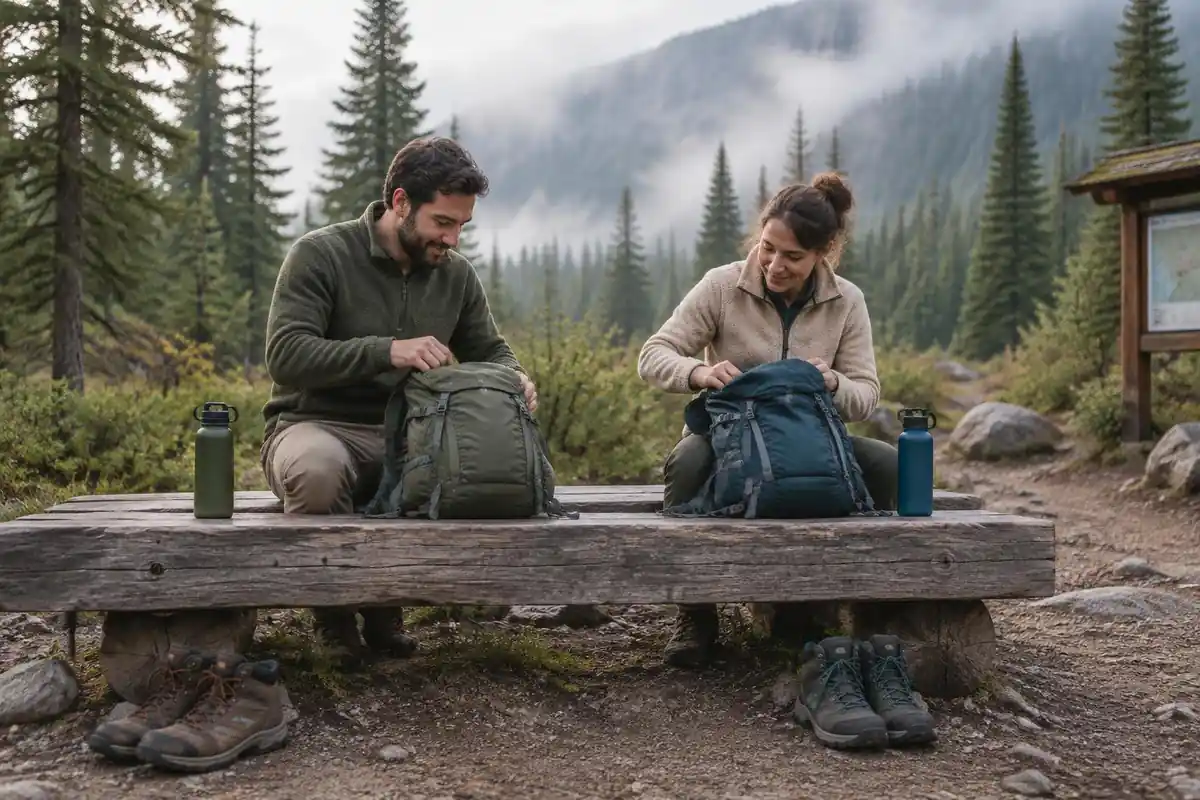
Fit should come before capacity or features in the decision, because even the best-featured pack carries poorly if the torso length is wrong or the hipbelt doesn't match hip circumference. Trying a pack on loaded, ideally at a retailer that stocks multiple Gregory hipbelt sizes, is the most reliable way to confirm fit before committing to a specific model. Beyond fit, check that the pack's capacity actually matches your typical trip length and gear list, since buying too large a pack tends to invite overpacking, and buying too small forces awkward external strapping.
Which Gregory line fits your trip?
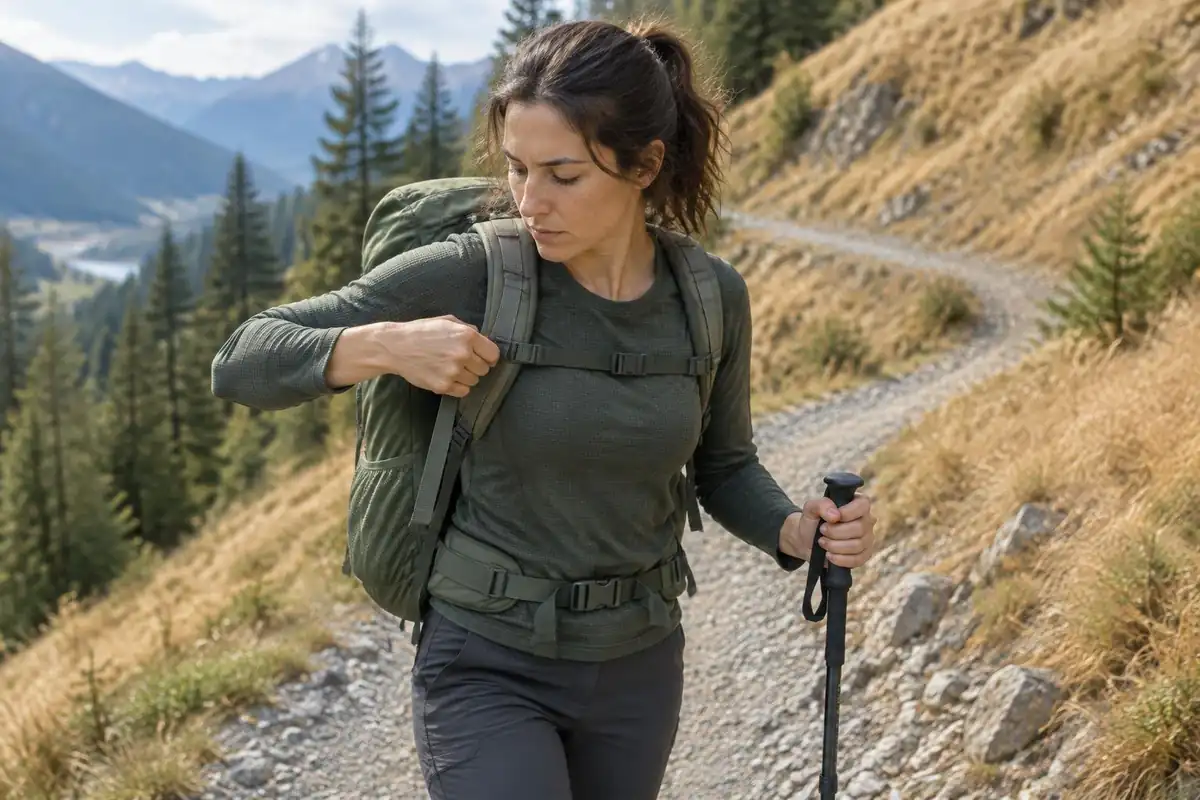
The Baltoro and Deva suit hikers carrying heavier loads on extended trips, since Gregory positions the FreeFloat A3 suspension (AirCushion back panel, rotating hipbelt) on these packs as its heavier-duty option. The Zulu and Jade suit hikers who prioritize airflow, using a ventilated mesh back panel instead of full padding. The Paragon and Maven suit long-distance and thru-hikers chasing a lower base weight, and the Katmai and Kalmia suit hikers who want Gregory's adjustable fit system in a simpler build.
- Baltoro / Deva: heavier loads, extended or expedition-style trips
- Zulu / Jade: warm climates, hikers who run hot and prioritize airflow
- Paragon / Maven: long-distance and thru-hikers wanting lower base weight
- Katmai / Kalmia: value-focused hikers who still want Gregory's fit system
How much should you plan to spend on a Gregory pack?
Gregory's lineup is positioned across more than one build level, with the Katmai and Kalmia at the simpler end and the Baltoro, Deva, Zulu, and Jade at the heavier-duty end thanks to more padding, more structure, and often more features like included rain covers. Exact current pricing changes often enough that it's worth checking Gregory's own site or an authorized retailer directly rather than relying on a fixed figure, but relative positioning within the lineup stays fairly consistent across model years, so comparing lines against each other is more useful than fixating on an exact dollar figure.
Do you need to try a Gregory pack on before buying?
Trying a Gregory pack on, loaded with some approximation of your real gear weight, is strongly recommended before buying, since Gregory's main advantage is a fit system that only pays off if the torso length and hipbelt size are matched correctly to your body. If buying online without trying it on first, measure your torso length carefully and check the specific model's size chart and hipbelt options, and confirm the retailer's return policy in case the fit doesn't work out once the pack is loaded and worn on an actual trail.
Full Ranking, Reviewed

Best for Gregory backpacks
- 45 L capacity
- Padded hip belt
- Adjustable torso dials the fit to your back length
- Padded hip belt shifts load onto your hips, not your shoulders
- At 45 L it sits between a daypack and a backpacking pack — a touch large for quick hikes, a touch small for long multi-night loads.
Verdict: This 45 L hiking pack pairs real hip-belt support with an adjustable fit, making it our overall pick for Gregory Backpacks.

Best for Gregory backpacks
- 35 L capacity
- 2.9 lb empty
- Rain cover included
- Free float suspension
- Ventilated back panel cuts sweat on long climbs
- Packs an integrated rain cover to keep gear dry
- Colours and exact capacity options change often on Amazon — confirm the current variant on the listing before buying.
Verdict: This 35 L hiking pack pairs a breathable back with a bundled rain cover, making it a strong option for Gregory Backpacks.

Best for Gregory backpacks
- 65 L capacity
- Hydration-ready
- Routes a hydration bladder and hose without fuss
- Breathable mesh back keeps air moving against your spine
- Supportive hip belt takes weight off the shoulders
- That 65 L volume is overkill for quick hikes and better suited to multi-night trips.
Verdict: This 65 L backpacking pack pairs a breathable back with room for a bladder, making it a strong option for Gregory Backpacks.

Best for Gregory backpacks
- 30 L capacity
- Padded hip belt
- Adjustable torso dials the fit to your back length
- Padded hip belt shifts load onto your hips, not your shoulders
- Colours and exact capacity options change often on Amazon — confirm the current variant on the listing before buying.
Verdict: This 30 L hiking pack pairs real hip-belt support with an adjustable fit, making it an easy shortlist pick for Gregory Backpacks.

Best for Gregory backpacks
- 28 L capacity
- Hydration-ready
- Set up to carry a reservoir for hands-free sipping
- Airflow channels help your back stay cooler under load
- Supportive hip belt takes weight off the shoulders
- Check the size and colour options on the live listing, as availability shifts.
Verdict: This 28 L hiking pack pairs a breathable back with room for a bladder, making it well worth a look for Gregory Backpacks.
Where Gregory's fit focus comes from
Gregory was founded in 1977 by Wayne Gregory and is based in Salt Lake City, where the company says its packs are still prototyped by hand.1 Its stated design philosophy is that packs should be worn, not carried.1 When Samsonite agreed to buy Gregory in 2014, its release said Gregory had led the industry in offering varied frame sizes, waist belts and harnesses to fit both male and female users, and had pioneered a waist belt that automatically adjusts to the angle of the hips.2
That history shows up in the current Baltoro and Deva series, which Gregory describes as using an auto-fitting harness plus a FreeFloat rotating hipbelt on its FreeFloat A3 suspension.3 A rotating belt is meant to let the hips swing as you walk without dragging the pack side to side. These are Gregory's own descriptions; the practical test is whether the belt stays planted on your hips while you walk around the store.
Men's, women's and unisex: what the size labels mean
The page notes that men's and women's versions of each Gregory line share a suspension design and differ mainly in torso and hip shaping. On torso length specifically, Gregory is clear: it sizes packs identically regardless of gender, so a medium is the same torso size in men's, women's and unisex packs.4 Pick the size from your measurement, then pick the version whose hip belt and strap shape suit your body.
Gregory measures torso from the C7 vertebra to the iliac crest, finding C7 by tilting the head forward and the crest by sliding the hands up to the top ridge of the hip bone.4 For the hip belt, brands use different rules. Granite Gear says hip belt size is roughly your regular pant waist size,5 while ULA sizes men's belts at pant waist plus 2 inches.6 Those differences are why a Gregory belt size should be checked against Gregory's own chart, not carried over from another brand.
Warranty, wear and care
Gregory guarantees its products against defects in workmanship and materials for as long as you own them.7 The guarantee excludes abusive use, improper cleaning or storage, and normal wear and tear, and Gregory notes that foam padding will permanently compress over time with use.7 In other words, a flattened hip belt after years of trips is expected aging, not a defect.
Care affects that coverage. Gregory says not to machine wash packs or put them in a dryer, which can damage protective coatings, and advises against detergents or solvents.8 It says to air dry packs away from heat and direct sunlight with zippered pockets open.8 Not every brand agrees; ULA, for example, permits a top-loader or agitatorless washer for its own packs.9 For a Gregory pack, follow Gregory's instructions.
Frequently Asked Questions
Are Gregory backpacks true to size?
Gregory's sizing is generally consistent within its own charts, but torso length and hipbelt size are sold or adjusted independently on many models, so it's worth measuring your torso and hip circumference directly rather than assuming a size based on height alone.
Does Gregory make packs for other activities besides backpacking?
Yes. Beyond its multi-day backpacking lines, Gregory also makes daypacks, travel packs, and hydration-focused packs, though its core reputation and this hub's focus stay on the adjustable-fit multi-day backpacking packs like Baltoro, Zulu, Paragon, and Katmai covered throughout this guide.
Related Buying Guides
Planning a hiking trip? Compare hotels, lodges and guesthouses.
Book on Booking.com Book on AgodaAffiliate links: we may earn a commission at no extra cost to you.