
Best Gregory Backpack For Backpacking
Best Gregory Backpack For Backpacking, ranked from aggregated owner ratings and reviews, not first-hand testing. Real pros, cons, and who each pick is best for.
Affiliate disclosure: this page contains affiliate links. Purchases made through them may earn us a commission at no extra cost to you. See our affiliate disclosure.
In plain English
A backpacking pack has to carry everything for a night or more outdoors: a shelter, sleeping bag, food, water and warm clothes. That is a lot more than a day bag, so how the pack spreads the weight really matters.
Gregory's backpacking packs come in two broad styles. Some press a cushioned panel against your back, which keeps a heavy load steady, like carrying a box hugged close to your chest. Others hold the pack slightly away from your back on stretched mesh, so air can move and you stay cooler.
Start by measuring your back and hips and trying packs on with weight inside. Then think about your trips: heavy loads and cold weather lean toward the cushioned style, while hot, humid hikes with lighter loads lean toward mesh.
Our Top 3 Picks
Quick Comparison
| Shell | Extras | Buy | ||||
|---|---|---|---|---|---|---|
| 1 | Gregory Zulu 45L Hiking/Backpacking PackTop Overall Pick | 45 L | — | — | Hip belt | View |
| 2 | Gregory Baltoro 65L Backpacking PackBest Value | 65 L | — | — | Hydration | View |
| 3 | Gregory Zulu 55L Hiking/Backpacking PackBest for Multi-Day | 55 L | — | — | Hip belt | View |
| 4 | Gregory Paragon 70L Backpacking PackMost Breathable | 70 L | 5.5 lb | — | Vented back | View |
What matters most when choosing a Gregory pack for backpacking?
The two factors that matter most are typical loaded pack weight and climate, since Gregory's multi-day lines are built around those two trade-offs: padded versus ventilated back panels, and heavier-duty versus lighter-weight frames. Capacity matters too, but it should follow from trip length and gear list rather than drive the decision on its own, since Gregory offers overlapping capacity ranges across its different suspension families, meaning two different lines can offer a similar liter count while carrying very differently.
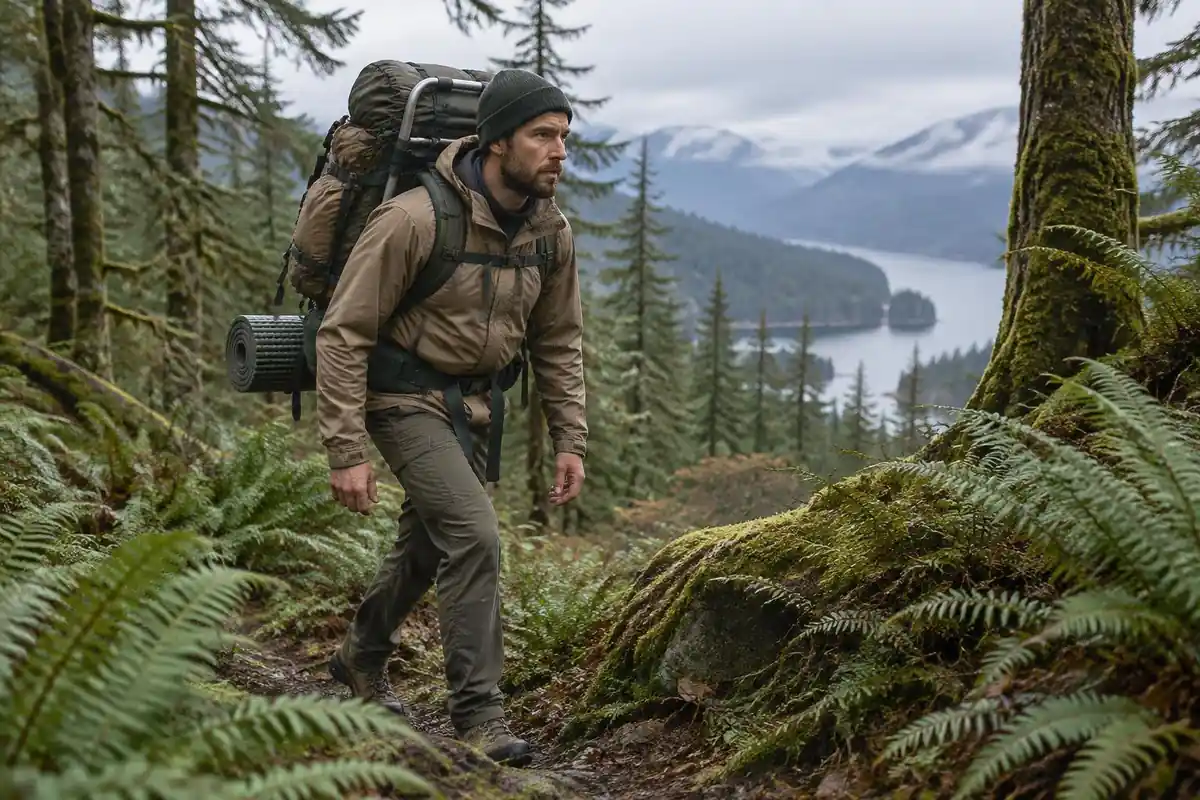
Fit remains the foundation underneath those choices. An adjustable or size-specific torso length combined with a correctly sized hipbelt determines whether any of Gregory's backpacking packs actually carries well, regardless of which line is chosen, so it's worth settling fit before comparing features between models.
Which Gregory line suits a multi-day backpacking trip?
For hikers carrying heavier gear, group equipment, or winter-weight loads, the Baltoro and Deva's FreeFloat A3 suspension is Gregory's heavier-duty option, built to keep that weight stable and centered on the hips. For hikers backpacking in warm or humid conditions who want the same adjustable fit system with better airflow, the Zulu and Jade's ventilated mesh back panel is the better match. For long-distance and thru-hikers where base weight matters more than maximum padding, the Paragon and Maven trim weight while keeping the adjustable suspension intact. For hikers who want Gregory's fit system without the higher-end price, the Katmai and Kalmia offer a simplified, more accessible version of the same core design.
| Priority | Better-suited line |
|---|---|
| Heaviest loads, extended trips | Baltoro / Deva |
| Warm or humid climates | Zulu / Jade |
| Lower base weight, long-distance trips | Paragon / Maven |
| Accessible price, standard multi-day trips | Katmai / Kalmia |
What capacity do you need for backpacking?
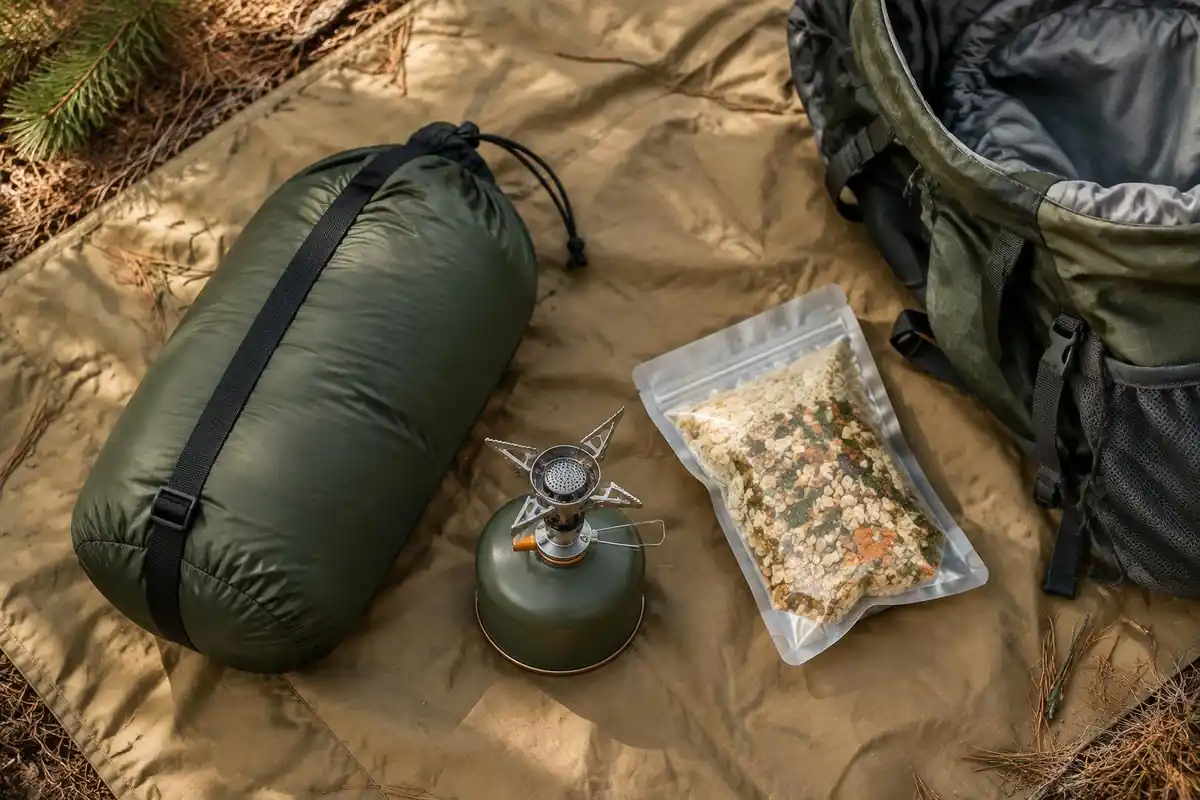
Capacity needs depend on trip length, season, and how much shared or bulky gear a hiker carries, more than on brand. A short multi-day trip in mild weather generally needs less volume than a longer trip or a winter trip requiring bulkier insulation and a heavier sleep system, and Gregory's own capacity guidance on each product page is a more reliable starting point than a single fixed rule. As a general pattern, hikers moving from a weekend trip toward a week or longer, or from three-season into winter conditions, typically move up a size within whichever Gregory line they've chosen rather than switching lines entirely.
Should you prioritize features or fit when choosing?
Fit should come first, since a Gregory pack with the right torso length and hipbelt size will carry a given load noticeably better than a pack with more features but a poor fit. Once fit is dialed in, features like front-panel access, an included rain cover, or additional external attachment points are reasonable tie-breakers between two otherwise similar options within the same line or between two neighboring Gregory lines, especially when trip conditions and typical pack weight leave more than one line as a realistic fit.
Full Ranking, Reviewed

Best for Gregory Backpack for Backpacking
- 45 L capacity
- Padded hip belt
- Tunable harness helps you find a comfortable carry
- Supportive hip belt takes weight off the shoulders
- The 45 L size is a versatile in-betweener rather than a specialist at either end.
Verdict: This 45 L hiking pack pairs real hip-belt support with an adjustable fit, making it a strong choice for Gregory Backpack for Backpacking.

Best for Gregory Backpack for Backpacking
- 65 L capacity
- Hydration-ready
- Set up to carry a reservoir for hands-free sipping
- Breathable mesh back keeps air moving against your spine
- Padded hip belt shifts load onto your hips, not your shoulders
- At 65 L it is more pack — and more weight — than a day hiker needs; it earns its keep on overnight and multi-day loads.
Verdict: This 65 L backpacking pack pairs a breathable back with room for a bladder, making it well worth a look for Gregory Backpack for Backpacking.
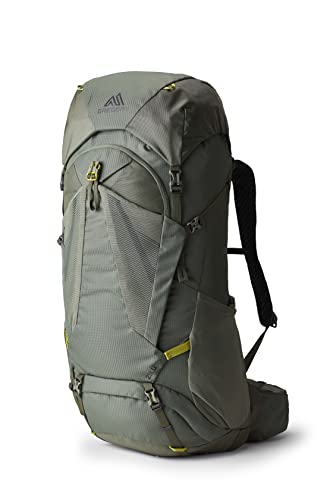
Best for Gregory Backpack for Backpacking
- 55 L capacity
- Padded hip belt
- Tunable harness helps you find a comfortable carry
- Supportive hip belt takes weight off the shoulders
- That 55 L volume is overkill for quick hikes and better suited to multi-night trips.
Verdict: This 55 L backpacking pack pairs real hip-belt support with an adjustable fit, making it a strong option for Gregory Backpack for Backpacking.

Best for Gregory Backpack for Backpacking
- 70 L capacity
- 5.5 lb empty
- Ventilated back panel
- Airflow channels help your back stay cooler under load
- Tunable harness helps you find a comfortable carry
- Supportive hip belt takes weight off the shoulders
- That 70 L volume is overkill for quick hikes and better suited to multi-night trips.
- At 5.5 lb it is heavier than the lightest packs in its class before you load it.
Verdict: This 70 L backpacking pack pairs a breathable back with real hip-belt support, making it a strong option for Gregory Backpack for Backpacking.
Padded versus ventilated backs: what you are trading
Some guides describe the Baltoro and Deva as simply the structured, padded option. Gregory says the series uses its FreeFloat A3 suspension with an AirCushion back panel and a FreeFloat rotating hipbelt.1 Mesh-back packs work differently: REI explains that suspended mesh panels hold the packbag a few inches off the back to reduce sweat.2
That gap has a cost with heavy loads. A military load-carriage review found that keeping the load's center of mass as close as possible to the body's gives the lowest energy cost,3 and US Army doctrine says packing heavier items higher and closer to the body can cut energy cost by as much as 25% compared with low, away-from-body placement.4 Neither tested Gregory packs, but they explain the page's advice: the closer-fitting back suits heavy loads, and the mesh back suits hot trips where airflow is worth a little extra effort.
Capacity and base weight benchmarks
The Washington Trails Association suggests 45 to 50 liters for a standard one- or two-night trip, 50 to 70 liters for 3 to 7 nights, and 70+ liters for carrying a lot of gear and food.5 Those bands line up with the page's advice to move up a size within a line as trips get longer or colder.
The page points long-distance hikers chasing a lower base weight toward the Paragon and Maven. It helps to know what those terms mean. Base weight is all your gear minus consumables like food, water and fuel.6 Gossamer Gear defines lightweight backpacking as a base weight under 20 pounds and ultralight as under 10 pounds.7 These categories come from gear makers, not a standards body, but they give you a yardstick: if your kit is already near the lightweight line, a lighter pack is worth more to you than extra padding.
How much weight the hip belt really takes
The page's FAQ notes that all these lines share Gregory's torso-and-hipbelt fit system. That matters because the hip belt is where most of the comfort comes from, though the exact share is disputed. WTA says a hip belt transfers around 80% of the weight to the hips,5 Alpkit says 60 to 80%,8 and US Army doctrine says about 30% hips and 70% shoulders with a frame and hip belt.4
Whatever the true figure, the direction is consistent. A lab study found the hip region tolerates pack pressure significantly better than the shoulders and recommends shifting load to the hips wherever possible.9 For a Gregory pack, that means the hip belt size deserves as much attention as the torso size, especially on the heavier Baltoro and Deva loads the page describes.
Frequently Asked Questions
Which Gregory pack is best for a multi-day backpacking trip?
It depends on typical pack weight and climate: the Baltoro or Deva for heavier loads, the Zulu or Jade for warm-weather ventilation, and the Paragon or Maven for long-distance hikers prioritizing a lower base weight. All use Gregory's adjustable torso-and-hipbelt fit system.
Should you choose Baltoro or Zulu for backpacking?
Choose the Baltoro if your pack regularly runs heavy and you want Gregory's heavier-duty FreeFloat A3 suspension. Choose the Zulu if you hike in warm or humid conditions and want a ventilated, trampoline-style mesh back panel instead.
Related Buying Guides
Planning a hiking trip? Compare hotels, lodges and guesthouses.
Book on Booking.com Book on AgodaAffiliate links: we may earn a commission at no extra cost to you.