
Brand Comparisons: Complete Guide
Comprehensive technical analysis of sizing, materials, installation requirements, and manufacturer standards for brand comparisons.

Recommended Products
See the full ranking →
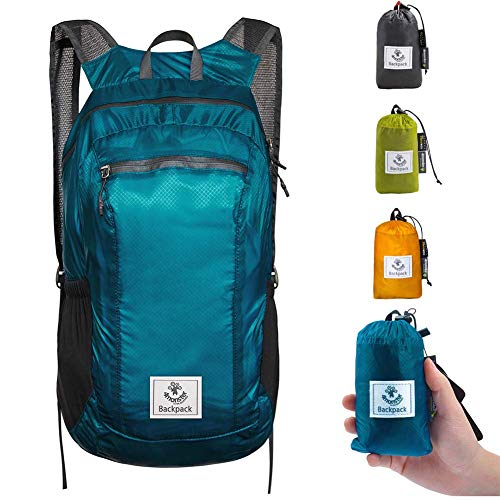
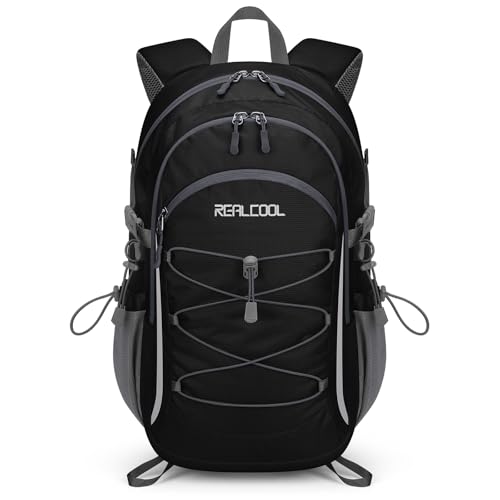
Osprey, Gregory, and Deuter are three of the most established hiking-backpack brands sold in the US, and a direct comparison shows real differences in suspension design, fit philosophy, and price. Osprey builds its mainstream backpacking packs around AntiGravity (AG) mesh suspension, a trampoline-style back panel that stands off your back for airflow, paired with dial-adjustable or fixed torso lengths depending on the model. Gregory builds around a closer, more structured harness and hipbelt shaping designed to hug the body and limit sway under load. Deuter splits its range between Aircontact, a structured framesheet system built for heavier loads, and Aircomfort, a ventilated mesh similar in concept to Osprey's AG, and typically prices comparable packs lower than Osprey or Gregory. No single brand is best for every hiker. The right choice depends on your torso length, how heavy your loads usually run, and how much ventilation matters to you.
Osprey suits hikers who want adjustable, well-ventilated comfort across a wide range of body types, since many models use dial-in torso adjustment and a mesh back panel that breathes in warm weather. Gregory suits hikers who want a closer, more structured carry, since its harness and hipbelt are shaped to hug the body and reduce bounce on rough terrain.
Osprey's AntiGravity mesh suspends the back panel slightly off your spine, which cuts sweat build-up but leaves a thin air gap between pack and back that some hikers notice as extra motion during scrambling or off-trail travel. Gregory's harness system, used across packs like the Baltoro and Deva for extended trips and the Zulu and Jade for weekend and multi-day use, sits closer to the body and is shaped around the hips and shoulders rather than floated on mesh, which most hikers feel as a snugger, more locked-in carry, especially once the pack is loaded heavy.
| Factor | Osprey | Gregory |
|---|---|---|
| Suspension style | AntiGravity ventilated mesh | Structured, close-contact harness |
| Fit adjustability | Dial-in torso on many models | Torso-specific sizing on many models |
| Best for | Airflow, maintained-trail hiking | Stability, heavier or off-trail loads |
Osprey's AntiGravity mesh and Deuter's Aircomfort mesh work on the same trampoline principle, both suspending the back panel off your spine for airflow, but Deuter also builds Aircontact, a structured framesheet system for heavier loads that most Osprey backpacking packs don't offer as a direct parallel. Deuter effectively gives hikers a choice between ventilation and stability inside one brand's lineup.
Deuter, a German brand with a long history in pack manufacturing, uses Aircontact in its extended-trip and alpine-oriented packs, where a framesheet held close to the back improves stability on technical or off-trail ground. Its Aircomfort mesh appears in lighter, warm-weather-focused packs such as the Futura line and feels close to Osprey's AG on the trail: breathable, a little bouncier under a heavy load than a structured framesheet. Deuter also has a long-standing reputation in child-carrier packs and ski-touring packs, a category where Osprey has a smaller footprint.
Gregory and Deuter both build structured, close-fitting suspension systems, but Deuter is generally the better value of the two: its packs typically cost less than a comparable-capacity Gregory pack while using a similar structured-framesheet approach to load transfer. Gregory sits at a premium price point closer to Osprey, competing on fit precision rather than on price.
That price gap doesn't mean Deuter packs are lower quality. It reflects brand positioning more than build quality, similar to the trade-offs covered in budget vs premium hiking backpacks. Both Gregory and Deuter back their packs with strong warranty programs, and both use durable, abrasion-resistant fabrics in their trip-oriented lines. Hikers who want Gregory's fit precision on a tighter budget often end up comparing a Deuter Aircontact pack directly against it before deciding.
Start with torso and hip fit, since no brand carries every body shape equally well. Measuring your torso length before comparing brands narrows the field faster than reading spec sheets, because a pack that fits your torso and hips correctly will outperform a heavier or cheaper pack that doesn't.
Outside the traditional big three, brands like REI Co-op, Granite Gear, and Hyperlite Mountain Gear each bring their own suspension geometry and price position, and are worth a look if none of Osprey, Gregory, or Deuter fits cleanly. But for most hikers comparing head-to-head, the decision comes down to how much you value ventilation versus structure, and how much you're willing to pay for Gregory's or Osprey's fit precision over Deuter's value pricing.
Go Deeper
Detailed companion guides for brand comparisons.
Best Hiking Backpack Brands, Ranked
Buyer's guide: best hiking backpack brands.
Osprey vs Gregory
Compare Osprey's ventilated AntiGravity mesh suspension with Gregory's structured, close-fitting harness system to find the better fit for you.
Osprey vs Deuter
See how Osprey's AntiGravity mesh stacks up against Deuter's Aircontact and Aircomfort suspension systems, and which brand costs less overall.
Gregory vs Deuter
Gregory and Deuter both build structured, close-fitting suspension systems, but pricing and fit-engineering precision separate the two brands.
Osprey Atmos vs Aether
Osprey's Atmos AG and Aether serve very different trip lengths and loads; compare capacity, suspension, and who each pack really suits best.
Osprey Exos vs Eja: Men's vs Women's
Osprey's Exos and Eja are more than just a men's-versus-women's color split; compare torso range, hipbelt shaping, and harness fit in detail.
Osprey Backpacks
Related brands & model reviews guide.
Gregory Backpacks
Related brands & model reviews guide.