
Best Backpack For Scrambling And Climbing
Best Backpack For Scrambling And Climbing, ranked from aggregated owner ratings and reviews, not first-hand testing. Real pros, cons, and who each pick is best for.

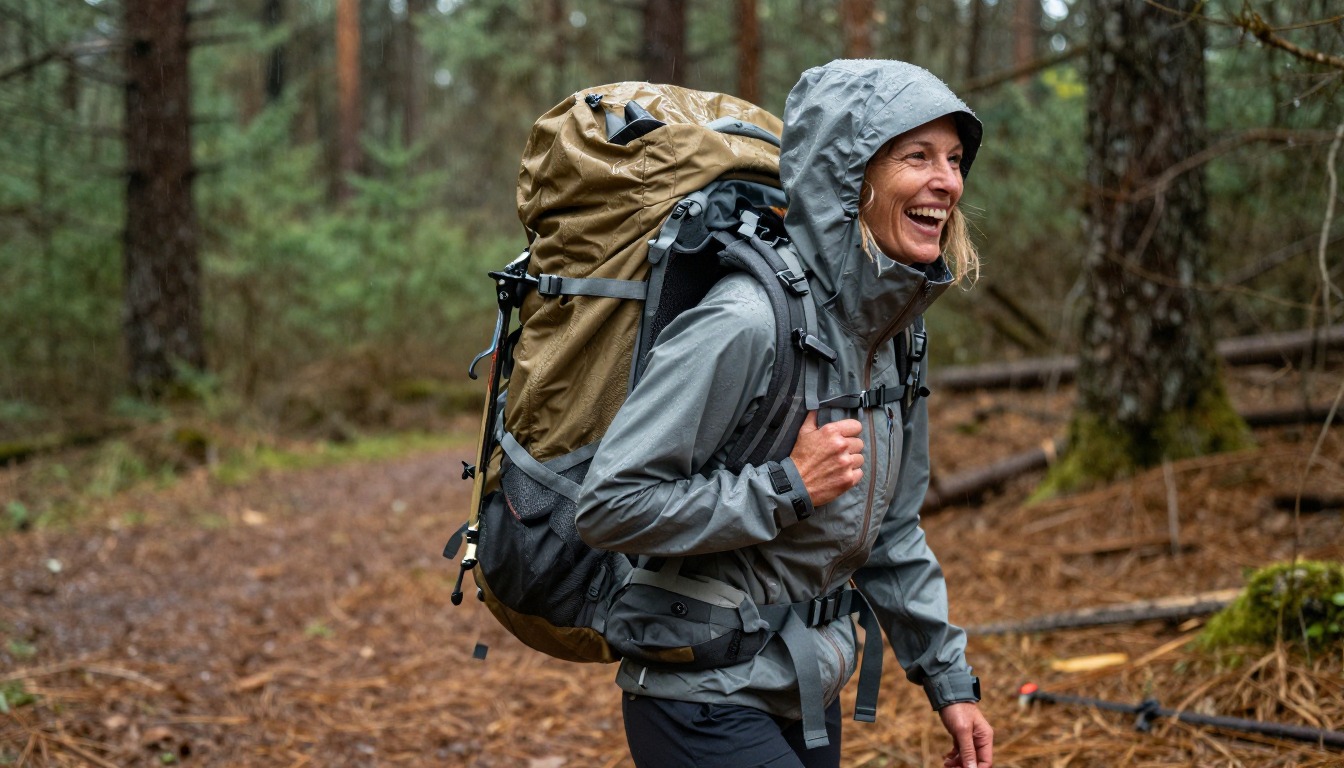
Our Top 3 Picks
Quick Comparison
| Product | Best for | Buy | |
|---|---|---|---|
| Blue Ice US Reach 15L Hydration Pack - Rust | Top Overall Pick | See Amazon | View |
| 15L Distance Backpack | Best Value | See Amazon | View |
| PETZL BUG Rock Climbing Backpack - Black | Best Ultralight | See Amazon | View |
| Women's Distance 15 Backpack | Best for Women | See Amazon | View |
| Escape Climbing Boulder Backpack | Also Great | See Amazon | View |
| Black Diamond Unisex Rock Blitz 15 Backpack Climbing Backpack | Solid Alternative | See Amazon | View |
What makes a backpack good for scrambling?
A scrambling backpack needs a narrow, low-profile build with minimal external features, since anything that bulges outward or dangles can catch on rock or interfere with hand and foot placement. Capacity generally stays in the 20–35 liter range, sized for a single technical outing rather than a multi-day carry.
Key criteria for a scrambling-specific pack:
- Slim front-to-back profile that doesn't push the wearer away from the rock during stemming or chimneying moves.
- Minimal external pockets and straps, reducing snag points on exposed terrain.
- A single ice-axe or tool loop rather than a pair, keeping the front face as clean as possible.
- A compression system that cinches the load tight and stops it from shifting during dynamic movement.
- Durable base and back-panel fabric that tolerates contact with rock.
How is a scrambling pack different from a general mountaineering pack?
A scrambling pack is generally smaller and stripped further than a general mountaineering pack, since scrambling routes rarely carry overnight gear and prioritize freedom of movement above all else. Where a mountaineering pack scales up to 50 or 75 liters for glacier travel and expedition approaches, a scrambling pack rarely needs to exceed 35 liters, and many climbers prefer 20–25 liters for day routes.
What load should a scrambling pack carry?
A scrambling pack should stay light, generally well under the roughly 20%-of-bodyweight guideline used for general backpacking loads, since a heavy pack directly undermines balance and confidence on exposed terrain. Typical contents are water, food, a light layer system, a helmet, and sometimes a light rack for protection on harder routes — not overnight gear.
Who this type of pack suits
- Scramblers and via ferrata hikers who need hands mostly free and a pack that won't swing or catch during exposed moves.
- Rock climbers approaching multi-pitch routes who want a light haul-capable pack for the approach and a way to stash gear at the base.
- Alpine climbers on technical summit pushes who've already cached bulkier gear and need only a stripped, minimal-profile pack for the final scramble.
Honest trade-offs to weigh
The minimal feature set that makes a scrambling pack effective on exposed terrain also makes it less comfortable and less organized for longer, non-technical carries — fewer pockets means less quick-access storage, and a slimmer frame or no frame means less load transfer to the hips over long approaches. Climbers who scramble as part of a longer alpine day, rather than as the whole objective, often find a mid-size alpine pack (35–50L) that strips down for the technical section serves better than a dedicated small scrambling pack, since it covers both the approach and the summit push in one piece of gear.
A scrambling pack also tends to skimp on back-panel ventilation compared with a general daypack of similar volume, since a suspended mesh panel adds bulk that pushes the load away from the body — exactly the opposite of what's wanted when balance on rock takes priority over airflow. That trade is worth accepting for dedicated scrambling days, but it's a reason to reach for a general daypack instead on approach trails that are mostly walking rather than climbing.
Full Ranking, Reviewed

Best for Backpacks for Scrambling & Climbing
- 15 L capacity
- 100D ripstop nylon shell
- 15 oz empty
- Hydration-ready
- Responsible Collection
- Set up to carry a reservoir for hands-free sipping
- Tough, tear-resistant shell built for trail abuse
- The 15 L capacity is snug for anything beyond a half-day on the trail.
Verdict: This 15 L hydration pack pairs room for a bladder with a tough ripstop shell, making it our overall pick for Backpacks for Scrambling & Climbing.

Best for Backpacks for Scrambling & Climbing
- 15 L capacity
- Ripstop fabric shell
- 12 oz empty
- Hydration-ready
- Advanced Shoulder Strap Design
- Routes a hydration bladder and hose without fuss
- Tough, tear-resistant shell built for trail abuse
- The 15 L capacity is snug for anything beyond a half-day on the trail.
Verdict: BLACK DIAMOND’s 15 L hydration pack pairs room for a bladder with a tough ripstop shell, making it well worth a look for Backpacks for Scrambling & Climbing.

Best for Backpacks for Scrambling & Climbing
- 18 L capacity
- 23 oz empty
- Hydration-ready
- From everyday use to climbing adventures
- Hydration sleeve keeps water within easy reach
- Light enough that you forget you are wearing it
- The 18 L capacity is snug for anything beyond a half-day on the trail.
Verdict: This 18 L hydration pack offers room for a bladder, making it an easy shortlist pick for Backpacks for Scrambling & Climbing.

Best for Backpacks for Scrambling & Climbing
- Ripstop fabric shell
- 11 oz empty
- Streamlined Women's Fit
- Tough, tear-resistant shell built for trail abuse
- Light enough that you forget you are wearing it
- Colours and exact capacity options change often on Amazon — confirm the current variant on the listing before buying.
Verdict: Bibler’s hiking pack offers a tough ripstop shell, making it a strong option for Backpacks for Scrambling & Climbing.
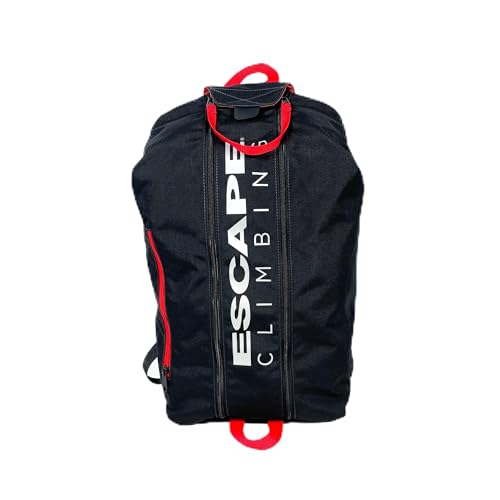
Best for Backpacks for Scrambling & Climbing
- Easy opening full zip compartment
- Multiple compartments make organising kit easy
- Comfortable and portable
- Check the size and colour options on the live listing, as availability shifts.
Verdict: This hiking pack keeps things refreshingly simple, making it an easy shortlist pick for Backpacks for Scrambling & Climbing.

Best for Backpacks for Scrambling & Climbing
- 14 oz empty
- Backpack body made from recycled materials
- Light enough that you forget you are wearing it
- External side pocket keeps topo/phone/camera handy
- Colours and exact capacity options change often on Amazon — confirm the current variant on the listing before buying.
Verdict: This hiking pack keeps things refreshingly simple, making it an easy shortlist pick for Backpacks for Scrambling & Climbing.
Frequently Asked Questions
How big should a scrambling backpack be?
Most scrambling packs run 20 to 35 liters, sized for a single day's water, food, layers, and light gear rather than overnight equipment. Climbers on shorter, warmer routes often prefer the lower end of that range for the slimmest possible profile.
Do scrambling packs need a hipbelt?
A light or removable hipbelt is common, since scrambling loads are usually too light to require full load transfer to the hips, and a bulky hipbelt can interfere with a climbing harness. Many scrambling packs use a slim webbing belt rather than a padded one.