
Affiliate disclosure: this page contains affiliate links. Purchases made through them may earn us a commission at no extra cost to you. See our affiliate disclosure.
In plain English
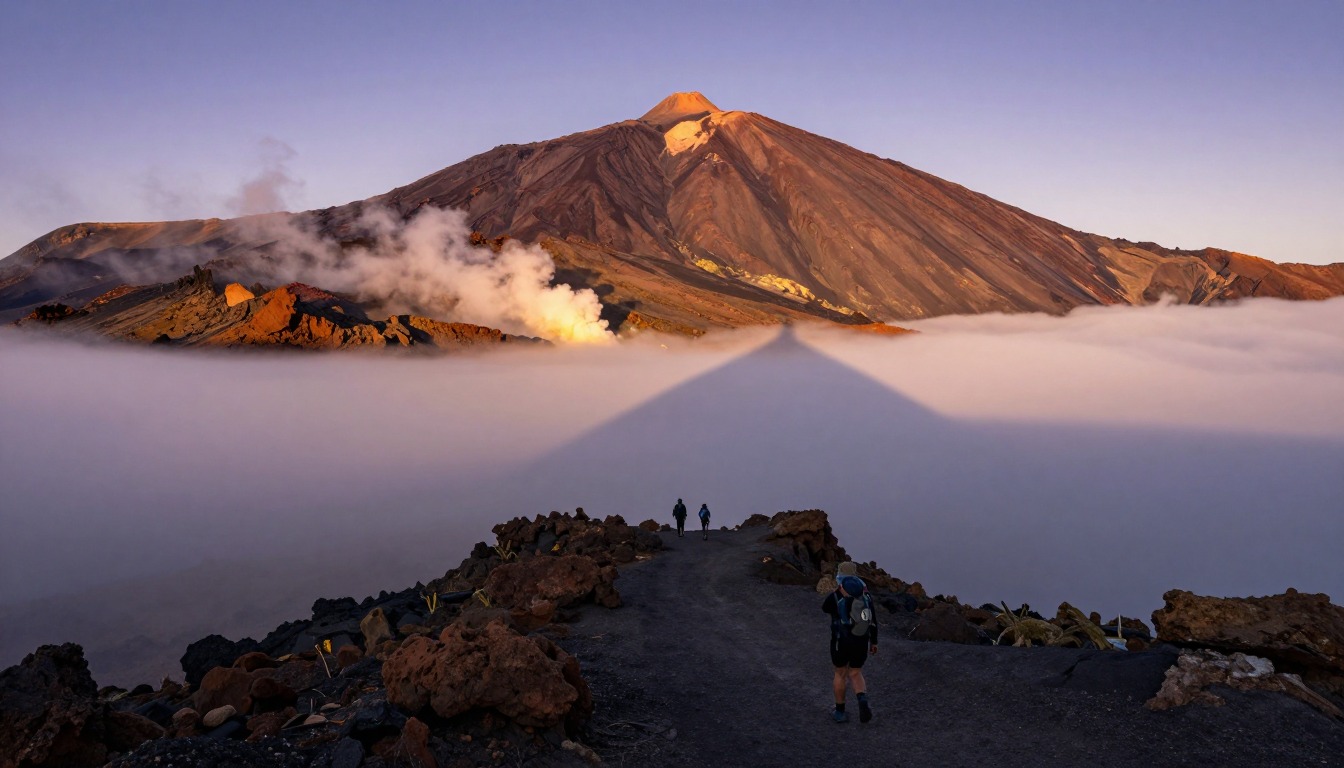
Teide is a big volcano, and the cable car makes it feel easy. In minutes you go from the park floor to a very high, cold and windy place. Your body has not had time to adjust, and that is the main thing to plan for.
There are two ways to visit. The short way is to ride the cable car and walk the marked trails at the top. The long way is to walk up from the park floor across black lava fields, spend a night at the high refuge and climb the summit cone in the dark.
Either way, pack for sun and for cold. There is little shade and no water on the mountain, the ground is loose and sharp, and the last part of the climb needs advance arrangement. Check what is currently required before you fix your dates.
What the hike is like
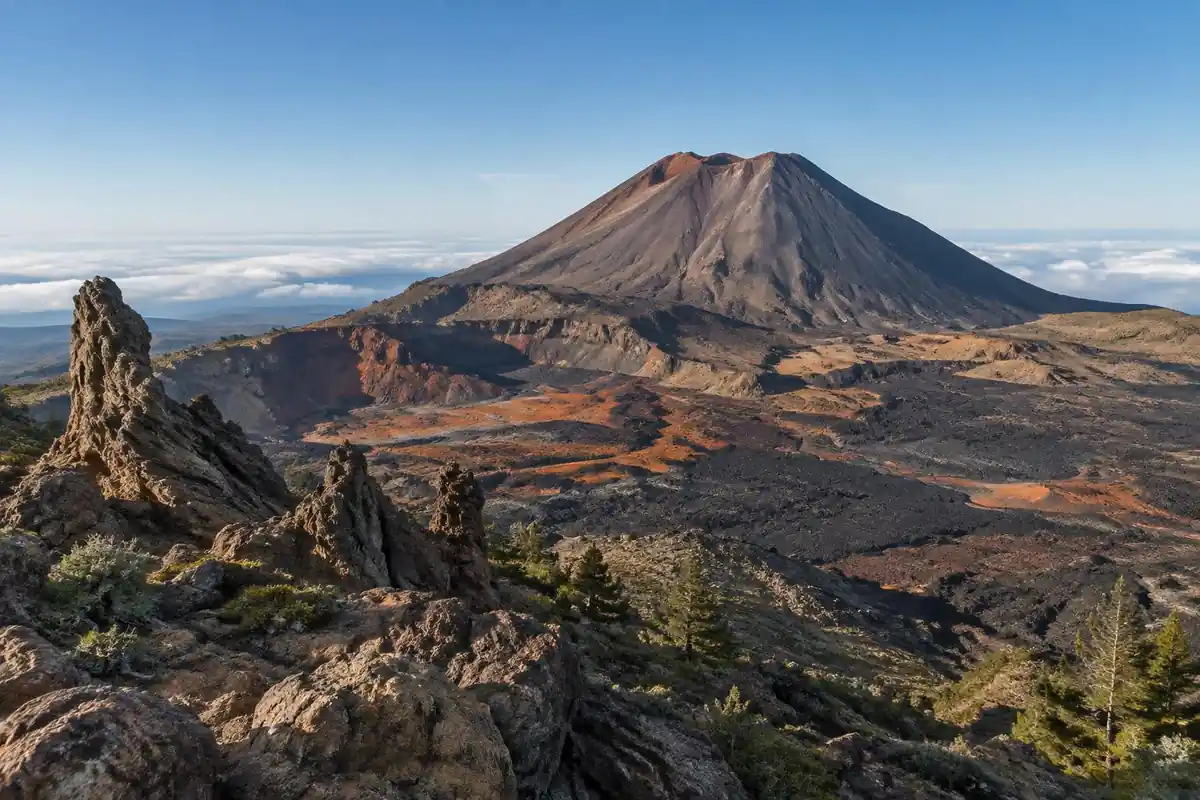
There are two very different ways to move on this mountain. From the top cable car station, short marked trails traverse the upper cone on loose volcanic cinder, roped off at the edges, running out to viewpoints over the crater rim with the island spread out far below. The separate path onto the summit cone itself is short but steep, switchbacking up crumbly ground with sulfurous steam seeping from vents near the top. Walking from the park floor instead is a different undertaking altogether: a long, sustained climb across hardened lava fields and pumice, the color shifting from ochre to black as you rise, with no shade and no water anywhere on the mountain, up to the high refuge and then onward onto the cone. Everything underfoot crunches, slides slightly, and reflects heat.
How to plan the itinerary
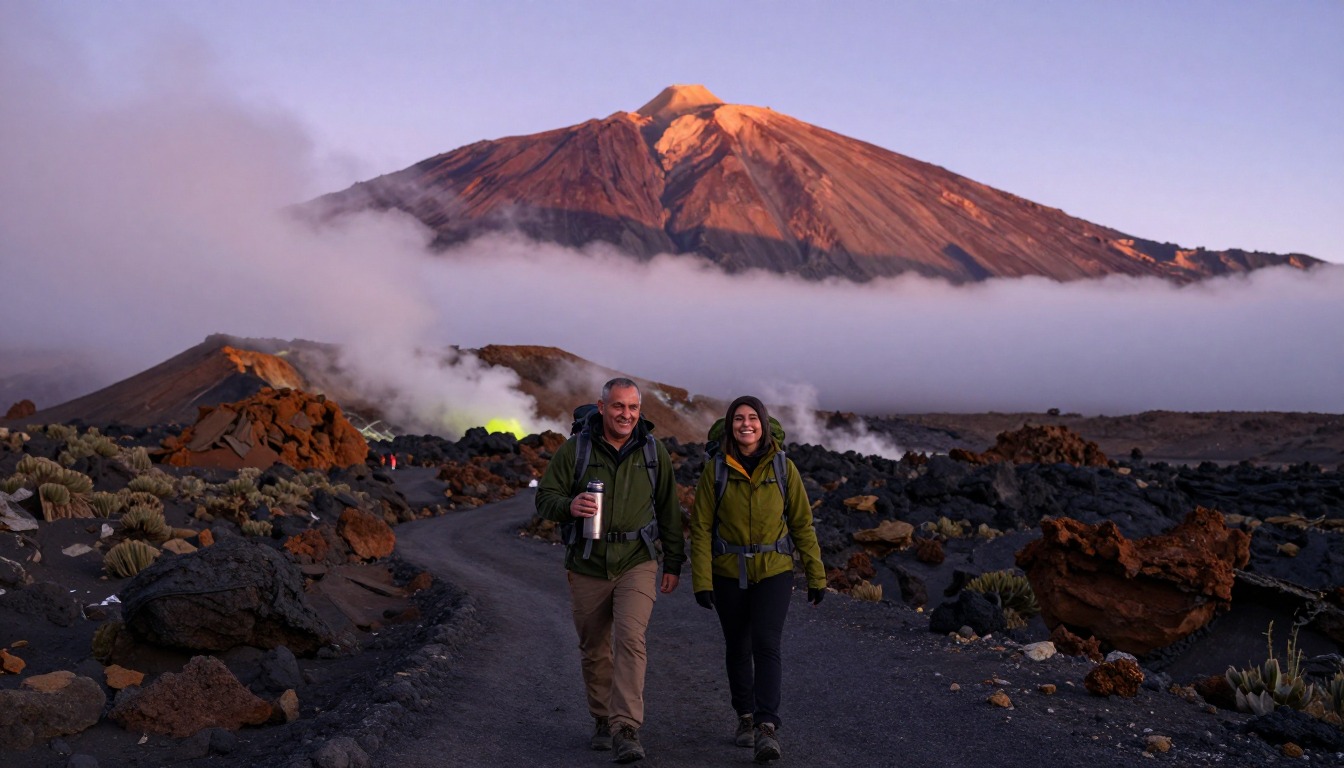
Most visitors do this as a day trip, booking a cable car slot and walking the upper trails, with the return ride time acting as the hard deadline for the day. The classic alternative is staging it overnight: walking up from the park floor in the afternoon, sleeping at the Altavista Refuge, and setting out again in the dark for the summit before continuing down. That version is much more demanding but gives you the mountain in the early hours rather than sharing it with the day's lift traffic. Access to the final summit cone is controlled and arranged in advance, so build your plan around that before anything else. Check this page's facts panel and the park's official information for current requirements.
Plan this trip in 5 steps
-
Pick the right pack
Match a pack to your trip, fit and priorities.
-
Plan food & water
Calories, food weight and water for your days on trail.
Trail-specific tips
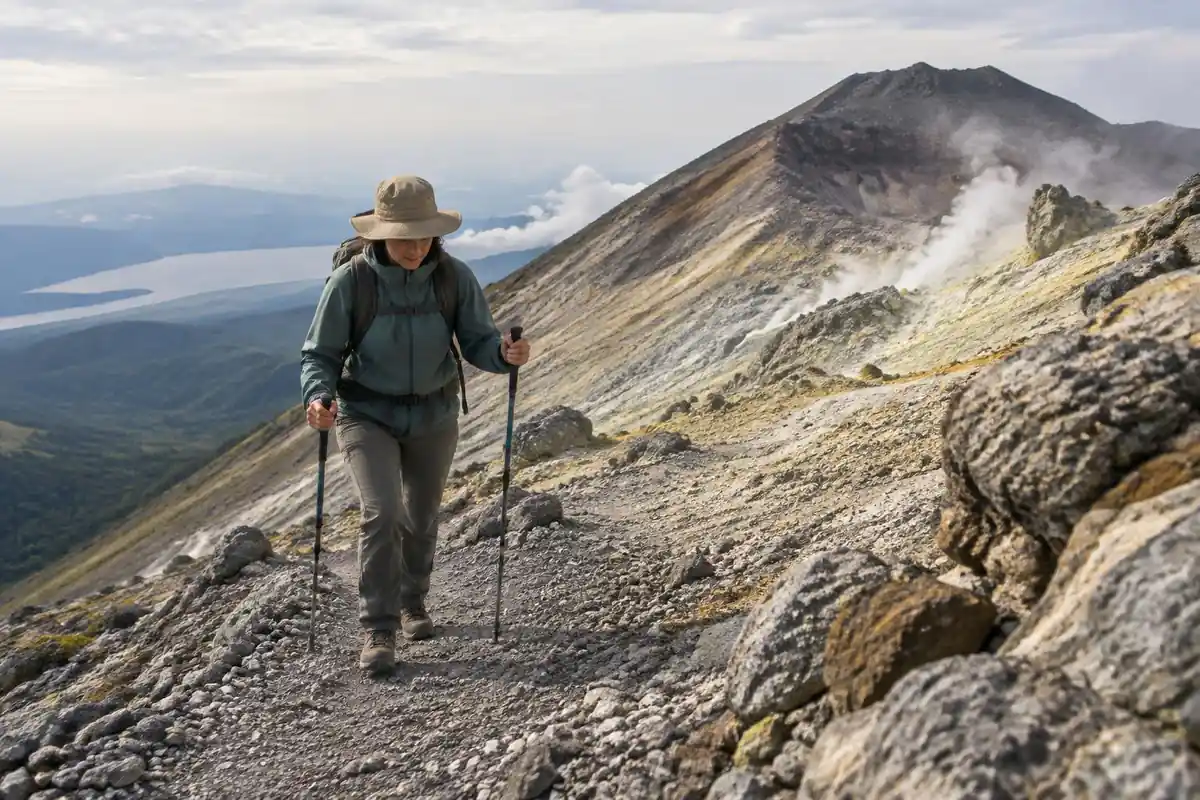
Altitude catches people out here more than gradient does. Arriving from sea level and riding straight up means no acclimatization at all, and headaches and breathlessness on the upper trails are common even among fit walkers. Move slowly and turn back if you feel genuinely unwell. High winds close the cable car with little warning, so always know how you would get down without it. The summit is cold and wind-scoured whatever the coast is doing, and there is no water above the park floor. General altitude guidance is at /trail-smarts/.
Permits & rules
Standing on the very summit cone requires a free, limited daily permit booked in advance (staying at the Altavista Refuge lets you summit in the early window instead). A cable car reaches near the top. The peak is high and genuinely cold — carry warm layers even from a hot coast.
Gear suited to this hike
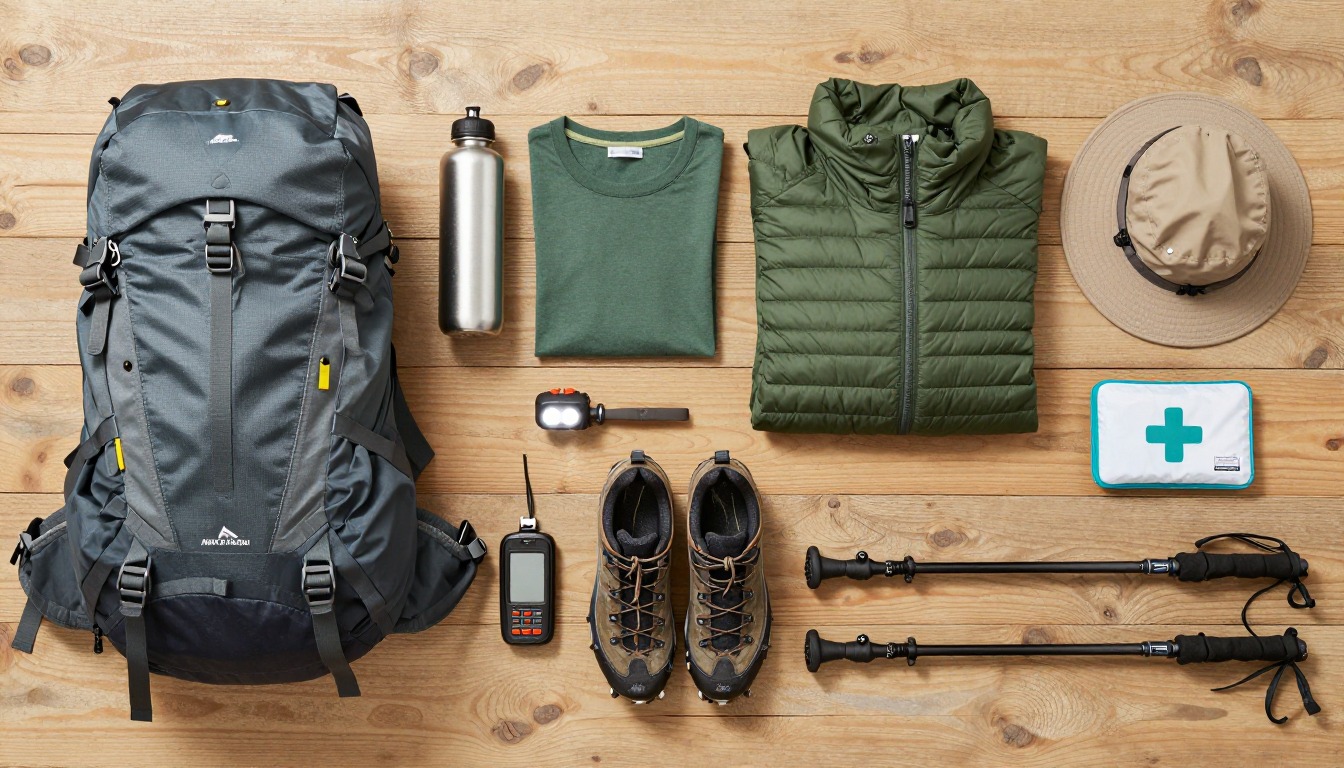
Matched to the terrain and conditions here. Real products — check current price on Amazon.
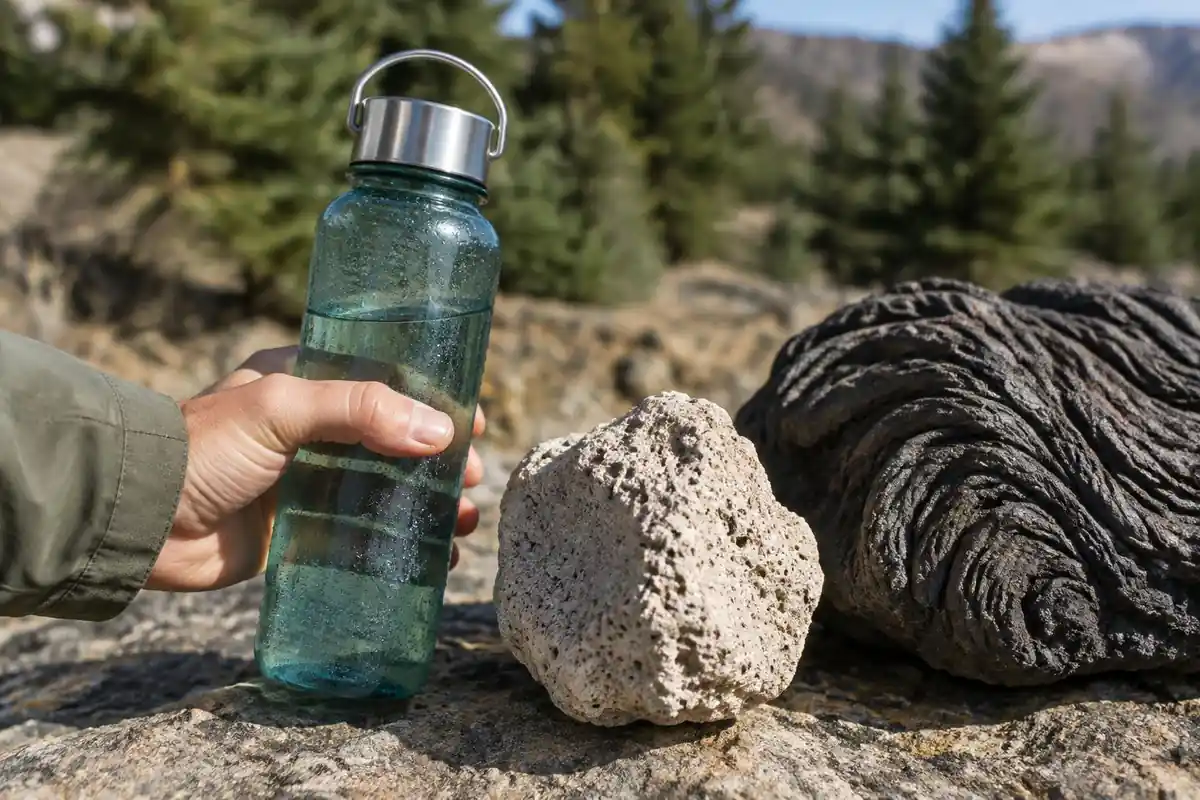

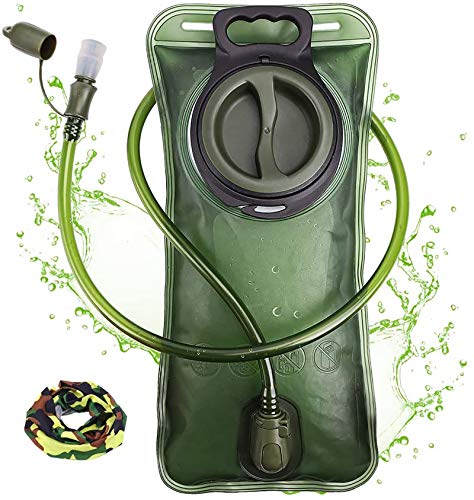


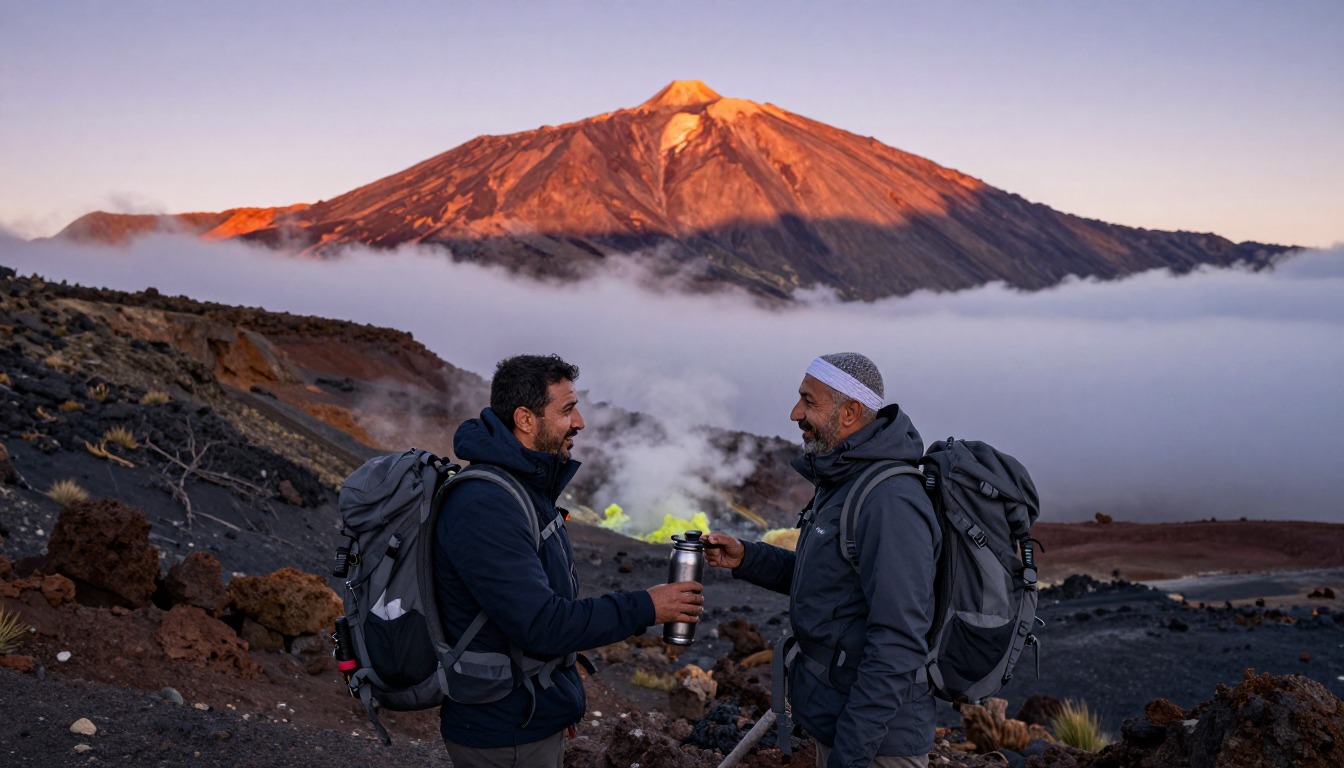
Altitude and the speed of the cable car
The CDC says any unacclimatized person sleeping at 8,000 feet or higher is at risk of altitude illness, and that physical fitness and training do not protect against it.1 Teide's summit is far above that mark, so it applies to anyone who stays high overnight, such as at the refuge. Headache is the main symptom of acute mountain sickness, typically starting 2 to 12 hours after arrival at altitude, and it improves rapidly with a descent of 1,000 feet or more.1
A day trip on the cable car is a short exposure, but a headache later in the day still deserves attention. The CDC says never to go higher to sleep while having symptoms, however mild.1 If you plan an overnight at the refuge, resting and staying hydrated before the climb helps, and dropping down is the fix if symptoms appear.
Sun, cold and no shade
Ultraviolet intensity rises about 6 percent per kilometer of elevation, and overcast skies still transmit around 31 percent of UV.2 The CDC says UVB is most intense from 10 a.m. to 4 p.m. and at higher elevations, and recommends broad-spectrum sunscreen of SPF 30 or higher, reapplied every two to four hours.3 Pale volcanic ground reflects heat and light, so a hat, sunglasses and sun-protective clothing matter.
The pre-dawn summit start is cold and windy even in warm months. The CDC notes hypothermia can develop in cool temperatures above 40 degrees Fahrenheit when chilled by wind, rain or sweat.4 Bring a warm layer, gloves and a windproof shell in the top of the pack, and a headlamp, which NPS recommends as the hands-free light source.5
The summit cone, water and the lift deadline
The page says access to the final summit cone is controlled and arranged in advance. That is a rule set by the park authorities, and it can change, so check the park's official information for current requirements and booking before you build anything else into your plan. Similarly, the cable car's last ride down is the hard deadline for a day trip, so confirm operating hours and any wind closures on the day.
Because there is no water on the mountain, you carry all of it. NPS notes water weighs about 8 pounds per gallon,6 and active hikers should drink often and before feeling thirsty,5 while the CDC warns that forced drinking beyond thirst raises hyponatremia risk.7 Balance the two: sip regularly, carry enough for the whole outing, and set a turnaround time before you leave.8
Common questions
Do I need to arrange anything in advance to reach the summit?
Yes. Access to the final summit cone is controlled and numbers are limited, so it has to be organized ahead of your visit rather than decided on the day. Requirements and timings change, so check the park's official information and the facts panel on this page before you build the rest of your plan around it.
How hard is Teide if I take the cable car?
The walking from the top station is short, but the altitude makes it feel harder than its length suggests, and the ground is loose cinder rather than a graded path. Most reasonably fit visitors manage the viewpoint trails comfortably. The push onto the summit cone itself is steeper and noticeably more taxing in thin air.
Can I walk up instead of riding the cable car?
You can, and the route from the park floor is a real mountain day — a long, exposed climb across lava fields with significant height gain and no shade or water. It is usually broken with a night at the high refuge rather than done in one push. Come prepared for cold, altitude, and a slow descent on loose ground.
How cold does it get at the top?
Much colder than the coast, in every season. This is a high mountain summit with wind and, in winter, snow and ice on the upper slopes, while the beaches below may be warm. Carry proper layers, a windproof shell, gloves and a hat, and do not judge what to bring by the temperature at your hotel.
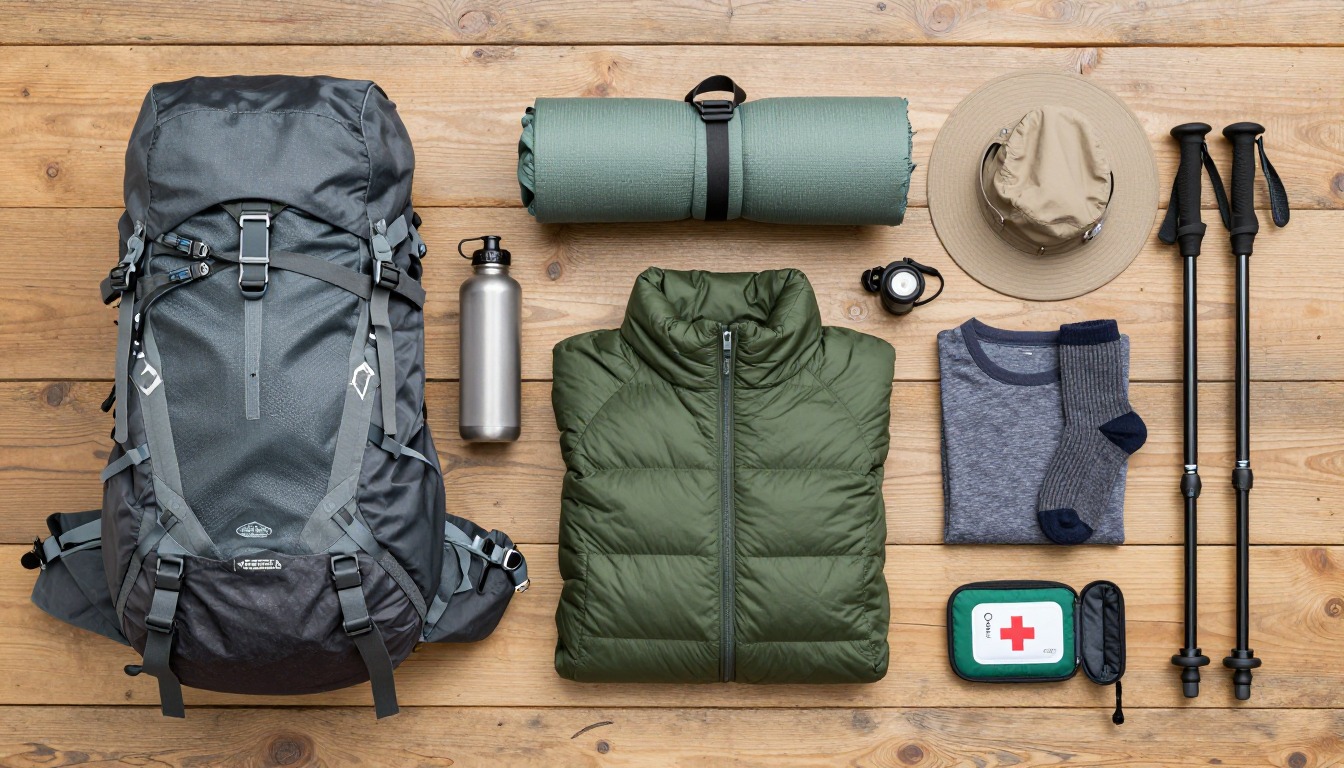
Complete gearsets for this trip
Full curated kits built for exactly this kind of hike.
Trail conditions, permits and access rules change without notice — always confirm current information on the official source above before you go. Some facts on this page are still pending owner verification and are marked accordingly. Product links and the accommodation map are affiliate links: we may earn a commission at no extra cost to you; product prices and availability are shown on Amazon, and accommodation prices on the booking site. See our affiliate disclosure.