
Affiliate disclosure: this page contains affiliate links. Purchases made through them may earn us a commission at no extra cost to you. See our affiliate disclosure.
In plain English
Mount Teide is a volcano in the middle of Tenerife, and the national park around it is high, dry and windy. Most visitors sleep at the coast in hotels and drive up for the day. That is by far the easiest plan.
If you want to sleep up on the mountain, the rules are strict. The park does not allow free camping, so you cannot just pitch a tent anywhere. Overnight stays are limited to a small number of marked bivouac areas and only above a certain height, and you have to book. There is also a refuge, but you should confirm its current booking rules yourself.
It gets cold and dry up there, and the air is thin. Even on a hot day at the beach, you need warm clothes for the summit. If you feel a headache building after you arrive, treat that as a message to go lower rather than higher.
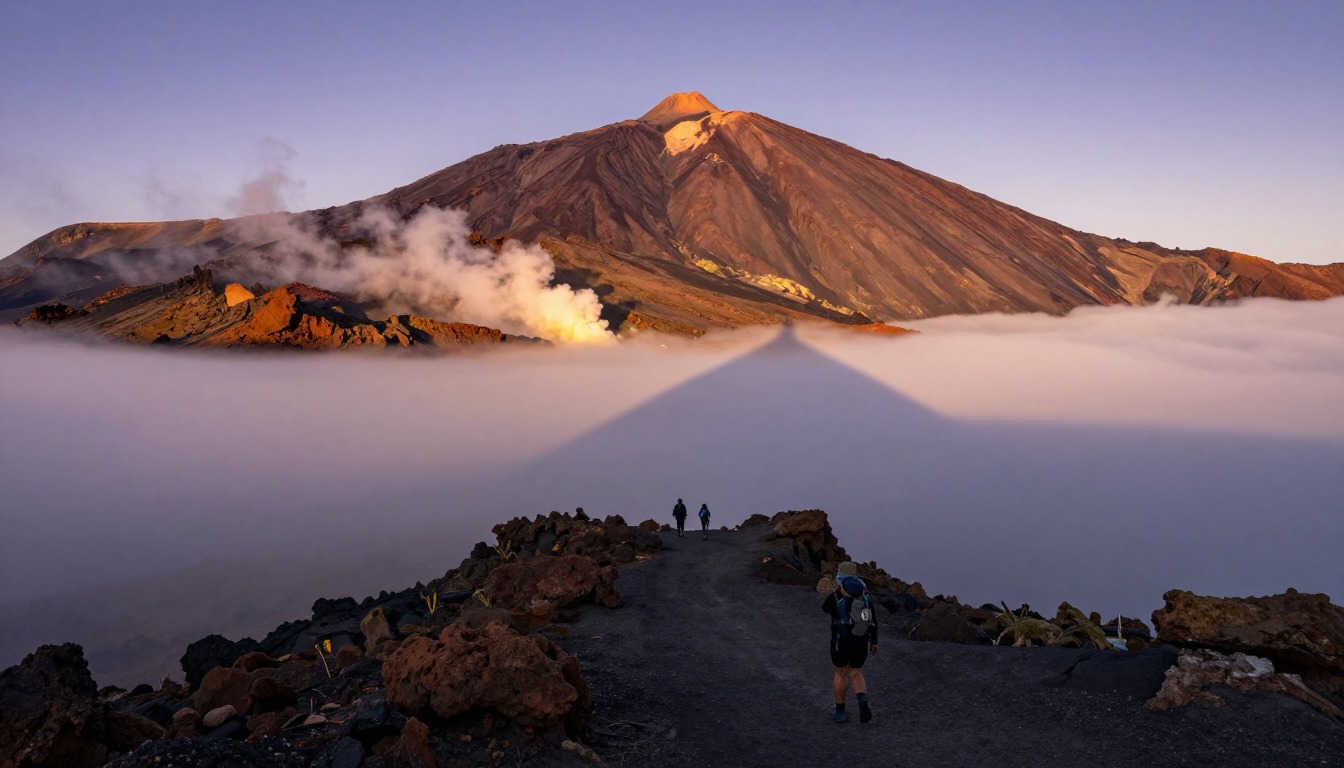
Mount Teide is Spain's highest peak at 3,715 meters, a still-active volcano rising out of the stark lava fields of Teide National Park on Tenerife in the Canary Islands — a landscape striking enough to have earned UNESCO World Heritage status. A cable car carries most visitors to within reach of the summit, but the final stretch to the very top is tightly controlled, so where you sleep depends on whether you're day-tripping up or aiming to stand on the summit cone itself.
Why hike here
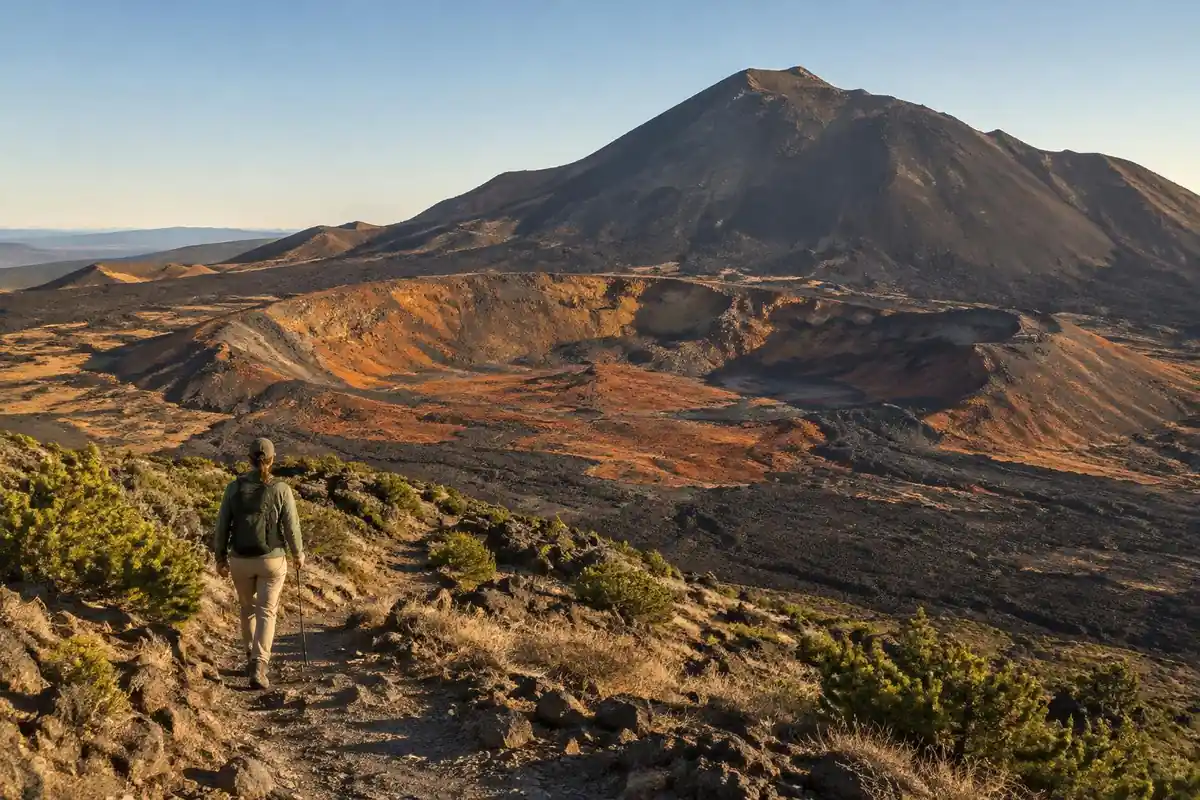
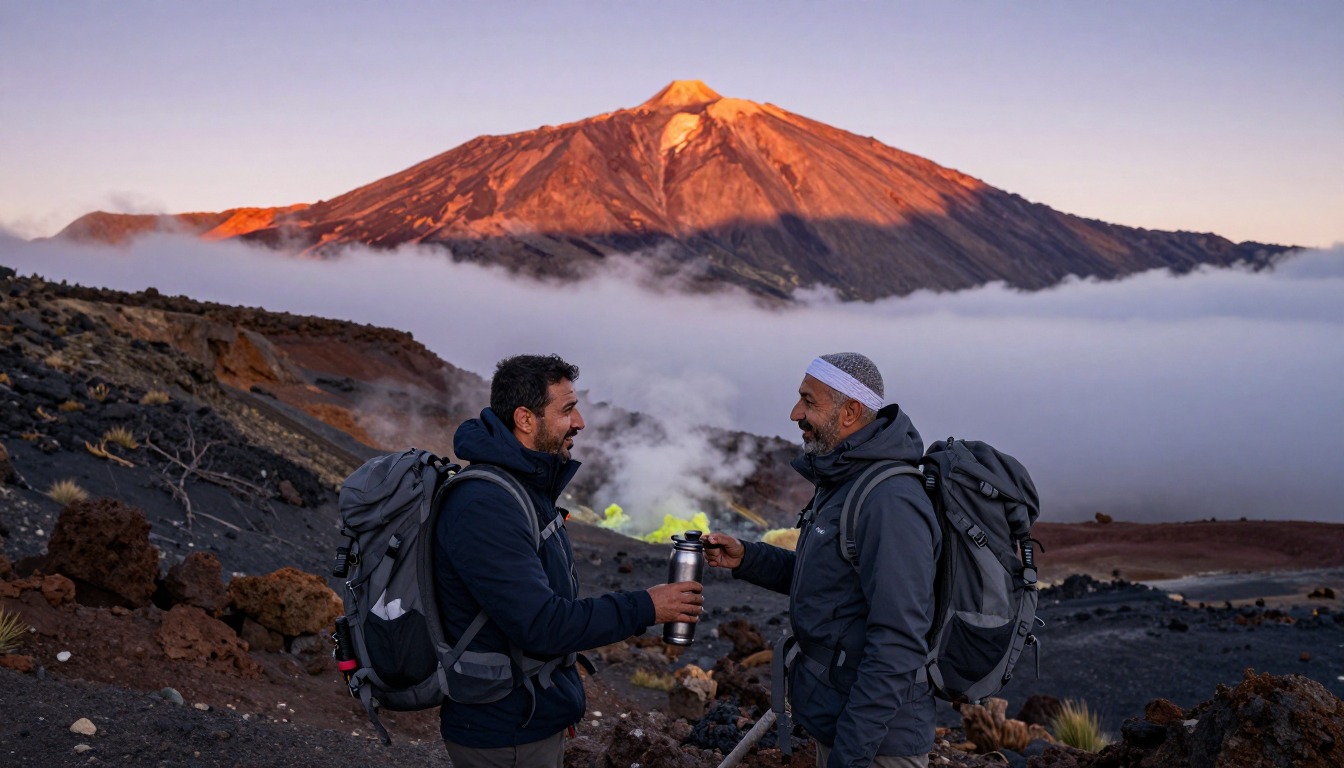
What makes Teide extraordinary is how little it resembles the rest of Spain — walking here means crossing wide fields of hardened lava and volcanic ash, color shifting from rust red to black to pale ochre as the trail climbs out of the pine forests below. The cable car ride itself is part of the experience, hauling you up through the cloud layer until the peak's summit cone appears above a floor of cloud that blankets the rest of the island. From the crater rim, the view stretches across Tenerife's coastline and, on a clear day, to the neighboring Canary Islands scattered on the horizon. It's a volcanic, almost lunar world that feels far removed from the beaches most visitors associate with the islands.
Getting there
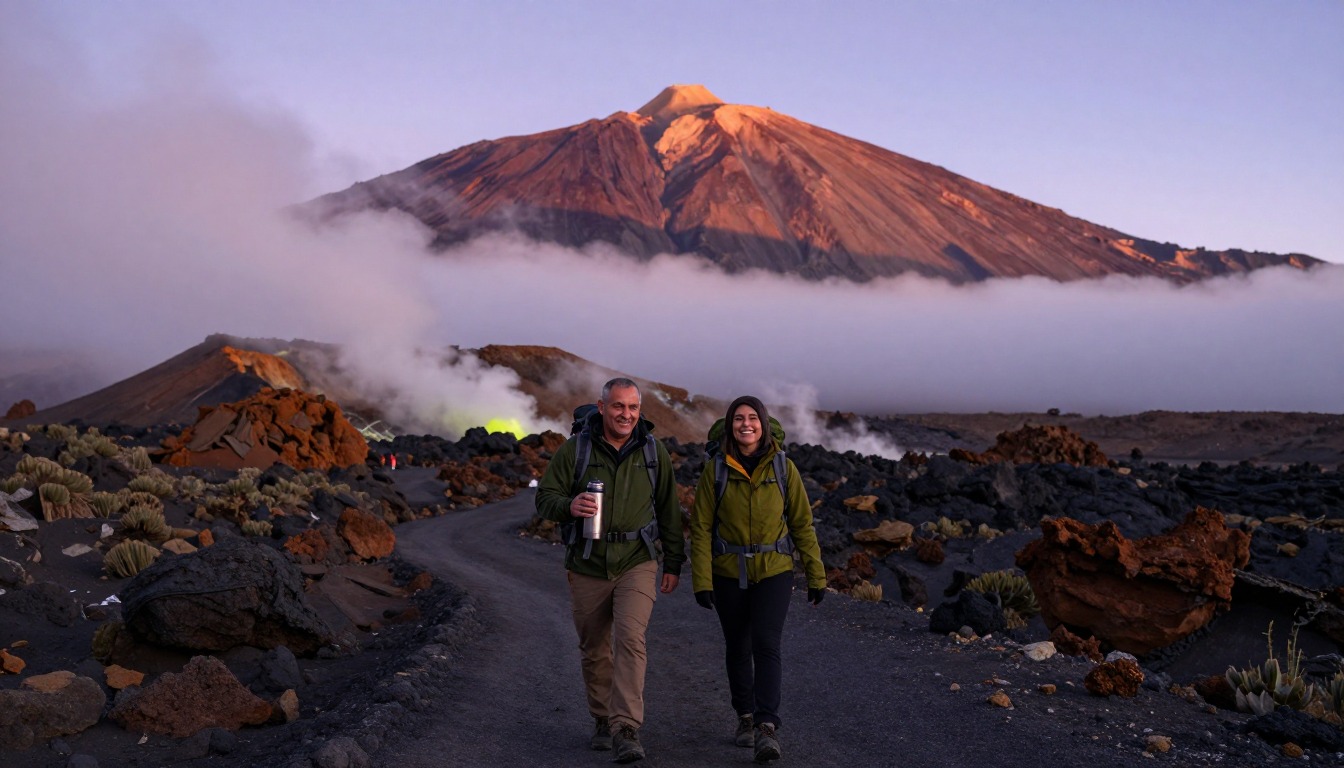
Getting to Mount Teide starts with flying into Tenerife, then making your way inland and up into the national park's highlands, well above the coastal resorts most travelers know. There's no rail link into the park, so a rental car or organized transfer is the practical way to reach the cable car base station and the trailheads around it. Because the drive climbs steeply from sea level into a high-altitude volcanic landscape, allow extra time and expect a noticeable change in temperature and weather as you go.
Where to stay
The realistic options, closest-to-the-trail first. Book through the official links — we don't list prices or availability because they change all the time.
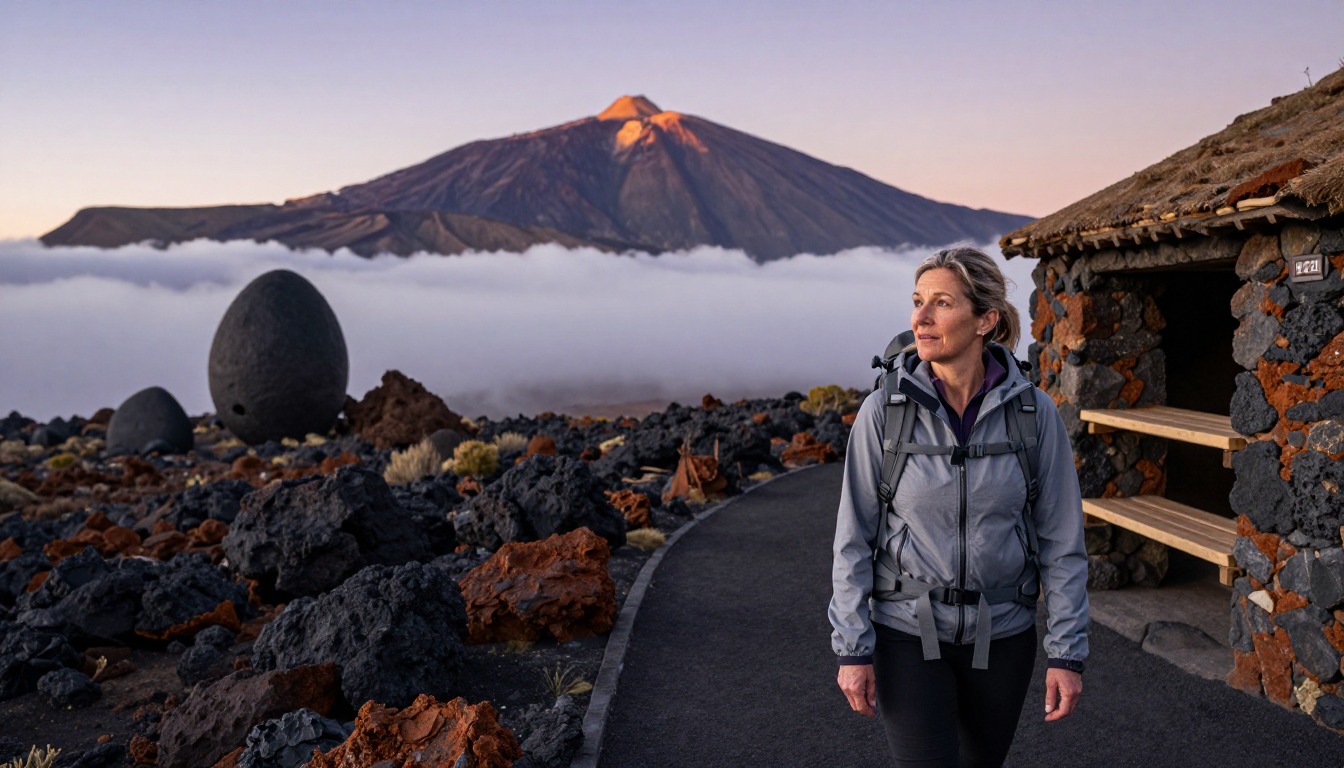
For example: The high mountain refuge on the volcano, used to reach the summit early
Climbers who want to summit at dawn — and who can then use the early window at the top.
A separate free permit is required to stand on the very summit cone (or use the early pre-opening window from the refuge).
Refuge reservationFor example: Hotels and rentals across Tenerife
Most visitors — many reach the upper mountain by cable car.
A cable car climbs near the top; the final summit path still needs the permit.
Island lodging
Permits & rules
Standing on the very summit cone requires a free, limited daily permit booked in advance (staying at the Altavista Refuge lets you summit in the early window instead). A cable car reaches near the top. The peak is high and genuinely cold — carry warm layers even from a hot coast.
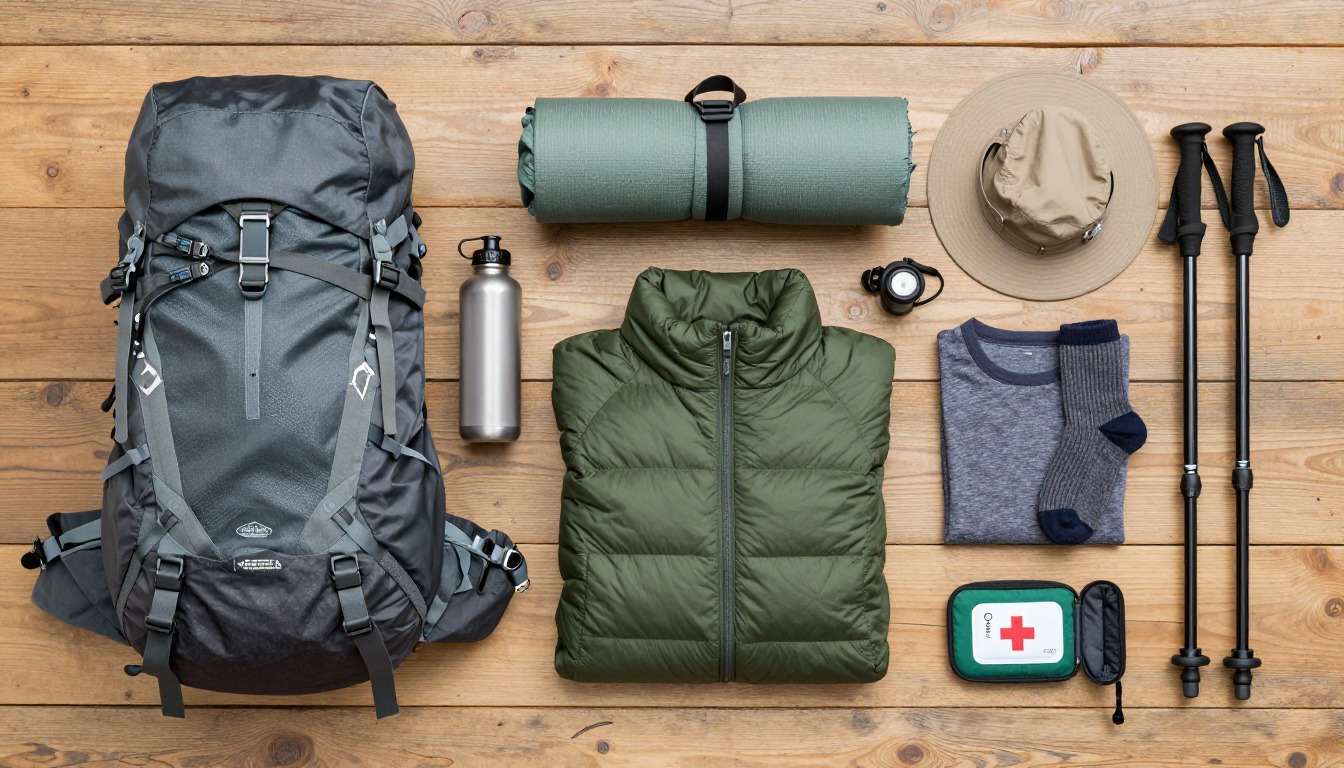
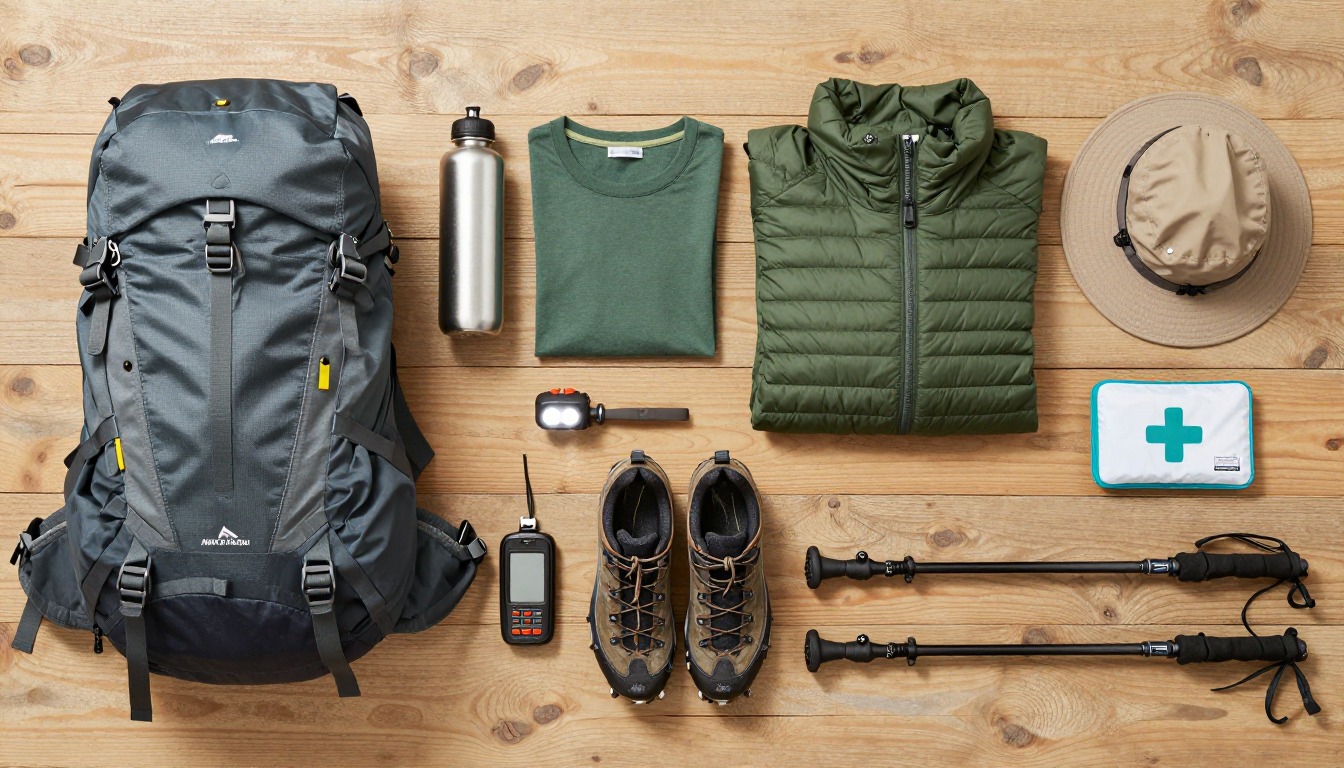
Gear you'll want for this trip
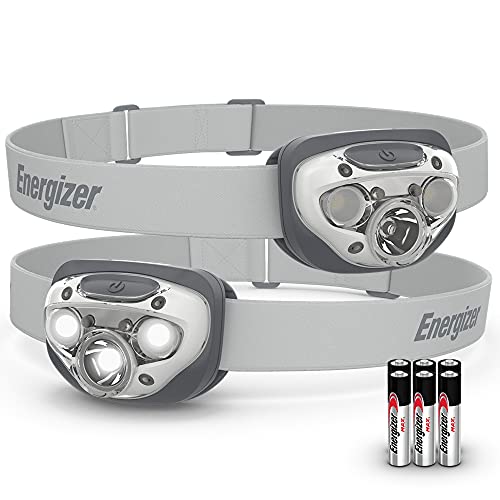
Matched to the terrain and conditions here. Real products — check current price on Amazon.


Camping is not the default: what the park's rules say
The Teide National Park's visitor rules are drawn from its management plan. On overnight stays, they state that bivouac is permitted only in established zones above 2,500 meters and that free camping in the park is not allowed.1 The rules also say that open fires are not allowed, that visitors should park only in designated areas and stay on authorized roads and paths, and that walking in reserve zones or on trails that require authorization without a permit is not allowed.1
The park's reservations page adds that some trails require authorization, with permit information on each trail's page and booking from its availability section, and that the park's management authorizes overnight bivouac in four areas.2 Cancelling a booking made on the Tenerife ON platform can be done from the web or the app, with refunds for paid bookings handled by email if you cancel at least three days ahead.2
Some guides describe a refuge as the mountain's only lodging and mention a parador inside the park. Refuge and hotel details are run separately from the park's visitor rules, so confirm availability, booking and any summit-permit requirements with the park office and the trail information on the park's website before you plan around them.
A high, dry, cold place to sleep
Spain's national parks agency says the park runs from Canary pine forest at about 1,600 meters up to 3,715 meters at the top of Teide, Spain's highest peak, that the climate is dry with strong day-to-night contrasts, low humidity and often intense wind, and that snow can fall on some winter days.3
The CDC's travel guidance says any unacclimatized person sleeping at 8,000 feet or higher is at risk of altitude illness, that fitness does not protect against it, and that headache, its main symptom, typically starts two to twelve hours after arrival.4 The 2,500 meter bivouac threshold is above 8,000 feet, and most visitors arrive from sea level the same day, so build in time and go down if symptoms appear. The CDC also says UVB is most intense at higher elevations and between 10 a.m. and 4 p.m.5
The CDC adds that hypothermia can develop above 40 degrees Fahrenheit if a person is chilled by rain, sweat or cold water.6 Even from a hot coast, carry warm layers, sun protection and water.
Two sleeping styles, two packs
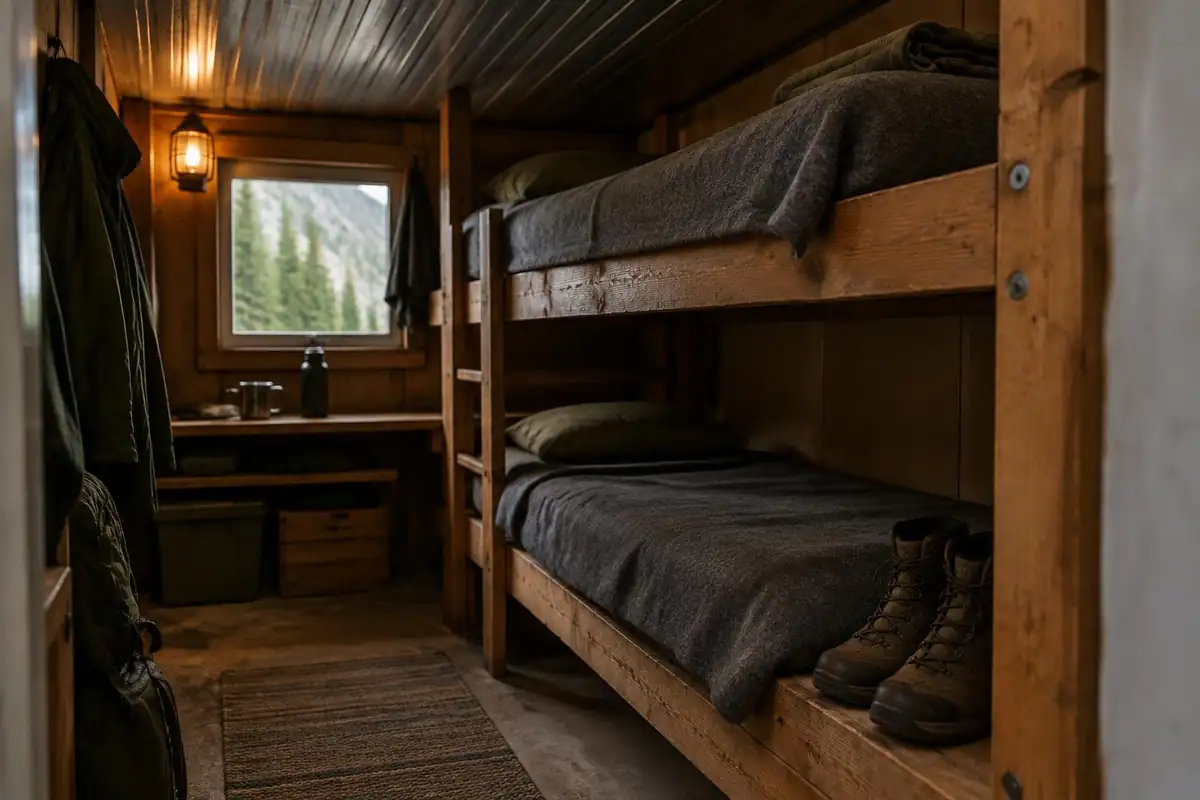
A coastal base means a day pack; the Washington Trails Association gives 25 to 30 liters as a good size for a full-day hike.7 A bivouac or refuge night means an overnight kit, and you must follow the park's zone and booking rules. Check what the refuge provides before you pack bedding.
Common questions
Do I need a permit to hike to the summit of Mount Teide?
Standing on the actual summit cone requires a free permit with limited daily numbers, booked in advance through the park's official system, and some other trails need authorization too. Check the park's reservations page and confirm current rules with the park office rather than planning around an early-start workaround.
Where can I stay near Mount Teide and Teide National Park?
The Altavista Refuge is a mountain refuge used mainly by hikers timing an early summit push; confirm its booking and availability. Free camping is not allowed in the park, and bivouac is permitted only in established zones above 2,500 meters (the park authorizes four bivouac areas). Away from the peak, Tenerife has hotels and vacation rentals island-wide, and a parador is often listed inside the national park, so confirm its status directly.
When is the best time to hike Mount Teide?
Mount Teide can be hiked year-round, but don't underestimate the altitude — this is genuinely cold terrain, and winter brings snow to the upper slopes. Whatever season you go, pack layers, check conditions before setting out, and remember temperatures at the summit can be dramatically different from those at sea level.
Complete gearsets for this trip
Full curated kits built for exactly this kind of hike — what to bring, why, and links to similar gear.
Lodging details are compiled from official parks, refuge associations and reservation systems and can change without notice. We publish no prices, availability or ratings — always confirm current information on the official site before booking or setting out. Product links and the accommodation map are affiliate links: we may earn a commission at no extra cost to you; product prices and availability are shown on Amazon, and accommodation prices on the booking site. See our affiliate disclosure.