
Affiliate disclosure: this page contains affiliate links. Purchases made through them may earn us a commission at no extra cost to you. See our affiliate disclosure.
In plain English
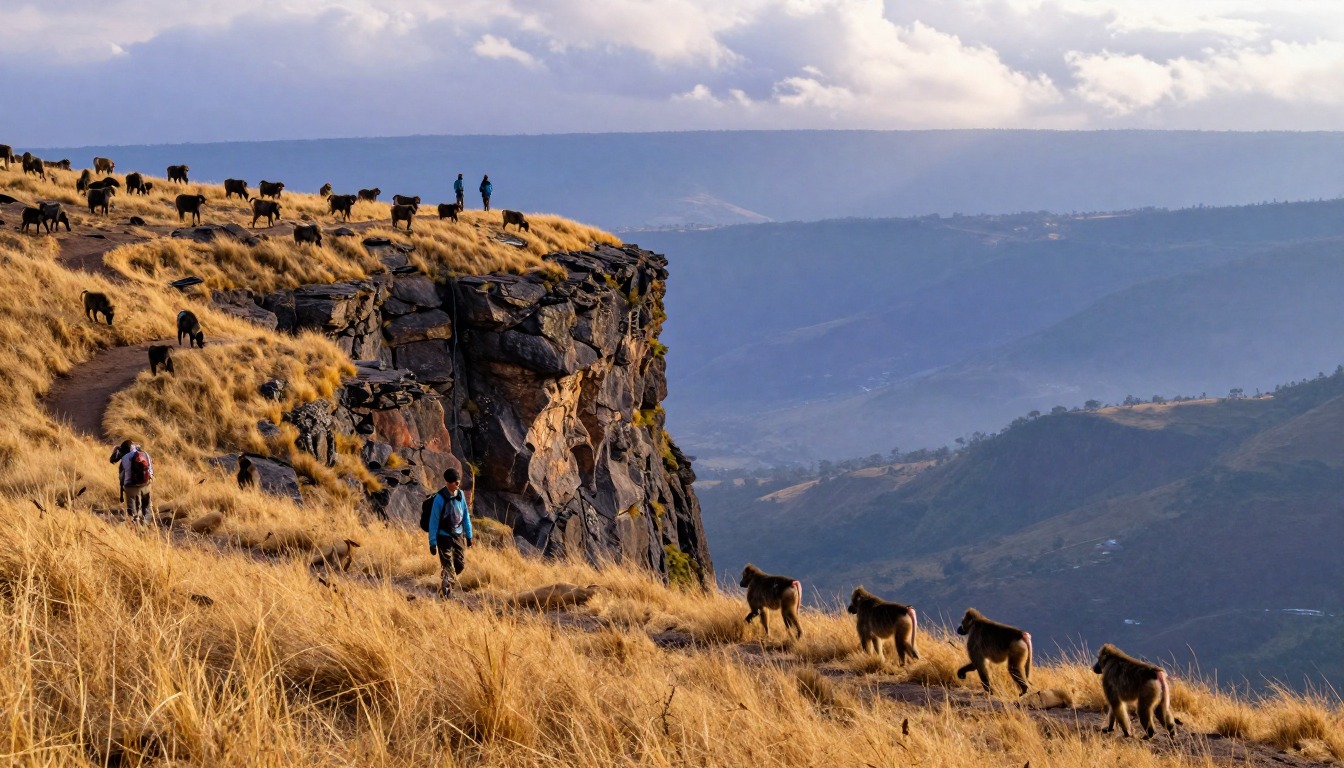
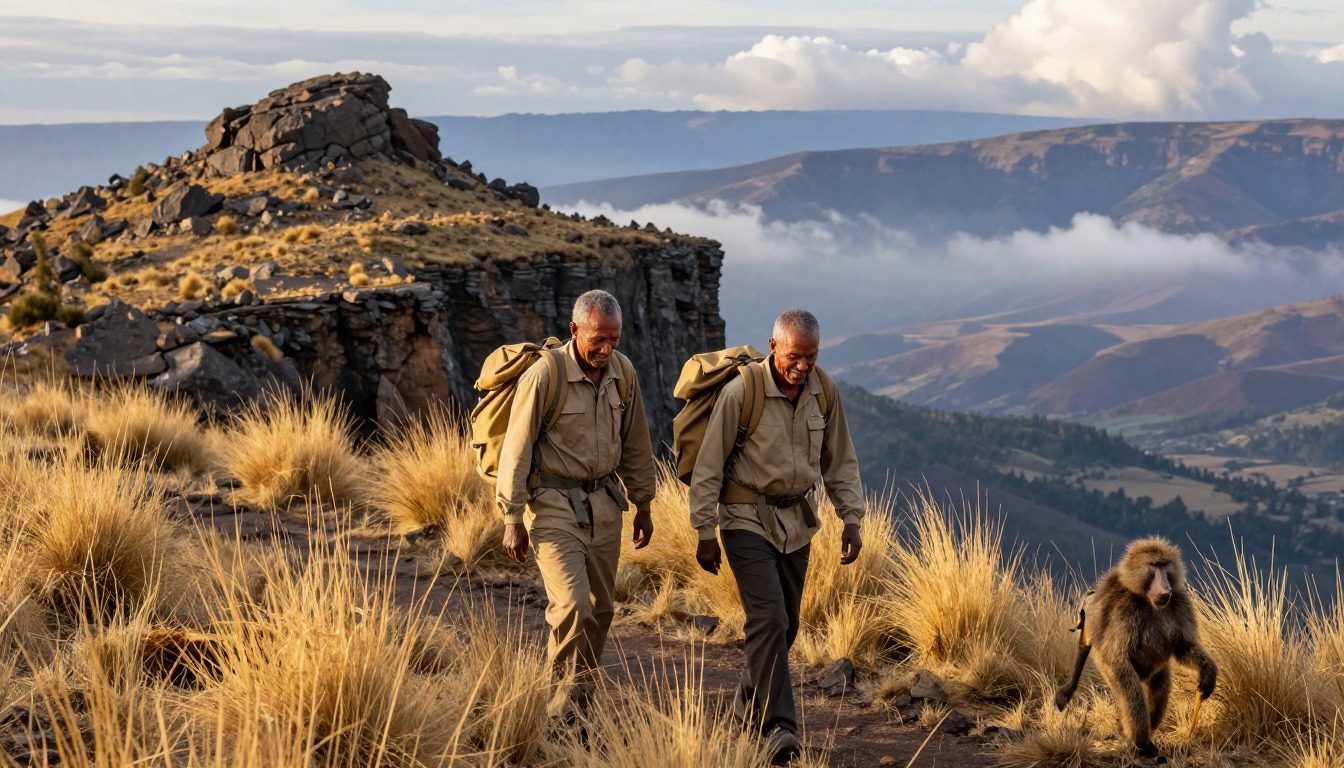
The Simien Mountains trek follows the edge of a high plateau. The ground is mostly gentle, rolling grass, so the walking feels easy. But you are very high, so easy paths can still leave you out of breath. On one side there are huge cliffs falling away to the lowlands.
Because it is high, take your time and drink plenty of water. If you get a headache or feel sick, tell your guide early. Do not try to hide it.
Most people go with a guide and camp with support, so your daypack holds what you need for the day: water, warm layers, sun protection and a rain jacket. Weather and sun are both strong up there. Keep a safe distance from wildlife such as the gelada monkeys that graze near the path, and never feed them.
What the hike is like
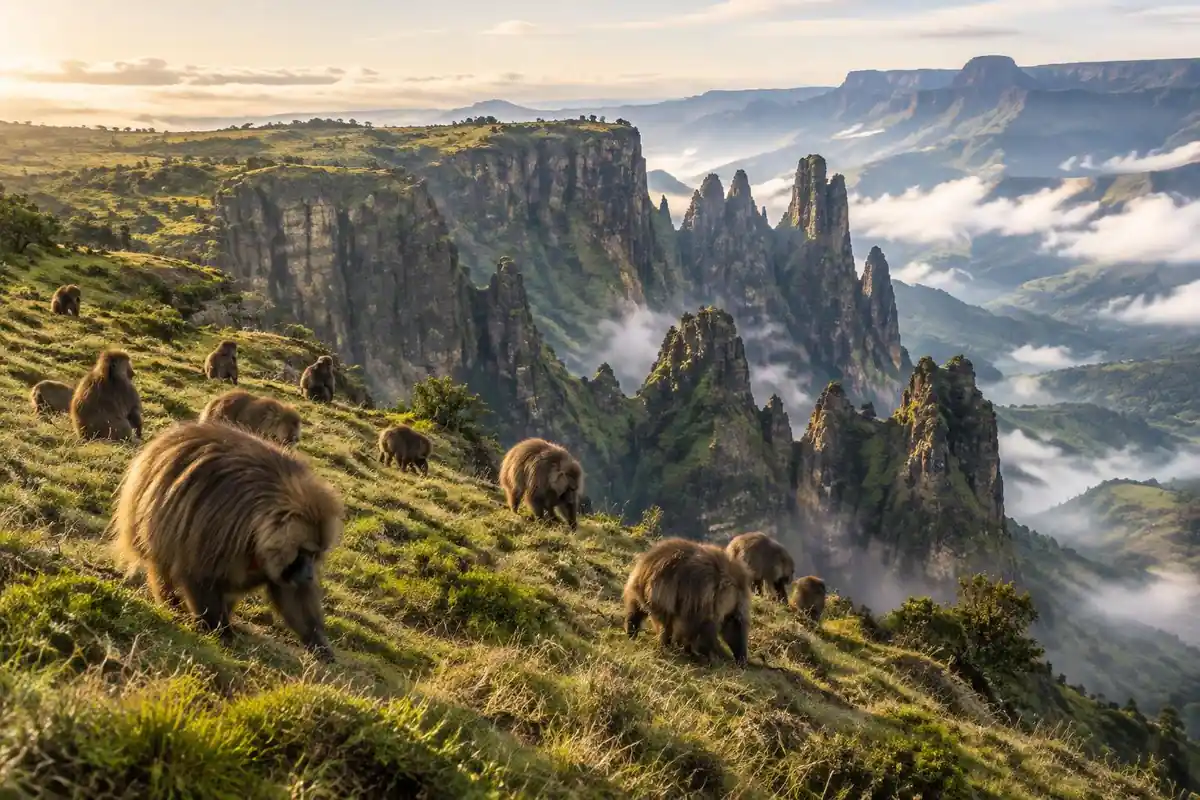
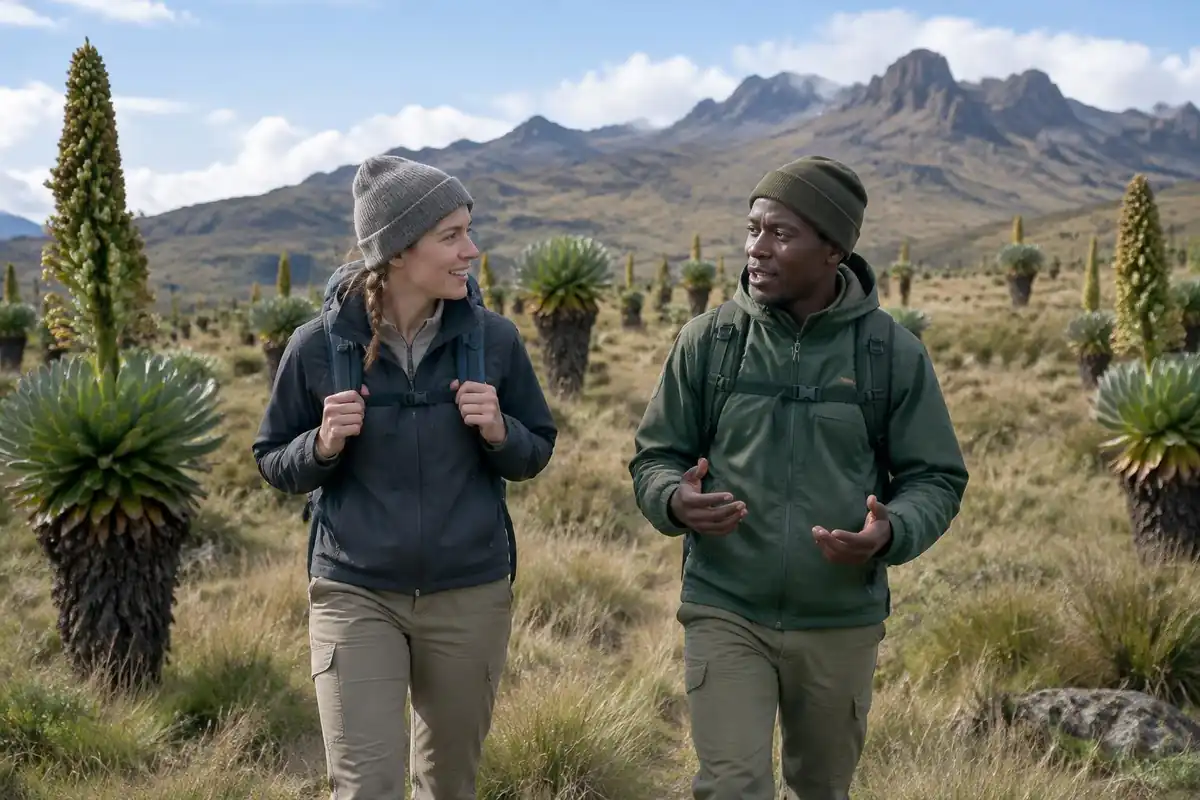
Simien trekking is escarpment walking: long days following the rim of a high plateau on grassy, well-worn paths, with the ground simply ending a few strides to one side and falling away in tiers of cliff to the lowlands. Gradients are mostly gentle — this is rolling, open country rather than sustained climbing — but the whole thing happens high enough that easy-looking terrain still leaves you breathing hard. The trail weaves between grassland, low scrub and the occasional stand of giant lobelia, dips into and out of side valleys, and periodically climbs onto a ridge for another view along the escarpment. Gelada troops graze right beside the path, unbothered by walkers. Longer itineraries leave the rim to climb toward the range's higher summits, where the ground turns rockier and thinner.
How to plan the itinerary
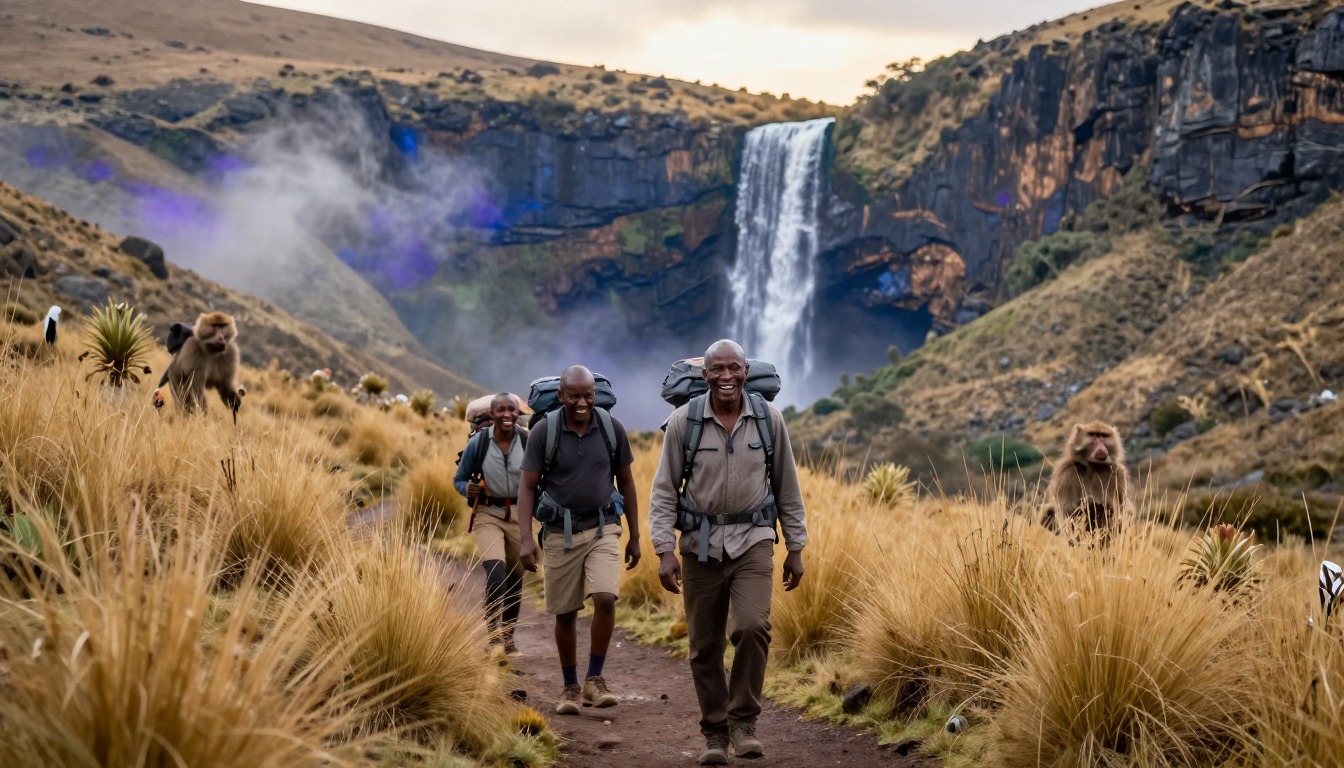
Almost everyone walks this as an organized trek with an operator-arranged guide; the Ethiopian Wildlife Conservation Authority says all visitors must be accompanied by a licensed scout, arranged through the park office, and itineraries run anywhere from a short taster of a couple of days along the most scenic stretch of rim to a longer crossing that reaches the higher peaks. Days tend to be moderate walking hours between designated community campsites, with mules carrying camp gear and a support vehicle meeting the group at road crossings on many itineraries — which means you can often adjust the trek's length mid-trip more easily than on a committing wilderness route. Longer versions build in an extra night higher up before a summit day. A night in Debark before starting is standard while permits and staff are sorted.
Plan this trip in 5 steps
-
Pick the right pack
Match a pack to your trip, fit and priorities.
-
Plan food & water
Calories, food weight and water for your days on trail.
Trail-specific tips
Pack for cold, not for Africa-as-you-imagined-it: the plateau sits high, nights drop sharply once the sun goes, and camps are exposed. Sun protection matters just as much during the day at that altitude. Keep a respectful distance from the geladas and don't have food out when a troop is close. The common misjudgment is assuming gentle gradients mean an easy trek — the altitude is what tires people here. Bring small notes for tips and local fees. General altitude pacing is covered on /trail-smarts/.
Permits & rules
Park rules require a licensed scout (a guide is optional), arranged with the park office in Debark; most visitors book an organized trek. It’s a high, cold plateau — pack warm layers, and keep a respectful distance from the gelada baboons and other wildlife.
Gear suited to this hike
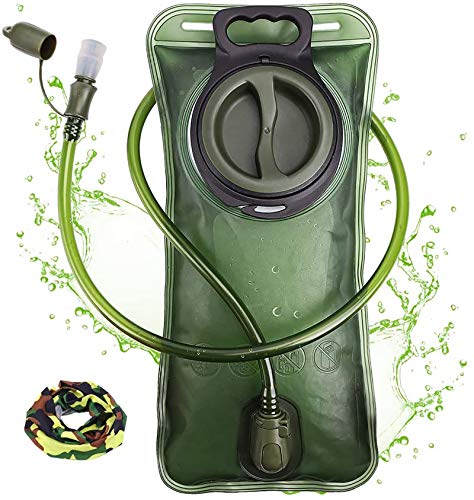
Matched to the terrain and conditions here. Real products — check current price on Amazon.



Easy terrain, real altitude
The page says gradients are mostly gentle but the whole trek happens high enough that easy terrain leaves you breathing hard. That fits the public-health picture. The CDC says any unacclimatized person sleeping at 8,000 feet or higher is at risk of altitude illness and that physical fitness and training do not protect against it.4 The 2025 review of Wilderness Medical Society guidance likewise notes increased risk above 2,500 meters.1
The CDC says headache is the main symptom and never to go higher to sleep while having symptoms, however mild.4 The page says itineraries can be shortened mid-trip because road crossings and mules give options. That flexibility is genuinely useful here, because the safest response to altitude symptoms is to stop climbing and go lower.
Scouts, guides and permits: what is and is not confirmed
The Ethiopian Wildlife Conservation Authority says all visitors must be accompanied by a licensed scout; older guides sometimes describe an armed scout as well, which we could not confirm. Confirm requirements, fees and current security advice directly with the park office and your government's travel advice before you book.
The Park Service's general guidance is a useful template regardless of local rules: leave a trip plan with someone not on the trip and set a turnaround time.5 Search and rescue can take hours or days depending on weather and resources, and a whistle helps rescuers find you.3
Exposure, cold and wildlife on the rim
The rim is open and high. The EPA says UV intensity increases about 6 percent per kilometer above sea level and that overcast skies still transmit about 31 percent of UV.2 The CDC says hypothermia can develop even in cool temperatures above 40 degrees Fahrenheit if a person is chilled by rain, sweat or cold water, so pack for cold, wind and rain even on clear mornings.6
The page says troops of gelada monkeys graze right beside the path. General wildlife guidance from the National Park Service is to observe animals from a distance and never feed them.7 Keep food closed in your daypack, especially near troops that are used to walkers.
Common questions
Why is a scout required?
The Ethiopian Wildlife Conservation Authority says all visitors must be accompanied by a licensed scout, arranged through the park office alongside your permits. The scout accompanies the group throughout. In practice most visitors barely notice it as anything other than an extra person walking with them, but it does mean independent, unaccompanied trekking isn't an option here.
How difficult is the walking?
Moderate in terms of terrain — mostly good paths on rolling open ground, with few steep or technical sections on the standard rim routes. Altitude is the real factor: the plateau is high enough that ordinary walking feels harder than it should. Anyone comfortable with consecutive days of hill walking should manage the shorter itineraries.
Will I definitely see gelada baboons?
Sightings are common along the escarpment, where troops graze in the open close to the trails, and most trekkers encounter them. Nothing with wildlife is guaranteed, but the geladas here are notably relaxed around people. Watch from a distance, stay seated or still if a troop moves past, and let them set the terms of the encounter.
Do I camp or can I stay in a lodge?
Both exist. Most itineraries use designated community campsites along the escarpment, with your operator handling tents and camp logistics. A small number of lodges in and around the park let you trade the tent for a roof on some nights, which shapes the route you can take — worth discussing with your operator when you book.
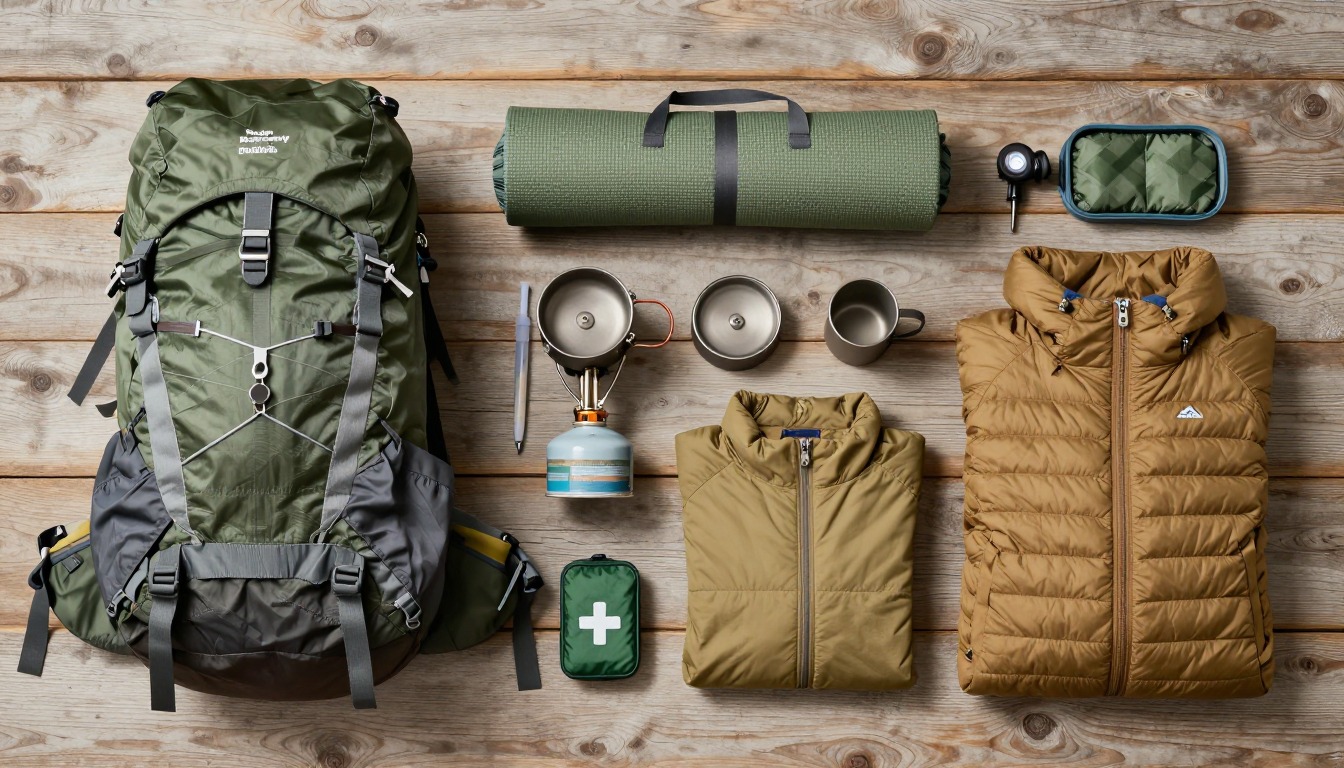
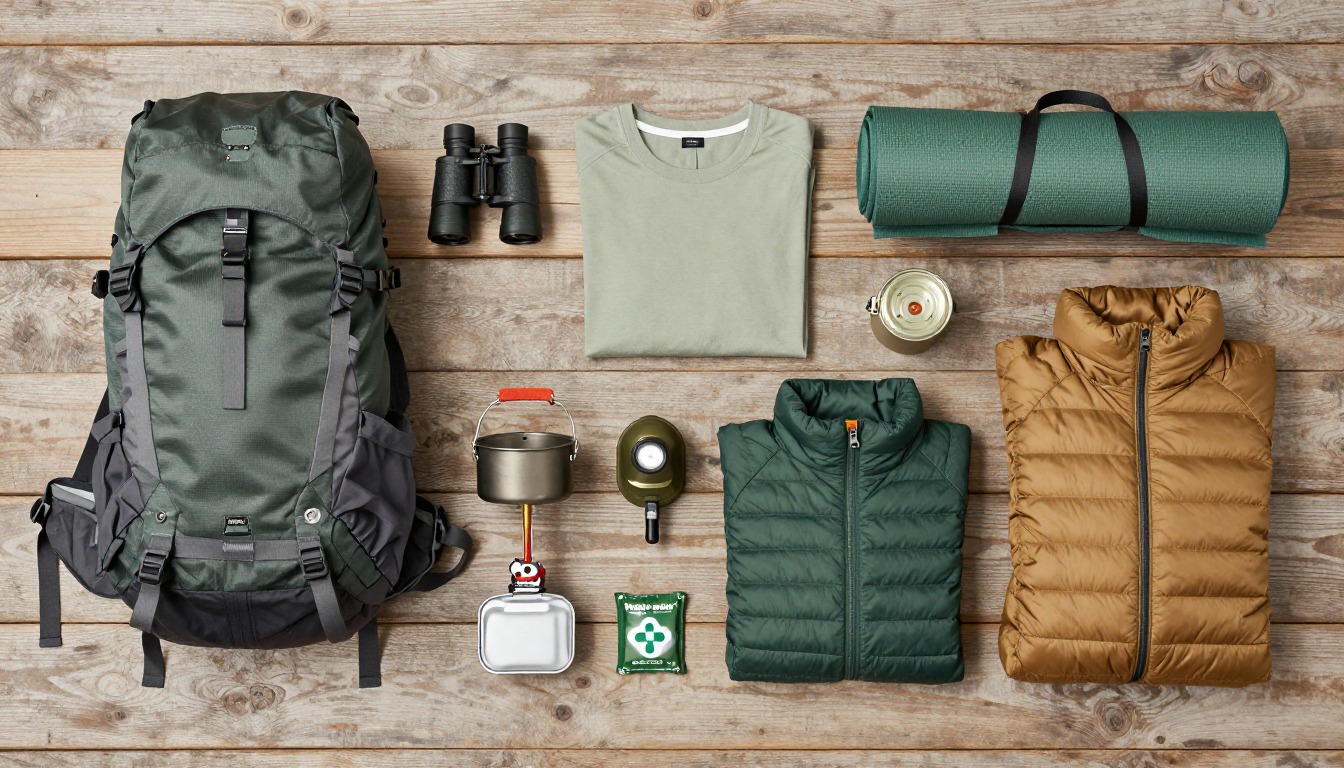
Complete gearsets for this trip
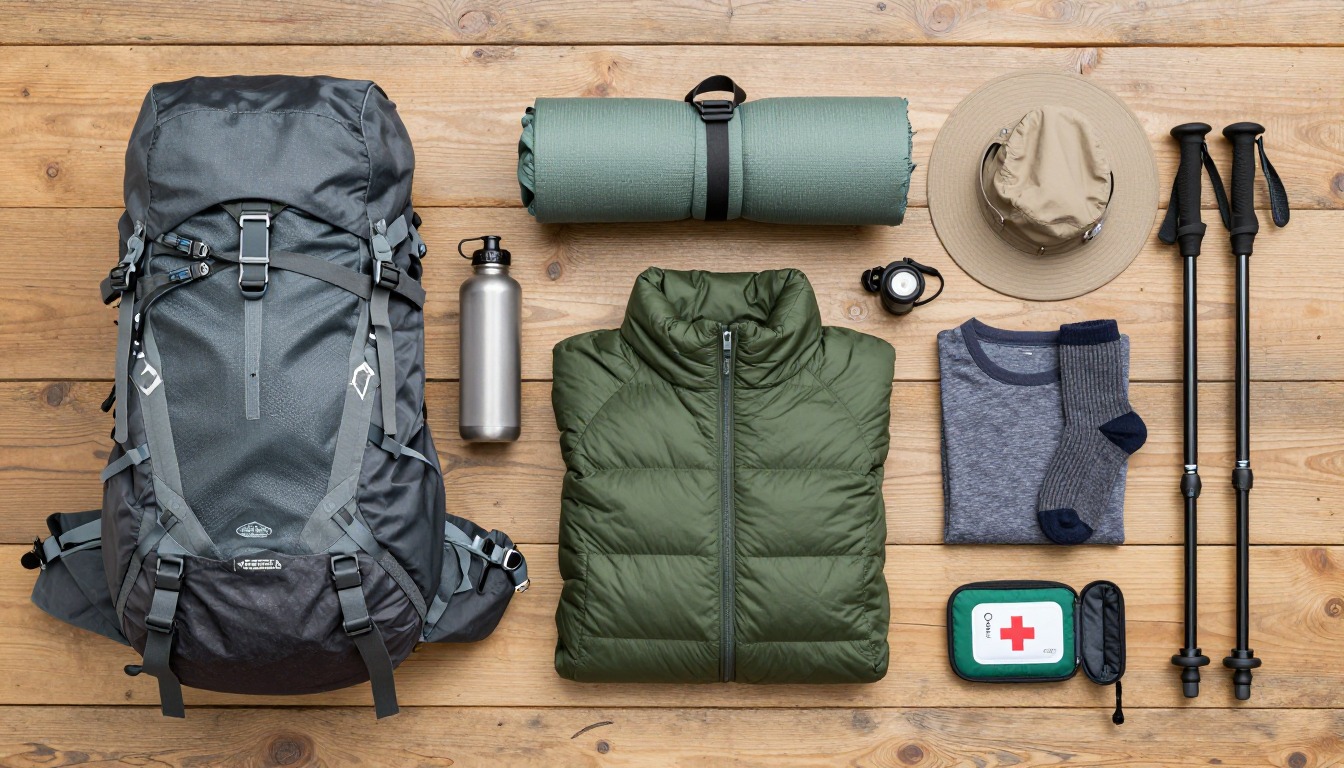
Full curated kits built for exactly this kind of hike.
Trail conditions, permits and access rules change without notice — always confirm current information on the official source above before you go. Some facts on this page are still pending owner verification and are marked accordingly. Product links and the accommodation map are affiliate links: we may earn a commission at no extra cost to you; product prices and availability are shown on Amazon, and accommodation prices on the booking site. See our affiliate disclosure.