
Affiliate disclosure: this page contains affiliate links. Purchases made through them may earn us a commission at no extra cost to you. See our affiliate disclosure.
In plain English
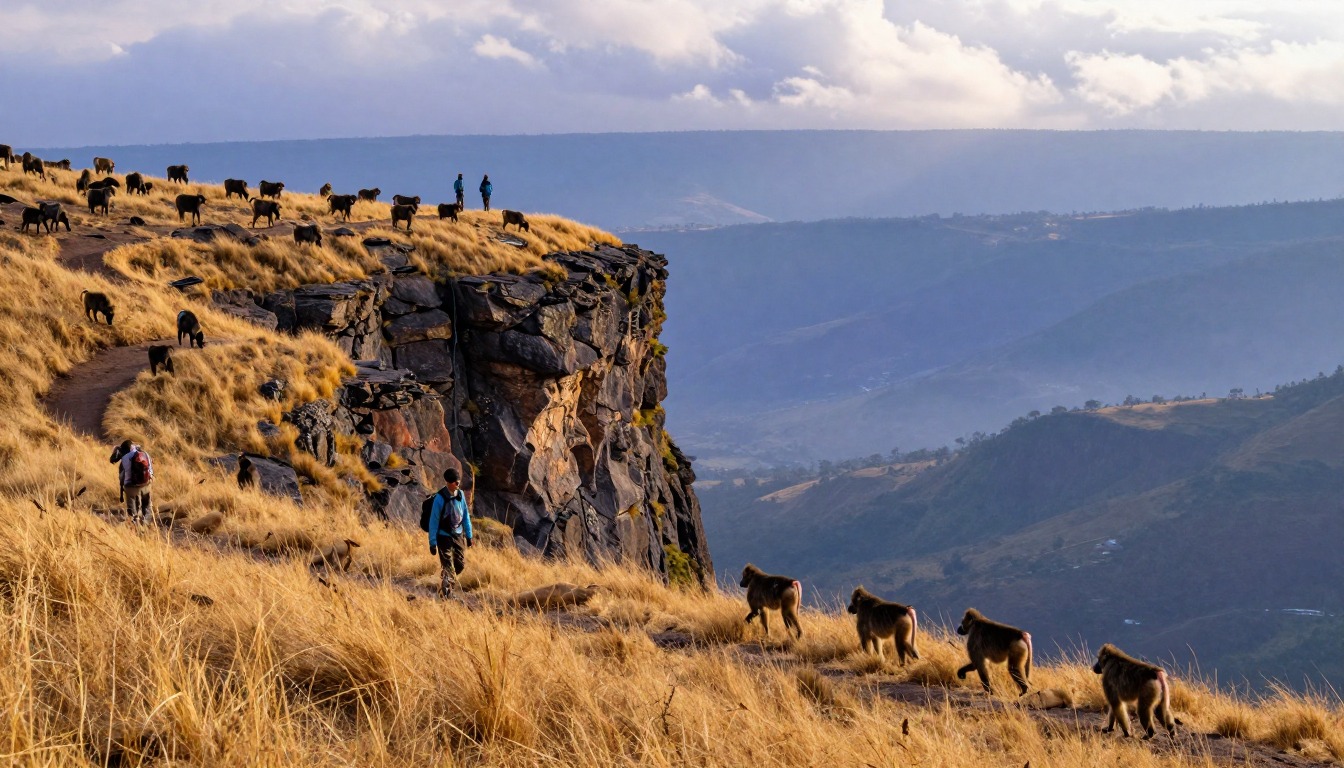
The Simien Mountains are a high, cold plateau in northern Ethiopia with steep cliffs on one side. You sleep either in a campsite on the plateau or in one of a few lodges, and your trekking company arranges it. Camping means waking up beside the cliff edge, but it also means real cold at night.
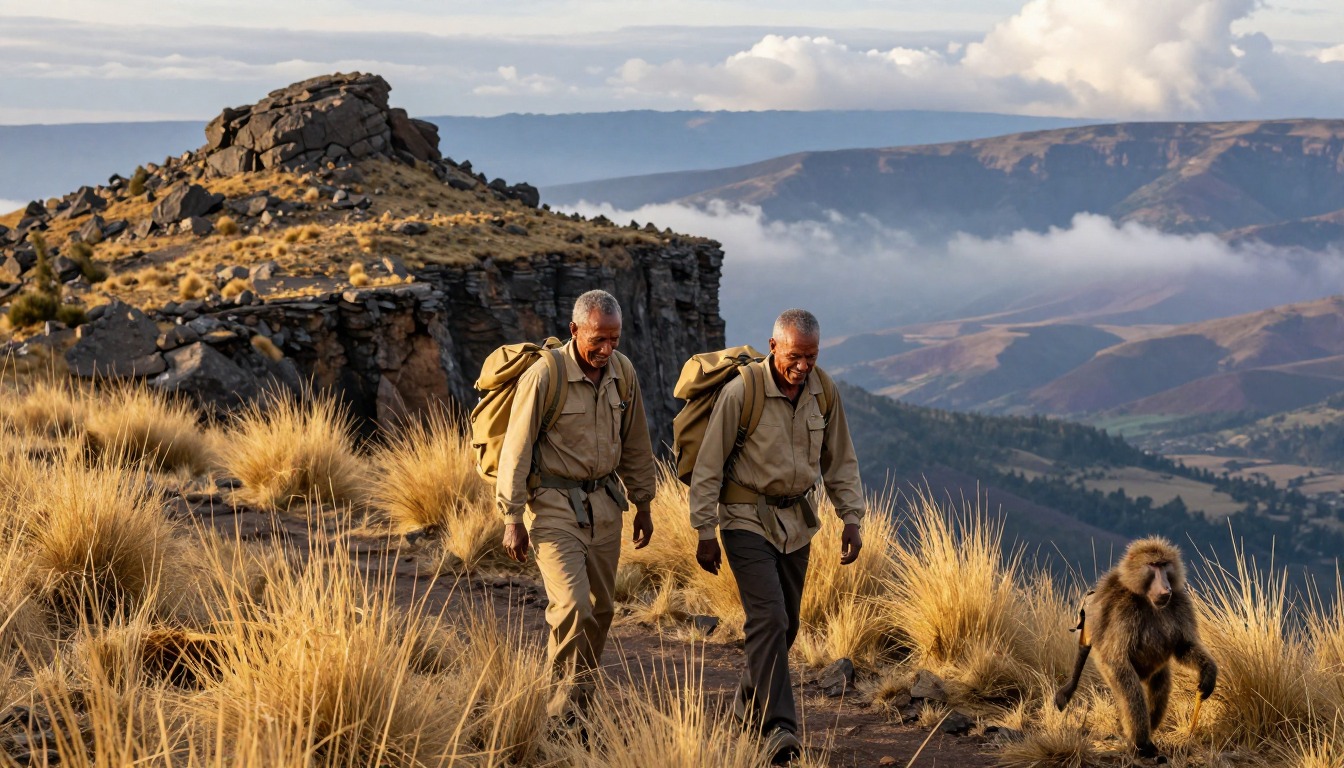
Ethiopia's national wildlife authority, EWCA, says the park's highest point reaches 4,550 meters and that acclimatization is recommended. It also says temperatures drop below freezing at night and that visitors must be accompanied by a licensed scout.1 Think of the scout as a required local escort who knows the terrain and the wildlife.
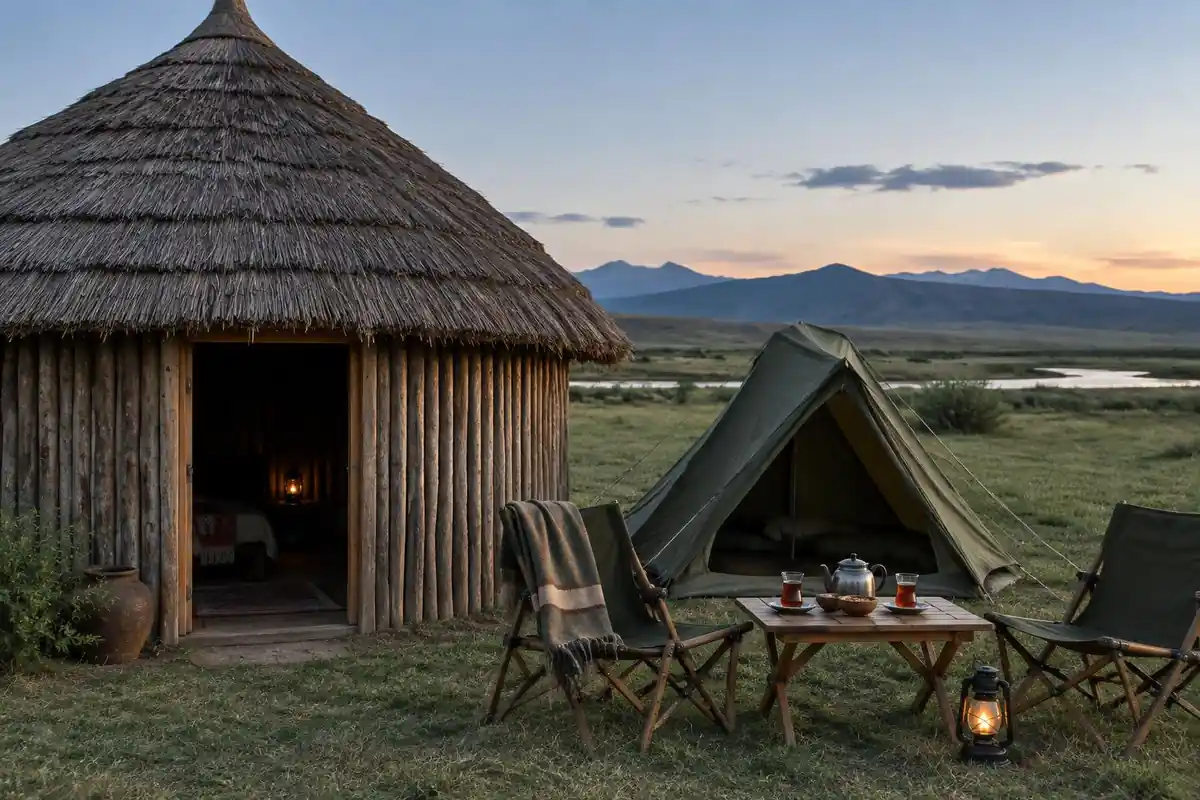
So the lodging question is mostly a warmth question. A tent on a cold plateau will not keep you warm by itself. What keeps you warm is a good sleeping bag, a sleeping pad that insulates you from the ground, and dry layers. Unlike a hut trek, there is usually no warm common room waiting for you at the end of the day, so plan your gear as if you will be cold.
The Simien Mountains, a UNESCO-listed escarpment trek in Ethiopia's northern highlands, is best known for its dramatic cliff-edge trails and the gelada baboons that graze right along the path. Because EWCA says all visitors must be accompanied by a licensed scout, almost everyone books an organized itinerary rather than hiking solo, and where you sleep — a designated community campsite on the escarpment, or one of the few lodges in and around the park — is arranged as part of that package.
Why hike here
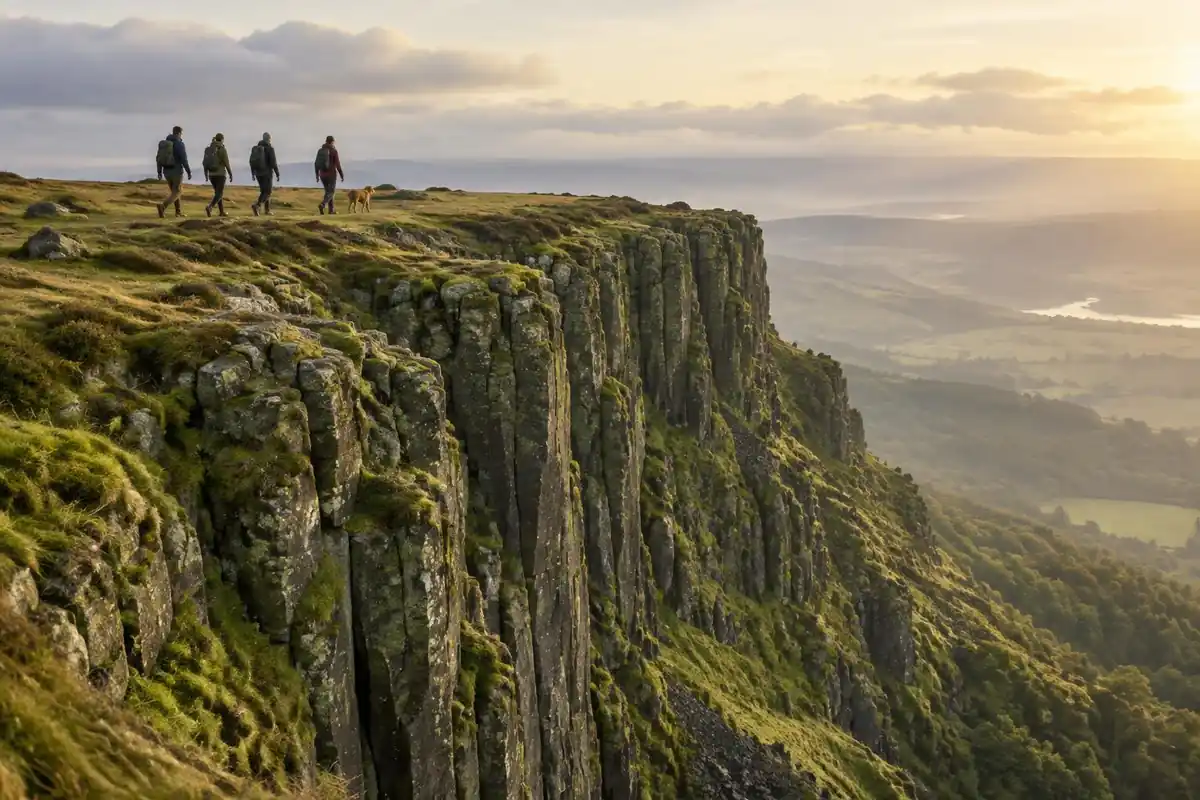
What sets the Simien Mountains apart is the drop beneath your boots — trails run along the rim of a high plateau that falls away in sheer cliffs to the lowlands far below, so the scenery is as much about exposure as elevation. Gelada baboons, a species found nowhere else on Earth, graze in troops right beside the trail, calm around hikers, which makes this one of the few treks anywhere with that kind of close, everyday wildlife encounter. The escarpment rolls on ridge after ridge, and camping out on it means waking up with the cliffs and highland light right outside the tent. This is a stark, cold plateau rather than a lush one, and that starkness is a big part of its character.
Getting there
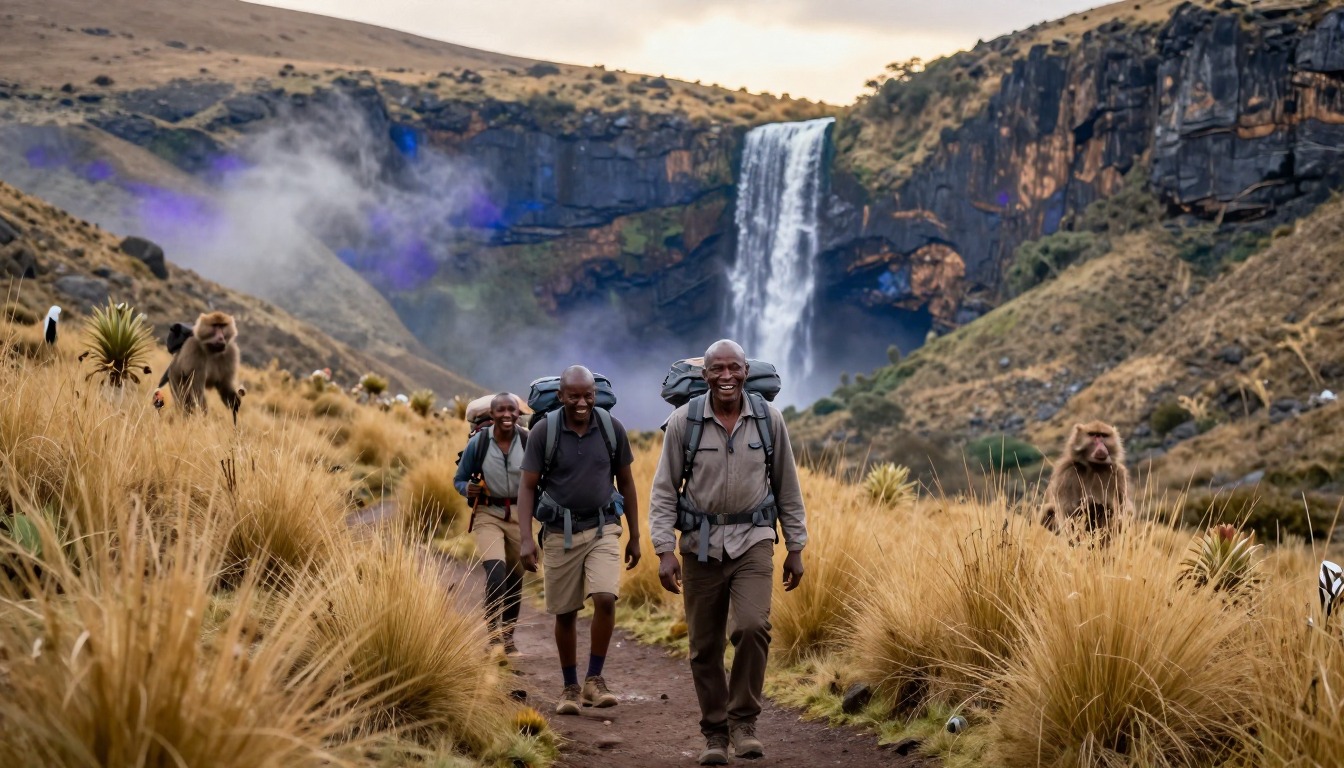
Access to the Simien Mountains runs through Debark, the small highland town where the park office issues permits and assigns your required scout. Most hikers fly into Ethiopia's main international gateway, then connect on a domestic flight to Gondar, the nearest city with regular air links to the highlands. From Gondar, it's a road transfer to Debark, and from there your trekking operator handles the final drive to the trailhead. Because permits and staffing are arranged through the park office and your operator, this isn't a trip most people put together entirely on their own.
Where to stay
The realistic options, closest-to-the-trail first. Book through the official links — we don't list prices or availability because they change all the time.
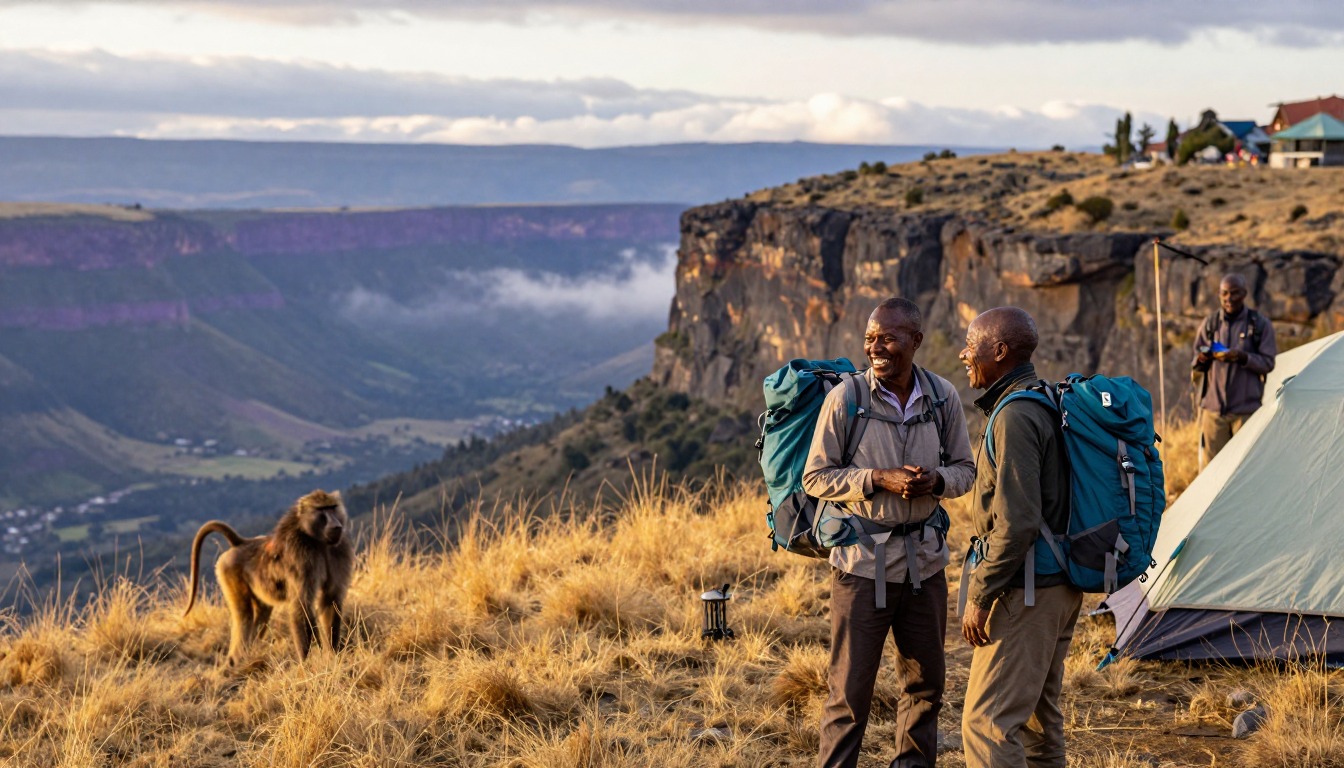
For example: Designated campsites along the escarpment, set up as part of an organized trek
Most trekkers — you camp high on the plateau with your crew.
A licensed scout is required; trips are organized in Debark.
Booked through a licensed operator (via Debark)For example: A small number of lodges in and around the park for those who prefer a roof
Trekkers wanting a bed instead of a tent on some nights.
Options are limited; your operator arranges lodge or camp nights.
Lodge lodging (via operator)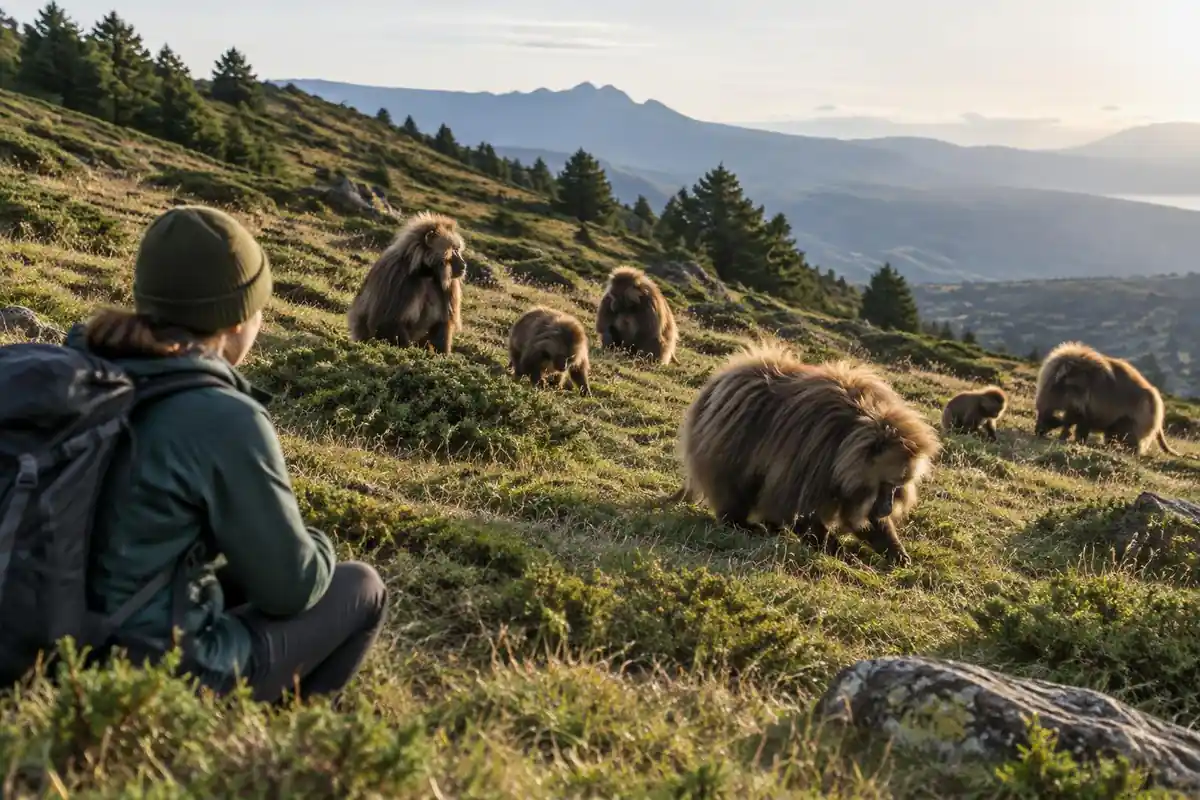
Permits & rules
Park rules require a licensed scout (a guide is optional), arranged with the park office in Debark; most visitors book an organized trek. It’s a high, cold plateau — pack warm layers, and keep a respectful distance from the gelada baboons and other wildlife.
Gear you'll want for this trip
Matched to the terrain and conditions here. Real products — check current price on Amazon.


What the park authority says about scouts and altitude
EWCA's Simien Mountains National Park page describes the park as a UNESCO World Heritage Site established in 1969 covering 412 square kilometers in the Amhara Region, with Ras Dashen at 4,550 meters.1 Its visitor notice says all visitors must be accompanied by a licensed scout, altitude can reach 4,550 meters and acclimatization is recommended, temperatures drop below freezing at night, and visitors should keep a safe distance from wildlife.1 Some guides go further, saying a licensed guide and an armed scout are both required. EWCA's notice mentions a licensed scout only, so treat the guide-plus-armed-scout wording as unconfirmed and check exact requirements with the park office and your operator.
The best time to visit, according to EWCA, is October to March, the dry season, when the landscape is green after the rains and wildlife is most active in early morning and late afternoon.1 That matches the page's dry-season advice. Confirm permits, scout arrangements, lodging and any closures with EWCA or the park office before you travel.
Altitude and sleeping high
At about 14,900 feet, the park's highest point is well above the 8,000 feet at which the CDC says any unacclimatized person sleeping is at risk of altitude illness.3 The CDC also says fitness does not protect against altitude illness, that above about 9,850 feet sleeping altitude should rise no more than about 1,600 feet per day with an extra acclimatization day per 3,300 feet, and that you should never go higher to sleep while having symptoms.3 EWCA's own recommendation to acclimatize fits that guidance.1 When you compare itineraries, look at the sleeping altitude night by night, not only the highest point reached.
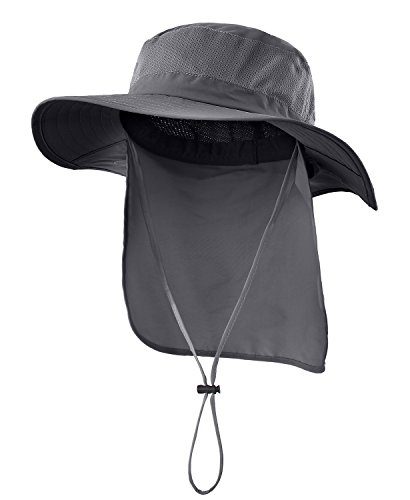
Sun at altitude is stronger, too. The EPA says UV intensity increases about 6% per kilometer of elevation, and overcast skies still transmit about 31% of UV.4 Sun protection matters on an open plateau even on cool days.
Warmth: the real lodging decision
Because nights drop below freezing, the sleeping system does what a hut would do elsewhere. NEMO explains that the ISO comfort rating is where an average woman sleeps comfortably not curled up, the limit rating is where an average man stays in balance curled up, and the extreme rating marks serious risk of death from hypothermia within hours and is not a target.2 Big Agnes suggests a pad with an R-value of 5 or higher for sleeping on snow or frozen ground, and Therm-a-Rest notes that a higher R-value means better resistance to heat flow.5,6 Ask your operator what bags and pads are supplied and what they are rated for.
The CDC lists hikers among people at higher risk of hypothermia and notes it can develop above 40 degrees Fahrenheit if a person is chilled by rain, sweat or cold water.7 Respecting wildlife is also part of camping here. The National Park Service's Leave No Trace guidance is to observe wildlife from a distance and never feed animals, which matches EWCA's notice.8 Store food out of reach of animals, and follow your scout's directions.
Common questions
Do I need a guide to hike the Simien Mountains?
EWCA's notice says all visitors must be accompanied by a licensed scout, arranged through the park office in Debark; confirm with the park office and your operator whether a separate guide is also required. Because of this, most visitors book an organized trek through a tour operator rather than trying to arrange permits and staff independently once they arrive in the highlands.
Where do you actually sleep on the trek?
Along the escarpment, trekkers stay at designated community campsites set up specifically for the route, with your operator handling tents and camp logistics. If you'd rather not camp, a small number of lodges in and around the park offer a roof instead, and your operator can arrange either camp or lodge nights depending on your itinerary.
When's the best time to go, and what should I pack?
October through March is the dry season and the most reliable window for clear trails and views. Even then, the Simien plateau sits high and cold, so warm layers matter as much as anything else in your pack. It's also worth keeping a respectful distance from the gelada baboons and other wildlife along the way.
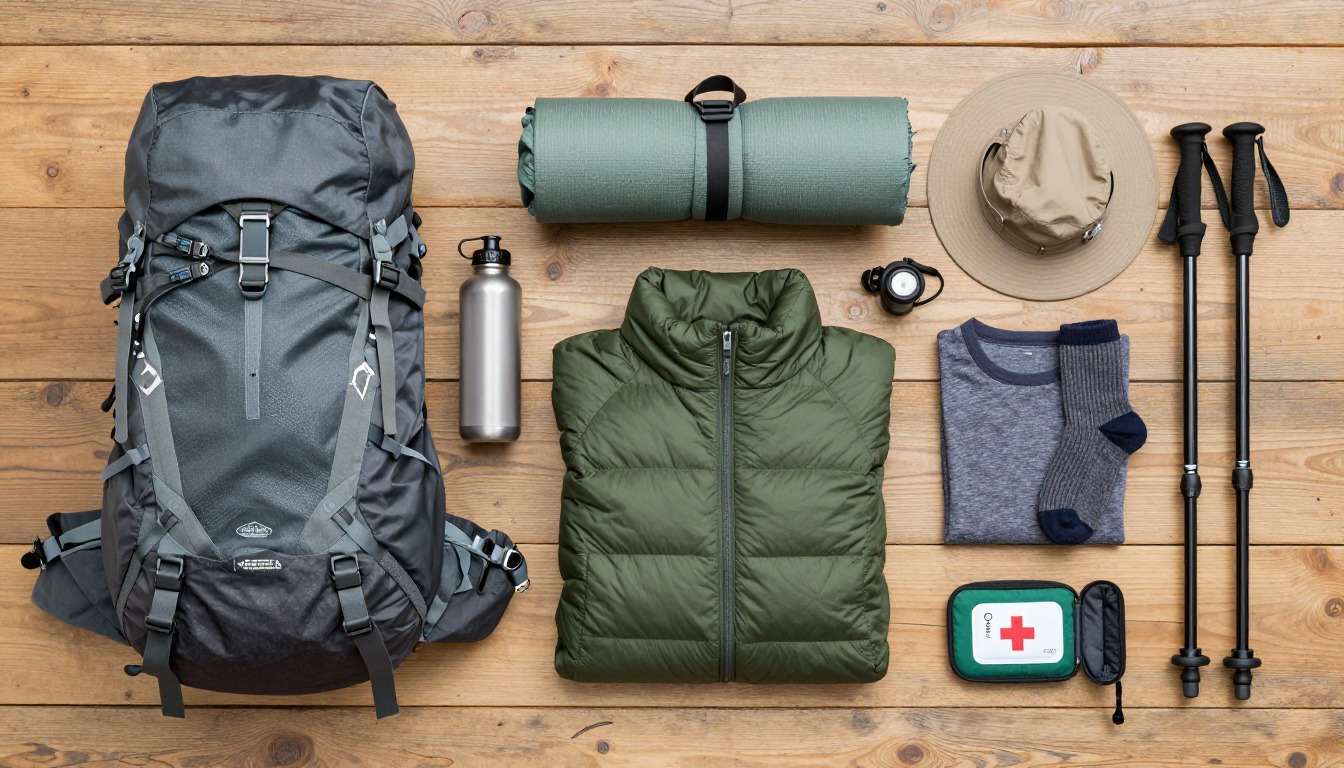
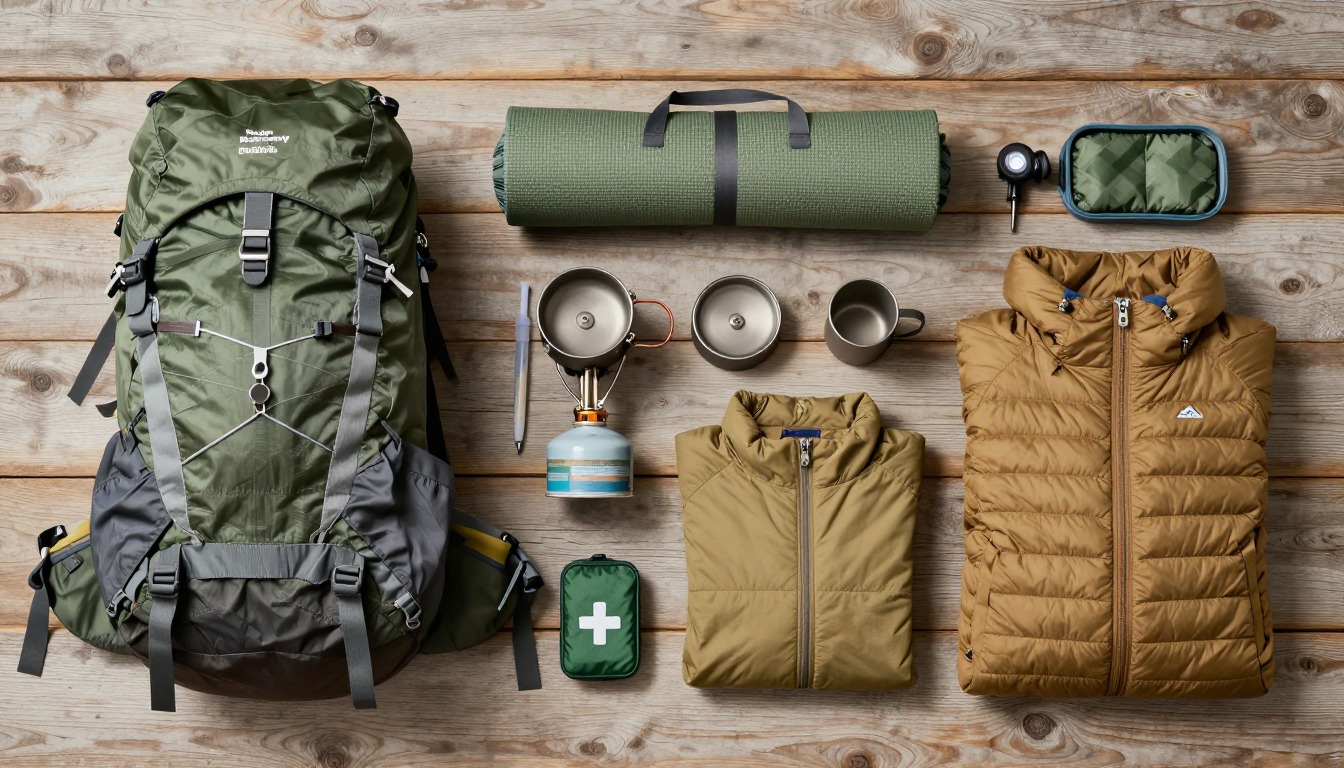
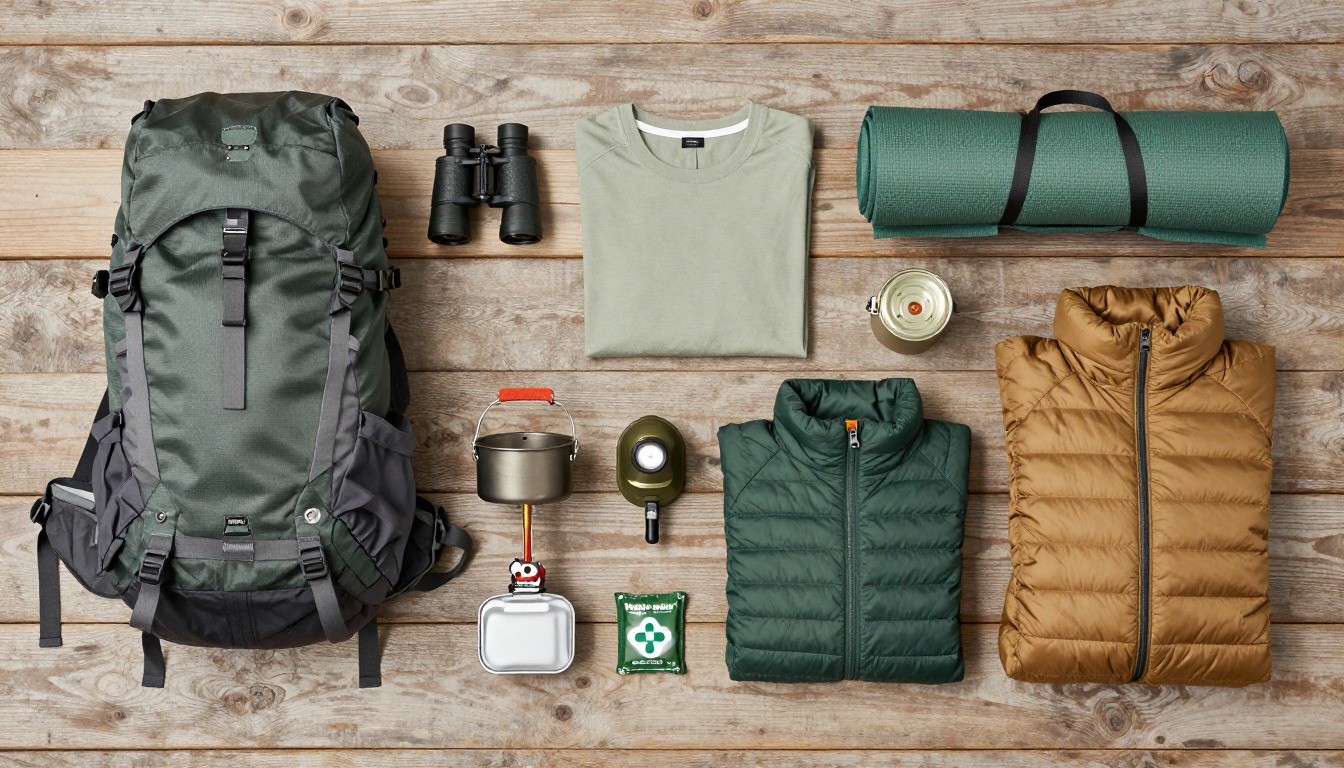
Complete gearsets for this trip
Full curated kits built for exactly this kind of hike — what to bring, why, and links to similar gear.
Lodging details are compiled from official parks, refuge associations and reservation systems and can change without notice. We publish no prices, availability or ratings — always confirm current information on the official site before booking or setting out. Product links and the accommodation map are affiliate links: we may earn a commission at no extra cost to you; product prices and availability are shown on Amazon, and accommodation prices on the booking site. See our affiliate disclosure.