
Affiliate disclosure: this page contains affiliate links. Purchases made through them may earn us a commission at no extra cost to you. See our affiliate disclosure.
In plain English
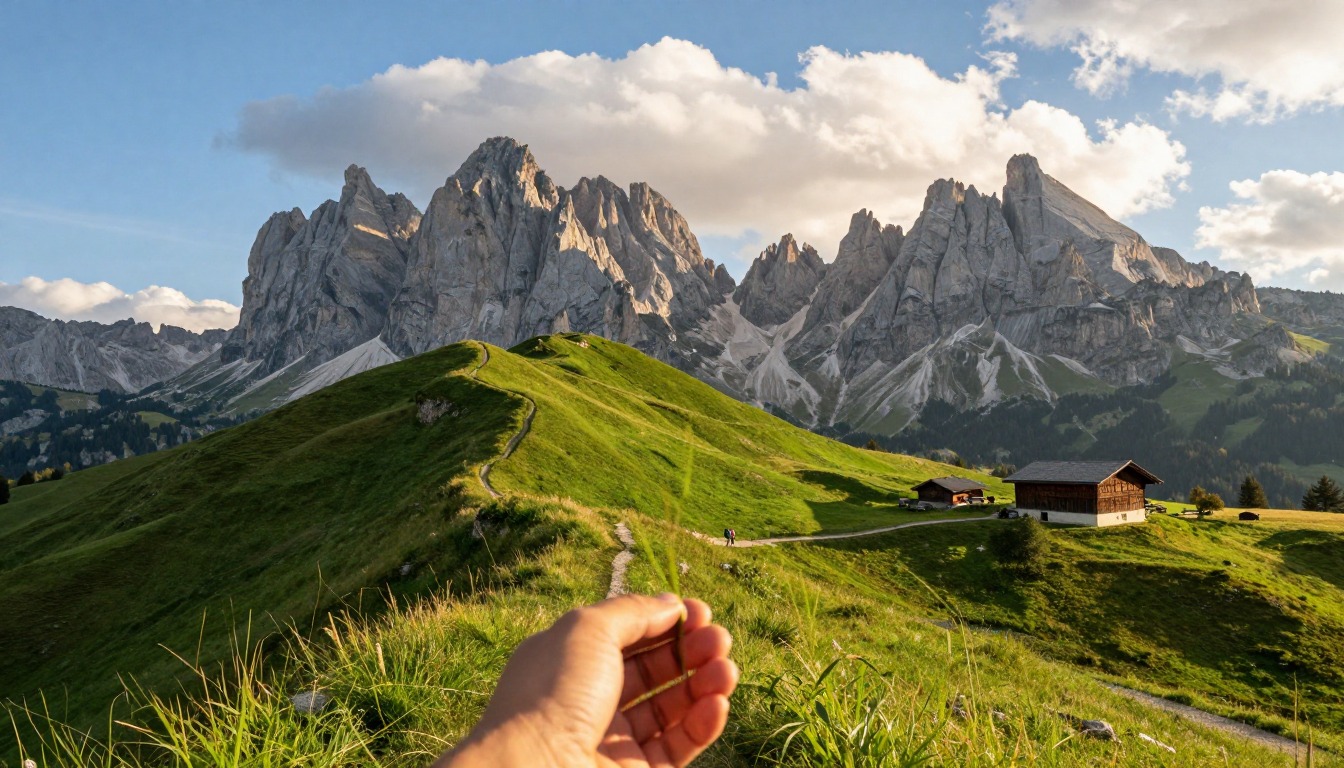
The lifts here do the hard part. You ride up, then walk across broad slopes rather than climbing them. That is why this is such a friendly Dolomites day, and why it suits a light pack.
But an easy walk on open ground still has rules. The last lift down is your deadline. Weather can change quickly on open ridges, and the sun is stronger up high than in the valley. You are also far from a road, so you carry what you need: water, food, a warm layer and a rain jacket.
Because paths cross often and huts sit along the way, it is easy to wander further than planned. Choose a turning-back time before you start, keep an eye on the lift schedule, and check the weather that morning.
What the hike is like
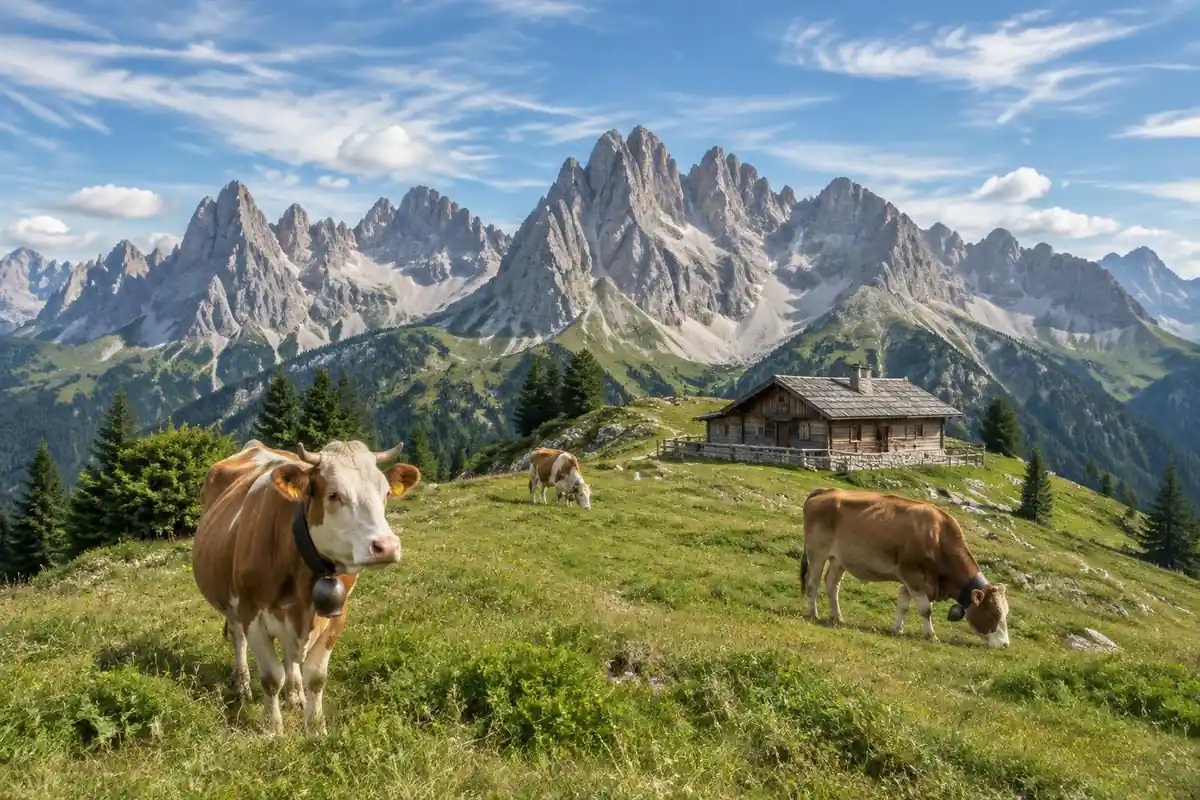
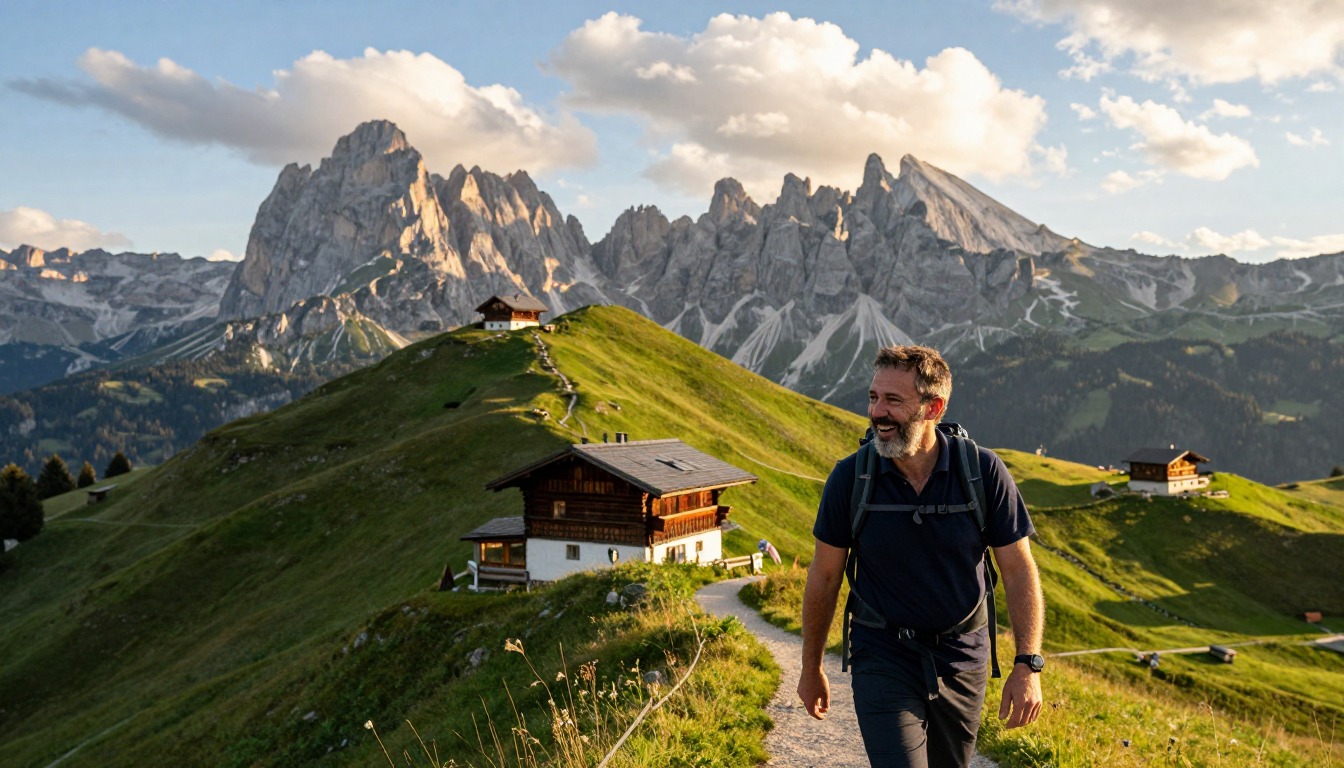
Because the lifts do the climbing, the walking here is mostly traversing rather than ascending, which changes the whole character of a Dolomites day. Step out at the Seceda ridge station and you are immediately on tilted grassland beneath the Odle spires, with broad, well-graded paths running along the crest and numbered signposts at every junction listing onward huts. The Alpe di Siusi is gentler still — rolling meadow crossed by wide gravel farm tracks, cattle fences, and gates, open enough that you can see your route for a long way ahead. Harder variants exist: connecting paths that drop steeply off the ridge back into Val Gardena, and rockier trails closer beneath the spires where the ground turns loose and stony. The standard routes involve no scrambling and very little exposure.
How to plan the itinerary
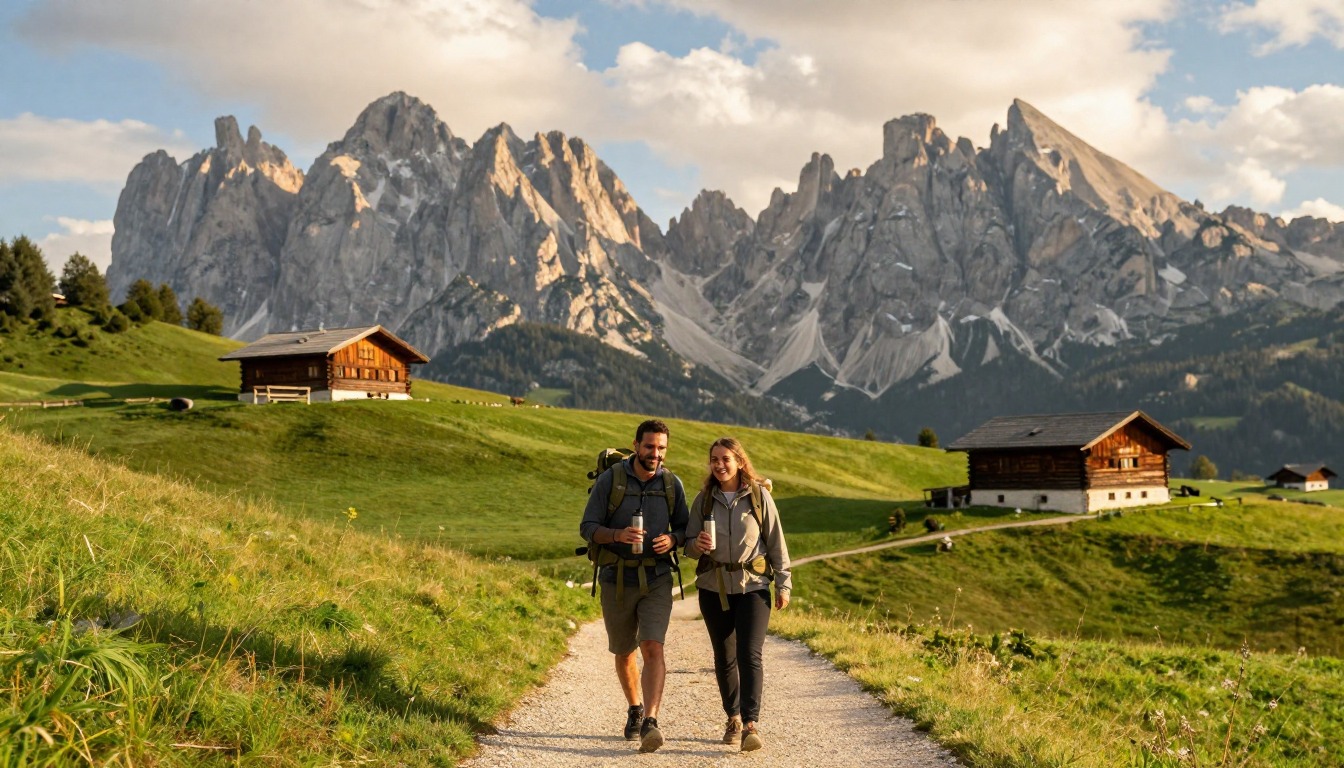
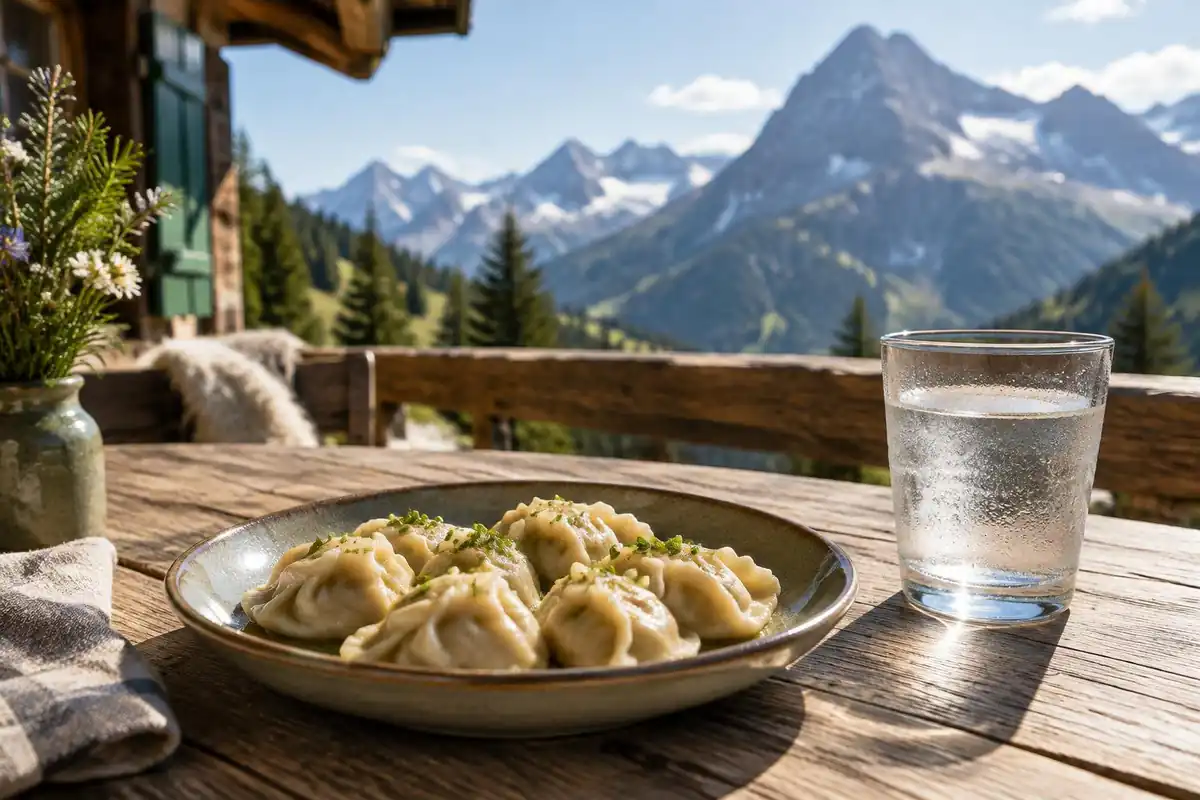
Most visitors treat Seceda and the Alpe di Siusi as two separate day hikes from a valley base rather than trying to link them in one push. A common pattern is riding the first lift up to Seceda, walking the ridgeline while the morning light is on the spires, stopping at a mountain hut for lunch, and descending by lift in the afternoon. The following day goes to the Alpe di Siusi, where loops out across the meadow can be stretched or shortened at will, since the network of paths gives you repeated chances to turn back. Some strong walkers try to connect the two areas in a day using ridge paths and a second lift, so check the lift links and timetables first. In every version, the last lift down is the fixed point the day is built around.
Plan this trip in 5 steps
-
Pick the right pack
Match a pack to your trip, fit and priorities.
-
Book a place to stay
Campgrounds, huts and lodges near Seceda & Alpe di Siusi — Val Gardena.
-
Plan food & water
Calories, food weight and water for your days on trail.
Trail-specific tips
Check the closing time of your descent lift before you start walking, and treat it as a hard deadline — the alternative is a long, steep walk down into the valley that ruins an otherwise easy day. The meadow is far bigger than it looks, so distances read shorter on the map than they walk. Afternoon thunderstorms build quickly here even after a flawless morning, which is the real argument for an early first lift. Wind on the ridge is cold regardless of the valley temperature, and shade is scarce in the meadow. General alpine prep lives at /trail-smarts/.
Permits & rules
No permit is needed. Lifts do most of the climbing, so these are gentle high-meadow walks by Dolomite standards — but the weather up top is still alpine, and afternoon storms build fast, so start early and pack a warm, waterproof layer.
Gear suited to this hike
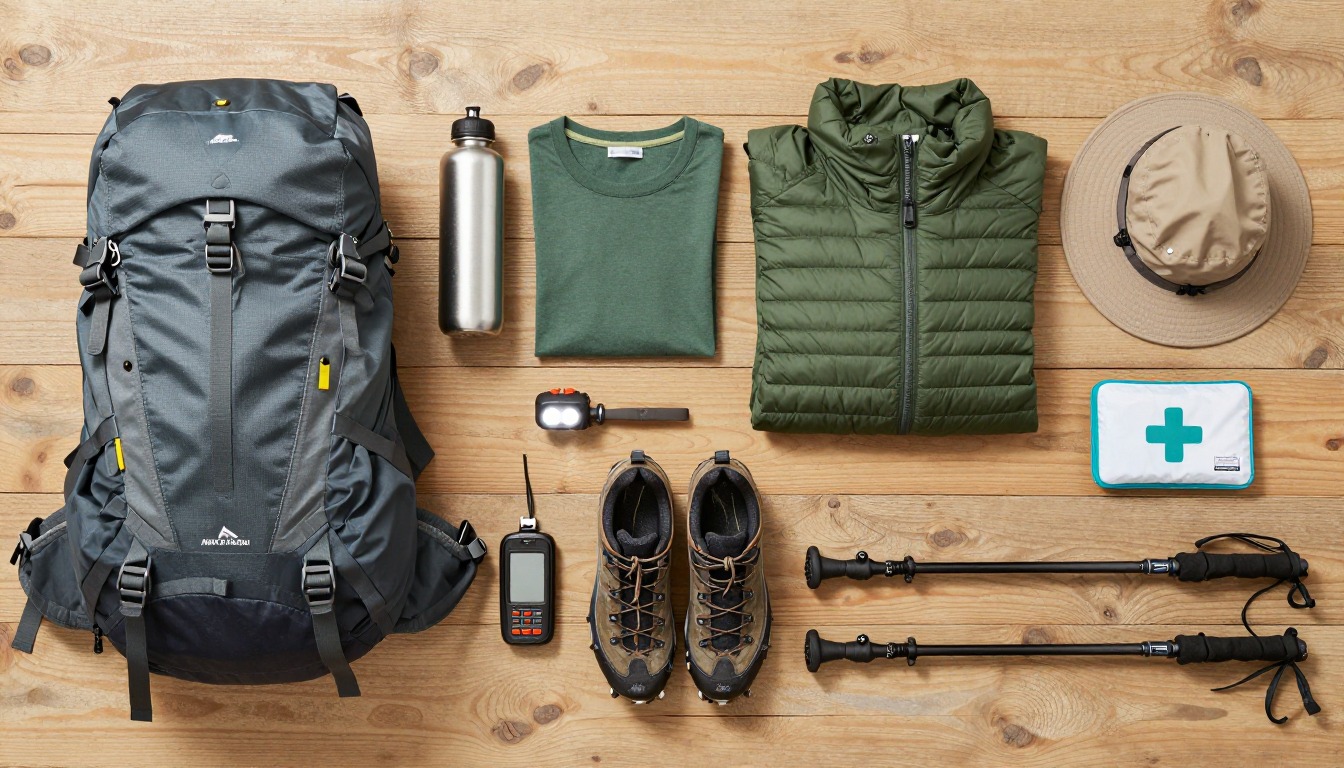
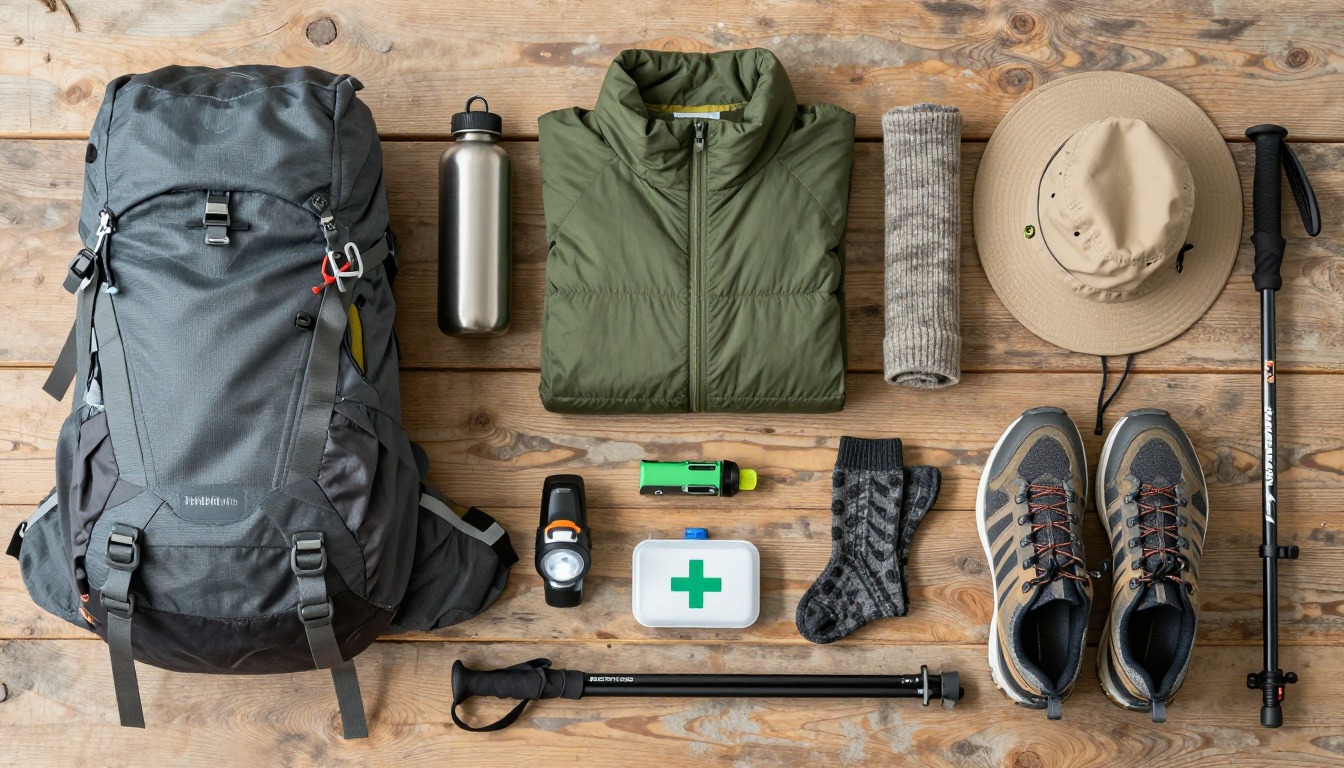
Matched to the terrain and conditions here. Real products — check current price on Amazon.



Exposed grassland and afternoon storms
Open ridges and meadows are the exact terrain lightning safety guidance warns about. The National Weather Service says mountain thunderstorms often build in the early afternoon, so hikers should be off the mountain by noon, and it advises avoiding open fields, hilltops and ridge tops.1 It also says a tent offers no protection from lightning and that groups caught outside should spread out.1 Its general rule is that if you can hear thunder, you are likely within striking distance.2
A lift-based day makes that easier to follow than most. Ride the first lift, walk while the morning is settled, and use huts as shelter in the early afternoon if clouds stack up. The Val Gardena tourism site has live weather and webcam sections, which are worth checking before you buy a lift ticket, since they show conditions on the day rather than a forecast written days earlier.3
Sun, elevation and the last-lift deadline
UV intensity rises about 6 percent for each kilometer of elevation, and overcast skies still transmit around 31 percent of UV, with broken clouds letting through about 73 percent.4 The CDC notes UVB is strongest between 10 a.m. and 4 p.m. and at higher elevations, and recommends broad-spectrum sunscreen of SPF 30 or higher reapplied every two to four hours.5 Open Dolomite meadows offer no shade, so a hat and sunglasses belong in the pack.
NPS advises telling someone your plan and setting a turnaround time you stick to.6 Here the turnaround is set by the lift, not the daylight. If you are walking a loop and the last lift is at a fixed time, work backward from it: allow extra time for photos and hut stops, and remember that uphill sections take at least double the downhill time by NPS's planning rule.6 Lift timetables and opening dates change by season and weather, so confirm them on the day.
Loose ground, trail choices and how many trails you have
The standard routes have little scrambling, but the page notes steep connecting paths off the ridge and rockier ground closer to the spires. On those, poles help: in a lab study, poles on a steep downhill ramp reduced knee forces by 12 to 25 percent.7 Trail runners or light hiking shoes with good tread suit the grade; heavier boots are a matter of preference and a footwear maker's view, not a requirement.8
The tourism site describes a network of about 600 kilometers of well-prepared, well-signed trails linked with mountain huts,3 which is why you can shorten or stretch a day at will. It also means you need to pick a route in advance rather than follow the nearest sign. Use a map, since GPS and phone maps can be inaccurate in mountain terrain and can show misdirected trails.9
Common questions
Can you hike up to Seceda instead of taking the cable car?
You can — trails connect the valley villages to the ridge — but it is a long, sustained climb that turns a relaxed high-meadow day into a serious one. Most people ride up and walk along the top. A middle path is riding up and walking down, which spares your lungs and gives you the descent through forest and pasture.
Is this suitable for families and less experienced hikers?
The standard routes are among the friendliest in the Dolomites: wide, graded paths, excellent signage, huts for food along the way, and no scrambling. What still applies is altitude — weather flips quickly, sun is strong, and the wind on the ridge is genuinely cold. Proper footwear and warm layers matter even on a short, easy walk.
Can I see both Seceda and the Alpe di Siusi in a single day?
It is possible if you start with the first lift and keep moving, but it turns a pair of leisurely walks into a logistics exercise involving separate lift systems. Splitting them across two days is the more enjoyable arrangement and lets you catch the Odle spires in good morning light rather than rushing past them.
Do I need to book mountain huts to hike here?
For day hiking, no — the huts along these routes function mainly as places to eat and rest, and you can simply walk in. If you want to overnight in one as part of a longer hut-to-hut plan, book ahead, since beds are limited and the summer season is short. Check opening dates too, as huts and lifts run seasonally.
Complete gearsets for this trip
Full curated kits built for exactly this kind of hike.
Trail conditions, permits and access rules change without notice — always confirm current information on the official source above before you go. Some facts on this page are still pending owner verification and are marked accordingly. Product links and the accommodation map are affiliate links: we may earn a commission at no extra cost to you; product prices and availability are shown on Amazon, and accommodation prices on the booking site. See our affiliate disclosure.